

 English
 English
 中文简体
中文简体- Type:
- Industry News
- Date
- 2026-Sep-21
Industry News
Home / News / Industry News / 12-18 Month Toys: Sourcing Guide for Importers, Brands and Wholesalers
Content
A European brand once held back a full pallet of push-along walkers that had already passed production inspection. Nothing was wrong with the frame, the wheels or the handle. A decorative sticker on the handle had lifted during a tension test, and because the toy was aimed at 12-18 month toys buyers, that sticker counted as a potential small part under the under-three rules. One graphic, one pallet, one delayed container, and a very uncomfortable call with the retail buyer.
That single incident sums up the commercial reality of this age band: 12-18 month toys are the most tightly regulated shelf in the toy business, and the failures that cost money are rarely dramatic. They are small, boring and entirely preventable. Age grading discipline, material and coating control, and joint strength decide whether a toddler product reaches the shelf on schedule or spends six weeks in a testing laboratory.
This guide is written for the people who specify and buy 12-18 month toys rather than the parents who use them: brand managers, product developers, importers, wholesalers and sourcing teams working with a plastic toy manufacturer on OEM or ODM programmes. It covers what changes in a toddler between 12 and 18 months, how those changes translate into drawings and specifications, which materials and processes hold up, how each major market tests the result, and where the hidden costs sit in tooling, MOQ and packaging.
Key takeaway: in the 12-18 month category, the specification is written by the child, not by the marketing brief, and every design decision has to survive mouthing, throwing and pull-to-stand loading before it earns a place on the shelf.
Twelve to eighteen months is not a single developmental stage. It is three overlapping ones compressed into six months, and each of them puts a different load on a toy. At twelve months a child is typically cruising along furniture, transferring objects between hands and putting almost everything into the mouth. By fifteen months many children are pulling themselves upright on anything that looks stable, pushing boxes across the floor and throwing objects with real intent. By eighteen months they stack a few blocks, scribble with a chunky crayon, imitate household actions and play alongside other children rather than with them.
For a product developer, the practical consequence is that a toy designed only for a seated twelve-month-old will often be handed to an eighteen-month-old who treats it as a climbing frame. That gap is where most durability and stability complaints originate. It is also why the drawings for a toddler product should be reviewed against the oldest child in the age band, not the youngest.
| Age band | Behaviour you can count on | What it forces into the design | Test that usually catches a failure |
|---|---|---|---|
| 12 to 14 months | Mouthing every edge, dropping and retrieving objects, cruising along furniture | No component may fit the small parts cylinder; printed decoration must resist saliva and moisture | Small parts cylinder check, torque and tension tests, heavy metal migration testing |
| 15 to 16 months | Pulling to standing on toys, pushing, dragging and throwing | Wide base, low centre of gravity, secured axles, no sharp edges after impact | Stability and overload tests, repeated drop test onto a steel plate, sharp edge and point assessment |
| 17 to 18 months | Stacking three or more parts, simple pretend play, scribbling, parallel play | Mechanisms that survive thousands of cycles, easy-clean surfaces, parts that stay whole if separated | Cycle and durability assessment, abrasion and adhesion checks, packaging and labelling review |
Notice how the last column keeps returning to the same handful of procedures. There is no exotic test that saves a poorly specified toddler toy. The standard sequence, applied properly and applied early, is what keeps a container moving.
Design for the oldest child in the age band, and the youngest one is automatically covered; design for the youngest only, and the returns department will do the rest of the work for you.
Across hundreds of toddler product evaluations, the same five problems appear again and again. None of them require advanced engineering to fix. All of them require someone to look before tooling is cut.
The small parts cylinder used in toy safety testing has an internal diameter of roughly 31.7 mm and a depth of roughly 57.1 mm. Any component that fits entirely inside it is treated as a choking hazard for children under three, and 12-18 month toys sit squarely inside that group. The trap is rarely the main body. It is the screw cap, the axle end, the glued-on eye, the battery cover, or the decorative stud that was specified by a designer working from a photograph rather than a drawing.
Printed and painted decoration is where most toddler products quietly lose compliance. A coating that passes adhesion on day one can fail after abrasion, humidity or saliva exposure. Beyond physical flaking, heavy metal migration limits apply to the coating itself, which is why colour choice is a compliance decision as much as a design one. Deep reds, yellows and some metallic effects historically carry more migration risk and deserve extra attention in the test plan.
A moulded part can feel perfectly smooth at the factory gate and produce a sharp edge after a single drop onto a hard floor. Flash along a parting line, an exposed rib, or a thin wall that splits under impact all convert a compliant toy into a non-compliant one. This is why impact testing has to be followed by a physical sharp edge and point assessment rather than a visual glance.
Screws, ultrasonic welds, snap fits and press-fit axles all have a predictable failure mode under toddler loading. A wheel that survives a static pull can still loosen after a few hundred metres of pushing across a tiled floor. Specify the joint for cyclic loading, not just for the pull test, and confirm that any fastener is either fully captive or non-detachable.
The fastest route to a customs hold is a mismatch between what the product does and what the packaging claims. A toy marked for 18 months and above with parts that suit a three-year-old is fine on paper and expensive in practice, because the importer and the retailer both inherit the risk. Age grading should be decided by the design team before tooling, then locked into artwork, instructions and the technical file.
Fix the specification before the mould exists, because every one of these five failures costs ten to fifty times more to correct after tooling than before it.
Most buyers review return reasons once a season, and most factories review them once a year, which is why the same defects keep appearing across different programmes. The pattern matters more than any single number. When toddler products come back, they rarely come back for reasons a consumer would describe as a design flaw. They come back for small structural and cosmetic issues that were visible in the first sample and never written into the approval checklist. The chart below summarises the distribution of complaint categories compiled from supplier quality reviews of toddler-category shipments, grouped so that each bar corresponds to something a factory can actually control. Read it as a prioritisation tool: the first three categories together account for well over half of all issues, and all three are decided before mass production begins. The purpose is not to argue about decimal places, but to show where inspection hours and sampling budget should go.
Distribution of complaint categories from supplier quality reviews of toddler-category plastic toy shipments. Figures are indicative and intended for prioritisation rather than statistical precision.
The first bar is the one that should change how a programme is planned. Detachable small parts account for more than a quarter of all toddler complaints, and in almost every case the offending component was approved on a drawing that showed it as part of the assembly rather than as a separate part. A torque or tension test applied to a sample of thirty units will usually reveal the problem, but only if the test is performed after conditioning rather than on a freshly unpacked sample. Buyers who ask for conditioned samples, held for a period at elevated humidity before testing, consistently see fewer surprises.
The coating category is the second largest and the most misunderstood. Flaking and colour transfer are frequently treated as cosmetic issues, yet they are the same mechanism that drives migration failures. A coating that abrades easily has already lost the physical protection that keeps pigment inside the film. Switching to in-mould colour or a masterbatch approach removes the risk entirely for large single-colour parts, and it usually reduces unit cost once volumes exceed a few thousand pieces. Where printing is unavoidable, for faces, graphics or branded elements, the print should be specified with an abrasion cycle in the approval protocol, not simply a visual pass.
Sharp edges and flash sit in third place at sixteen percent, and this figure is closely tied to tool maintenance rather than tool design. A mould that produces clean parts at first shot will start producing flash once the parting line wears, and the parts that reach the customer are the ones from late in the run. This is why pre-shipment inspection should sample across the whole production window rather than concentrating on the first few cartons. Factories that record cavity and cycle information against the inspection lot make this far easier to verify.
Breakage at joints and wheels takes thirteen percent, and it is the category most affected by the gap between static and dynamic testing. A pull test confirms that a wheel will not come off under direct force. It says nothing about what happens after an eighteen-month-old has pushed the toy up and down a hallway for three weeks. Adding a simple cyclic push test of a few hundred cycles gives a much better prediction of field behaviour, and it is cheap to run on a handful of pre-production samples.
The labelling and marking bar, at eleven percent, is the easiest of all to eliminate and the most embarrassing when it is missed. Age symbols, warning sentences, importer details and batch codes are all decided at artwork stage, and a single transposed digit between the technical file and the printed carton can stop a container. Building a two-person artwork check into the schedule costs almost nothing compared with the cost of reprinting packaging for a locked retail programme.
Packaging damage, at eight percent, is usually a carton specification problem rather than a product problem. Toddler products are often bulky and light, which encourages optimistic carton dimensions. A standard transit test on a filled carton, run before the packaging is finalised, will normally show whether the corner boards and internal dividers are adequate. The final six percent, covering odour, battery compartments and instructions, tends to concentrate in products with electronics or sealed plastic components, and it is best addressed through a longer settling period before packing rather than through inspection.
Three categories, detachable parts, coating performance and edge condition, account for roughly two thirds of toddler toy complaints and are all determined before mass production starts.
Material choice in this category is rarely about performance alone. It is a negotiation between impact resistance, surface finish, tooling cost, decoration method and the compliance profile of the final part. The table below compares the five materials that cover the overwhelming majority of 12-18 month toy components.
| Material | Typical toddler applications | Strengths | Watch-outs |
|---|---|---|---|
| Polypropylene (PP) | Hula hoop style rings, buckets, sand tools, stacking cups, large handles | Excellent toughness, low cost, good chemical resistance, easy to colour in the melt | Lower gloss than ABS, harder to bond, living hinges need careful wall design |
| ABS | Walkers, shape sorter housings, push handles, mechanical parts | High gloss, crisp detail, good dimensional stability, accepts printing well | Higher cost, can produce sharp edges when it fractures, needs careful gate placement |
| HDPE and PE | Bath cups, scoops, soft-edged bodies, blow moulded parts | Very soft edges, good moisture resistance, low odour | Poor detail reproduction, limited colour depth, can look cheap if wall thickness is inconsistent |
| TPR | Grip sections, soft wheels, squeezy bodies, textured surfaces | Soft touch, good grip, can be over-moulded onto rigid cores | Higher cost per kilogram, sensitive to processing temperature, can feel tacky over time |
| Silicone | Squeeze and calming toys, teether-style parts, flexible grips | Skin-friendly, stable across temperature, no plasticiser concerns, easy to clean | Highest material cost, longer cycle times, colour matching is harder than with rigid plastics |
Two factories can quote the same toddler product from the same resin and deliver very different failure rates, because the decoration method drives the coating complaints described earlier. In-mould colour removes the coating layer altogether and should be the default for any large, single-colour component. Pad printing and heat transfer offer sharper graphics but introduce an abrasion surface that must be validated. Water transfer and electroplating produce striking effects and also the highest migration risk, which is why electroplated components in a toddler product should always be treated as a controlled item with its own test plan.
Where a soft, tactile surface is required, silicone remains the most forgiving option for products that will be mouthed, squeezed and washed. That is precisely the role of silicone squeeze toys in the sensory and calming category, where the material has to stay soft after repeated handling and tolerate regular cleaning without becoming sticky.
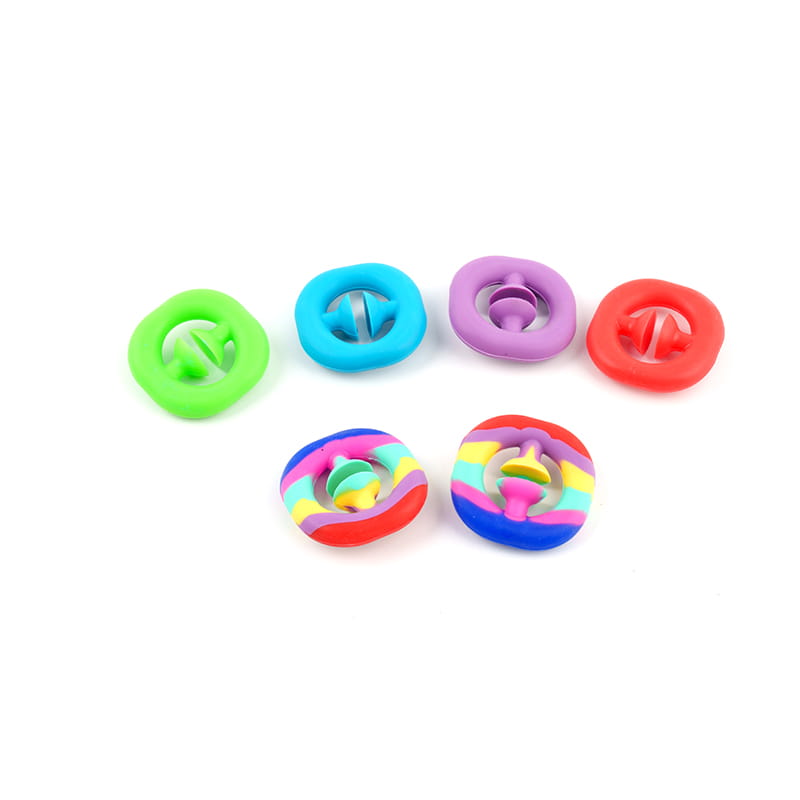 Silicone Decompression Grip ToyStress Reducing Grip Strength Grabbers, crafted from high quality silicone material, soft and comfortable to touch, safe and non-toxic. This gripper is uniquely design...View Product →
Whatever the material, ask for the resin grade in writing and keep it in the technical file. A supplier that cannot name the grade it is moulding is a supplier that will change it when prices move, and that change will surface as cracking, warping or odour in a shipment you have already sold.
Choose the decoration method before the material, because coatings create more compliance failures in toddler toys than resin selection ever does.
Most toddler assortments are built from eight recurring product types, and each one has a distinct cost structure and a distinct compliance profile. Knowing which type you are buying tells you where the money goes and where the risk sits.
Push and pull walkers
Large mouldings, wheels, axles and often a handle assembly. The stability requirement dominates the design brief.
Stacking and nesting
Simple moulds, low tooling cost, high perceived value. Wall thickness consistency decides how the product feels.
Balls and rolling play
Category driven by surface texture and bounce consistency. Material certification matters more than decoration.
Shape sorters and posting
Multiple parts, tight tolerances, frequent small parts exposure. The most test-sensitive of all toddler categories.
Sand and water play
Buckets, scoops, moulds and sieves. Seasonal, bulky, low unit cost, high carton volume.
Sensory squeeze and calming
Silicone and TPR bodies, often with texture or stretch. Cost sits in the material rather than the mould.
Musical and noise toys
Mechanical sound mechanisms or simple electronics. Battery compartments must be screw-secured and inaccessible.
Bath toys
Soft bodies with drainage or sealed mouldings. Mould growth and odour are the recurring consumer complaints.
Sand and water play deserves special attention in this age band, because it is one of the few toddler categories where the play value grows with the child while the compliance requirement stays fixed. A bucket and scoop set that is correctly sized, correctly coloured and correctly edged will serve a twelve-month-old sitting on a blanket and an eighteen-month-old carrying it to the beach.
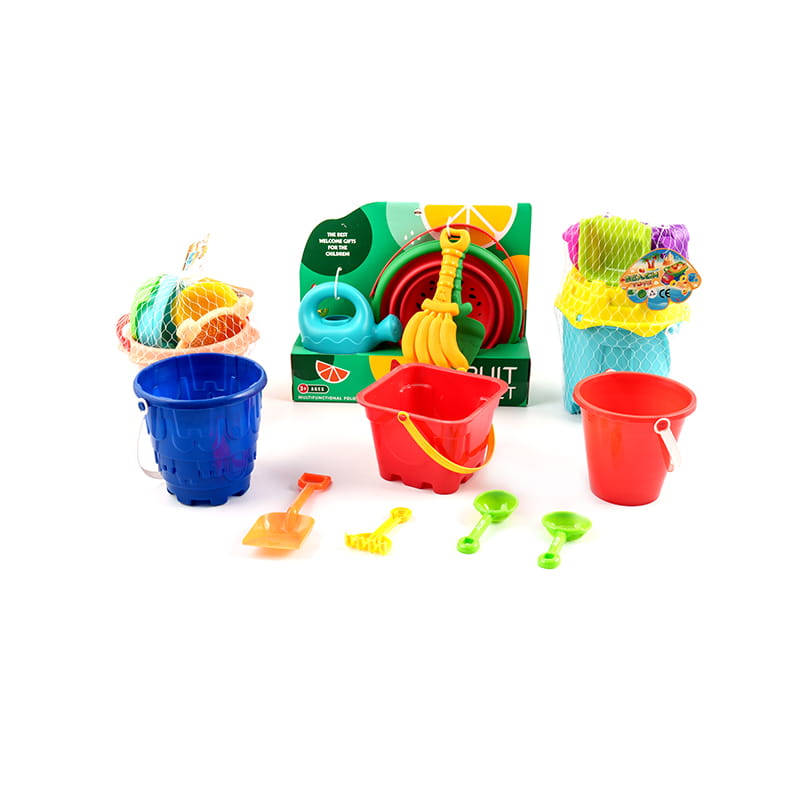 Plastic Beach Bucket PlaysetBeach Bucket Toy Set is a must-have equipment for going to the beach in summer, which is made of environmentally friendly PP material, safe and non-toxic, so kids can ...View Product →
| Product type | Typical construction | Main cost driver | Primary compliance risk |
|---|---|---|---|
| Push and pull walkers | Injection moulded body, wheels, axle, handle | Tool size and part count | Stability and sharp edges after impact |
| Stacking and nesting | Single or two-cavity mould, 5 to 12 parts | Cycle time and packaging | Small parts if the smallest ring is undersized |
| Balls and rolling play | Blow moulded or solid moulded sphere | Material weight | Surface coating and phthalate content |
| Shape sorters and posting | Housing plus multiple shaped pieces | Part count and assembly labour | Small parts and torque on fixed elements |
| Sand and water play | Thin-wall mouldings, often multi-part sets | Carton volume and freight | Edge condition on thin walls |
| Sensory squeeze and calming | Single-part silicone or TPR mouldings | Raw material price | Tearing and material grade substitution |
| Musical and noise toys | Moulded housing with mechanism or electronics | Component cost and assembly | Battery compartment security |
| Bath toys | Soft moulded bodies, sometimes with squeakers | Mould complexity | Trapped water and odour after use |
Shape sorters and posting toys carry the highest test sensitivity, while sand and water sets carry the highest freight sensitivity; both need their own approval route rather than a generic toddler checklist.
Messy play is the fastest growing toddler sub-segment in most European and North American catalogues, and it is also the hardest to age-grade honestly. Chalk, sand, dough and paint all sit in a grey zone where a three-year-old product gets marketed to parents of one-year-olds. The safest commercial route is to build a genuinely toddler-suitable version rather than to stretch an existing product downward.
For sand and dough style products, that means designing the tool rather than the material. Large scoops, rounded moulds without thin edges, and containers with generous openings all reduce risk while keeping play value. Mouldable sand products follow the same logic: the compound is not the compliance issue, the small plastic moulds hidden inside the pack usually are. A toddler version of a sand play set should have fewer, larger accessories and a clearly printed age grade that matches the actual component sizes.
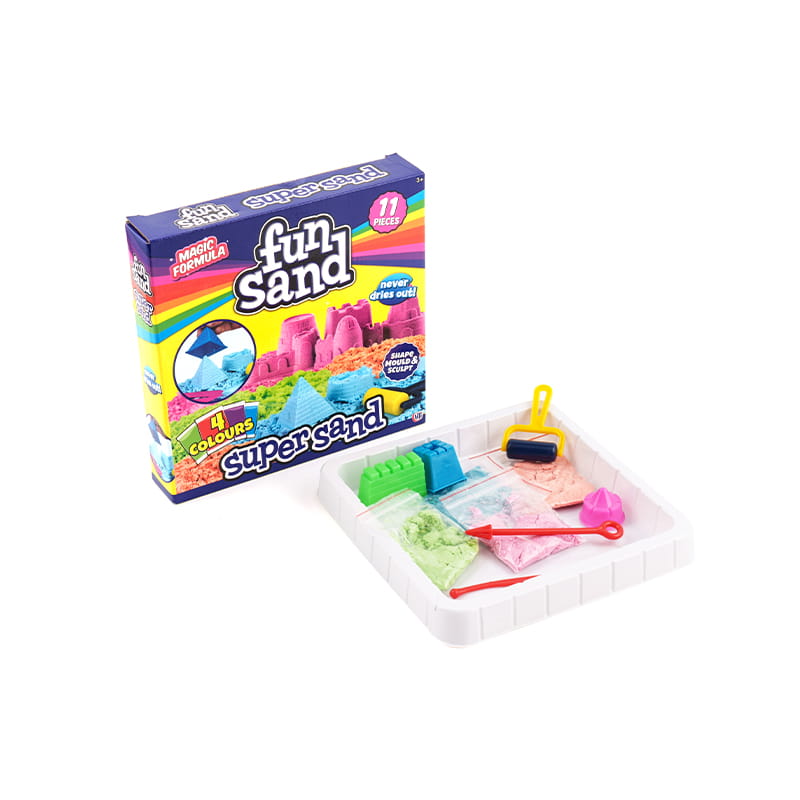 Quick Sand ToyQUICK SAND is a very creative and fun toy sand for kids. It is self-adhesive and can be easily molded into a variety of interesting shapes with the miniatures, allowin...View Product →
Chalk requires a different conversation. Standard sidewalk chalk for older children breaks into pieces, produces dust and often carries an age grade of three years and above. A toddler-safe format means larger, thicker sticks with a rounded profile and a binder that holds together under a squeeze. Spray chalk, tie dye kits and sand art creations sit firmly in the older category and should stay there in catalogue and website navigation, because mixing them into a toddler landing page creates a compliance mismatch even when no one complains.
Seasonality matters here too. Beach and water products follow a narrow ordering window, typically from late autumn through early spring for northern hemisphere retail, and tooling has to be ready months before the season opens. Brands that begin development in March are usually buying from whatever stock a wholesaler happens to hold, at whatever price the wholesaler chooses. Brands that begin in September are building their own moulds and controlling their own margin.
In messy play, the age grade is a design decision made at the drawing stage, not a marketing decision made at the artwork stage.
The under-three category is treated more strictly than any other age group in every major market, and the documents required differ enough that a single test report rarely covers a global launch. The table below summarises what a buyer should expect to receive before a toddler shipment leaves the factory.
| Market | Core standard | Marking and documents | Under-three specific notes |
|---|---|---|---|
| European Union | EN 71-1, EN 71-2, EN 71-3 plus REACH obligations | CE marking, technical file, declaration of conformity, traceability of manufacturer and importer | Small parts rules apply without exception; migration limits assessed on each coating colour |
| United States | ASTM F963 and CPSIA requirements | Tracking label with batch and date, children's product certificate, test reports from an accepted laboratory | Lead and phthalate limits apply to accessible components and coatings; strict requirements for battery compartments |
| United Kingdom | Designated standards aligned with EN 71 series | UKCA marking, UK responsible person details on the product or packaging | Requirements broadly mirror the EU framework but documentation must name the UK entity |
| Canada | Toys Regulations under the Canada Consumer Product Safety Act | Bilingual labelling, importer identification, testing documentation | Toxicological and mechanical requirements both apply; language errors are a common hold point |
| Australia and New Zealand | AS/NZS ISO 8124 series | Mandatory safety standard declaration, age grading statement | Small parts and sharp point requirements are aligned with the international standard |
Three practical points sit behind that table. First, a test report is only valid for the exact construction, colour and material it was issued against, so any change in resin grade, print supplier or component source invalidates the paperwork and requires re-testing. Second, coating migration reports are colour specific; a brand that adds a new seasonal colour without re-testing has created a compliance gap that no amount of inspection will close. Third, the tracking label requirement in the United States is not satisfied by a production date stamped on the carton alone; it must allow the batch to be traced back through the factory records.
Every change after a test report is issued, including a new colour, a new resin or a new print supplier, invalidates that report and must be re-tested before shipping.
Working with a plastic toy manufacturer on a toddler product follows a predictable path, but the commercial terms around that path vary enough to change the total programme cost by thirty percent or more. Understanding where the money sits is the difference between a project that returns margin and one that only returns stock.
Tooling cost is driven by part size, part count, surface finish and the number of cavities. A single-cavity mould for a simple stacking ring is a modest investment; a large walker body with a polished finish and a multi-part handle assembly is a different project altogether. Buyers should establish in writing who owns the tool, where it is stored, and what maintenance schedule applies, because a mould that is never maintained will produce flash long before it produces end-of-life.
Minimum order quantity for toddler products commonly falls between three thousand and ten thousand pieces per design and colour, with lower thresholds available for existing moulds and standard colours. The MOQ is usually set by moulding efficiency rather than by the factory's willingness, so negotiation should focus on colour consolidation and packaging standardisation rather than on lowering the number itself.
Tooling ownership, resin grade and the sampling plan are the three clauses that decide whether a toddler toy programme is controllable after the first shipment.
A toddler product that cannot be cleaned will not stay in the toy rotation, and a product that leaves the rotation generates no repeat purchase. Care instructions are therefore a commercial tool, not a legal footnote.
Any toddler product with a light or sound function carries additional obligations. The battery compartment must be secured by a screw or a mechanism that requires a tool, button cells must be inaccessible even after a drop test, and the instructions must state the battery type and disposal route in every language of the destination market. Button cell ingestion is one of the most serious risks in this age group, and it is entirely an engineering decision.
Buyers should confirm at the ordering stage which components are available as spares, particularly wheels, axles, handles and battery covers. A modest spare parts stock converts a complaint into a resolution and protects the brand's listing on major retail platforms. Where a product is seasonal, spare parts should be held for at least one full season beyond the last shipment date.
Button cell security and drainable bath toy design are engineering decisions that cannot be delegated to the instruction leaflet.
Two background articles explain the developmental reasoning behind several of the recommendations above, and both are useful when building a product rationale for a retail buyer or a category review.
|
How movement play supports coordination and motor skill development A practical look at how rotating and balancing play builds coordination, and why the same principles guide the sizing and weight decisions behind toddler movement products. |
What sensory squeeze toys do for emotional regulation An overview of the calming mechanisms behind tactile squeeze products, and how material softness and recovery affect the experience over repeated use. |
Development research is the cheapest design input available, and it costs nothing to cite when a retail buyer asks why a product is shaped the way it is.
What are the most suitable 12-18 month toys to produce for the export market?The strongest sellers in this band are push and pull walkers, stacking and nesting sets, large balls, simple shape sorters, sand and water play sets, and soft sensory squeeze toys. Each one matches a developmental behaviour that appears reliably between twelve and eighteen months, which means the play value stays relevant across the whole age band rather than for only a few weeks. |
Do 12-18 month toys have to pass small parts testing?Yes. Products intended for children under three are assessed against the small parts cylinder, and any component that fits entirely inside it is treated as a choking hazard. This applies to every detachable part, including caps, axles, glued decorations and battery covers, and it applies after conditioning and impact testing rather than only on a fresh sample. |
Which material is best for a mouthing toy?Silicone is the most forgiving choice for products that will be repeatedly mouthed, squeezed and washed, because it stays stable and has no plasticiser concerns. Polypropylene is a cost-effective alternative for larger rigid parts that are unlikely to be chewed for long periods. Polyvinyl chloride should be avoided in this age band unless the formulation is fully documented and tested. |
What minimum order quantity should a brand expect from a plastic toy manufacturer?For a new mould and a custom colour, typical minimums fall between three thousand and ten thousand pieces per design. Existing moulds and standard colours can often run at lower volumes. Buyers usually get more value from consolidating colours and standardising packaging than from pushing the order quantity down, because the moulding set-up cost is spread across the whole run. |
How long does OEM or ODM development take for a toddler product?Allow four to seven weeks for tooling manufacture and roughly ten to fourteen days for first shot samples and corrections, followed by pre-production sample approval. Mass production then typically runs thirty to forty-five days depending on quantity and decoration. A realistic total from brief to shipment is twelve to eighteen weeks, and longer if a new mould requires design changes after the first shot. |
Can sand and outdoor play sets be sold as 12-18 month toys?They can, provided the accessories are designed for the age group rather than simply borrowed from an older product. That means fewer parts, larger scoops and moulds, rounded edges and no small decorative inserts. Sets that include small shells, thin moulds or narrow tools should stay in the three-year-plus category regardless of how attractive the toddler market looks. |
Which documents should a supplier provide before shipping?Expect test reports covering mechanical and physical properties and coating migration, issued against the exact construction and colour being shipped, plus a declaration of conformity for the destination market, artwork proofs showing age grading and warnings, an inspection report against the agreed sampling plan, and a carton transit test result for the packed configuration. |
How should toddler plastic toys be cleaned without damaging them?Warm water with a mild soap and a soft cloth is enough for most rigid parts. Avoid alcohol-based cleaners and abrasive pads on printed decoration, and never put printed ABS parts in a dishwasher. Bath and sand products should be rinsed, drained and air dried after every use to prevent odour and mould growth. |
Most questions buyers ask about 12-18 month toys come back to one answer: decide the age grade first, then design everything else around it.
Pulling the threads together, a successful 12-18 month toy programme rests on decisions that are all made long before mass production. The age grade is set at the brief, not at the artwork. The material grade and decoration method are fixed before tooling, so coating migration and impact performance can be predicted rather than discovered. The small parts assessment happens on the drawing, which is the only moment when it is cheap to correct. Tooling ownership, the sampling plan and the resin specification are written into the purchase documents, which is what keeps the second shipment as good as the first. And the care instructions, spare parts and tracking information are treated as part of the product rather than as paperwork.
Brands, importers and wholesalers that follow that sequence tend to describe this category as predictable. Those that skip it describe it as difficult, seasonal and full of hidden costs. The difference is not the factory and not the market. It is the order in which the questions get asked.
Get the age grade, resin grade and decoration method right at the drawing stage, and the rest of the 12-18 month toy programme becomes a scheduling exercise rather than a rescue operation.
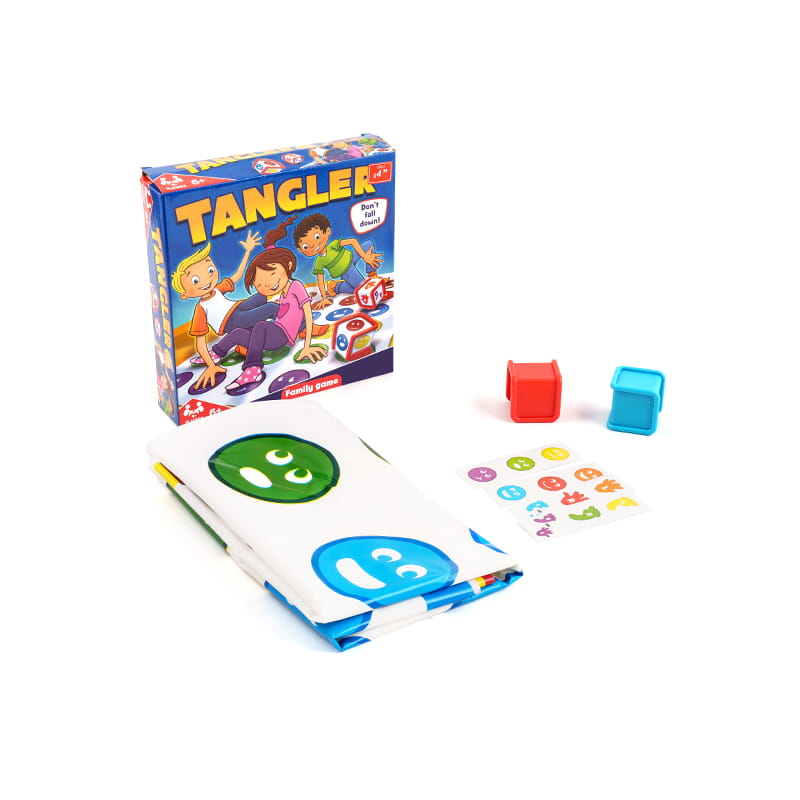
TANGLER is a fun and challenging board game that requires players to use their hands and feet to meet conditions. During the game, players need to mov...
View More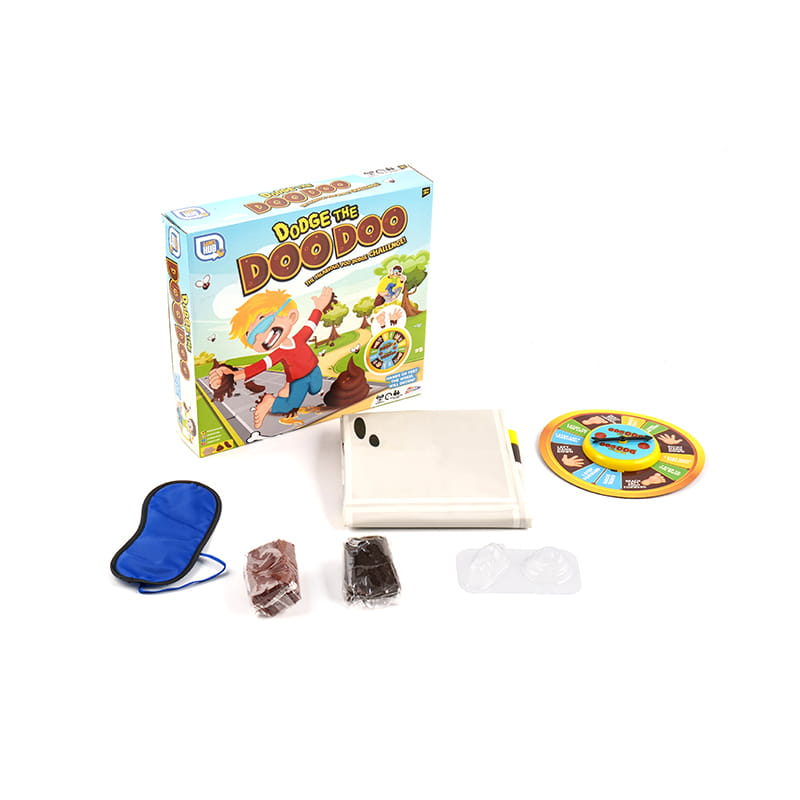
Dodge The Doggy Doo is a fun and challenging game for kids. Children need to put on a blue blindfold and walk blindfolded to complete the tasks on the...
View More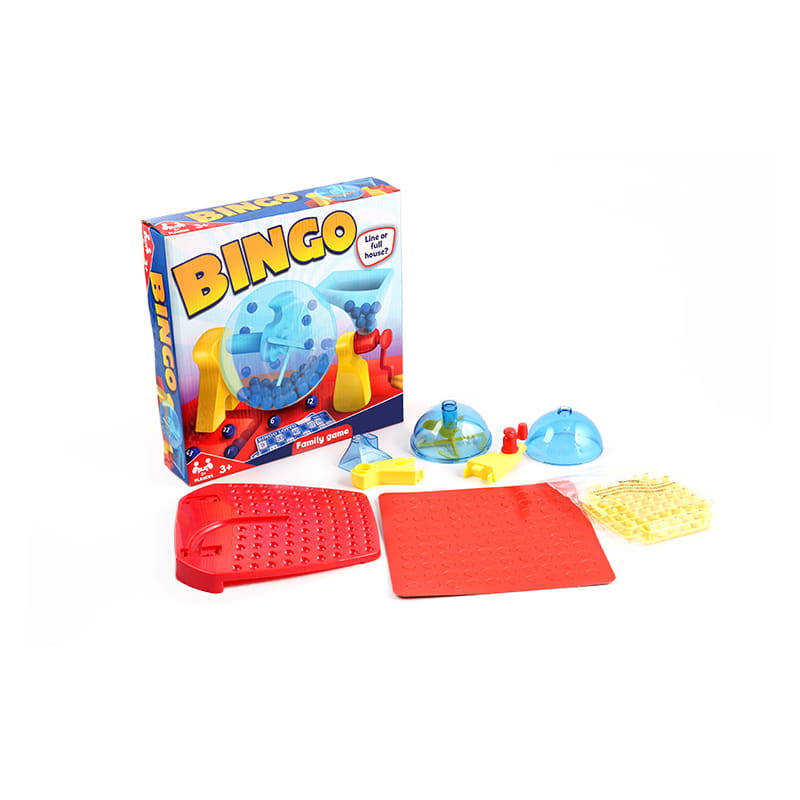
Bingo Game is an entertaining game full of fun and surprises. It contains a beautiful shaker with a sleek design and bright colors that will catch eve...
View More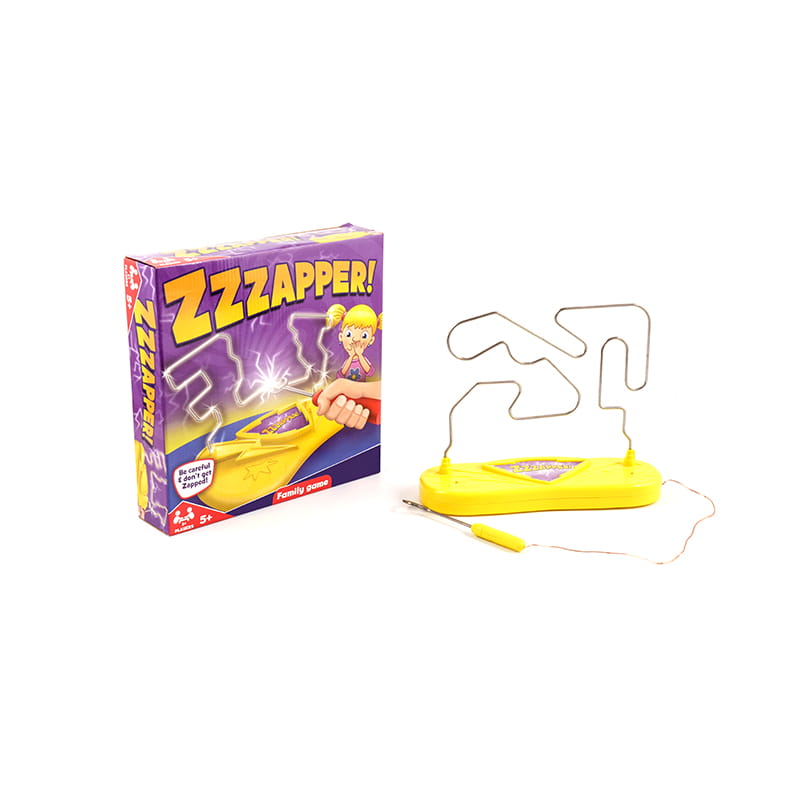
Beware of Electrocution Game is a unique family game designed to test players' concentration and balance. The game consists of a purple game box and a...
View More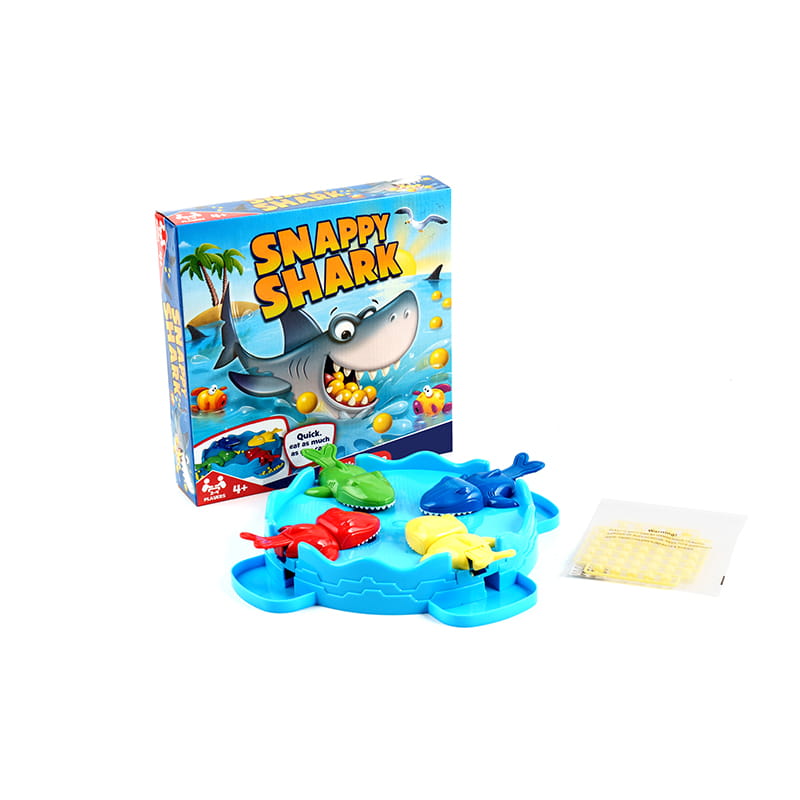
Shark Eat Beads is a four-player interactive game with a “Snappy Shark” theme, where players need to quickly maneuver their sharks to eat as many ...
View More
Luminous Starry Night Patch is a creative decoration. It contains a variety of cosmic elements, such as planets and stars, etc. It is made of special ...
View More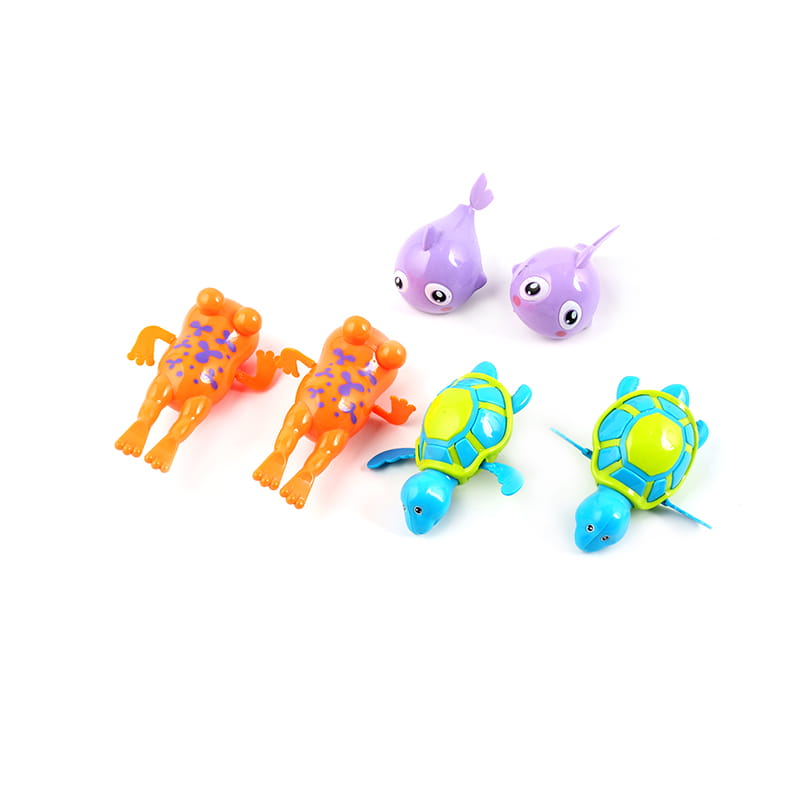
The Uplink Animal Toy is a soothing toy set designed for baby showers. The set contains brightly colored and simply designed plastic toys such as an o...
View More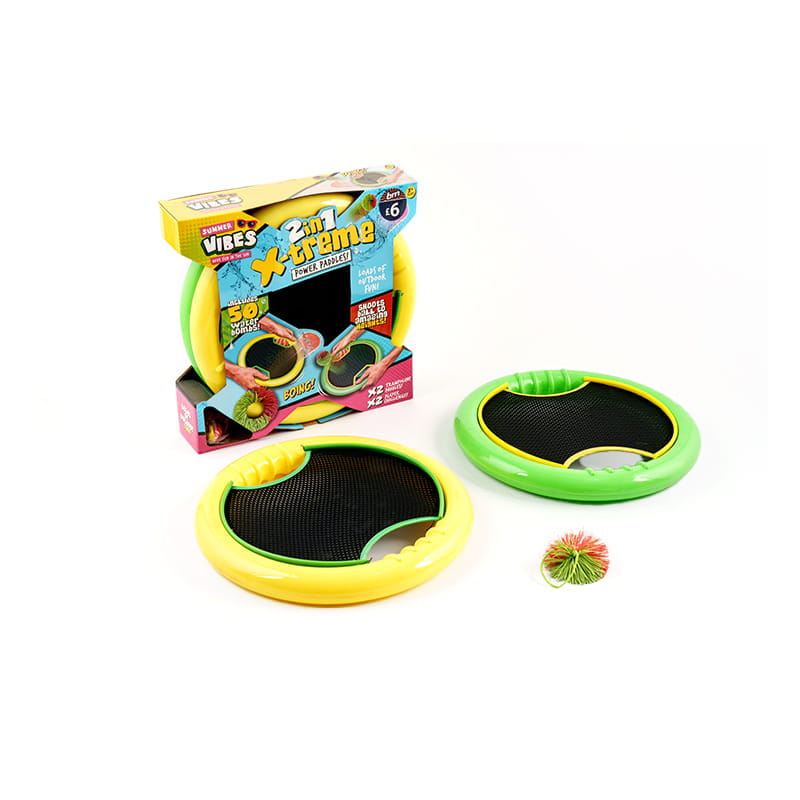
Clap Circle is a fun toy designed for children, containing 2 clappers and 1 colorful ball. This toy can be played alone to work on hand-eye coordinati...
View More
Copyright © Yuyao Leda Crafts Co., Ltd. All Rights
Reserved.

Children's Toys Factory
Children's Toys Manufacturer


