

 English
 English
 中文简体
中文简体- Type:
- Industry News
- Date
- 2026-Jan-02
Industry News
Home / News / Industry News / How to Help Children Quickly Learn to Use a Children's Plastic Hula Hoop?
To help children quickly master the use of a Children's Plastic Hula Hoop, you can provide systematic guidance from four dimensions: equipment selection, learning environment, basic movement techniques, and consistent practice. Here is a detailed step-by-step teaching plan:
1. Choosing the Right Product: Based on Professional Quality
The first step in teaching is to ensure that the equipment used meets children's safety standards, which directly relates to learning effectiveness and safety.
Weight and Size: Choose a lightweight hula hoop designed specifically for children. These are usually smaller in diameter and lighter in weight than adult hula hoops, making them easier for children to control and manage the rhythm.
Material Safety: Prioritize high-quality plastic materials, ensuring there are no sharp edges, that it is not easily broken, and is non-toxic and harmless.
Brand Assurance: It is recommended to choose products from professional manufacturers. For example, Yuyao Leda Craft Co., Ltd. specializes in the research and development and production of children's plastic hula hoops, and its products are recognized in the market for their safety and durability.
2. Creating a Comfortable Learning Environment: Ensuring Safety and Space
When children practice with a hula hoop, they need a spacious and safe area to avoid external interference.
Location Selection: Choose a flat and spacious area, preferably an indoor space with non-slip mats or a flat grassy area, avoiding the impact of hard surfaces.
Avoid Obstacles: Remove surrounding toys, stones, or other items that might trip the child, ensuring freedom of movement for the hula hoop.
Safety Protection: Although it is a lightweight plastic hula hoop, in the initial learning stage, it is recommended that children wear soft sportswear and appropriate athletic shoes to reduce injuries in case of falls.
3. Teaching Core Movement Techniques: A Step-by-Step Teaching Method
Mastering the correct posture and movements is key to quick learning. The following is a standard teaching process:
Holding and Rotating: First, have the child hold the inner wall of the hula hoop with both hands, standing in the center of the hula hoop. Gently swing the hula hoop forward while keeping the arms naturally hanging down, allowing the hula hoop to rotate on its own.
Arm Swinging: Teach the child to use the natural swing of their arms to maintain the rotation of the hula hoop. This requires slight movement of the waist, not just using arm strength. Rhythm Control: Emphasize the rhythmic feel of hula hoop rotation, teaching children to gently lift their toes or knees before the hula hoop touches the ground, allowing the hoop to pass smoothly and maintain continuity.
Sustained Practice: Start with short rotations of 5 seconds, gradually extending to 30 seconds and then 1 minute, helping children build muscle memory.
IV. Cultivating Interest and Perseverance: Turning Exercise into Fun
Quickly mastering skills requires continuous practice and a positive attitude. Here are some suggestions for stimulating interest:
Gradual Progression: Don't rush for success. Start by simply maintaining the hula hoop's rotation, gradually increasing the difficulty, such as trying different rotation directions or changing postures.
Encouragement and Feedback: Give timely praise and affirmation whenever the child completes a rotation or extends the duration, building their confidence.
Setting Goals: Set small goals, such as "rotate for 30 seconds today," and then challenge higher goals after completion.
Moderate Rest: Avoid prolonged practice that leads to muscle fatigue. Moderate rest helps restore energy and improve practice efficiency.
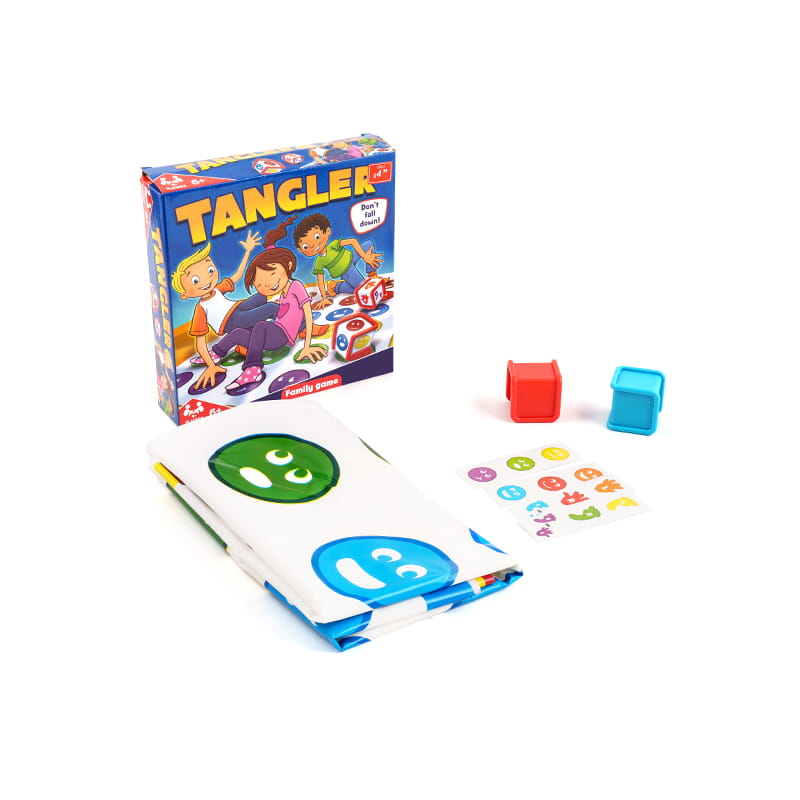
TANGLER is a fun and challenging board game that requires players to use their hands and feet to meet conditions. During the game, players need to mov...
View More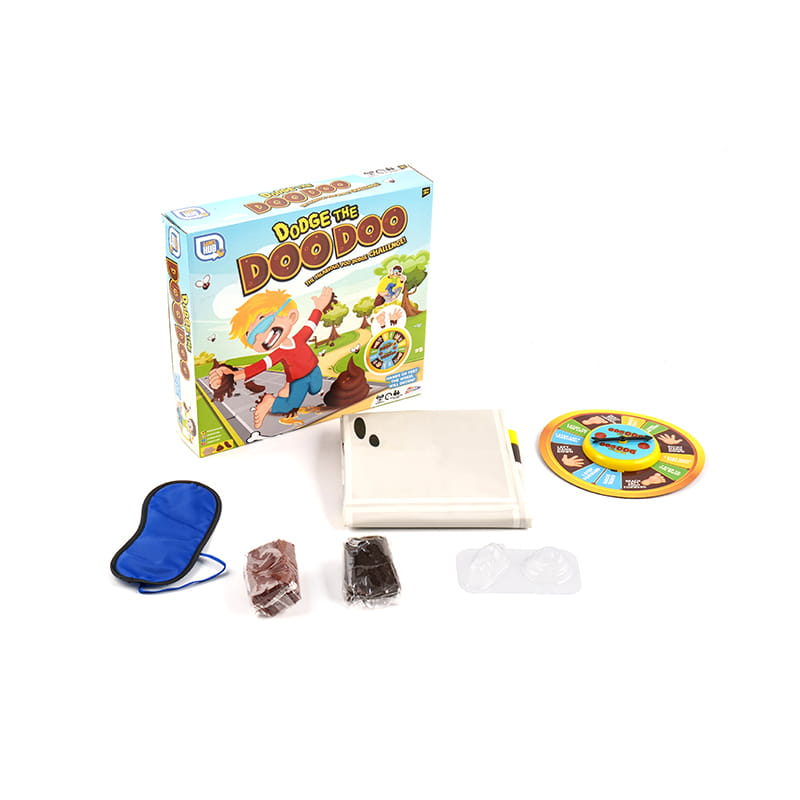
Dodge The Doggy Doo is a fun and challenging game for kids. Children need to put on a blue blindfold and walk blindfolded to complete the tasks on the...
View More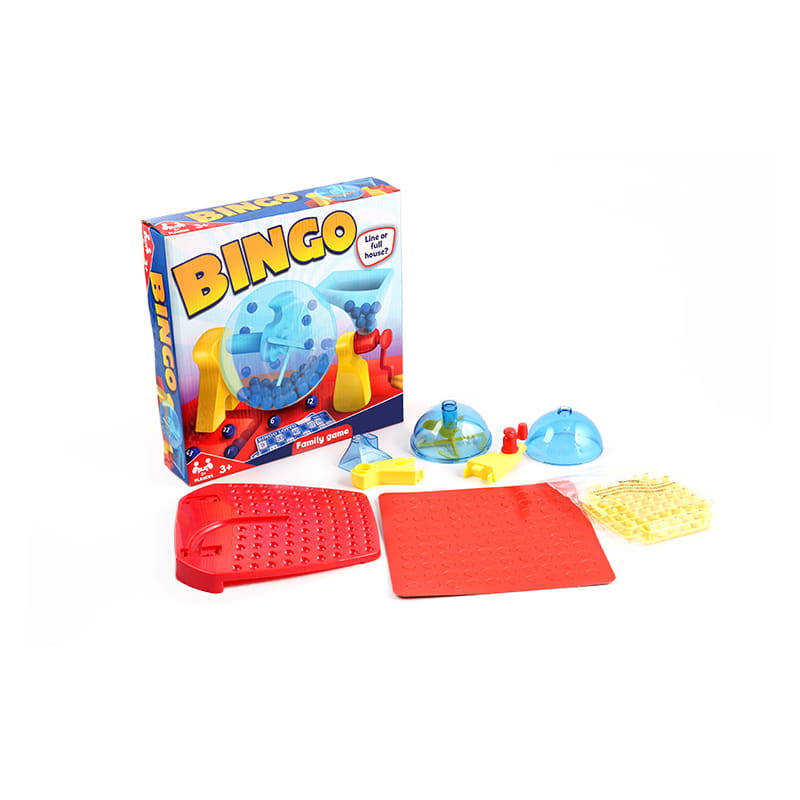
Bingo Game is an entertaining game full of fun and surprises. It contains a beautiful shaker with a sleek design and bright colors that will catch eve...
View More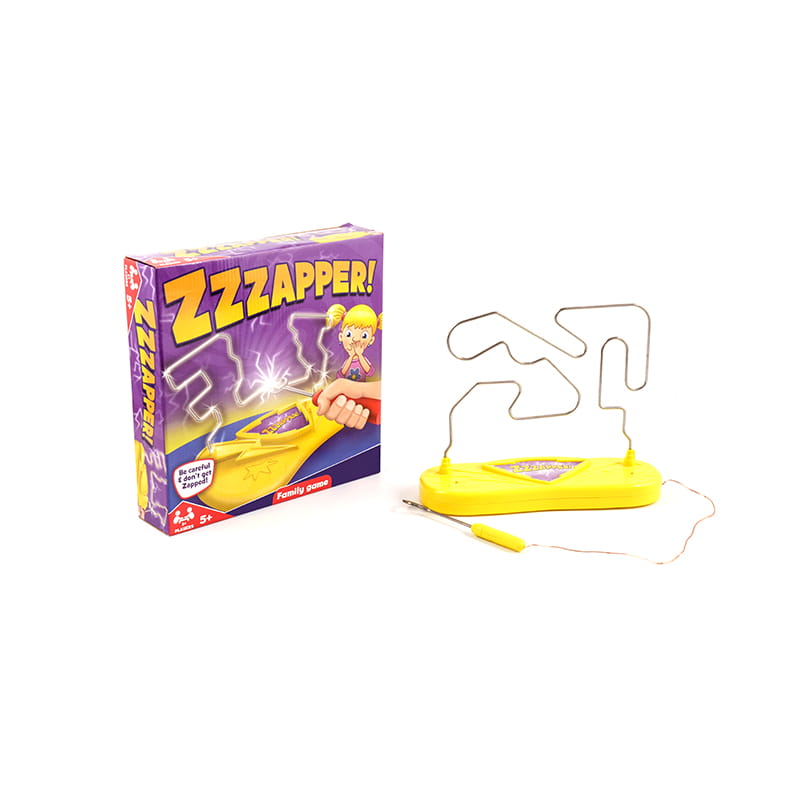
Beware of Electrocution Game is a unique family game designed to test players' concentration and balance. The game consists of a purple game box and a...
View More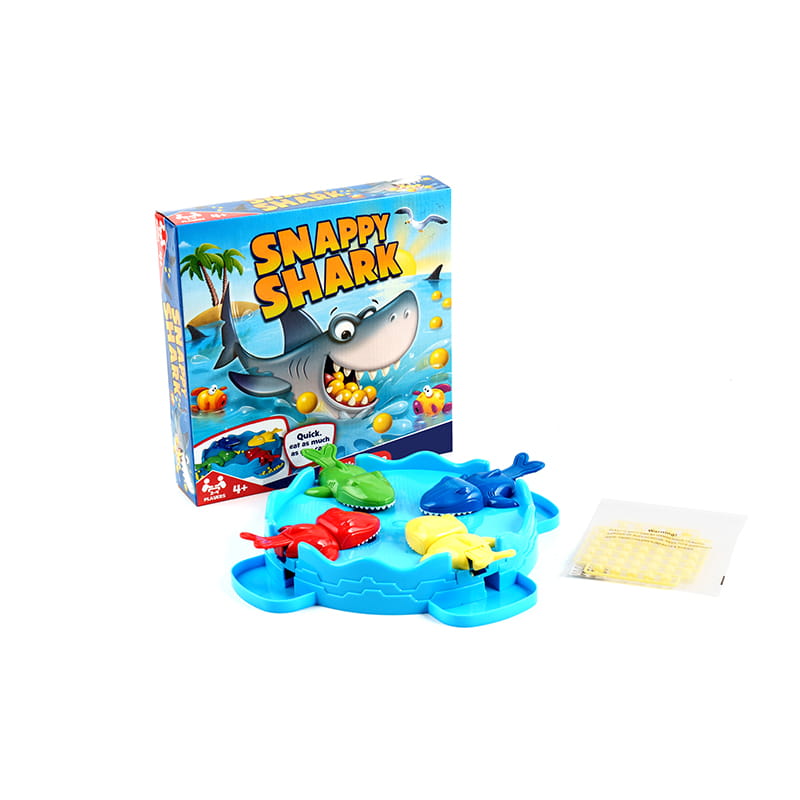
Shark Eat Beads is a four-player interactive game with a “Snappy Shark” theme, where players need to quickly maneuver their sharks to eat as many ...
View More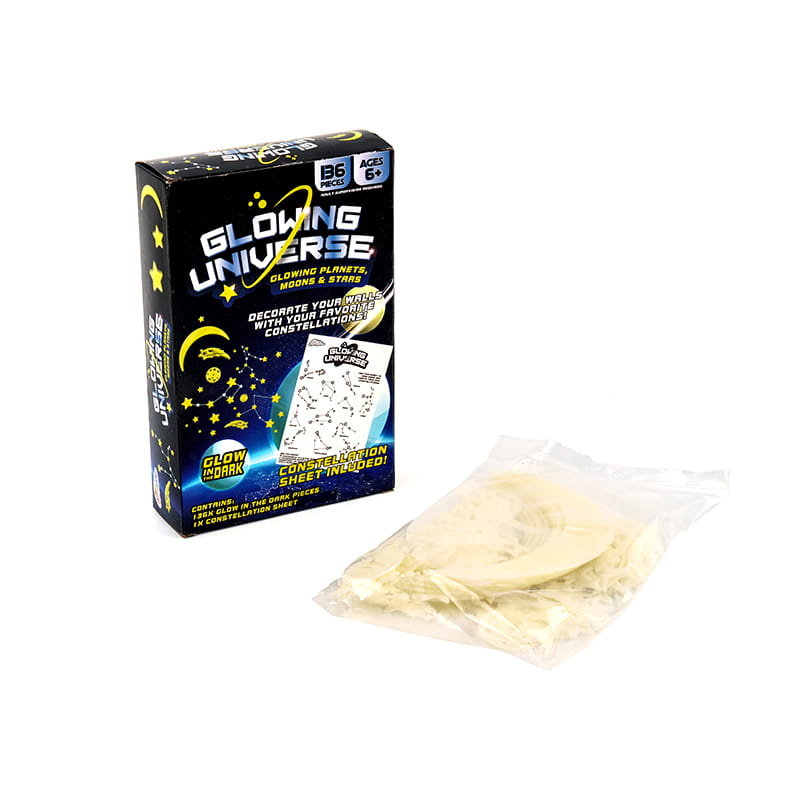
Luminous Starry Night Patch is a creative decoration. It contains a variety of cosmic elements, such as planets and stars, etc. It is made of special ...
View More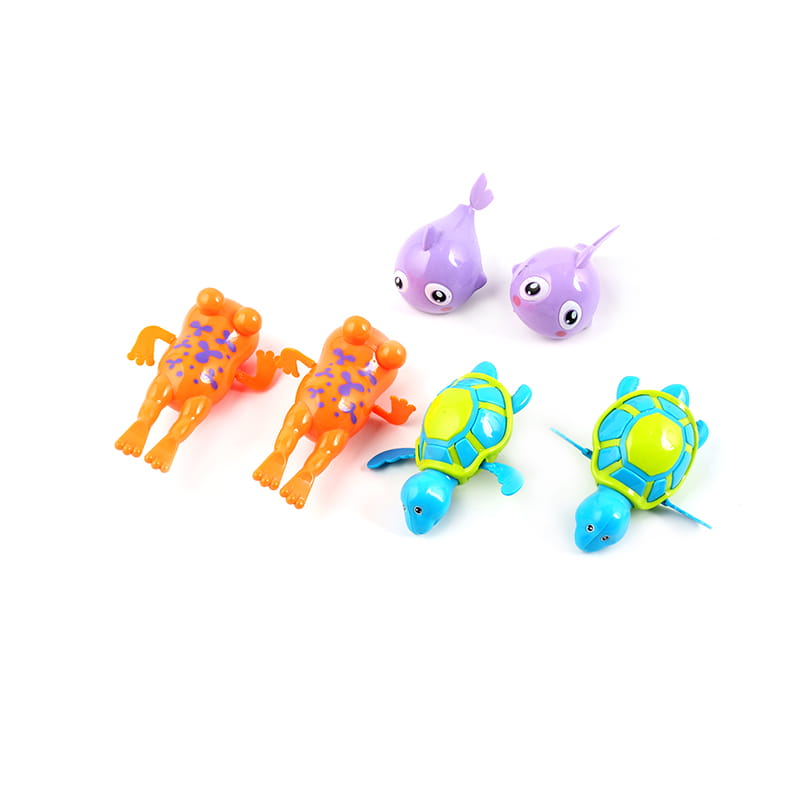
The Uplink Animal Toy is a soothing toy set designed for baby showers. The set contains brightly colored and simply designed plastic toys such as an o...
View More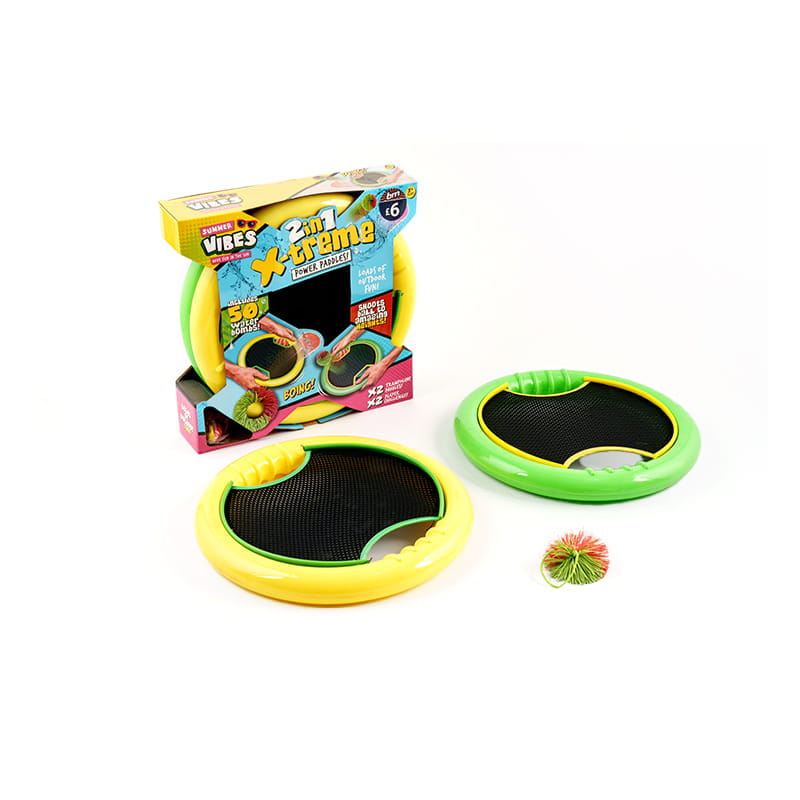
Clap Circle is a fun toy designed for children, containing 2 clappers and 1 colorful ball. This toy can be played alone to work on hand-eye coordinati...
View More
Copyright © Yuyao Leda Crafts Co., Ltd. All Rights
Reserved.

Children's Toys Factory
Children's Toys Manufacturer


