

 English
 English
 中文简体
中文简体- Type:
- Industry News
- Date
- 2026-Feb-06
Industry News
Home / News / Industry News / How to Maintain the Roundness and Smoothness of Children's Plastic Hula Hoops?
Content
To ensure that Children's Plastic Hula Hoops maintain a perfect circular shape and smooth feel during use, comprehensive management is required across multiple dimensions, including production processes, daily use, and storage and maintenance. Here are the detailed maintenance methods:
1. Strict Size and Roundness Inspection
During the production phase, Yuyao Leda Craft Co., Ltd. must strictly adhere to GB/T 3177 and GB/T 1958 standards, conducting precise measurements of the hula hoop's outer diameter, flatness, and roundness. Professional measuring tools are used to ensure that the overall roundness deviation of the hula hoop is controlled within a strict range (e.g., no more than 25mm), guaranteeing that every Children's Plastic Hula Hoop leaves the factory with a perfect circular shape.
2. Precise Splicing Process
High-quality connecting segments are used to ensure that the misalignment at the splicing points is accurate to within 0.5mm. The pull-out force of each splicing joint must reach at least 20N to prevent deformation caused by loosening or misalignment during use.
3. Professional Surface Treatment
Through injection molding or subsequent surface polishing, defects such as burrs, flashing, and blistering are removed. This ensures that the surfaces that come into contact with the body are smooth and free of sharp edges, with uniform color, preventing friction damage caused by rough surfaces.
1. Avoid External Impact and Drops
When using the Children's Plastic Hula Hoop, avoid violent collisions or impacts with hard objects. Avoid dropping it from a height onto concrete or other hard surfaces to prevent small cracks or structural deformation caused by impact.
2. Moderate Hooping Time
It is recommended that the continuous hooping time should not exceed 30 minutes each time, and the direction of rotation should be alternated. Prolonged use in a single direction may lead to uneven stress on the hula hoop, affecting its roundness.
3. Avoid Wearing Sharp Objects
Before use, ensure that there are no hard objects such as coins or keys around the waist to prevent uneven tension and wear on the hula hoop during rotation, which could lead to local deformation or surface damage.
1. Gentle Cleaning Methods
Clean the hula hoop promptly after use to prevent dirt and dust accumulation. Use warm water and a mild detergent to gently wipe it clean. Avoid using metal brushes or cleaning agents containing abrasive particles, as these may scratch the smooth surface.
2. Preventing Chemical Corrosion
Avoid exposing the Children's Plastic Hula Hoop to strong acids, strong bases, or other corrosive chemicals. These substances can corrode the plastic surface, making it rough or causing chemical degradation, leading to a loss of shine.
3. Sun Protection and Anti-Aging
Prolonged exposure to strong sunlight can accelerate the aging of the plastic, making the surface brittle, dull, or even cracked. Therefore, avoid prolonged direct sunlight exposure and store it in a cool, dry place after use.
1. Horizontal Storage and Pressure Prevention
When not in use, store the Children's Plastic Hula Hoop horizontally, avoiding stacking heavy objects on top or placing it in high places where it could easily fall, to prevent permanent deformation due to uneven pressure.
2. Moisture-Proof and Dust-Proof Packaging
Use waterproof and dustproof packaging materials for storage to prevent moisture from entering and causing mold or discoloration of the plastic. Also, avoid storing it with sharp objects to prevent accidental cuts or punctures.
3. Regular Inspection
Regularly inspect the joints and surface of the hula hoop. If you find any noticeable burrs, sharp edges, or cracks, address or replace the affected parts promptly to prevent minor issues from leading to significant circular distortion or surface damage.
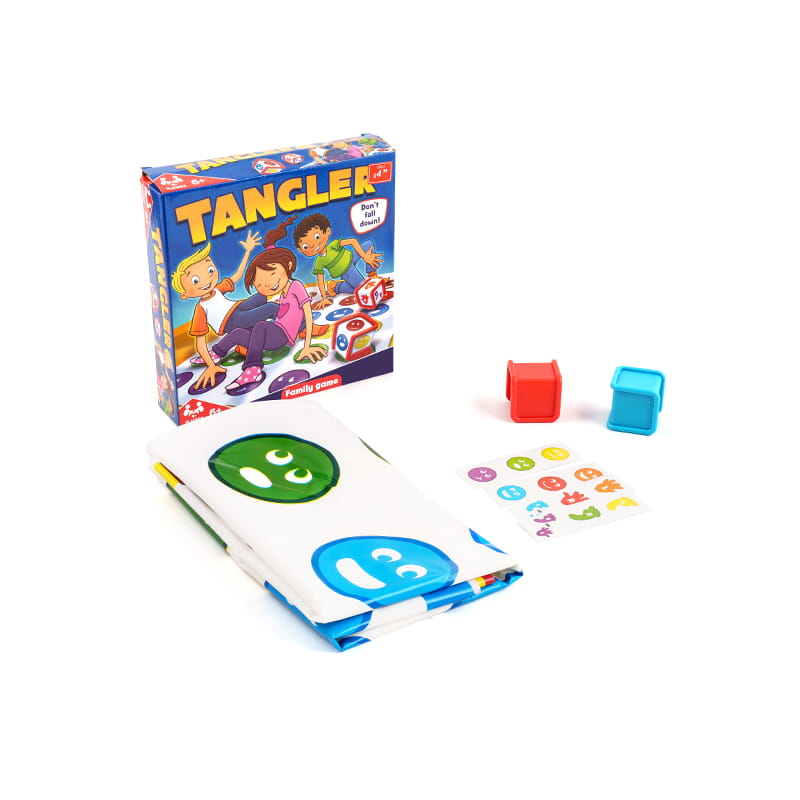
TANGLER is a fun and challenging board game that requires players to use their hands and feet to meet conditions. During the game, players need to mov...
View More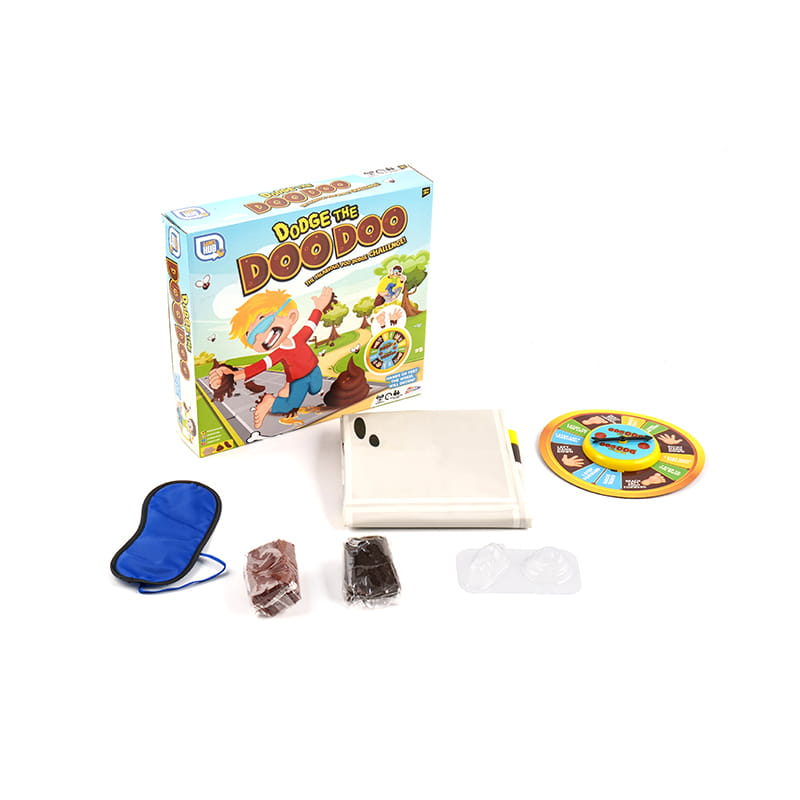
Dodge The Doggy Doo is a fun and challenging game for kids. Children need to put on a blue blindfold and walk blindfolded to complete the tasks on the...
View More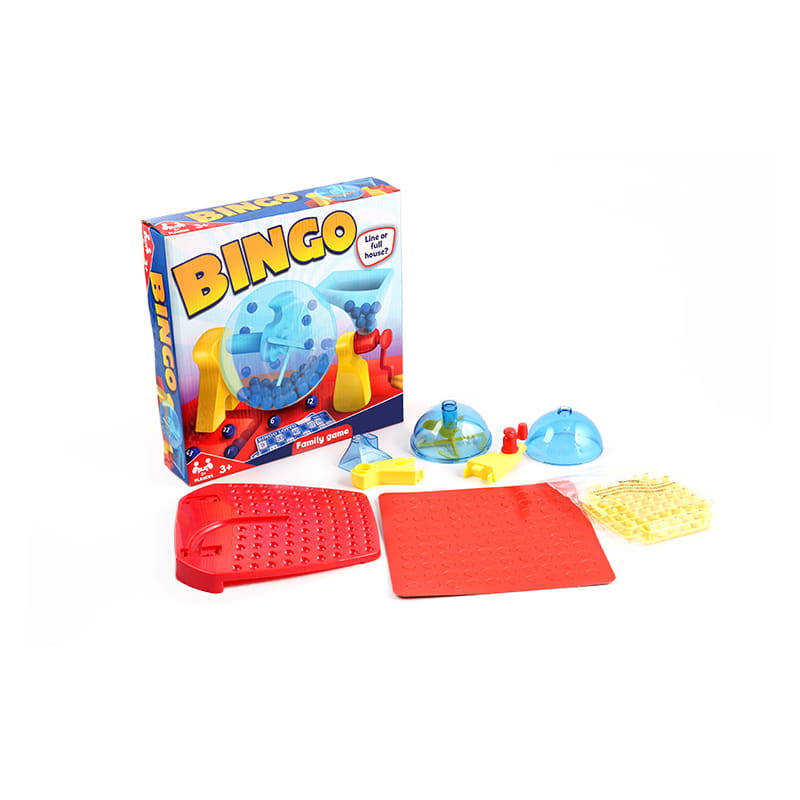
Bingo Game is an entertaining game full of fun and surprises. It contains a beautiful shaker with a sleek design and bright colors that will catch eve...
View More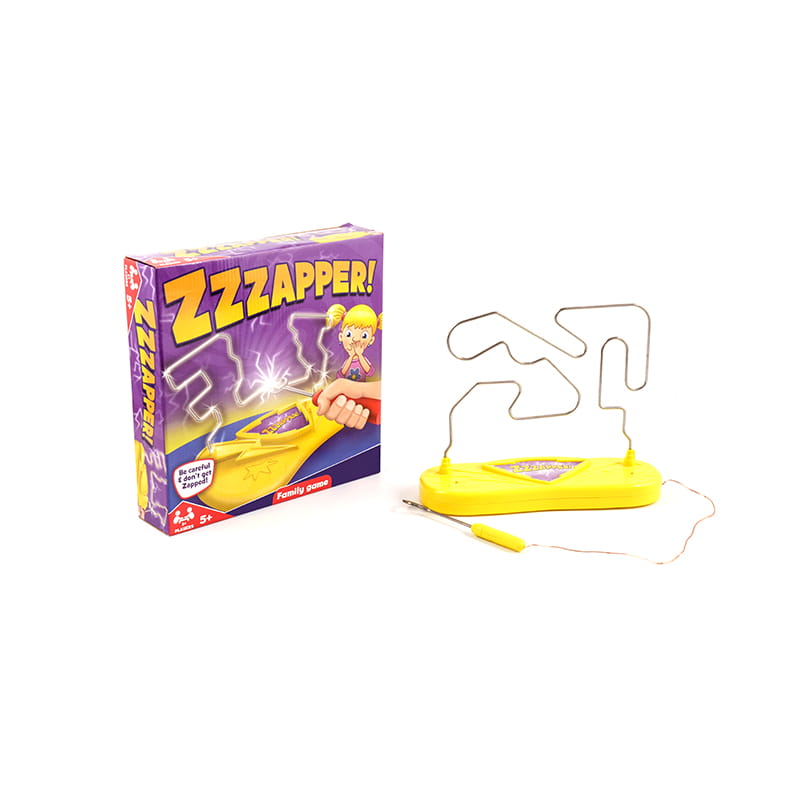
Beware of Electrocution Game is a unique family game designed to test players' concentration and balance. The game consists of a purple game box and a...
View More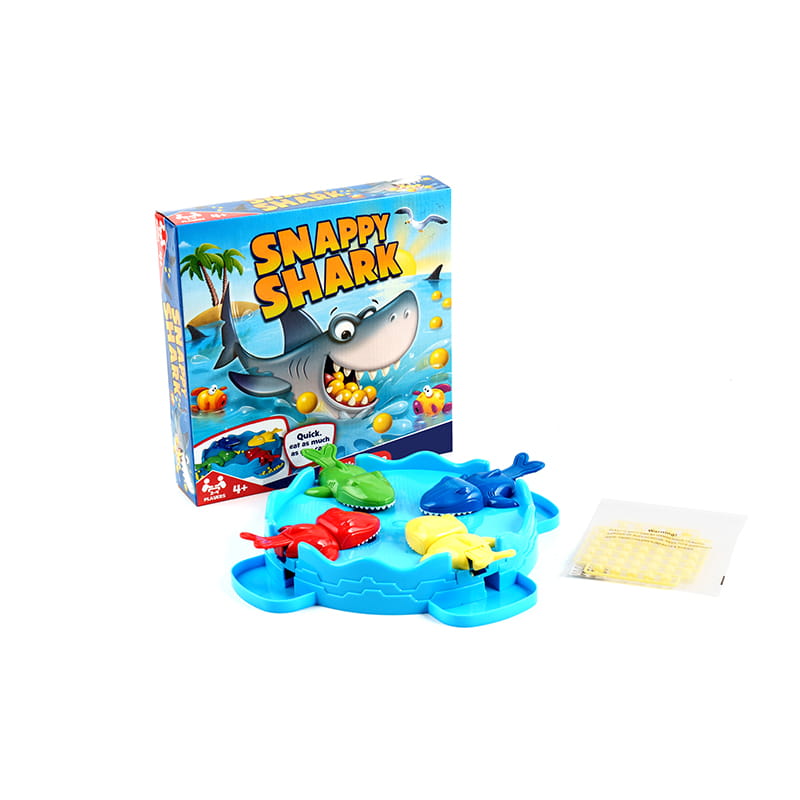
Shark Eat Beads is a four-player interactive game with a “Snappy Shark” theme, where players need to quickly maneuver their sharks to eat as many ...
View More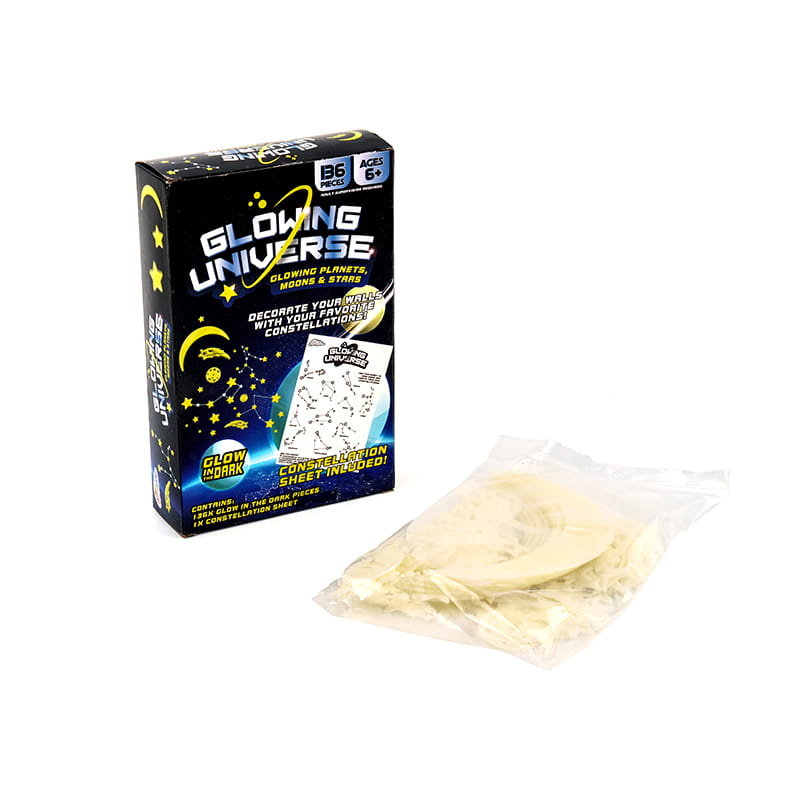
Luminous Starry Night Patch is a creative decoration. It contains a variety of cosmic elements, such as planets and stars, etc. It is made of special ...
View More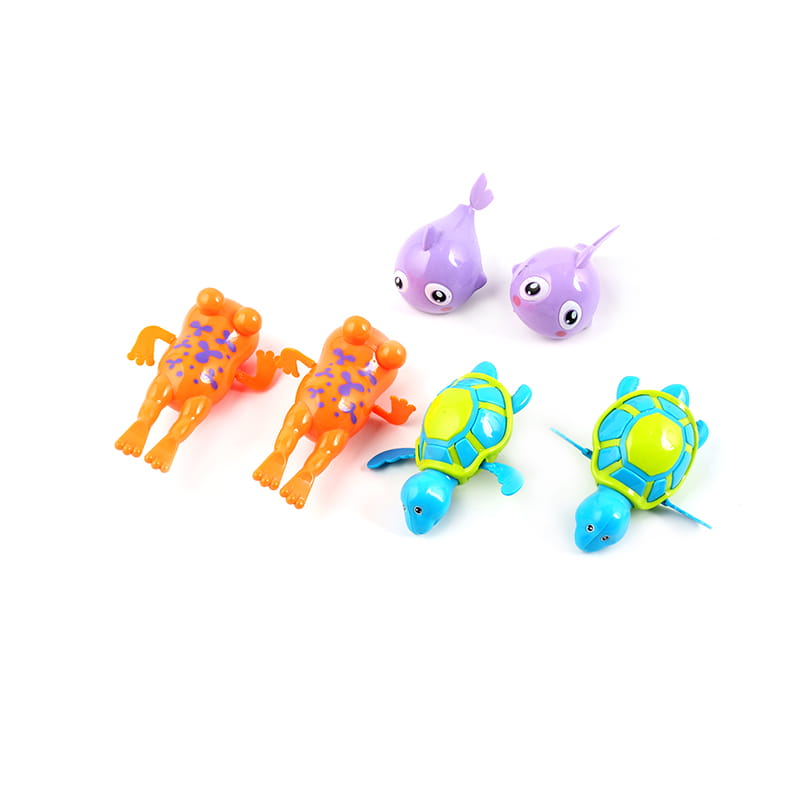
The Uplink Animal Toy is a soothing toy set designed for baby showers. The set contains brightly colored and simply designed plastic toys such as an o...
View More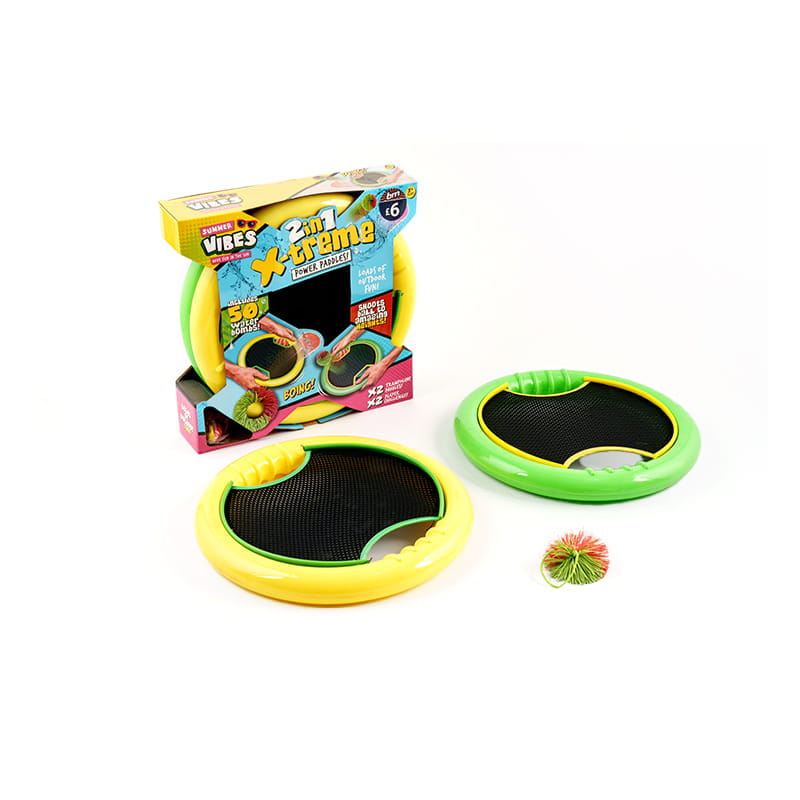
Clap Circle is a fun toy designed for children, containing 2 clappers and 1 colorful ball. This toy can be played alone to work on hand-eye coordinati...
View More
Copyright © Yuyao Leda Crafts Co., Ltd. All Rights
Reserved.

Children's Toys Factory
Children's Toys Manufacturer


