

 English
 English
 中文简体
- Type:
- Industry News
- Date
- 2026-Oct-26
Industry News
Stress Relief Toys Manufacturer: Types, Materials and Sourcing Guide
Content
- 1 Stress Relief Toys That Sell Well Share Four Traits: Safe Materials, Pleasant Touch, Steady Quality, and Flexible Customization
- 2 Why Demand for Stress Relief Toys Keeps Spreading Across Age Groups
- 3 What Buyers Rank First When Sourcing Stress Relief Toys
- 4 Main Types of Stress Relief Toys and How They Differ in Use
- 5 Seasonal Demand Patterns Worth Planning Around
- 6 Materials and Safety Checks for Bulk Stress Relief Toys
- 7 What a Balanced Assortment Looks Like in a Mixed Order
- 8 Comparing Squishy, Fidget, and DIY Stress Relief Toys on Five Qualities
- 9 Custom Stress Relief Toys: What Can Be Adjusted for Your Brand
- 10 How to Choose a Stress Relief Toys Manufacturer and Supplier
- 11 A Practical Order Workflow from Sample to Shipment
- 12 Selling Stress Relief Toys: Display, Bundling, and Product Pages
- 13 About Yuyao Leda Craft Co., Ltd.
- 14 Stress Relief Toys FAQ
- 14.1 Q1: What should I check first when sourcing stress relief toys?
- 14.2 Q2: Can I order a mix of different stress relief toys in one shipment?
- 14.3 Q3: Is custom packaging available for private brand projects?
- 14.4 Q4: How do I reduce the chance of color differences between samples and bulk goods?
- 14.5 Q5: Which product types suit school and classroom buyers?
- 14.6 Q6: When should I begin planning for the year-end selling season?
- 14.7 Q7: What information helps a supplier recommend the right products?
If you are choosing stress relief toys for retail shelves, promotional kits, school programs, or online stores, the short answer is this: pick products with skin-friendly materials, a texture people want to keep touching, consistent production quality, and packaging that fits your channel. Everything else, from color palettes to display boxes, is built on those four points. Buyers who start from this checklist usually spend less time on sample revisions and more time on selling.
A typical sourcing conversation goes like this. A buyer receives a sample of a squishy toy that feels great on day one, then notices after a week of handling that the surface has become sticky or the shape no longer rebounds. That single experience explains why a reliable stress relief toys manufacturer matters more than a catalog full of attractive photos. In this guide we walk through what to look for, how categories compare, how to plan an order, and what to ask a stress relief toys supplier before you commit.
The article is written for importers, retailers, school suppliers, gift companies, and brand owners who want practical answers. You will find four visual charts, a few comparison tables, checklists you can copy into your own purchasing documents, and a short FAQ at the end.
Key takeaway: judge stress relief toys by material safety, touch quality, batch consistency, and packaging fit before you look at anything else.
Why Demand for Stress Relief Toys Keeps Spreading Across Age Groups
Stress relief toys used to sit in a small corner of the toy aisle, mostly aimed at children who needed something to hold in the classroom. Today the same product family appears on office desks, in study rooms, in waiting areas, and inside subscription gift boxes. The reason is simple: people spend long hours on screens, and small tactile objects give the hands something calming to do while the mind stays on the task.
Who actually buys them
When we look at the inquiries a toy exporter handles, the buyer groups tend to fall into a few clear patterns. Each group asks different questions, so a good supplier adjusts the conversation instead of sending the same catalog to everyone.
- Toy and gift retailers who want a mixed assortment that looks good on a shelf and photographs well online.
- School and education suppliers who need quiet, washable, easy to store items for classroom calm corners.
- Corporate gift and promotional buyers who want a logo-ready item that people will keep on a desk.
- Online sellers who value compact packaging, low breakage, and variety they can rotate by season.
- Wellness and therapy product distributors who need items that suit repeated, gentle hand movement.
What changed in buyer expectations
Five years ago many buyers asked mainly about appearance and unit count. Now questions about material declarations, test reports, odor, surface feel after repeated use, and packaging that survives long shipping routes come up in the first email. That shift is good news for serious factories, because it rewards production discipline rather than short-term styling tricks.
There is also a quieter trend: buyers want products that look intentional. Muted pastel colors, clean shapes, and simple printed cards sell better in many markets than loud, crowded designs. This suits a manufacturer that designs its own molds and controls color matching in house.
Key takeaway: demand now comes from home, school, and office channels at the same time, so an assortment that works across all three is easier to sell.
What Buyers Rank First When Sourcing Stress Relief Toys
Before we compare product categories, it helps to see which factors matter most to the people placing orders. The chart below shows an illustrative priority score, based on the questions most often raised during sample approval and order planning conversations.
Material safety leads the list because stress relief toys are handled constantly, often by children, and often held close to the face or mouth area. A buyer who sees a clear material declaration and consistent test documentation can move to the next step with much more confidence. This is why a custom stress relief toys manufacturer that prepares documents in advance tends to move faster through approval.
Touch and rebound come second, and this is where samples quietly succeed or fail. A toy that recovers its shape slowly, or that feels too firm after a cold shipping container, will disappoint users even if it looks perfect in photos. Durability in use follows closely, since a product that tears or stains after a few days generates returns and poor reviews.
Packaging fit, custom options, and lead-time planning sit lower on the chart, but they decide whether a good product becomes a good program. A wholesaler who needs hang-tag cards, color-coded cartons, or a store-ready display will often choose the factory that handles these details internally. For brand owners, flexible printing and mold adjustment can matter more than a slightly different material formula.
Key takeaway: put safety documents and touch quality at the top of your evaluation sheet, then check packaging and customization.
Main Types of Stress Relief Toys and How They Differ in Use
Not every stress relief toy suits every buyer, so it helps to separate the main families by how people use them. The table below gives a quick view, followed by notes on the details that affect sourcing decisions.
| Family | Typical Use | Main Strength | Watch Point |
|---|---|---|---|
| Squishy and soft squeeze toys | Desk, bedroom, gift sets | Slow rebound and gentle feel | Surface stickiness over time |
| Fidget and pop style toys | School, travel, office | Compact and easy to carry | Click sound and part fit |
| DIY stress relief toys | Craft time, parties, classes | Longer play value | Clear instructions needed |
| Putty, dough, and stretch toys | Home, therapy, desk | Open-ended hand play | Storage container quality |
| Interactive mini games | Family time, breaks | Shared activity | Rule card clarity |
Squishy stress relief toys
Squishy designs remain the most recognizable type. The key is the balance between softness and recovery: too soft and the toy collapses, too firm and it loses its calming feel. Good factories test samples after repeated squeezing and after several days in storage to see how the surface behaves.
Fidget and pop style products
These products suit people who prefer a repeated, rhythmic motion over a squeeze. They pack flat, ship efficiently, and fit neatly in a pencil case or pocket. Part fit matters, since loose pieces or uneven pressing can make the toy feel cheap even when the design is attractive.
DIY stress relief toys
DIY kits turn stress relief into a short creative activity. Children and adults both enjoy finishing something with their own hands, and kits make strong gift items because the box itself tells a story. For these products, clear instruction cards and well-organized inner packaging often matter as much as the toy.
Key takeaway: choose a mix of squeeze, fidget, and DIY items so one order covers several customer moods and use cases.
Seasonal Demand Patterns Worth Planning Around
Stress relief toys do not sell in a flat line through the year. The chart below shows an illustrative monthly inquiry index that reflects common patterns: steady interest in spring, a rise before summer and back-to-school, and a larger peak ahead of the year-end gifting period.
The line rises gently from January to June, which matches the period when retailers prepare summer assortments and school suppliers plan activity kits. A small dip appears in the late summer months before inquiries climb again toward the year-end gifting season. For a buyer, this means the best time to start sample approval is usually well before the peak, so production and shipping do not collide with holiday congestion.
A factory that makes stress relief toys, DIY toys, and outdoor summer interactive games under one roof can help balance these cycles. Summer outdoor items and indoor calming products share design, mold, and packaging resources, which gives the production team more flexibility across the year. Buyers who place an early mixed order often find it easier to reserve slots and keep quality checks unhurried.
Planning backward from your sales date is the practical way to use this chart. Allow time for sample confirmation, color approval, packaging artwork, production, inspection, and sea or air transport. Writing these steps into a shared calendar with your supplier reduces last-minute changes.
Key takeaway: start sampling several months before your peak selling period so production and shipping have room to breathe.
Materials and Safety Checks for Bulk Stress Relief Toys
Material choice shapes everything a user feels, from softness to smell to how long the product stays presentable. For any wholesale stress relief toys program, ask for a clear material description and confirm that the finished product matches the sample you approved.
Common materials and what they feel like
- Soft polyurethane foam: slow rebound, light weight, suited to squishy shapes.
- Thermoplastic rubber: stretchy, easy to clean, good for textured and sensory designs.
- Silicone: smooth surface, stable in many temperatures, suited to pop and press designs.
- Mixed paper and plastic components: common in DIY kits and board game style items.
Checks to request before approving an order
- Material declaration for each product and each color group.
- Test documentation that matches the destination market, for example European or United States toy standards.
- Odor and surface feel review after the toy has been stored for several days.
- Small part and seam inspection for items aimed at younger users.
- Age grading and warning text on packaging that match the product design.
Surface treatment deserves its own attention. Some soft materials develop a slightly tacky feel when exposed to warmth or humidity, so storage tests and carton liners are worth discussing early. A supplier with experience exporting to Europe and the United States will usually already have routines for this.
Key takeaway: match material, documentation, and packaging text to your destination market before mass production begins.
What a Balanced Assortment Looks Like in a Mixed Order
Buyers often ask how to divide a first order across categories without overloading one style. The column chart below shows an illustrative split for a mixed assortment aimed at retail and online channels.
In this example, squishy toys and fidget items take just over half of the order because they are easy to understand at a glance. DIY kits and putty-style products fill the middle, adding variety and longer play value. Mini games take a smaller share but give the assortment a social side that works well for family and classroom buyers.
A mixed split like this reduces dependence on one trend. If a particular shape slows down, other categories still keep the display active. It also gives your team more content for product photos, bundles, and seasonal sets.
The best split depends on your channel, of course. Online sellers may lean toward compact fidget items that ship cheaply in small cartons, while school suppliers may prefer a larger share of DIY and putty items. Share your sales channel with the supplier early, and a good stress relief toys wholesaler or factory will help adjust the mix.
Key takeaway: start with a balanced mix, then shift quantities toward the categories your own sales data supports.
Comparing Squishy, Fidget, and DIY Stress Relief Toys on Five Qualities
Different product families are strong in different places, and a single score rarely tells the whole story. The radar chart below compares three families on touch, portability, durability, customization, and packaging, using an illustrative score out of ten.
Squishy toys score highest on touch because slow rebound and soft texture are the core of their appeal. Fidget and pop products lead on portability and hold up well in daily handling, which explains their popularity in school bags and office drawers. DIY kits earn their strength from customization and packaging, since the box, instruction card, and component layout all shape the user experience.
None of the three shapes dominates every axis, and that is useful information for planning. A retailer who wants a strong first impression may place squishy items at eye level and keep fidget products near the register. A gift company may build sets around a DIY kit and add a squeeze toy as a bonus item.
When you talk to a stress relief toys supplier, ask which axis they can improve for your project. Many factories can adjust softness, color, printing, or box structure without changing the whole design. That kind of targeted adjustment keeps development time reasonable.
Key takeaway: use the weak axis of each family as a conversation topic with your supplier and ask what design changes are possible.
Custom Stress Relief Toys: What Can Be Adjusted for Your Brand
Brand owners and promotional buyers rarely want a plain catalog item. They want a shape, color, or box that feels like theirs, and that is where a design-led stress relief toys factory becomes useful. Customization can be small or large, so it helps to separate the options.
Light customization
Light changes include color matching, logo printing, hang-tag design, and carton marking. These usually require less development time and suit buyers who want to test a market before investing in new tooling. Color approval is worth taking seriously, because screen colors rarely match physical samples.
Deeper customization
Deeper changes include new shapes, new molds, texture changes, scent decisions, and multi-piece kit design. These require clear drawings or reference images, a sample round, and enough time for revision. A supplier with its own research and development team can often turn a rough idea into a testable sample faster than a pure trading company.
| Level | Example | Buyer Prepares | Typical Steps |
|---|---|---|---|
| Light | Logo and color change | Vector logo, color references | Artwork check, sample, approval |
| Medium | Custom box and insert | Box size, text, barcode data | Dieline, print proof, test pack |
| Deep | New shape or kit design | Sketches, size, target age | Concept, mold plan, samples, revision |
The more clearly you describe the user, the sales channel, and the target market, the easier it is for the factory to propose practical options. A short design brief of one page is often enough to get started.
Key takeaway: send a one-page brief with your user, channel, and market so the factory can suggest realistic customization steps.
How to Choose a Stress Relief Toys Manufacturer and Supplier
Searching for a stress relief toys manufacturer brings up many listings, and they can look very similar on the surface. The differences show up in how they handle samples, how they answer technical questions, and how clearly they describe their production process. The checklist below turns those differences into questions you can ask.
Questions to ask before placing an order
- Does the company design and develop its own products, or does it mainly resell?
- Can it show experience exporting to Europe and the United States?
- How does it handle sample approval, and how are approved samples kept as references?
- What inspection steps happen before cartons are closed?
- How does it organize packaging, labeling, and shipping documents?
- Can it support a mixed order across several product families?
Signs of a dependable working relationship
Look for replies that answer the question you asked, not a generic reply. Look for samples that arrive with clear labels, and for production updates that include photos. A supplier that raises potential problems early, such as a color that may shift or a box that may crush in transit, is usually protecting your project.
Location and supply chain matter as well. A factory near a major port with access to nearby material, printing, and packaging suppliers can coordinate changes faster and move cartons to loading dates with fewer delays. For buyers managing tight seasonal windows, this practical advantage is easy to underestimate.
Key takeaway: favor suppliers who design their own products, explain their process clearly, and raise issues before they become problems.
A Practical Order Workflow from Sample to Shipment
A clear workflow saves time for both sides, especially on first orders. The steps below reflect how many export projects move from first inquiry to loaded containers, with the points where buyers can add the most value.
- Share your channel, target market, age range, and product direction.
- Receive recommended items and review material and test documentation.
- Approve physical samples, including color, touch, and packaging.
- Confirm artwork, labels, barcodes, and carton marks in writing.
- Follow production with photo updates and an agreed inspection plan.
- Review final inspection results, then arrange shipping and documents.
Where delays usually start
Most schedule problems begin at the artwork and sample stages. Late logo files, unclear barcode formats, or repeated color changes can slow a project more than any production issue. Keeping one person responsible for approvals on each side makes a large difference.
Shipping choices also deserve early discussion. Soft toys can be compressed in cartons, but the pressure should be tested so products return to shape on arrival. Carton strength, inner bags, and stacking plans all affect how products look when your warehouse opens the boxes.
Key takeaway: finish artwork, barcodes, and sample approvals early, since these steps cause most of the avoidable delays.
Selling Stress Relief Toys: Display, Bundling, and Product Pages
Even a well-made toy needs good presentation. Because people want to know how a stress relief toy feels before they buy, your shelf or product page has to communicate touch without letting people handle it.
In physical stores
Open sample units, or a clear window in the packaging, encourage customers to try the product. Group items by feeling, such as soft, clicky, or stretchy, instead of by character theme. This helps shoppers find what suits them and reduces the effort of browsing.
On online product pages
Use short videos that show the squeeze and rebound, and photos that show size next to a hand. Describe the use scene in plain words: desk, study table, travel bag, or classroom corner. Clear material and age information builds trust and reduces questions.
Bundles that work well
- A desk calm set that combines one squeeze toy and one fidget item.
- A classroom pack with several small items in matching colors.
- A DIY gift box that includes a finished sample card for inspiration.
- A seasonal mix with colors that follow the calendar.
Key takeaway: help customers imagine the touch through open samples, short videos, and groupings based on how each toy feels.
About Yuyao Leda Craft Co., Ltd.
Yuyao Leda Craft Co., Ltd. was established in 2011 and is located by the beautiful and fertile Hangzhou Bay, adjacent to the Hushu Ningbo Cross-Sea Bridge. With convenient transportation, developed logistics, and a complete industrial supply chain, it is an integrated manufacturing and trading enterprise that combines design, research and development, production, and sales. The company is dedicated to developing products such as children's hula hoops, stress relief toys, DIY toys, board games, and outdoor interactive games for summer.
The company adheres to the business philosophy of "Customer First, Diligent Progress" and insists on the principle of "Customer First" to provide high-quality services to a wide range of customers. Since its establishment, the company's products have been continuously exported to international markets, including Europe and the United States, and have been well received by numerous customers. The company is continually growing and expanding. We welcome more friends to visit and establish long-term cooperative relationships.
Key takeaway: an integrated design, production, and trading team can support buyers from the first sketch to the final shipment.
Stress Relief Toys FAQ
Q1: What should I check first when sourcing stress relief toys?
Start with material information and test documentation for your destination market, then review the touch, rebound, and surface feel of physical samples. After that, confirm packaging, labeling, and the production schedule.
Q2: Can I order a mix of different stress relief toys in one shipment?
Yes, mixed orders are common. A factory that develops several product families can combine squeeze toys, fidget items, and DIY kits, which helps with variety and shipping efficiency.
Q3: Is custom packaging available for private brand projects?
Custom packaging is usually possible, including hang tags, color boxes, and carton marks. Share your size, text, and barcode information, and the team can prepare a proof for review.
Q4: How do I reduce the chance of color differences between samples and bulk goods?
Approve a physical color reference, keep a sealed sample on both sides, and agree on a tolerance before production. Photos taken under the same light also help during inspection.
Q5: Which product types suit school and classroom buyers?
Quiet, easy to clean items such as soft squeeze toys, simple fidget pieces, and putty style products are common choices. Compact sets in matching colors are easy to store and hand out.
Q6: When should I begin planning for the year-end selling season?
Many buyers begin sample discussions several months ahead. This leaves room for artwork, production, inspection, and shipping without rushing key approvals.
Q7: What information helps a supplier recommend the right products?
Describe your sales channel, target age group, destination market, preferred style, and any packaging needs. A short brief of one page is usually enough to start a useful conversation.
Related Products
-
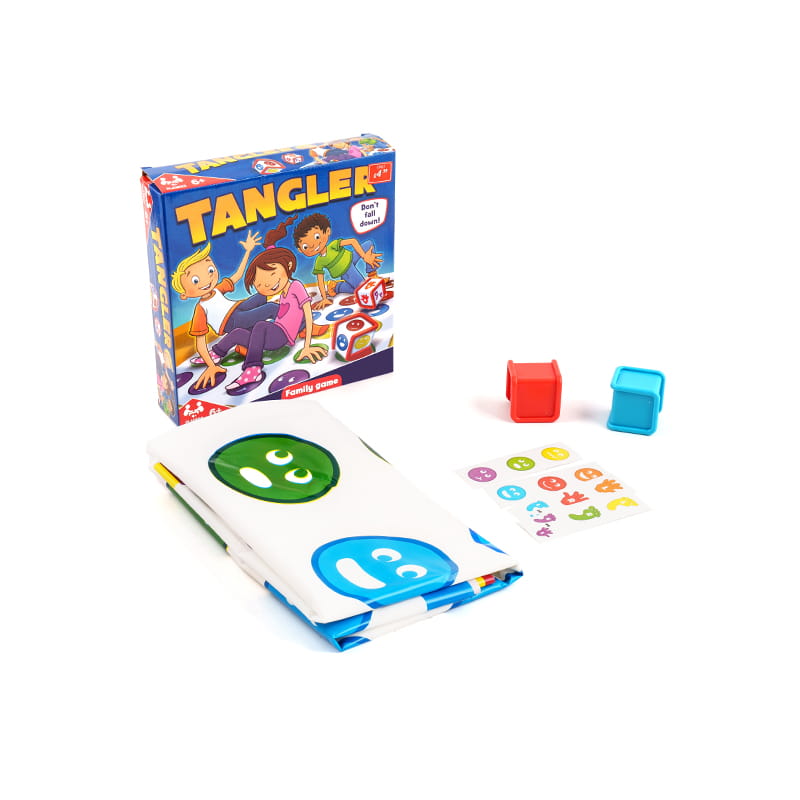
Plastic Tangler Game Set
TANGLER is a fun and challenging board game that requires players to use their hands and feet to meet conditions. During the game, players need to mov...
View More -
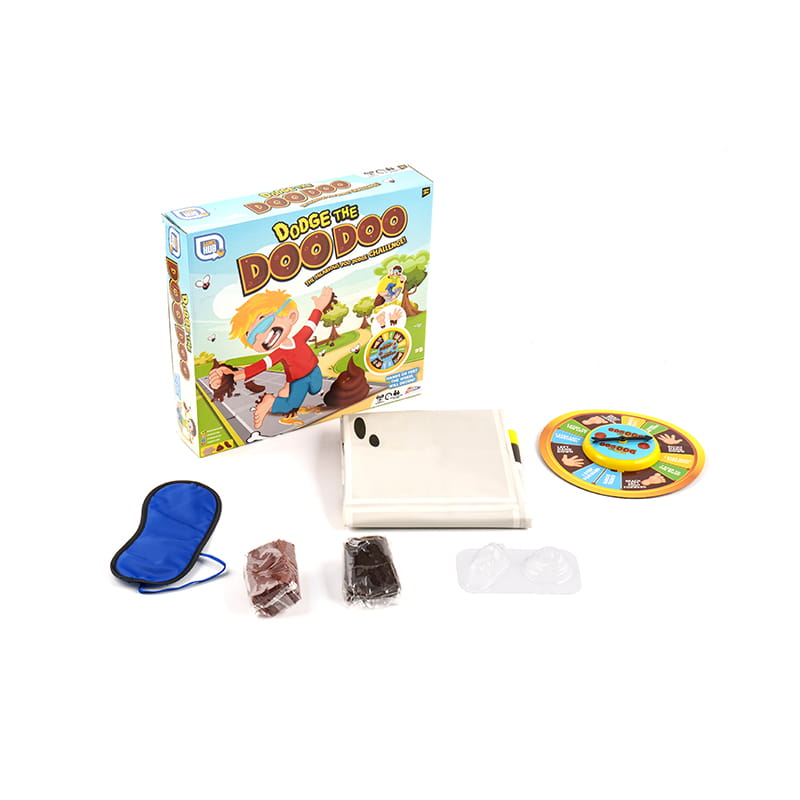
Dodge The Doggy Doo Game Set
Dodge The Doggy Doo is a fun and challenging game for kids. Children need to put on a blue blindfold and walk blindfolded to complete the tasks on the...
View More -
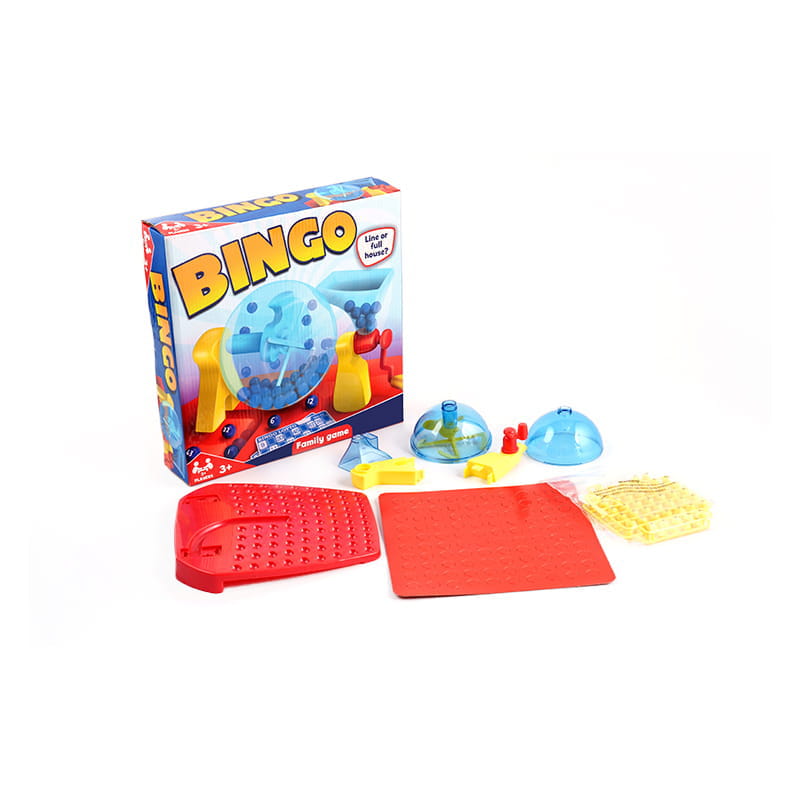
Plastic Bingo Game Set
Bingo Game is an entertaining game full of fun and surprises. It contains a beautiful shaker with a sleek design and bright colors that will catch eve...
View More -
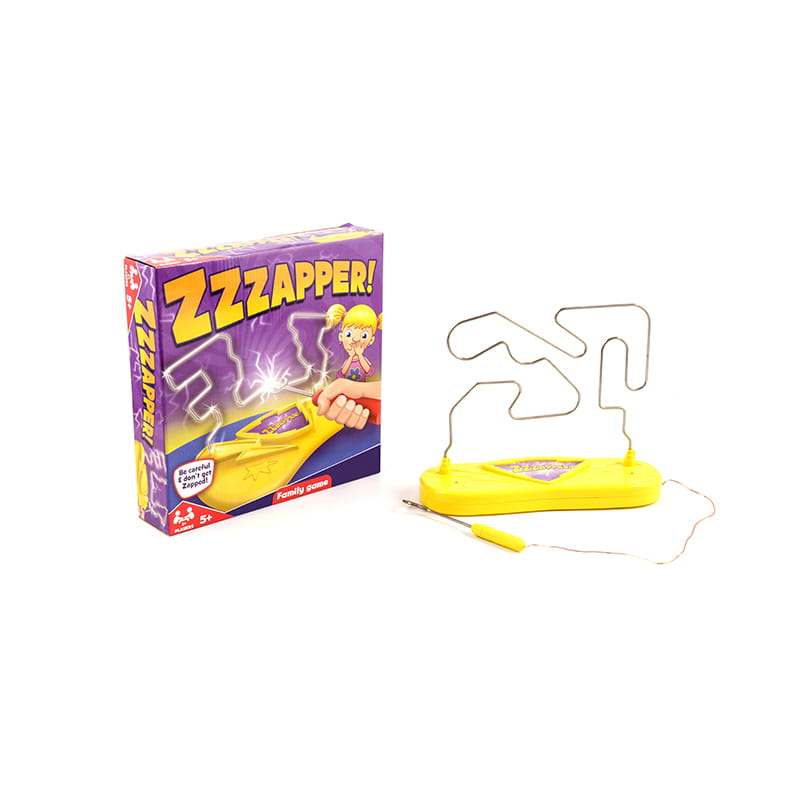
Plastic Beware Of Electrocution Game Toy
Beware of Electrocution Game is a unique family game designed to test players' concentration and balance. The game consists of a purple game box and a...
View More -
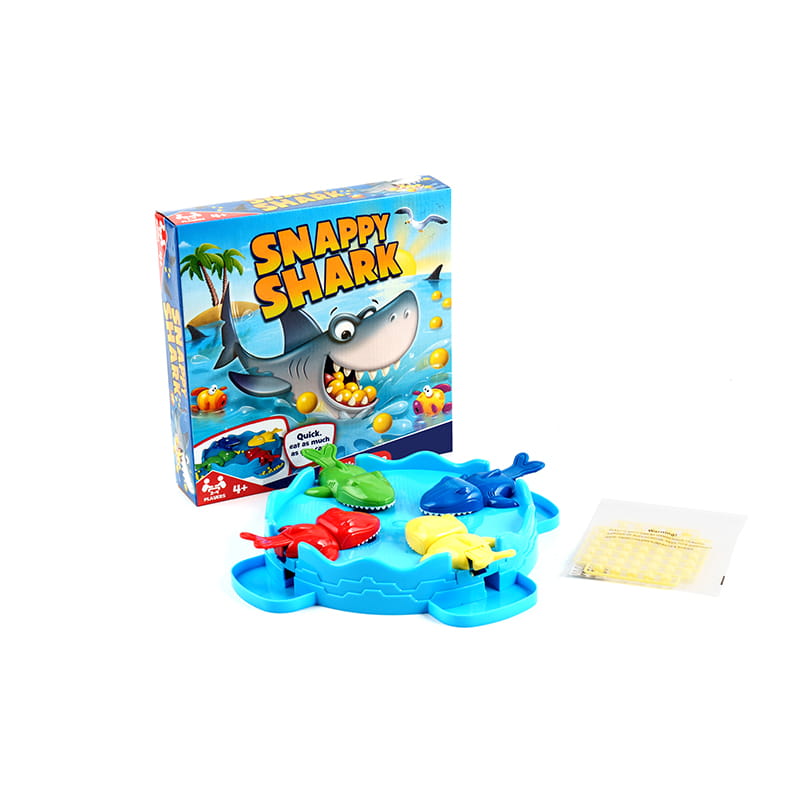
Plastic Shark Eat Beads Game Toy
Shark Eat Beads is a four-player interactive game with a “Snappy Shark” theme, where players need to quickly maneuver their sharks to eat as many ...
View More -
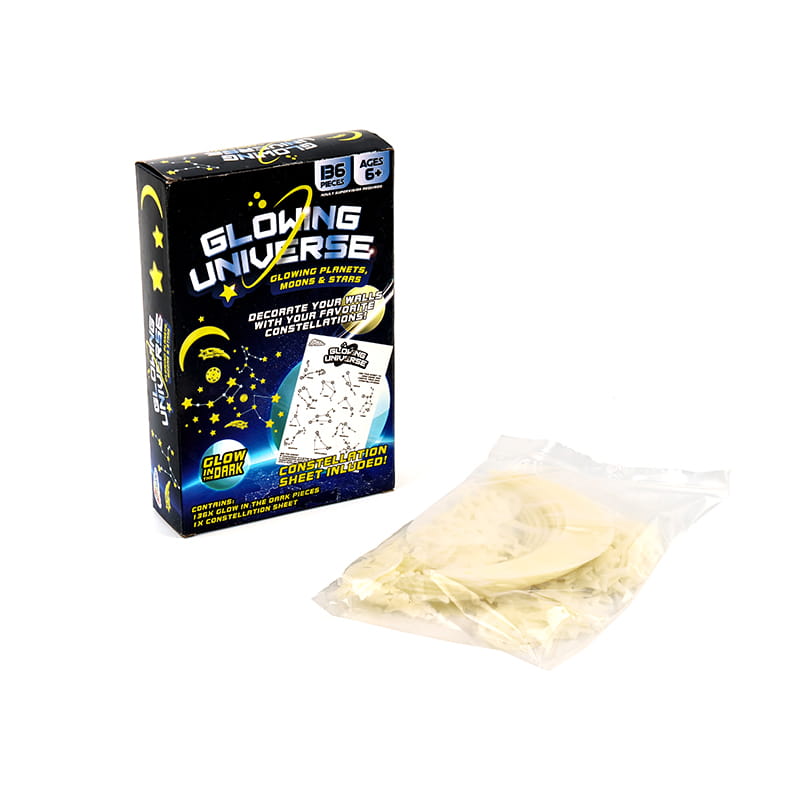
Luminous Star Patch
Luminous Starry Night Patch is a creative decoration. It contains a variety of cosmic elements, such as planets and stars, etc. It is made of special ...
View More -
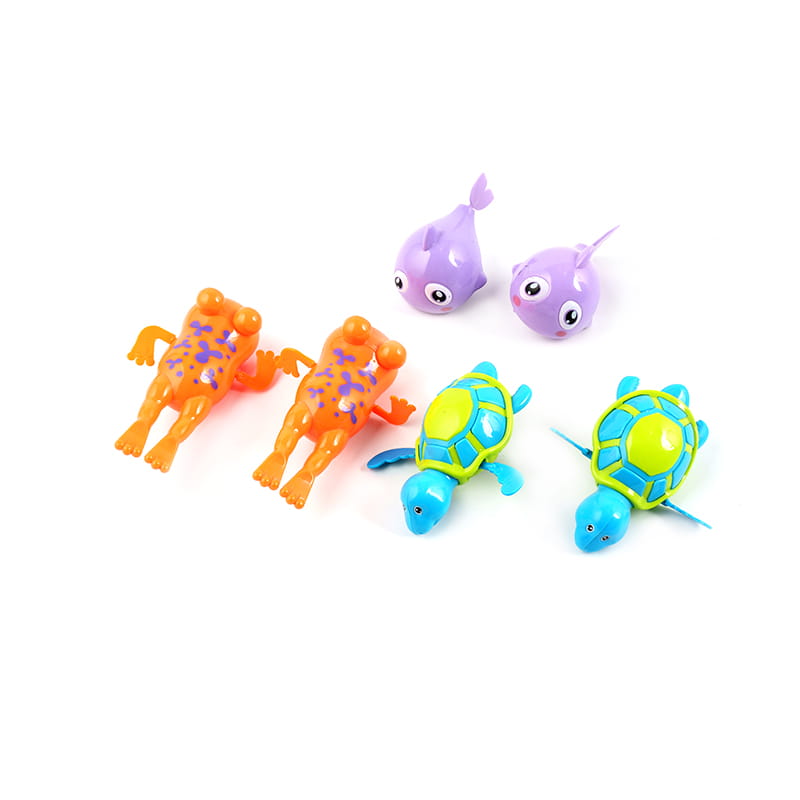
Plastic Uplink Animal Toy
The Uplink Animal Toy is a soothing toy set designed for baby showers. The set contains brightly colored and simply designed plastic toys such as an o...
View More -
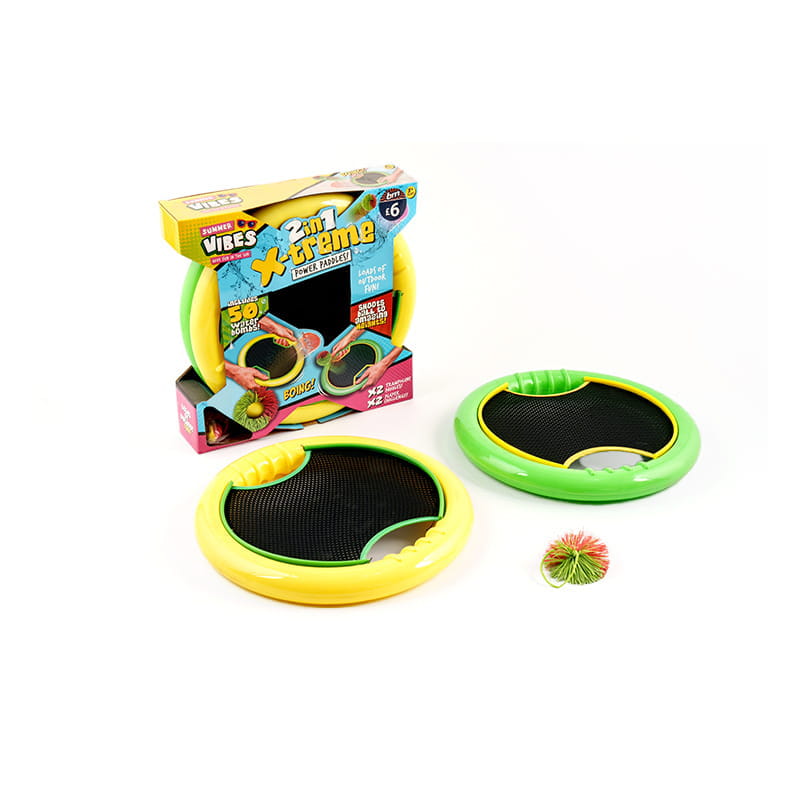
Beat About The Bush Toy Set
Clap Circle is a fun toy designed for children, containing 2 clappers and 1 colorful ball. This toy can be played alone to work on hand-eye coordinati...
View More

Copyright © Yuyao Leda Crafts Co., Ltd. All Rights
Reserved.

Children's Toys Factory
Children's Toys Manufacturer
Information
-
 Phone: +86-13056880051
-
 fax: +86-574-62750718
-
 E-mail:[email protected]
-
 Add:Zhushan Village, Lizhou Street, Yuyao City, Ningbo, Zhejiang Province, China
Toys
Links
Contact Us