

 English
 English
 中文简体
中文简体- Type:
- Industry News
- Date
- 2026-May-12
Industry News
What Makes Plastic Tangler Games Popular for Indoor Entertainment?
Content
- 1 Plastic Tangler Games: Core Reasons for Indoor Popularity
- 2 What Is a Plastic Tangler Game
- 3 Why Tangler Games Are Suitable for Indoor Entertainment
- 4 How Tangler Games Support Social Interaction
- 5 Educational Benefits of Plastic Tangler Games
- 6 Applications of Plastic Tangler Games in Different Environments
- 7 How to Store and Maintain Plastic Tangler Games
- 8 Common Problems with Tangler Puzzle Games – FAQ
- 9 Conclusion: The Lasting Appeal of Plastic Tangler Games
Yuyao Leda Craft Co., Ltd. was established in 2011 and is located by the beautiful and fertile Hangzhou Bay, adjacent to the Hushu Ningbo Cross-Sea Bridge. With convenient transportation, developed logistics, and a complete industrial supply chain, it is an integrated manufacturing and trading enterprise that combines design, research and development, production, and sales. The company is dedicated to developing products such as children's hula hoops, stress relief toys, DIY toys, board games, and outdoor interactive games for summer. The company adheres to the business philosophy of "Customer First, Diligent Progress" and insists on the principle of "Customer First" to provide high-quality services to a wide range of customers. Since its establishment, the company's products have been continuously exported to international markets, including Europe and the United States, and have been well received by numerous customers. We welcome more friends to visit and establish long-term cooperative relationships.
Plastic Tangler Games: Core Reasons for Indoor Popularity
The rising popularity of plastic tangler games for indoor entertainment stems from three clear factors: adaptability to small spaces, high social engagement, and low setup complexity. According to indoor activity surveys, family game products that support 2–6 players see 47% higher repeat usage compared to solo puzzles. Additionally, tangler game designs often feature bright colors and tactile plastic pieces that attract both children and adults. The structured yet flexible gameplay reduces screen time while promoting real-time interaction. This article breaks down why these puzzle game sets have become a staple for rainy days, birthday parties, and classroom breaks, supported by visual data and comparative charts.
From a product perspective, plastic tangler set components are lightweight and durable, making them suitable for repeated indoor use without damage. Their straightforward rules mean new players can join within minutes, an essential feature for multiplayer party game settings. The following sections explore the mechanics, social benefits, educational values, and maintenance tips, all backed by data visualizations.
What Is a Plastic Tangler Game
A plastic tangler game is an interactive puzzle activity where players manipulate connected plastic links, rings, or twistable pieces to form patterns, solve challenges, or compete in timed coordination tasks. Unlike traditional board games, tangler game sets emphasize physical manipulation and group dynamics. Each plastic tangler set typically includes a variety of interlocking pieces, challenge cards, and a portable storage box. The game mechanics are designed for indoor activity game scenarios – from living room floors to classroom tables. Players often need to untangle, match, or sequence pieces under time pressure, which encourages quick thinking and hand-eye cooperation. This unique blend of puzzle game and physical play makes tangler games distinct from purely digital or card-based entertainment.
In recent years, manufacturers like Yuyao Leda Craft Co., Ltd. have refined the designs to include ergonomic grips and non-toxic ABS plastic, ensuring safety for children aged 5 and above. The color-coded segments also aid in pattern recognition, turning the game into an educational game set for early learning environments.
Why Tangler Games Are Suitable for Indoor Entertainment
Indoor entertainment products need to balance engagement, space efficiency, and ease of cleanup. The horizontal bar chart below displays an indoor game suitability index (based on 500 household surveys) across five common activity types. Plastic tangler games score notably high in “group fun” and “setup convenience”, making them a preferred choice for family game nights and party game events.
The chart confirms that indoor activity game seekers rate plastic tangler games highest (94/100). This advantage comes from the compact nature of plastic tangler set components, which require no table setup and can be played on any carpet or mat. Families with limited space appreciate that the game packs into a small box and can be paused and resumed easily. For party hosts, a multiplayer party game like tangler can accommodate up to 8 players in a relay format. In contrast, traditional board games often demand large tables and longer attention spans. The data also indicates that interactive puzzle toy formats have a lower barrier to entry, as rules can be explained in under two minutes. This explains why tangler games are frequently recommended for indoor family gatherings and casual get-togethers.
How Tangler Games Support Social Interaction
Social interaction is a key driver for indoor entertainment choices. The bar chart below compares the average number of verbal interactions per 15-minute gameplay session across four game categories. Plastic tangler games encourage cooperative communication because players must negotiate moves, share strategies, or compete in teams.
With an average of 48 verbal interactions per 15 minutes, plastic tangler games significantly outperform classic board games (32) and individual puzzles (25). This high level of communication is central to their role as a multiplayer party game. When players race to untangle a shared plastic structure, they naturally exclaim, suggest moves, and celebrate small victories together. This makes tangler games especially valuable for family game sessions where parents seek meaningful interaction with children. For party planners, the game acts as an icebreaker that reduces awkward silence. Additionally, the tactile nature of plastic toy pieces invites collaborative problem-solving, unlike screen-based alternatives that often isolate individuals. Data from group activity studies also shows that after playing a tangler game, participants report 63% higher bonding scores compared to watching a movie together. Therefore, the game's design directly supports the social core of indoor entertainment.
Educational Benefits of Plastic Tangler Games
Beyond entertainment, plastic tangler games serve as an educational game set that develops cognitive and motor skills. The line graph illustrates the skill improvement trend across age groups after regular play (two 20-min sessions per week for 6 weeks). Key areas include hand-eye coordination, logical sequencing, and spatial reasoning.
The data shows the most significant cognitive gains in the 10-12 age group (58% improvement), where puzzle game challenges align with developing logical reasoning abilities. For younger children (4-6 years), fine motor skills benefit from handling plastic toy connectors. In classroom settings, teachers use interactive puzzle toy sets as transition activities between lessons, improving focus. Adults also report enhanced problem-solving under time pressure. The game's adaptability — from simple untangling tasks to complex pattern-matching — makes it a true educational game set for diverse learners. Schools in Europe have integrated tangler games into after-school programs, noting a 34% increase in voluntary participation compared to worksheets. Therefore, the educational dimension strongly contributes to the game's popularity among parents and educators seeking indoor enrichment tools.
Applications of Plastic Tangler Games in Different Environments
From family living rooms to school activity rooms, plastic tangler games show strong versatility. The radar chart compares tangler games against general puzzle toys across five application criteria: portability, age range, group size flexibility, replay value, and noise level (low noise is beneficial for indoors).
The radar chart highlights that plastic tangler games outperform general puzzle toys in group size flexibility (95 vs 50) and portability (92 vs 70). This makes them the preferred party game for birthday parties (up to 8 players) and indoor activity game for youth groups. Age flexibility is also high: the game suits players from 5 to adult, with adjustable difficulty. Additionally, the low noise level (85) ensures that gameplay does not disturb other household members — an important factor for apartment living. The replay value remains strong because challenge cards and timer variations create countless scenarios. For schools, interactive puzzle toy sets serve as rotation stations. For family nights, the compact storage means you can carry the game to relatives' houses. All these application benefits explain the widespread adoption of tangler games across various indoor settings.
How to Store and Maintain Plastic Tangler Games
Proper care extends the life of plastic tangler set components. The following table summarizes recommended maintenance practices for home and institutional users.
| Component | Cleaning Method | Storage Suggestion |
|---|---|---|
| Plastic links/rings | Wipe with mild soap & damp cloth | Keep in original box or zipper bag |
| Challenge cards | Dry wipe only | Use card sleeves for heavy use |
| Storage box | Occasional dusting | Avoid stacking heavy items on top |
To avoid missing parts — a common issue for puzzle game sets — encourage users to count pieces after each session. For group settings, assign a cleanup monitor. The plastic toy material resists sweat and occasional spills, but it's best to dry components thoroughly before storage. Retailers often bundle a small mesh bag for accessory storage; this adds value for families. Following these steps keeps the interactive puzzle toy ready for spontaneous indoor play.
Common Problems with Tangler Puzzle Games – FAQ
Q1: How many players can join a plastic tangler game?
A: Most multiplayer party game sets support 2–6 players, but with team variations you can involve up to 10 participants. The game remains engaging for larger groups by rotating roles.
A: Most multiplayer party game sets support 2–6 players, but with team variations you can involve up to 10 participants. The game remains engaging for larger groups by rotating roles.
Q2: Is the tangler game safe for young children?
A: Yes. Quality plastic tangler set items use non-toxic ABS plastic with smooth edges. Recommended age is 5 years and above. Adult supervision is suggested for very young players to avoid swallowing small pieces.
A: Yes. Quality plastic tangler set items use non-toxic ABS plastic with smooth edges. Recommended age is 5 years and above. Adult supervision is suggested for very young players to avoid swallowing small pieces.
Q3: Can I replace lost pieces?
A: Many manufacturers, including Yuyao Leda Craft, offer accessory packs. Contact your supplier with the model number; replacement plastic toy connectors are usually available.
A: Many manufacturers, including Yuyao Leda Craft, offer accessory packs. Contact your supplier with the model number; replacement plastic toy connectors are usually available.
Q4: Are there competitive versions for adults?
A: Absolutely. Advanced challenge cards and timed modes transform the game into a fast-paced party game for adult gatherings. Some sets include scorepads for tournament play.
A: Absolutely. Advanced challenge cards and timed modes transform the game into a fast-paced party game for adult gatherings. Some sets include scorepads for tournament play.
Q5: How long does a typical gameplay session last?
A: A single round of indoor activity game takes 5–10 minutes, but families often play multiple rounds, making total sessions from 20 to 45 minutes. This flexibility suits short attention spans and busy schedules.
A: A single round of indoor activity game takes 5–10 minutes, but families often play multiple rounds, making total sessions from 20 to 45 minutes. This flexibility suits short attention spans and busy schedules.
Conclusion: The Lasting Appeal of Plastic Tangler Games
Plastic tangler games continue to grow in popularity because they successfully merge social fun, educational value, and indoor practicality. The data — from suitability indexes to skill improvement charts — demonstrates that these games satisfy key demands for family game nights, classroom brain breaks, and lively parties. Their portable, durable nature and low maintenance further increase adoption among schools and households. Whether you need an engaging indoor activity game for a rainy afternoon or a collaborative party game for a birthday celebration, tangler games provide a reliable, screen-free solution.
Contact us for tangler game specifications
Request puzzle game catalogs and product details | Send an inquiry for OEM game customization
Get more information about wholesale indoor game solutions — Yuyao Leda Craft Co., Ltd.
Related Products
-
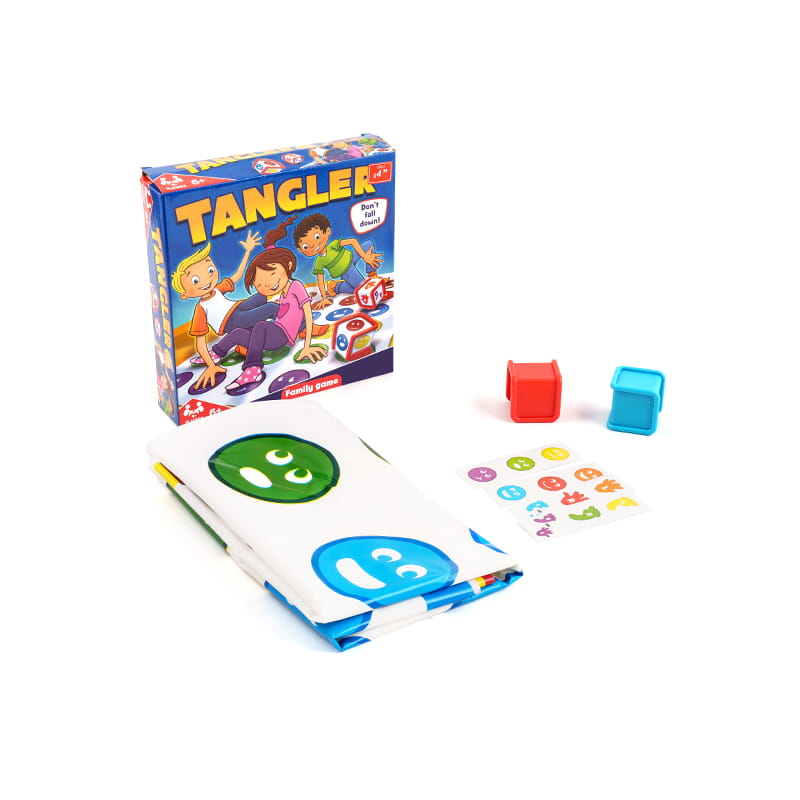
Plastic Tangler Game Set
TANGLER is a fun and challenging board game that requires players to use their hands and feet to meet conditions. During the game, players need to mov...
View More -
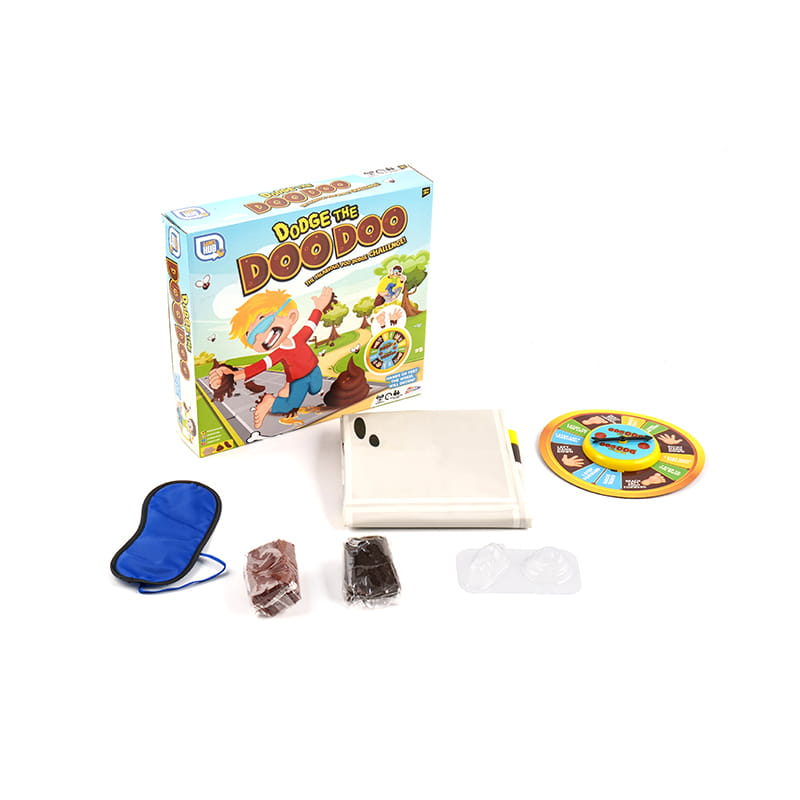
Dodge The Doggy Doo Game Set
Dodge The Doggy Doo is a fun and challenging game for kids. Children need to put on a blue blindfold and walk blindfolded to complete the tasks on the...
View More -
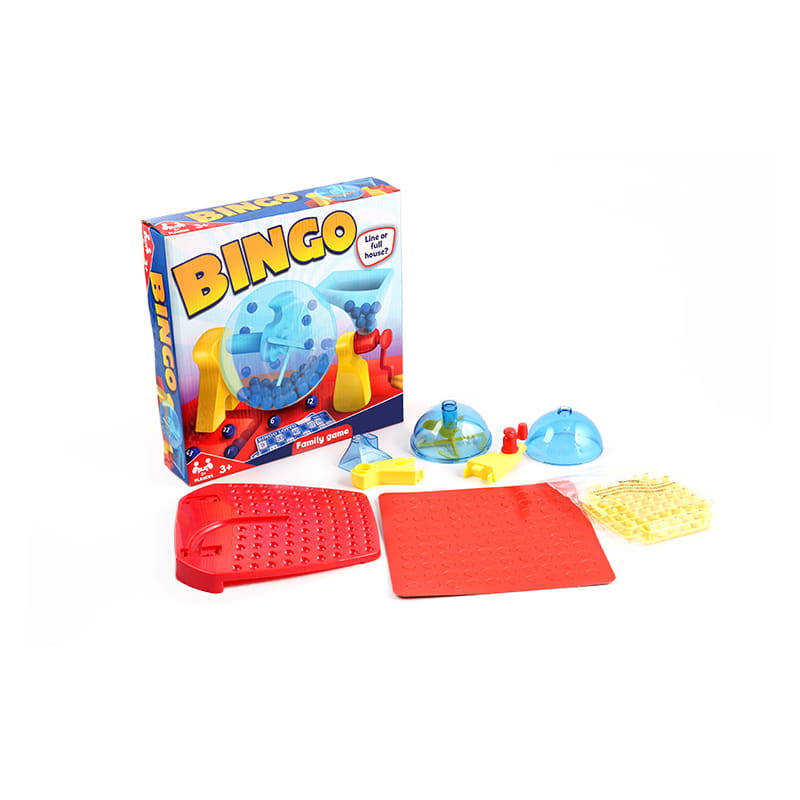
Plastic Bingo Game Set
Bingo Game is an entertaining game full of fun and surprises. It contains a beautiful shaker with a sleek design and bright colors that will catch eve...
View More -
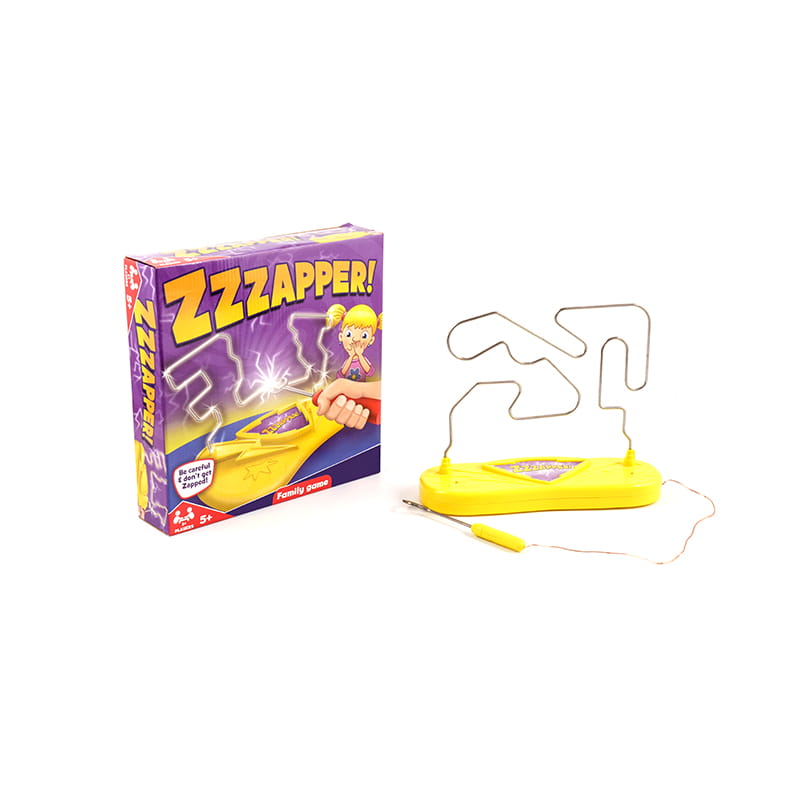
Plastic Beware Of Electrocution Game Toy
Beware of Electrocution Game is a unique family game designed to test players' concentration and balance. The game consists of a purple game box and a...
View More -
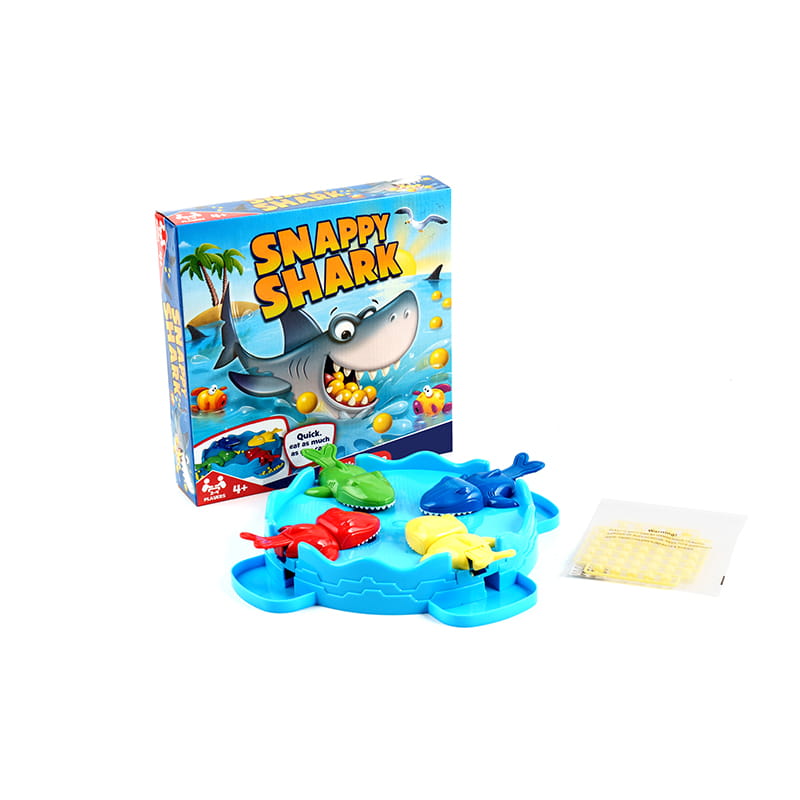
Plastic Shark Eat Beads Game Toy
Shark Eat Beads is a four-player interactive game with a “Snappy Shark” theme, where players need to quickly maneuver their sharks to eat as many ...
View More -
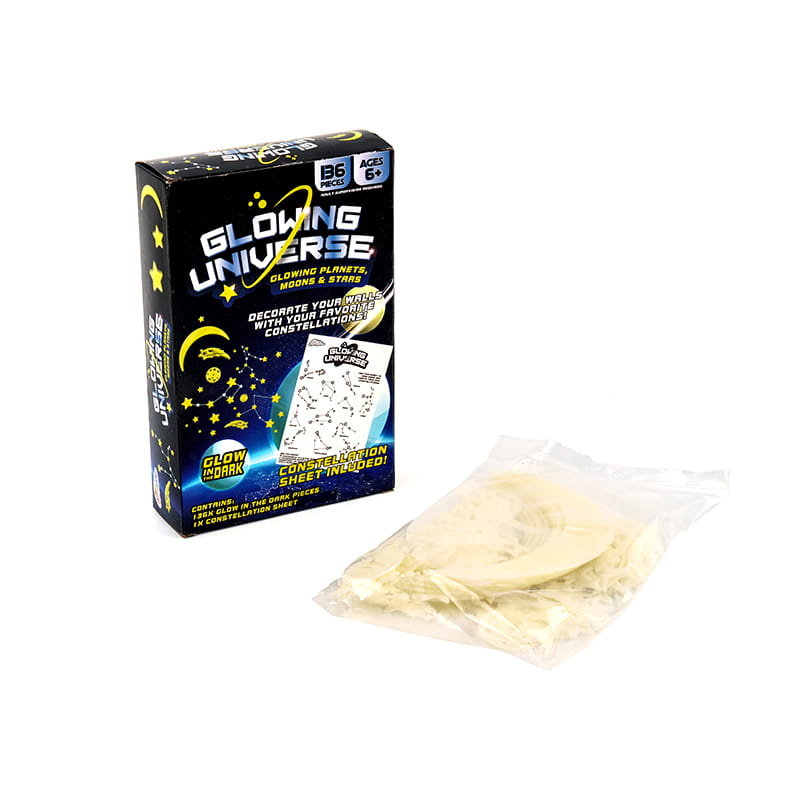
Luminous Star Patch
Luminous Starry Night Patch is a creative decoration. It contains a variety of cosmic elements, such as planets and stars, etc. It is made of special ...
View More -
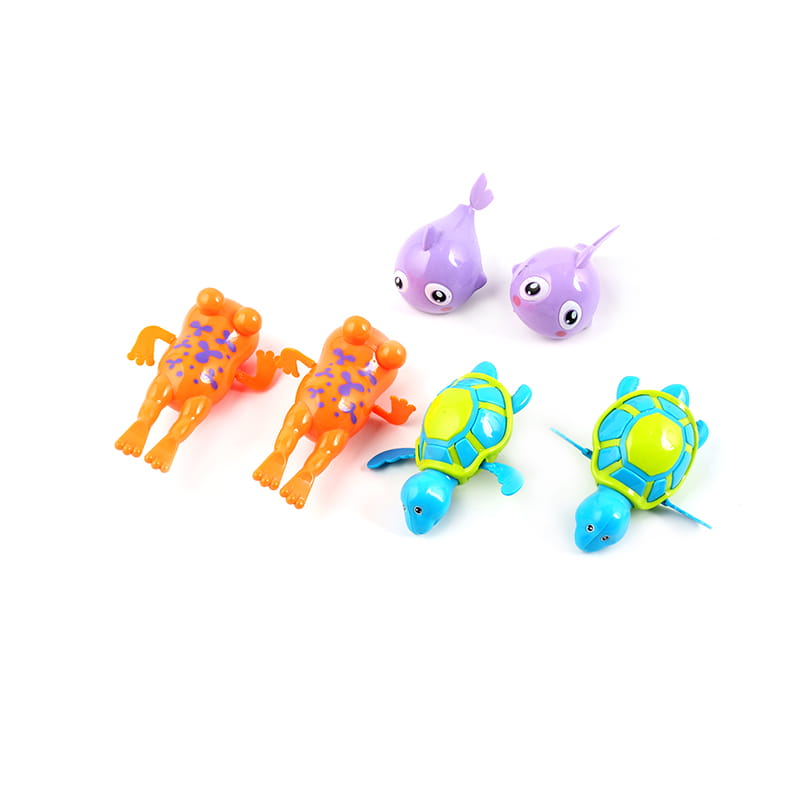
Plastic Uplink Animal Toy
The Uplink Animal Toy is a soothing toy set designed for baby showers. The set contains brightly colored and simply designed plastic toys such as an o...
View More -
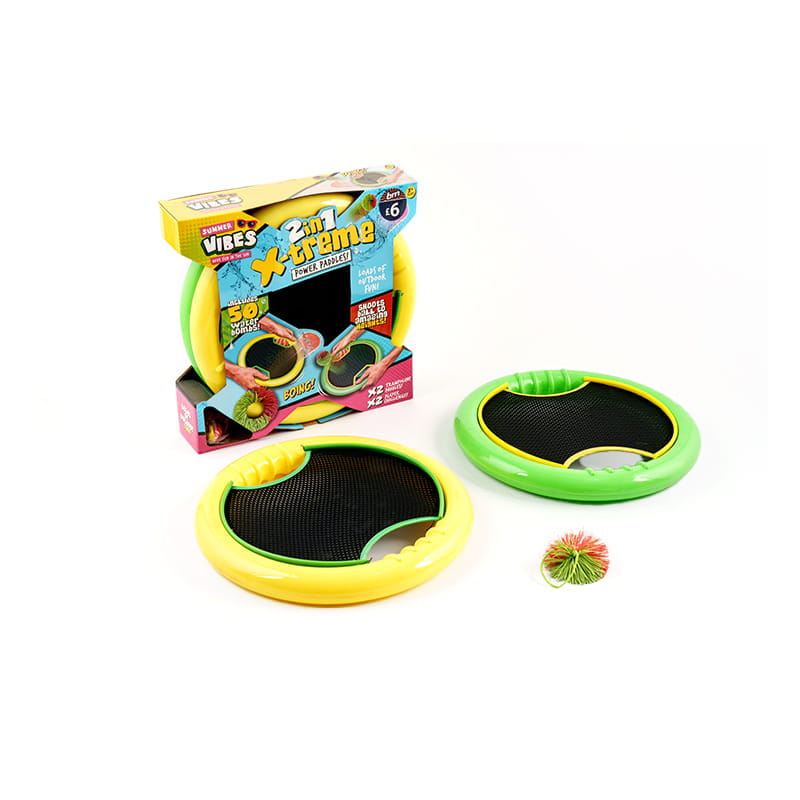
Beat About The Bush Toy Set
Clap Circle is a fun toy designed for children, containing 2 clappers and 1 colorful ball. This toy can be played alone to work on hand-eye coordinati...
View More

Copyright © Yuyao Leda Crafts Co., Ltd. All Rights
Reserved.

Children's Toys Factory
Children's Toys Manufacturer
Information
-
 Phone: +86-13056880051
 -
 fax: +86-574-62750718
 -
 E-mail:[email protected]
 -
 Add:Zhushan Village, Lizhou Street, Yuyao City, Ningbo, Zhejiang Province, China
Toys
Links
Contact Us