

 English
 English
 中文简体
中文简体- Type:
- Industry News
- Date
- 2026-Sep-28
Industry News
Home / News / Industry News / 18 Month Old Best Toys: A Manufacturer's Guide to Safe, Skill-Building Play
Content
If you want the short answer on the best toys for 18 month olds, it comes down to one idea: the right toy is the one that matches what a toddler can already do and is just about to do next. At 18 months, most children walk steadily, drop objects into containers, understand simple cause and effect, and carry a working vocabulary of roughly 10 to 50 words. A toy that fits this stage is light enough to lift with one hand, wide enough to grip, and responds immediately when the child pushes, squeezes or rolls it. Anything more complicated usually ends up ignored, and anything smaller ends up in the mouth.
This window moves fast. A toy that fascinated a 12 month old can be completely abandoned by 20 months, which means the practical "play life" of any single purchase is shorter than most parents expect. That is not a reason to buy more toys. It is a reason to buy the right ones and to buy them for the two or three categories that actually hold attention at this age.
This guide looks at the question from two directions. First, from child development: which toys genuinely work for an 18 month old, why they work, and what to avoid. Second, from the manufacturing side: how these toys are designed, tested, and supplied in volume to brands, importers and retail chains. If you are a parent, the category breakdowns and checklists will help you avoid another shelf of forgotten plastic. If you are a buyer, brand manager or sourcing manager, the sections on materials, testing and wholesale ordering will be the more useful part.
The best toy for an 18 month old is not the most feature-rich one. It is the one whose size, weight and feedback mechanism sit exactly inside the child's current ability range.
Eighteen months sits between two very different stages. A one year old is mostly still a sitter and crawler who explores by mouthing. A two year old is running, negotiating and starting to play pretend. The 18 month mark is the transition, and it explains why toy recommendations for this age look almost nothing like recommendations for either side of it.
Across the main development areas, the changes are fairly consistent:
Those five areas translate directly into toy design requirements. A toy that supports a child who is climbing and throwing needs to survive impact. A toy that supports a pincer grip needs to be graspable but not swallowable. A toy that supports imitation needs a familiar, recognisable form rather than an abstract one.
| Developmental skill | Required toy characteristics | Typical examples |
|---|---|---|
| Walking and balance | Light weight, wide base, handle height around 45 to 60 cm | Push and pull toys, lightweight ride-ons, children's hula hoops |
| Grasping and hand dexterity | Grip diameter 3 to 6 cm, textured surface, no loose small parts | Large lacing beads, thick chalk, sand art tools |
| Cause and effect | Immediate response, single simple mechanism | Squeeze toys, stretch toys, rolling balls |
| Language and imitation | Familiar context, recognisable objects, minimal abstraction | Play food and tea sets, dolls, large chess pieces |
| Spatial and stacking | Wide edges, easy alignment, fewer than 12 pieces | Large building blocks, stacking rings, nesting cups |
At 18 months, selection should be driven by grip size, product weight and feedback speed, not by the number of built-in features.
In practice, only five categories consistently hold an 18 month old's attention for more than a few minutes at a time. Everything else tends to be a variation on one of these five, or a product aimed at a different age band entirely.
Push and pull toys, balls, hula hoops, frisbees, foam planes.
Squeeze toys, stretch toys, textured balls, fidget chains.
Large-grain blocks, stacking rings, nesting cups, simple puzzles.
Chalk, sand art, large beads, colouring boards, sidewalk paint.
Matching games, large-piece board games, imitation games.
Two of these categories deserve special attention because they are frequently underestimated. Gross motor toys have the highest return measured in minutes of use per unit of cost, simply because the child is already compelled to move. Sensory or calming toys matter because at 18 months a child has very limited language for frustration, and physical outlets for that frustration are genuinely useful.
The three other categories build specific skills. Building and stacking develops spatial reasoning and the patience to keep trying when a tower falls. Art and DIY work exercises the pincer grip and the hand-eye coordination that will matter later for writing. Simple rule play introduces turn-taking, even if the child mostly ignores the rules and simply handles the pieces.
Five categories cover almost all genuine play at 18 months: gross motor, sensory, stacking, art and simple rule play. Buying outside these five usually means buying for a different age.
If you only buy in one category for an 18 month old, buy movement toys. The reasoning is straightforward: a child at this age is already trying to use their whole body to master balance, and any object that lets them do that without adult help will be picked up again and again.
A children's hula hoop is an unusually good example of a low-cost object that does a lot. It is light enough for a toddler to lift, the ring diameter is wide enough to grip comfortably, and it can be rolled, thrown, dropped, stepped through and spun. None of those activities require a parent to set up a game first, which matters enormously at this age because adult-led play usually has a shorter shelf life than self-directed play.
From a manufacturing standpoint, a child-safe hoop is designed around a few specific parameters. The ring diameter typically sits between 40 and 60 cm so a toddler can hold it without stretching. The tube wall is usually 2 to 3 mm thick, using polypropylene because it survives repeated flexing without cracking. The joint where the tube sections connect has to be smoothed and deburred, because that is the single most common place where a cheap hoop will scratch a small hand.
 Kids LED Light Hula HoopThis children's LED lighted hula hoop is made of PE tubing as a sturdy and durable frame and skillfully assembled with LED light beads. Various colors of plastic hoops...View Product →
Light-up versions add a battery compartment, and this is where the design details start to matter for compliance. A battery door must be secured with a screw rather than a press-fit clip. That is not a stylistic choice. Press-fit doors are a recognised choking and ingestion hazard and will fail safety review for children's products in both the US and EU markets.
Beyond hoops, the same logic applies to push-along toys, lightweight balls, foam planes and beach sets. The common thread is that the child controls the interaction, the object tolerates rough handling, and the play can happen indoors or outdoors without a change of setup.
Movement toys at 18 months deliver more engagement per unit of cost than any other category, because the child can start and sustain the play alone.
When we develop toys for this age band, the first question buyers ask is always the same: how long will a child actually stay with this? The honest answer is that attention is not distributed evenly, and it does not follow adult intuition. Parents often assume that toys with more educational content and more built-in functions will hold a toddler longer. In repeated observations, the opposite tends to be true. The categories that win are the ones where the child can initiate the action themselves and see an immediate result. The chart below is a qualitative ranking drawn from product development observations and field feedback across multiple sample rounds. It is not clinical research, and it should be read as a relative ordering rather than a precise measurement. What it usefully shows is where the gaps are between what adults buy and what children actually use.
Relative engagement index by toy category for children aged approximately 15 to 21 months. Manufacturer observation data, not clinical measurement.
The pattern in this chart is consistent with what most experienced early-years practitioners observe. Gross motor and stacking activities sit at the top because they are self-directed. A child does not need an adult to explain how to walk across a room or place a block on top of another block. The reward is built into the action, which means the child can repeat it indefinitely without external input.
Sensory and calming toys land in the middle. Their engagement is more situational than constant. They get picked up during transitions, during moments of tiredness, or when the child is settling down after an active period. That makes them valuable but also means they should not be judged by continuous play time. A squeeze toy that gets used for three minutes, six times a day, is doing more work than its total minutes suggest.
Art and DIY products sit slightly lower, and the reason is developmental rather than a product flaw. At 18 months, a child can hold chalk and make marks, but the concept of creating something deliberate is still several months away. The engagement is therefore shorter and depends more on adult presence. That does not make these products a poor purchase. It means they should be treated as supervised activities rather than independent play.
Pretend play and imitation come next. This is where the 18 month band is genuinely between stages. A child will copy an adult stirring a pot or putting a doll to bed, but only for a short burst. Full pretend play typically arrives closer to 24 months, which is why toys in this category often get bought too early and revisited later.
Simple rule games appear at the bottom, and this should be expected. Turn-taking, following a rule and accepting a loss are all beyond most 18 month olds. Board games and matching sets sold for this age are really sensory and handling products wearing a game label. They are not useless, but they should not be purchased with the expectation of actual gameplay.
The practical takeaway for both parents and buyers is that the ranking is stable across markets and price points. It is not driven by brand, packaging or price. It is driven by how much control the child has over the outcome of the play. Products that give the child immediate, self-generated results consistently outperform products that require an adult to make them work.
Engagement at 18 months tracks self-direction, not price or feature count. The categories where the child controls the outcome always rank highest.
An 18 month old cannot yet say "I am overwhelmed". What they can do is bite, throw, or cry. Toys that offer a controlled physical outlet for that frustration are genuinely useful, which is why silicone and TPR squeeze toys have moved down into this age band even though they were originally designed for older children and adults.
The selection criteria here are stricter than in any other category, because these toys are held, chewed and pulled. There must be no detachable parts, no internal magnets, and no loose beads or filling. Stretch toys need to survive repeated pulling without tearing at the seams. Single-piece moulded silicone is the safest construction because there are no joints to fail.
Materials matter more than shape. Food-grade silicone and thermoplastic rubber are the two common choices, and both need to be confirmed free of phthalates, heavy metals and BPA if the product is going to a regulated market. For anyone researching how these products are used in practice, there is a useful discussion of the emotional regulation role of squeeze toys in this industry note on decompression toys, which covers why the tactile repetition itself is the mechanism rather than the shape of the object.
One caution applies to anyone buying or specifying these products. Fidget and stress-relief toys have historically been classified for older age groups, and moving them into a 0 to 3 product line changes the compliance pathway. In the EU this typically means full EN 71 testing including the mechanical and physical sections, and in the US it means meeting CPSIA requirements plus the applicable sections of ASTM F963. A supplier that cannot produce those reports is not a supplier for this age band.
The value of a sensory toy at 18 months is not entertainment. It is a repeatable, controllable physical release that the child can trigger without help.
An 18 month old cannot draw a shape, but the moment a chalk stick leaves a mark on paper, the feedback loop closes and the activity becomes self-reinforcing. That single cause-and-effect step is why art materials belong in a toy list for this age at all.
Buying and specifying these products comes with a few non-obvious constraints. Chalk sticks should be at least 20 mm in diameter, because thinner sticks snap under a toddler's grip and the broken pieces become a mouthing risk. Sand used in sand art kits needs to be dust-suppressed, since fine airborne dust is a respiratory concern for children who play close to the material. Loose beads and small decorative parts need to exceed 31.7 mm in every dimension, which is the diameter of the small parts test cylinder used to assess choking hazards for children under three.
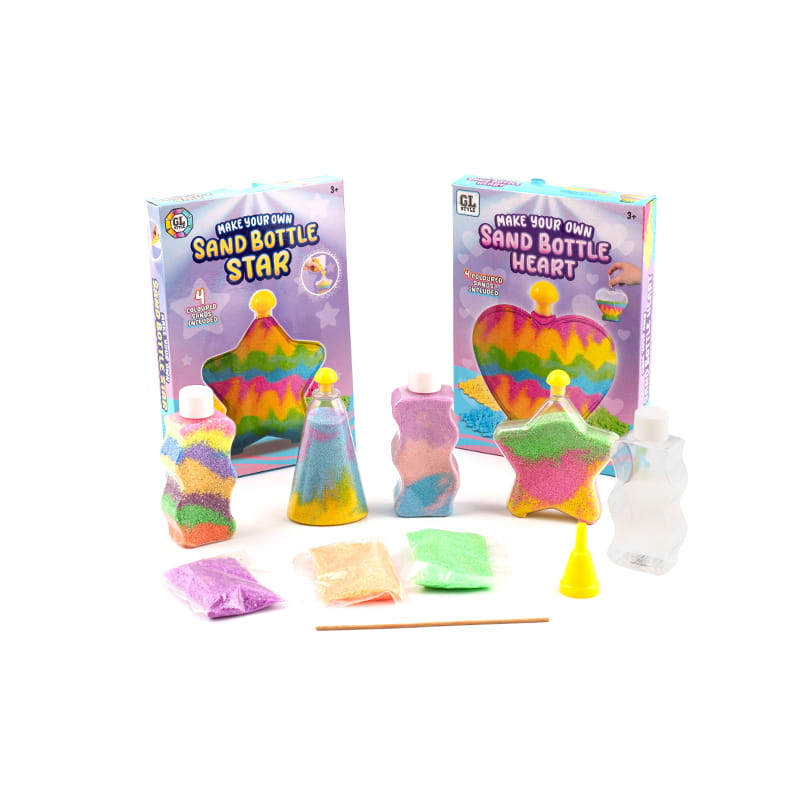 Plastic Sand Art Creations ToySAND ART CREATIONS, a creative and unlimited sand art making tool! We offer a variety of different shapes and sizes of bottles for you to choose from. Each bottle is e...View Product →
Beyond the safety parameters, the design question is how much of the activity the child can complete alone. Products that require an adult to hold the paper, open the container or apply the colour will see far shorter sessions than products where a toddler can pick up the tool and make something happen. That is the difference between an art toy that gets used weekly and one that gets used once.
Colouring boards, spray chalk, sidewalk chalk paint, bead threading sets and tie-dye kits all sit in this category. They serve different settings: indoor table work, outdoor pavement play, or group activity in a nursery or play centre. Matching the format to the setting matters more than the specific product type.
Art toys work at 18 months when the child can complete the action alone. If an adult has to hold, open or apply, the toy will be abandoned quickly.
Safety is the part of this topic where buyers and parents need the most precise information, because the requirements are not intuitive and they differ by destination market. The table below summarises the main test categories that apply to plastic and silicone toys intended for children under three.
| Test category | What is assessed | Common reference standards |
|---|---|---|
| Mechanical and physical | Sharp points, sharp edges, small parts, cord length, torque and tension resistance | ASTM F963, EN 71-1, ISO 8124-1 |
| Chemical migration | Heavy metal migration, phthalates, BPA, total lead content | CPSIA, EN 71-3, ISO 8124-3 |
| Flammability | Burning rate of textile and plastic components | EN 71-2, 16 CFR 1610 |
| Durability and ageing | Repeated compression, drop testing, bite resistance simulation | Internal protocols, typically 500 cycles or more |
| Battery and electrical | Battery compartment security, screw-fixed doors, LED integrity | IEC 62115, EN 62115 |
Two points deserve emphasis. First, the small parts requirement is not a guideline. For products intended for children under three, any component that fits entirely within the small parts cylinder is a failure, regardless of how securely it is attached. Second, chemical testing is done on the finished product, not on the raw material pellets. A supplier that only provides material certificates has not provided a compliance report.
For brands and importers, the practical rule is to request a full test report covering the finished SKU, issued by a third-party laboratory, with the report matching the exact colour and material combination being ordered. Colourants and surface treatments change the chemical profile, so a passing report for a red version does not automatically cover the same product in a metallic finish.
Compliance is assessed on the finished product, in the exact colour and finish being shipped. Raw material certificates alone are not evidence of conformity.
Whether you are a parent in a shop or a buyer reviewing a sample, the same sequence of checks applies. Working through them in order catches most problems before money changes hands.
Ten checks, in this order, catch the majority of problems: grip size, weight, edges, feedback, part count, odour, markings, battery door, cleaning and play life.
For a brand, importer or retail chain, the questions that matter are different from a parent's. The product itself is only one part of the decision. The rest concerns whether a supplier can deliver the same product, at the same standard, repeatedly, across a season.
The first conversation is almost always about minimum order quantity. For injection-moulded plastic toys, a typical starting point is a few thousand pieces per colourway, because the setup cost is dominated by moulding and colour changeover rather than materials. Buyers who need several colours in smaller volumes usually find that consolidating to two or three core colours reduces unit cost more than negotiating on price.
Tooling is the second topic. An existing mould from a supplier's catalogue means no tooling charge and a much shorter sample lead time. A fully custom shape requires new tooling, which adds cost and several weeks before the first sample exists. For 18 month products specifically, custom tooling is often justified because the size and safety constraints leave little room to adapt an existing adult or older-child mould.
Sampling and production timelines follow. A pre-production sample typically takes one to three weeks depending on whether tooling is required. Mass production usually runs two to four weeks after sample approval, with additional time for third-party testing and packaging if those are handled by the supplier.
Packaging is where many first-time buyers lose time. Retail packaging, hang tags, barcodes, multilingual warnings and age markings all need to be finalised before production starts, not after. A supplier that offers design-to-delivery service can absorb this, but the buyer still has to supply market-specific wording and artwork.
Compliance documentation is the non-negotiable item. A credible supplier should be able to provide third-party test reports, material declarations and factory audit documentation on request. Working with a manufacturer that already serves European and American markets usually shortens this step considerably, because the documentation formats are already familiar.
Finally, price tiers. Unit cost drops with volume, but the more useful comparison is landed cost, which includes packaging, testing, inland freight and any rework from failed inspections. A slightly higher unit price from a supplier with clean inspection records is almost always the cheaper option across a full season. Buyers who want to review a supplier's overall capability and product range before committing can start from the Yuyao Leda Craft Co., Ltd. company homepage, which lists the full category structure.
In wholesale sourcing, landed cost and inspection consistency matter more than headline unit price. A clean test record is worth paying a little more for.
Two audiences read this kind of guide, and they weigh different factors. The table below places the parent's criteria and the buyer's criteria next to each other so the overlap and the differences are visible.
| What parents weigh first | What brands and buyers weigh first |
|---|---|
| Whether the child can start playing without adult setup | Whether the SKU passes EN 71 and CPSIA testing in every colourway |
| How easy it is to wipe clean after outdoor use | Whether the moulding tolerances hold across large production runs |
| Whether the toy survives being thrown and chewed | Whether the packaging meets retail and e-commerce requirements |
| How long the child stays interested before moving on | How the product performs on repeat purchase and reorder rate |
| Whether there is anything small enough to swallow | Whether the small parts assessment is documented by a third party |
| Whether it fits an existing toy box or storage system | Whether the carton dimensions optimise container loading |
The overlap is larger than it first appears. Durability matters to both. Cleaning matters to both. What differs is the form the concern takes: a parent asks whether a toy will survive their own child, while a buyer asks whether ten thousand units will survive ten thousand children, and whether that can be proven on paper.
A second comparison worth making is between materials, since this determines most downstream decisions. Rigid polypropylene is the workhorse for hoops, buckets and stacking products because it flexes without cracking and takes colour well. Silicone and TPR are used where softness and repeated deformation are the point. Sand, chalk and paper-based components sit in the DIY category, where the material itself is consumed rather than played with repeatedly, and where dust and particle size become the primary concerns.
For a buyer assembling a range, the practical approach is to cover the top three engagement categories from the chart rather than to spread investment evenly across all six. A range built around movement, stacking and sensory products will hold up better at retail than one covering every category at low depth.
Parents and buyers are asking the same questions in different units. Durability, cleanliness and part safety matter to both, but buyers need the answer documented.
A toy that cannot be cleaned will not stay in rotation. For an 18 month old, who mouths most objects and plays on floors, hygiene is a practical rather than a theoretical concern.
A brief inspection routine catches most emerging problems early. Check joint collars on hoops and push toys for hairline cracks. Check printed decals for lifting edges, since a lifted edge is a peeling risk. Check the battery compartment screws for tightness. Check silicone toys for any tear at a moulding seam. Any of these findings is a reason to remove the toy from use rather than to monitor it.
Most toy failures start small: a lifted decal, a loose screw, a hairline crack at a joint. Inspect monthly and remove rather than monitor.
What are the best toys for an 18 month old?The best toys for an 18 month old are the ones the child can operate without adult setup. In practice that means lightweight movement toys such as hoops, balls and push-alongs, large stacking blocks, and soft sensory toys that can be squeezed or stretched. These categories hold attention longest because the child controls the outcome, and they are all easy to clean and hard to break. |
Can an 18 month old actually play with building blocks?Yes, within limits. Most 18 month olds can stack two to four large blocks before the tower falls, and the falling is part of the entertainment. Choose blocks with wide edges that are easy to align, and keep the total piece count under about twelve. Small interlocking bricks designed for older children are not suitable yet, mainly because of size rather than complexity. |
Is a hula hoop safe for an 18 month old?Yes, provided it is sized for children. A child-safe hoop has a ring diameter of roughly 40 to 60 cm, a smooth joint with no sharp edges, and a tube wall thick enough to resist cracking. At this age the hoop is not used for spinning around the waist. It is rolled, carried, thrown and stepped through, which makes it a movement toy rather than a coordination toy. |
What toys should be avoided at 18 months?Avoid anything with detachable small parts, magnets, button batteries accessible without a tool, or press-fit battery doors. Avoid thin chalk and small beads, which break or fit inside the small parts test cylinder. Avoid toys with cords longer than 22 cm, and avoid soft plastic products with a strong solvent smell, which usually indicates insufficient curing. |
How many toys does an 18 month old need?Fewer than most households own. A practical rotation is eight to twelve items spread across movement, stacking, sensory and art categories, with the rest stored out of sight and swapped in every few weeks. Rotating a small set keeps novelty high without adding clutter, and it makes it much easier to notice which categories the child actually returns to. |
Are wooden toys better than plastic toys for this age?Neither material is inherently better. Wood is durable and has a pleasant weight, but it is less forgiving when thrown and cannot be submerged for cleaning. Plastic and silicone allow complex shapes, easy sanitising and lower unit cost. For an 18 month old who throws and mouths objects, the practical advantages of moulded plastic and silicone usually outweigh the aesthetic appeal of wood. |
How do brands and retailers source 18 month old toys in bulk?They work directly with a toy manufacturer or supplier, usually under OEM or ODM arrangements. The process starts with a specification covering size, material, colour and destination market, followed by tooling if a custom shape is needed, then pre-production samples, third-party testing against EN 71 or CPSIA, and finally mass production. Minimum order quantities for moulded plastic toys typically start in the low thousands per colourway. |
The recurring answer across every question is the same: choose products the child can operate alone, and verify the safety documentation rather than the marketing claims.
The categories described in this guide are not assembled from a dozen different sources. Most 18 month toys, from hula hoops and stacking sets to squeeze toys and sand art kits, come from the same cluster of moulding and assembly factories in the Yangtze River Delta region, which supplies a large share of the world's plastic children's products.
Yuyao Leda Craft Co., Ltd. is one of the manufacturers operating in that cluster. Established in 2011 near the Hangzhou Bay Bridge, the company designs, develops, produces and sells children's plastic toys, with a catalogue covering children's hula hoops, stress relief toys, DIY and art products, board and chess games, Easter plastic toys and summer outdoor interactive games. Products are exported to European and American markets, and the company works with brands on OEM and ODM terms, handling projects from design drawings through to shipment.
On the production side, materials are selected for compliance rather than cost alone, and finished products go through physical performance testing, chemical analysis and durability assessment before dispatch. The location supports this: the surrounding industrial supply chain handles injection moulding, colouring, printing, sticker application and LED assembly within a short radius, which shortens lead times for both samples and bulk orders.
For brands evaluating a supplier, the most useful first step is usually a review of the full product range and category structure, followed by a sample request in the specific category being sourced. For parents, the same catalogue is a useful reference for what a well-specified 18 month toy looks like in terms of dimensions and materials.
Understanding where a toy is made, and how it is tested, is the most reliable way to judge whether it will hold up in daily use.
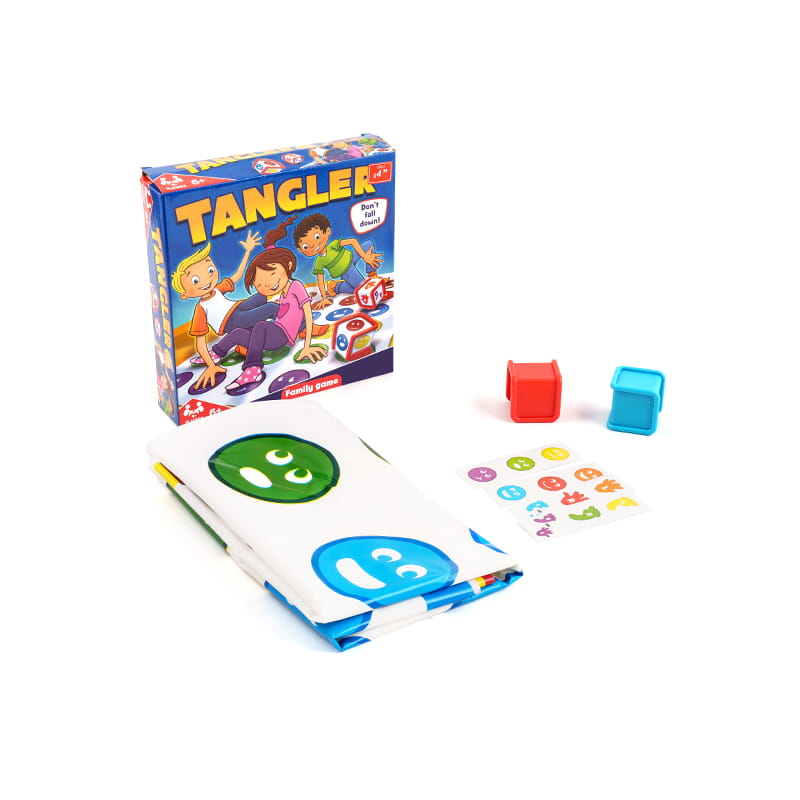
TANGLER is a fun and challenging board game that requires players to use their hands and feet to meet conditions. During the game, players need to mov...
View More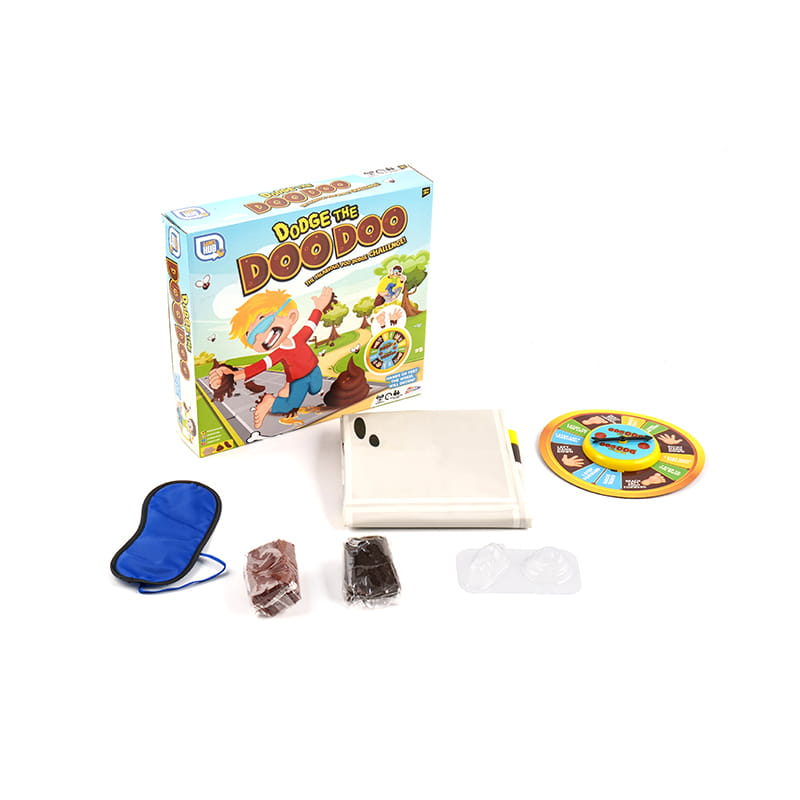
Dodge The Doggy Doo is a fun and challenging game for kids. Children need to put on a blue blindfold and walk blindfolded to complete the tasks on the...
View More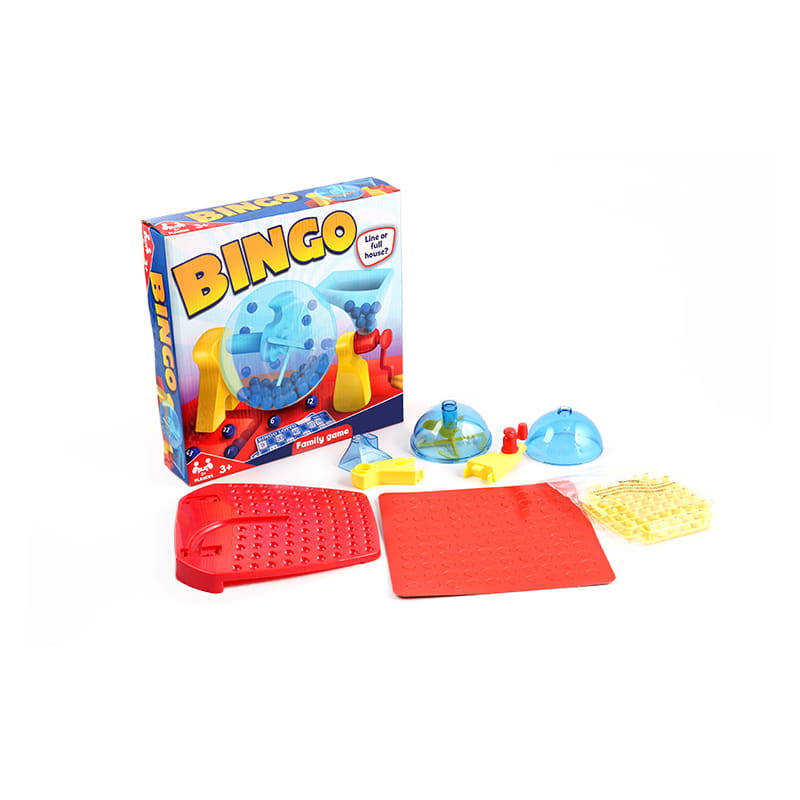
Bingo Game is an entertaining game full of fun and surprises. It contains a beautiful shaker with a sleek design and bright colors that will catch eve...
View More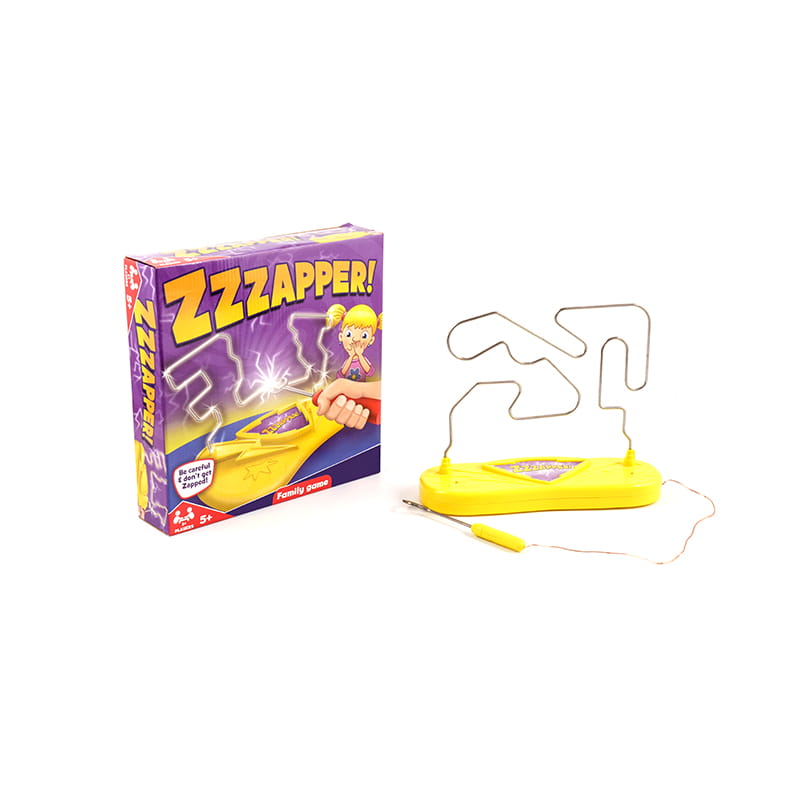
Beware of Electrocution Game is a unique family game designed to test players' concentration and balance. The game consists of a purple game box and a...
View More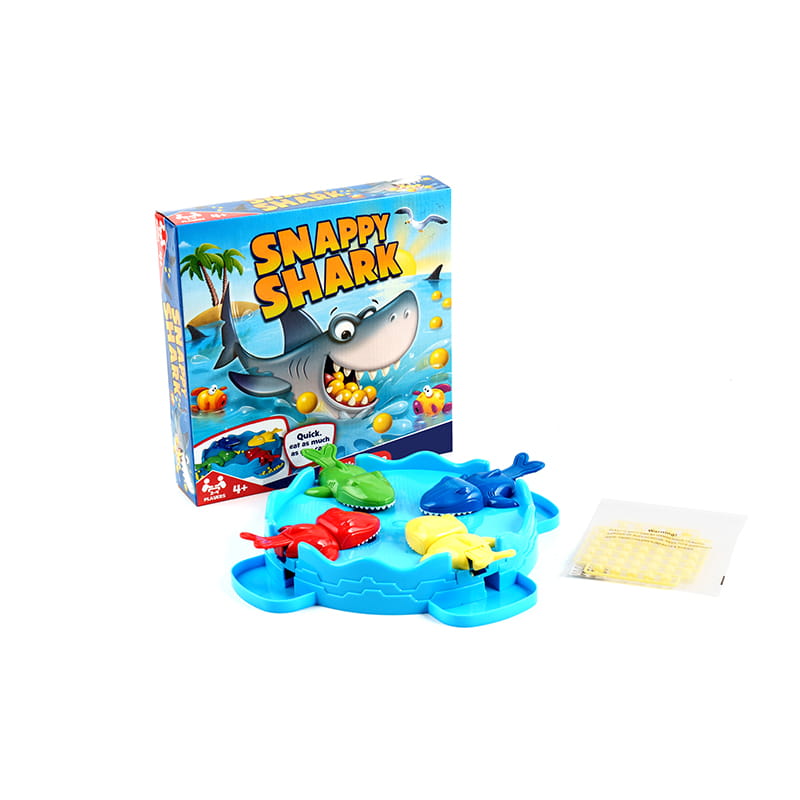
Shark Eat Beads is a four-player interactive game with a “Snappy Shark” theme, where players need to quickly maneuver their sharks to eat as many ...
View More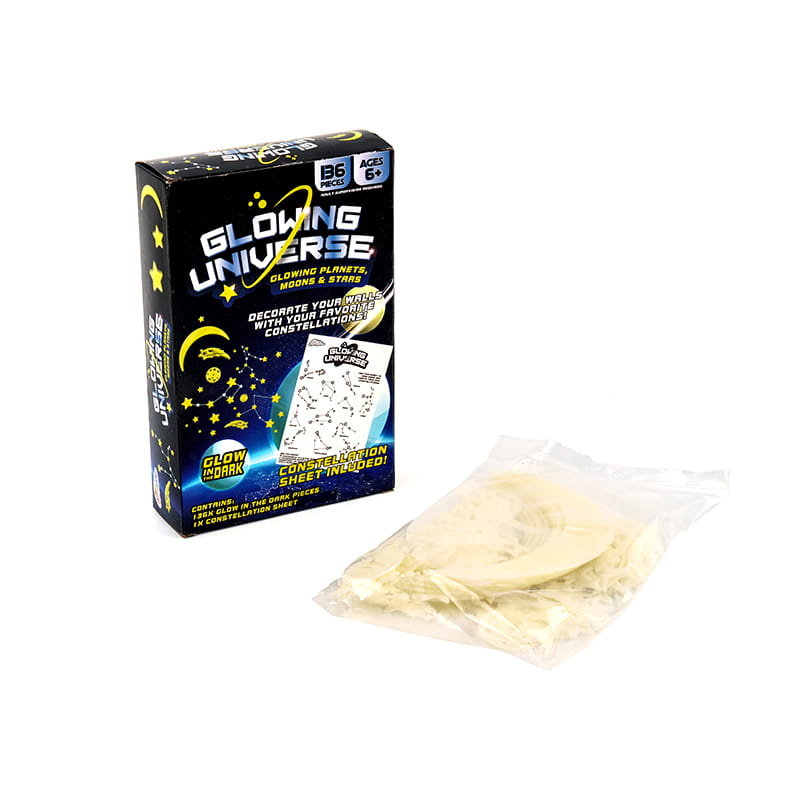
Luminous Starry Night Patch is a creative decoration. It contains a variety of cosmic elements, such as planets and stars, etc. It is made of special ...
View More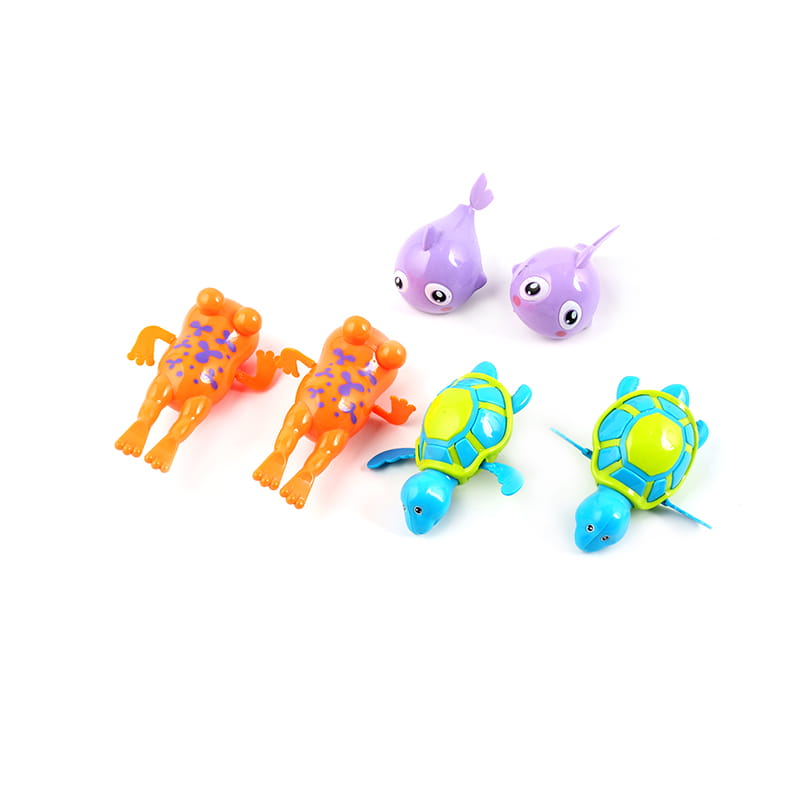
The Uplink Animal Toy is a soothing toy set designed for baby showers. The set contains brightly colored and simply designed plastic toys such as an o...
View More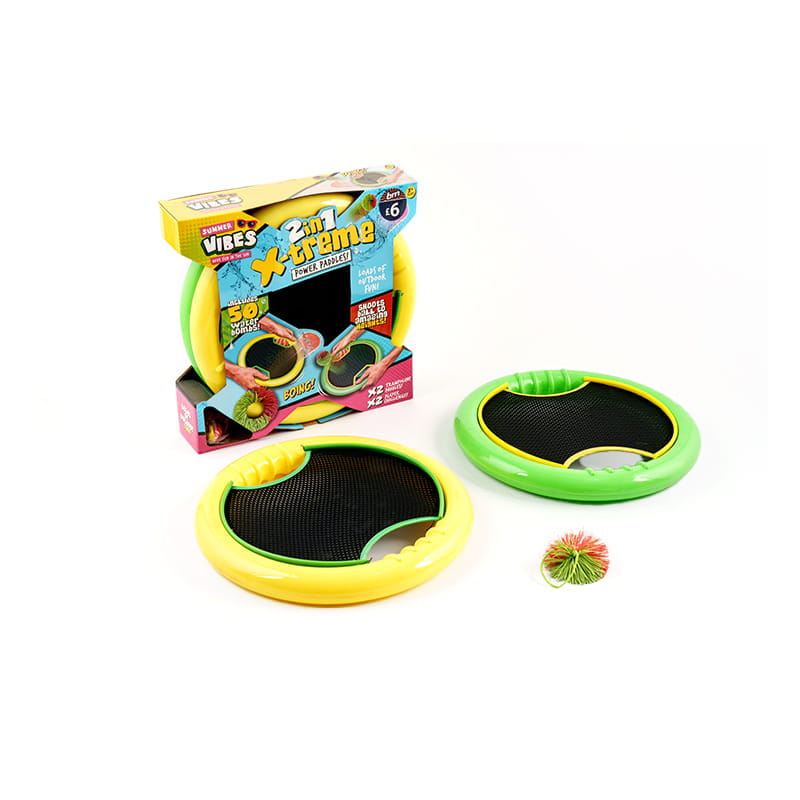
Clap Circle is a fun toy designed for children, containing 2 clappers and 1 colorful ball. This toy can be played alone to work on hand-eye coordinati...
View More
Copyright © Yuyao Leda Crafts Co., Ltd. All Rights
Reserved.

Children's Toys Factory
Children's Toys Manufacturer


