

 English
 English
 中文简体
中文简体- Type:
- Industry News
- Date
- 2026-Oct-05
Industry News
Home / News / Industry News / Best 18 Month Old Toys: How a Toy Manufacturer Picks Safe, Fun Winners
Content
When a toy brand's product manager has eight weeks to build a complete 18-month-old assortment, the decision that gets overturned most often is not price. It is whether a specific toy lets a toddler actually start playing without an adult kneeling on the floor beside them. That single question drives reorder rates, review scores and return volumes far more than the packaging or the price point.
Here is the short answer before the detail: the best 18 month old toys are the ones a toddler can complete a full play loop with inside a three-to-six-minute attention window. Put in, take out. Push, watch it roll. Stack, knock down. Squeeze, feel it spring back. If the child can close that loop unaided, parents film it, write positive reviews and buy the next size up. If they cannot, the toy ends up in a donation bag within two weeks.
Eighteen months sits at a very particular intersection of developmental curves. Most toddlers can walk independently and often break into a trot, but their centre of gravity is still high and falling is a normal part of every ten minutes. Hand control is shifting from a full-palm rake to a thumb-and-forefinger pincer grip, which means they can suddenly pick up small objects — and, just as suddenly, put those objects into their mouths with real accuracy.
Language moves from single words toward two-word combinations, and comprehension runs well ahead of speech. Object permanence is largely established, so a toddler will deliberately search for a toy that has been hidden under a cushion. Socially, play is still parallel rather than cooperative: two children on the same mat, each in their own world, occasionally exchanging a glance or a snatched item.
There is also a hard practical constraint that many buying teams underestimate. Sustained attention at this age typically lasts three to six minutes. A toy therefore has roughly ten seconds to communicate what it does. Anything requiring verbal instruction, fine sequence learning or a demonstration longer than one gesture will be discarded before the adult has finished explaining it.
The single most useful filter for 18-month-old toys is self-startability: if a toddler cannot begin the play pattern alone within ten seconds, the SKU will underperform regardless of how good the concept looks in a catalogue.
Buyers who treat "18 months" as a single age band make a predictable mistake: they assume the child is simply a smaller version of a three-year-old. The reality is closer to a set of four partially finished systems running at different speeds. A toy that fits one system well can fail badly on another, and the failures are what generate returns.
Independent walking is usually achieved, and many toddlers are already climbing onto low furniture. What is not solved is deceleration and turning at speed. Toys that invite running or sharp direction changes without offering a wide, stable base tend to produce collisions rather than play. Push-along and pull-along formats work here because the toy itself becomes a balance aid, and the child controls the pace.
The arrival of the pincer grip is the single biggest safety-relevant milestone of this period. Before it, small parts are difficult to pick up; after it, they are easy to pick up and equally easy to mouth. Any toy with detachable components under roughly 31.7 mm in diameter or 57.1 mm in length — the dimensions of a standard small-parts test cylinder — crosses from "developmentally useful" into "choking hazard" the moment that grip develops.
Object permanence is in place, so hide-and-reveal mechanics now make sense. Cause-and-effect reasoning is strengthening fast, which is why buttons, pop-up lids and squeakers hold attention. At the same time, vocabulary is expanding rapidly, and adults narrate constantly — so toys with clear, nameable parts ("ball", "duck", "block") get used far more than abstract shapes that have no verbal hook.
Cooperative games are still beyond reach, but imitation is strong. A toddler will copy sweeping, wiping, stirring and carrying. That makes simple role-play props genuinely useful. Emotional regulation is also emerging, and physical, repetitive, rhythmic actions — squeezing, stretching, rolling something back and forth — are among the earliest tools children use to settle themselves.
Design for the four systems separately, then test the toy against the weakest one — at 18 months the pincer grip and the unstable balance point are almost always the limiting factors.
Across the categories a plastic toy manufacturer like Yuyao Leda Craft produces — hula hoops, stress relief items, Easter novelties, board games, summer outdoor games and DIY art kits — only a subset maps cleanly onto the 18-month developmental profile. The table below lists the categories that consistently perform, along with the technical parameters that decide whether a sample passes or fails.
| Category | Primary developmental value | Critical buying parameter | 18-month fit threshold |
|---|---|---|---|
| Stacking and nesting toys | Fine motor control, size sequencing, spatial reasoning | Ring bore diameter, base stability, edge radius | Bore diameter above 25 mm so fingers cannot lodge; fully rounded edges |
| Shape sorters and peg boards | Problem solving, hand-eye coordination, shape recognition | Lid retention force, piece thickness | No single piece below 40 mm in any dimension; lid must not pop off under a 90 N pull |
| Balls and rolling toys | Gross motor, visual tracking, cause and effect | Diameter, rebound rate, surface texture | Diameter of 60 mm or more; surface fine enough to grip with a wet hand |
| Push and pull toys | Walking balance, direction control, trunk strength | Cord length, wheel smoothness, handle diameter | Handle 20-25 mm across; cord short enough to avoid a loop around the neck |
| Sensory and stress relief toys | Tactile input, emotional settling, grip strength | Shore hardness, stretch recovery, odour | Silicone in the 20-40 Shore A range; recovers shape after 500 stretch cycles |
| Sand, water and outdoor bucket sets | Gross motor, sensory exploration, early sharing | Wall thickness, handle load rating, mould edge finish | Handle rated above 10 kg pull; no sharp flash lines on mould rims |
| Picture books and sound toys | Language input, causal reasoning, joint attention | Board thickness, switch actuation force, volume ceiling | Board stock above 400 gsm; output capped at 85 dB at 25 cm |
Two of these categories deserve a longer note because they are frequently misjudged during procurement. The first is sensory and stress relief items. In the toy trade they are often filed under "impulse buy", but at 18 months they do real work. A soft, stretchy object gives a toddler a physical action they can repeat indefinitely without adult help, which is exactly the loop described at the start of this article. Silicone and TPR formulations matter here: if the material is too firm, small hands cannot deform it; if it is too soft, it tears at the seam within a week of daily use.
The second is the outdoor bucket set. It looks like a summer seasonal item, and it is, but it also happens to be one of the few formats that supports parallel play naturally. Two toddlers, two shovels, one bucket, no rules required. The procurement risk is almost entirely mechanical: thin walls crack when a child stands on the bucket, and a handle that is riveted rather than moulded-in will pull out. Specifying wall thickness and handle pull rating up front removes most of that risk.
Categories succeed at 18 months when the play loop is short, physical and repeatable — the technical parameters in the table are what stop a good concept from becoming a return.
Most 18-month assortments split naturally into two buying briefs, and the evaluation criteria are different enough that they deserve separate checklists. Quiet indoor toys are judged on precision, material feel and sound level. Active outdoor toys are judged on structural strength, weather resistance and how they behave when two children use them at once.
Indoor Quiet Play Brief
|
Outdoor Active Play Brief
|
The comparison is not about which brief is harder. It is about recognising that the same factory, the same resin and often the same mould base can produce two very different products depending on which brief is written first. A supplier that receives only a reference image and a target price will default to whichever specification is cheapest to run. A supplier that receives a written brief with pull ratings, wall thicknesses and test standards will quote to that brief, and the sample that arrives will match.
There is a useful rule of thumb for wholesale buyers assembling a mixed container: put roughly 60 percent of the volume into indoor formats and 40 percent into outdoor formats. Indoor toys sell steadily across the year, while outdoor toys concentrate heavily into spring and summer. Blending the two smooths the cash cycle and reduces the risk of a seasonal overstock that has to be discounted in September.
A written specification brief, rather than a reference photo, is the difference between a sample that matches your intent and a sample that matches the supplier's cheapest interpretation.
When procurement teams compare categories side by side, the argument usually collapses into personal preference rather than structured assessment. A scoring framework helps. The chart below summarises an illustrative assessment of how well each of the main 18-month toy categories covers the four developmental systems described earlier — gross motor, fine motor, cognition and language, and social-emotional regulation. The scores are drawn from retailer and supplier feedback rather than a controlled study, so they should be read as a planning aid rather than a scientific result. A score of five means the category exercises that system strongly and consistently; a score of one means it barely touches it. The purpose is not to crown a winner but to show which categories carry a broad developmental load and which are narrow specialists. Categories that score above four across three or more systems tend to hold a toddler's attention longer, because the child keeps finding new things to do with the same object.
Developmental Coverage Score by Toy Category (Illustrative, 0-5 scale)
The first pattern the chart shows is that the top three categories cluster closely together, all scoring above 4.5 on a five-point scale. Stacking and nesting toys, balls and shape sorters each carry a heavy developmental load because the same object supports several different play patterns. A ball can be rolled, thrown, chased, dropped into a bucket and retrieved. A stacking ring can be gripped, mouthed, slid, stacked and knocked over. That multiplicity is what keeps the attention window open past the six-minute mark.
The second pattern is the deliberate gap between the top cluster and the bottom two categories. Hula hoops and simplified tabletop games score lower not because they are poor products but because they are narrow. At 18 months, a hoop is used primarily as a rolling object or as something to step over — the classic waist-rotation skill does not arrive until several years later, and it is worth understanding what correct body posture looks like when a child uses a child's hula hoop before writing instruction copy for the packaging. Used correctly as a floor toy, a hoop still delivers real gross motor value, just not the breadth that a stacking set delivers.
The third pattern is more useful commercially. Sensory and stress relief toys score comparatively high on regulation and fine motor but much lower on language. That means they complement, rather than compete with, picture books and sound toys. Assortment planners who treat them as substitutes for one another end up with a lopsided range.
There is a fourth observation that matters for costing. The categories that score highest are also generally the cheapest to produce, because they use simple injection moulding with few secondary operations — no electronics, no multi-part assembly, no light modules. The categories with lower developmental breadth often carry more tooling cost. That inversion is worth keeping in mind when negotiating: a simple, high-scoring stacking set is not a premium item, and a supplier quoting it at premium prices is not quoting on the mould.
A fifth point relates to the shape of the distribution rather than the individual bars. The scores fall off gradually rather than cliff-steep, which means there is no single "correct" answer for a range. A well-built 18-month assortment typically mixes two or three broad-coverage categories with one or two specialists, so that a child who has exhausted the stacking set still has an outdoor bucket waiting on the shelf.
A sixth consideration is seasonality. The outdoor categories score lower on developmental breadth but spike sharply in demand during warmer months. Wholesale buyers who ignore this and build a pure developmental argument will end up under-stocked in April. The chart should be read alongside the calendar, not in isolation.
A seventh factor is the difference between first purchase and repeat purchase. Broad-coverage categories drive first purchases because they are easy to justify as gifts. Specialist categories drive repeat purchases because parents buy them after the child has outgrown the simpler items. Both are needed, but they serve different points in the customer lifecycle.
An eighth point is that scoring frameworks like this one are only as good as the specification behind them. A stacking toy with a thin base and sharp flash lines will score far lower in real use than its category average suggests. The category is the hypothesis; the mould is the test.
A ninth observation concerns age-range labelling. Several of the lower-scoring categories become much stronger at 24 months and above. Simplified tabletop games in particular jump sharply once a child can follow a turn-taking rule. Labelling them correctly for 18 months, rather than overstating the age range, protects review scores.
A tenth point is that the chart is a planning tool, not a verdict. It tells you where to spend tooling budget and how to balance a range. It does not tell you which single SKU will succeed, because that depends on execution, tolerances and packaging clarity — the factors covered in the next sections.
Broad-coverage categories such as stacking sets, balls and shape sorters should form the spine of an 18-month range, while specialist categories are best used to fill seasonality and repeat-purchase gaps.
Compliance is where an 18-month product differs most from a general toy. Because the pincer grip and mouthing behaviour overlap so precisely at this age, every detachable part is assessed against the small-parts criteria, and every surface is assessed against migration limits for a child who will chew it. A supplier that treats this as paperwork rather than engineering will produce failures at the port.
| Requirement | Applicable standard | What is actually tested |
|---|---|---|
| Mechanical and physical safety | EN 71-1, ASTM F963, ISO 8124-1 | Small parts cylinder, sharp edge and point assessment, drop and tip testing, cord length |
| Flammability | EN 71-2, ASTM F963 Section 4.2 | Burn rate of textiles, soft plastics and any plush components |
| Chemical migration | EN 71-3, CPSIA, REACH | Heavy metal migration including lead and cadmium, 19-element screening |
| Phthalate content | CPSIA Section 108, REACH Annex XVII | Eight restricted phthalates in plasticised components used for mouthing |
| Material identity | Supplier declaration plus lab verification | PP, ABS, TPR and silicone grades, plus colourant and additive disclosure |
| Age grading and warnings | EN 71-1 Section 7, ASTM F963 Section 5 | Correct age symbol, choking hazard warning, conformity marking |
Two material families dominate the 18-month segment, and they behave differently under test. Polypropylene is the workhorse for stacking toys, buckets, hoops and larger rigid parts: it takes impact well, resists staining and survives repeated washing. ABS gives cleaner surface finish and tighter tolerances, which matters for shape sorters where the piece has to drop into the hole with satisfying precision. TPR and silicone come in for anything that needs to deform. The critical control here is hardness and recovery: a silicone octopus or grip toy specified at the wrong Shore value will either be impossible for a toddler to squeeze or will lose its shape after a few hundred cycles.
There is a compliance point that catches out first-time importers more than any other. The small-parts cylinder is not a guideline, it is a fixed dimension: parts that fit entirely within it are prohibited for children under three years. Many designs that look safe on a rendering fail this single check because a decorative cap or a wheel axle sits just under the limit. This is why the specification should include a minimum dimension for every detachable component, written into the brief before tooling begins.
Odour is another practical issue that seldom appears in standards but dominates customer reviews. Low-grade resin or an over-dose of recycled content can leave a smell that lingers for weeks in a closed box. A simple 48-hour closed-container odour test at the factory catches most of it, and specifying virgin-grade resin for mouth-contact parts removes the rest.
Write the small-parts dimensions, Shore hardness and resin grade into the specification before tooling — retrofitting compliance after a failed test costs far more than a longer design phase.
Most 18-month toy programmes are not bought off a shelf. They are customised through an OEM or ODM arrangement, which means the brand defines the concept and the factory builds the tooling, the moulds and the production line. The difference between a smooth programme and a costly one comes down to how many control points are formally agreed before the first sample is cut.
Two of these points cause more disputes than the other seven combined. The first is dimensional specification. When a buyer provides only a reference product and a target cost, the factory is free to interpret every tolerance, and the resulting sample will be defensible but not what the buyer imagined. The second is golden sample control. If no sealed sample is held at the factory, every subsequent production run drifts slightly, and by the third shipment the colour no longer matches the marketing photography.
For brands sourcing from a Chinese plastic toy manufacturer for the first time, it helps to understand how the supply base is organised. The Pearl River Delta and the Yangtze River Delta both host dense clusters of moulders, colourant suppliers, printing houses and packaging converters within a short drive of one another. That density is what allows a supplier to run a full range — hula hoops, stress relief items, Easter novelties, board games, outdoor game sets and DIY kits — without outsourcing each category separately. It also means tooling and sampling cycles are short, which matters when a retail window is fixed.
Wholesale and distribution buyers should also agree on documentation before the order is placed. Conformity certificates, test reports, material declarations and carton markings are all part of the deliverable, and a supplier that produces them routinely will have them ready. If the documentation is treated as an afterthought, the container can sit at the destination port while paperwork is chased.
The nine control points matter less individually than collectively: programmes fail when dimensional tolerances and golden samples are left informal.
Once the product itself is settled, the remaining risk sits in three areas: decoration, packaging and logistics. Each has a failure mode that shows up late and costs more than it should.
Pad printing, heat transfer and in-mould labelling all behave differently on polypropylene. Pad print gives fine detail but can wear under repeated washing. Heat transfer survives abrasion better but cannot wrap complex curves. In-mould labelling gives the most durable result and the cleanest edge, but requires a dedicated mould. For 18-month products that will be washed frequently, heat transfer or in-mould labelling is usually the safer choice, and the colourant should be matched under a defined light source rather than by eye.
Retail packaging for this age band has one extra constraint: it must communicate the age grade, the choking warning and the play value within a three-second scan by a parent in an aisle. That means the front panel carries the age symbol and one clear image of the toy in use, and the back panel carries the safety text and the developmental benefit. Carton drop testing should be run at the actual unit weight, because a well-designed box that passes at one kilogram can fail at two.
A typical custom programme runs from tooling through sampling to production in a window that should be planned with buffer, not without it. Tooling corrections after the first article are normal, and a schedule that assumes zero corrections will slip. For seasonal categories — Easter novelties, summer outdoor game sets — the production window has to land several weeks before the retail window opens, which means the design phase must start earlier than most first-time buyers expect.
There is also a compliance-linked delivery risk that deserves separate attention. If a formula or a standard changes between order placement and shipment, the goods may need re-testing. Building a small time buffer before the shipping deadline is cheaper than expediting a re-test.
Decoration method, packaging durability and schedule buffer are three decisions that are cheap to get right at the design stage and expensive to correct after production.
Parents rarely read care instructions closely, but the ones who do tend to leave the most detailed reviews. Clear, realistic maintenance guidance also reduces the number of returns caused by toys that were simply worn out rather than defective.
The most common avoidable failure at this age is not a broken toy, it is a lost part. Shape sorter pieces and stacking rings disappear under furniture, and a set missing two pieces stops being used. A simple mesh storage bag included with the product raises perceived value at almost no cost and reduces that particular complaint noticeably.
Most negative reviews at 18 months come from worn-out or partially lost toys rather than manufacturing defects, so care guidance and a storage bag are genuine retention tools.
The pages below expand on two areas that come up most often when brands plan an 18-month range: how sensory and stress relief formats support emotional regulation, and how movement toys should be used correctly at different ages.
 Kids LED Light Hula HoopThis children's LED lighted hula hoop is made of PE tubing as a sturdy and durable frame and skillfully assembled with LED light beads. Various colors of plastic hoops...View Product →
 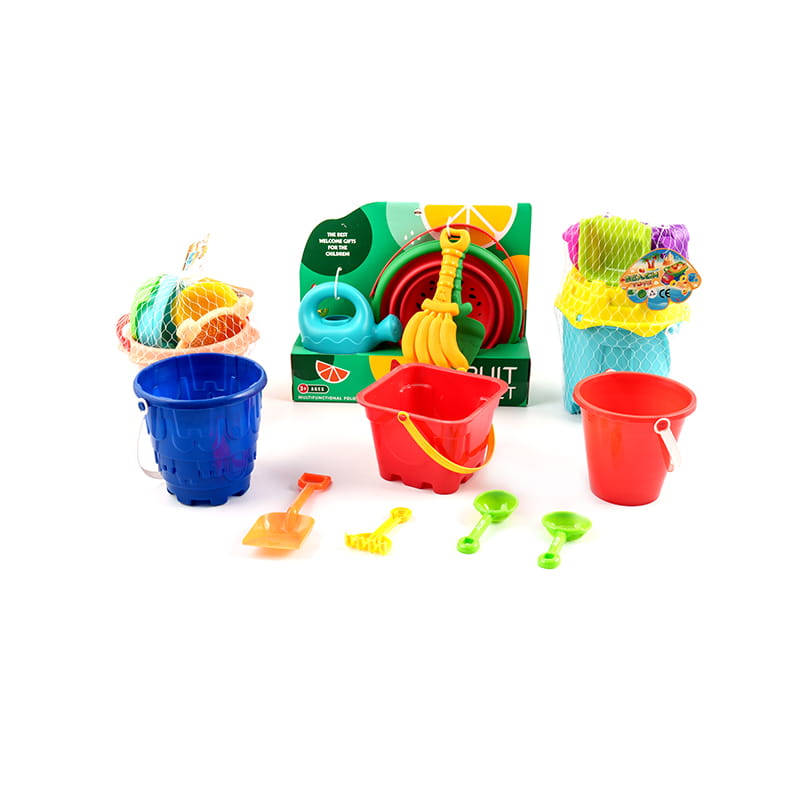 Plastic Beach Bucket PlaysetBeach Bucket Toy Set is a must-have equipment for going to the beach in summer, which is made of environmentally friendly PP material, safe and non-toxic, so kids can ...View Product →
 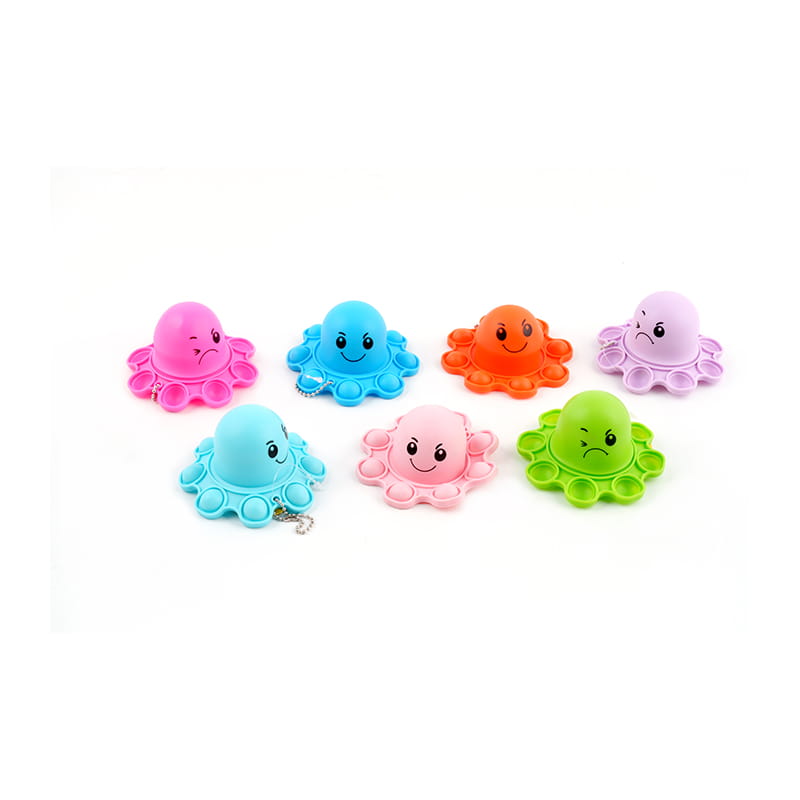 Silicone Decompression Octopus ToyThe stress-reducing little octopus is crafted from high-quality silicone material, which is soft and comfortable to the touch. It comes in a variety of bright colors s...View Product →
What actually makes a toy suitable for an 18 month old?Suitability at 18 months rests on three things: the toy can be started without adult help, every detachable part is above the small-parts threshold, and the play pattern can be repeated in different ways. A toy that meets all three will usually stay in rotation for months rather than days. |
How many toys does an 18 month old actually need?Fewer than most catalogues suggest. A workable core is roughly eight to twelve items covering stacking, sorting, rolling, pushing, sensory and outdoor play. Rotating a smaller set in and out of view keeps engagement higher than leaving everything on the floor at once. |
Are light-up and sound toys a good idea at this age?They work when the effect is caused directly by the child pressing or moving something, because that reinforces cause-and-effect learning. They fail when the toy performs on its own. Volume should stay under 85 dB at 25 cm for indoor use. |
What is the single biggest safety risk in this age band?Small detachable parts. The pincer grip develops right around 18 months, so components that were previously hard to pick up suddenly become easy to pick up and mouth. Any part fitting entirely inside a small-parts cylinder is prohibited for children under three. |
How should a brand choose a toy manufacturer or supplier?Look for a supplier that asks for a written specification rather than a reference photo, provides dimensional reports with the first article, holds a sealed golden sample, and produces compliance documentation as part of the standard deliverable. Those four habits separate a manufacturer from a trading intermediary. |
Can board games or tabletop games work at 18 months?Not as rule-based games. At this age they function as manipulation sets — pieces to pick up, place and knock over. Turn-taking arrives closer to 24 to 30 months, so age labelling should reflect that honestly. |
What does a wholesaler need to check before ordering a mixed container?Confirm the age-grade symbol, the small-parts compliance report, the carton drop test at actual unit weight, and the seasonality mix. Blending roughly 60 percent indoor and 40 percent outdoor volume generally smooths the cash cycle across the year. |
How long should an 18-month toy last in normal use?With weekly inspection and correct cleaning, a well-moulded plastic toy should hold up for one to two years of daily use. Silicone and TPR items are the exception: check them monthly for seam whitening, which is the first sign of fatigue. |
Is it worth customising rather than buying stock designs?Customisation pays off when the brand needs a specific colour system, a differentiated play pattern or own-brand packaging. For a first range, a hybrid approach works well: start with proven moulds, customise decoration and packaging, then invest in new tooling once the sell-through data is in. |
The best 18 month old toys are self-starting, large enough to survive the pincer grip, and built to a written specification rather than a reference photo.
An 18-month assortment does not need to be large, clever or electronic. It needs to be readable in ten seconds, safe against a grip that is newly capable of picking up small things, and capable of repeating itself in slightly different ways so the child keeps finding a reason to come back. Get those three right and the commercial results follow — reviews, reorders and the word-of-mouth that no advertising budget can buy.
For brands building that range from scratch, the practical sequence is straightforward: define the developmental systems you want to hit, write the dimensional and material specification before tooling, choose categories that balance broad coverage against seasonal demand, and work with a manufacturer or supplier who treats compliance documentation and golden samples as part of the product rather than an afterthought.
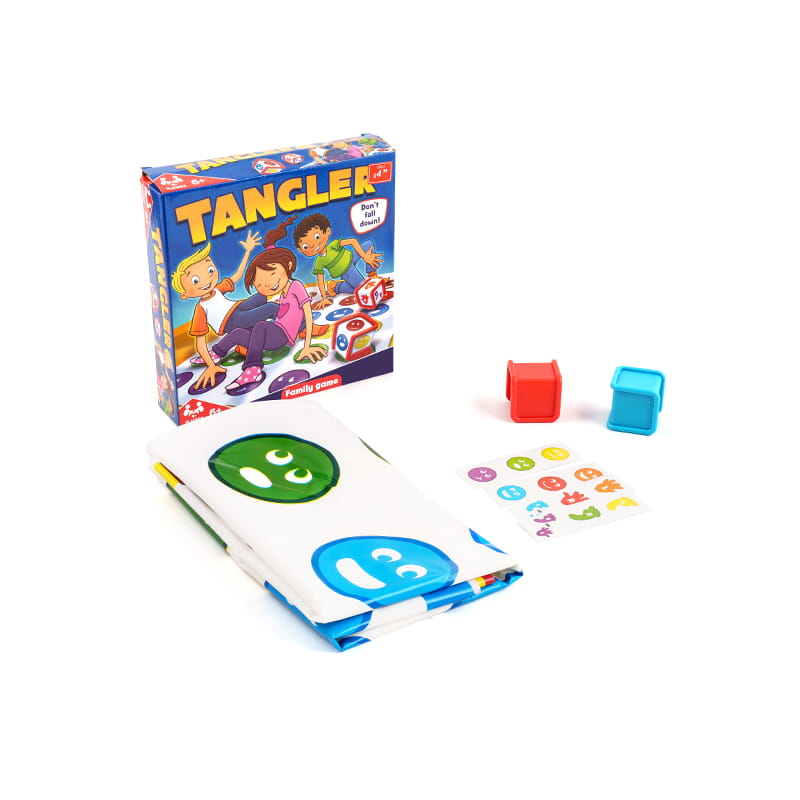
TANGLER is a fun and challenging board game that requires players to use their hands and feet to meet conditions. During the game, players need to mov...
View More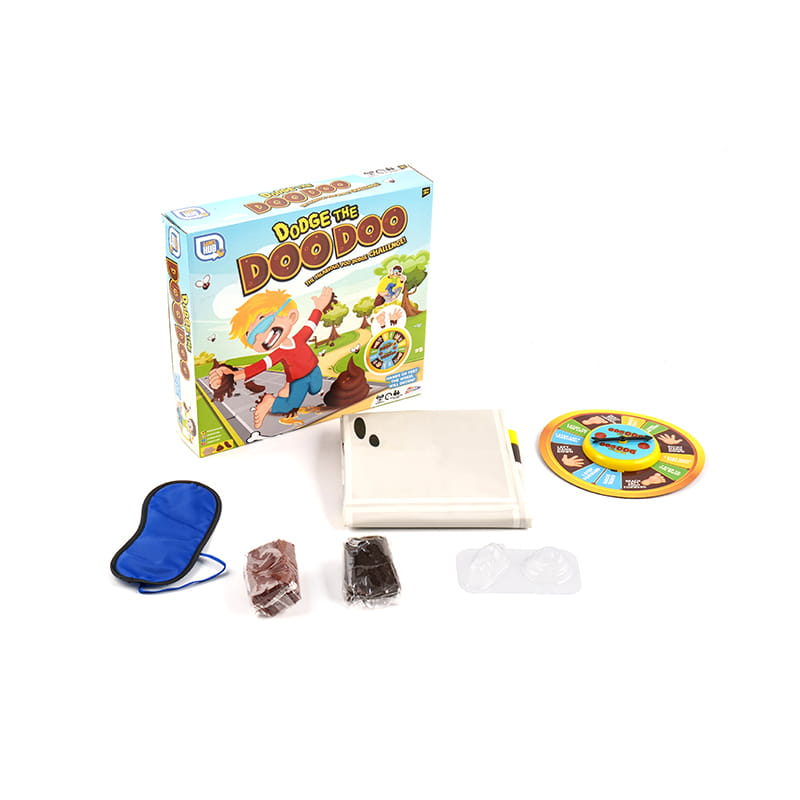
Dodge The Doggy Doo is a fun and challenging game for kids. Children need to put on a blue blindfold and walk blindfolded to complete the tasks on the...
View More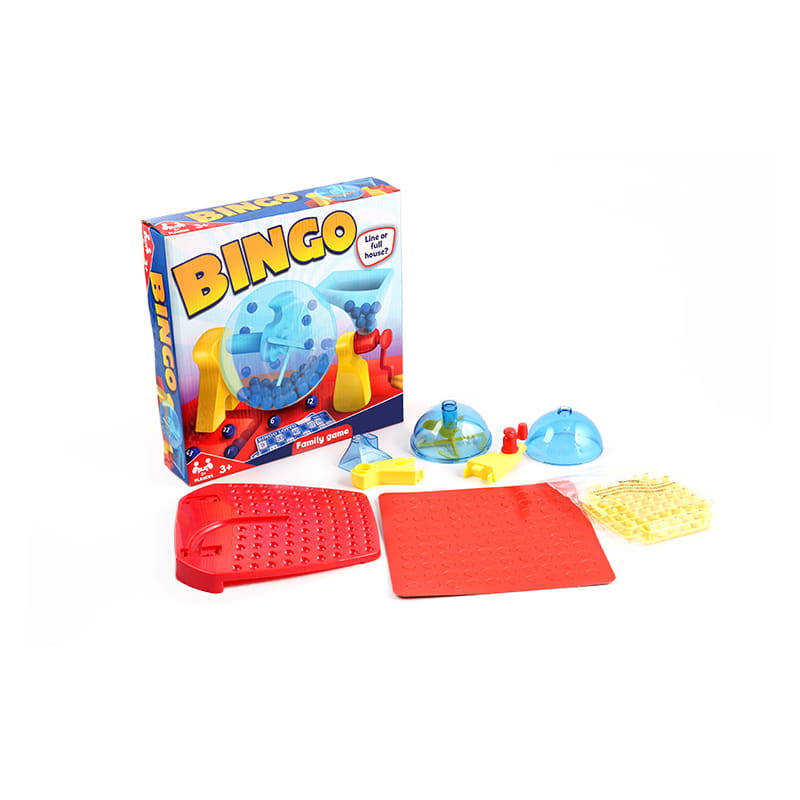
Bingo Game is an entertaining game full of fun and surprises. It contains a beautiful shaker with a sleek design and bright colors that will catch eve...
View More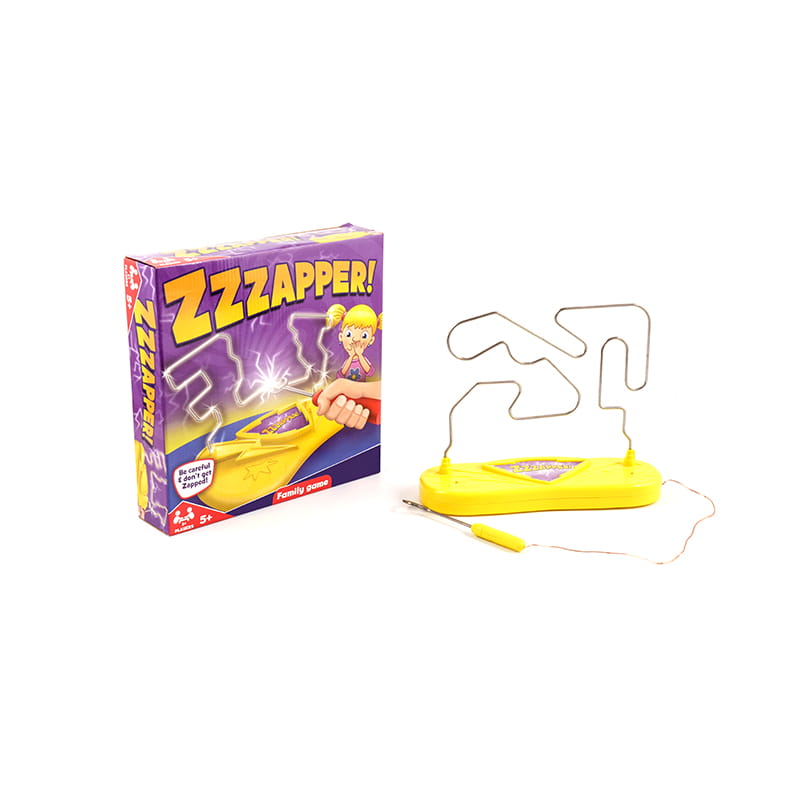
Beware of Electrocution Game is a unique family game designed to test players' concentration and balance. The game consists of a purple game box and a...
View More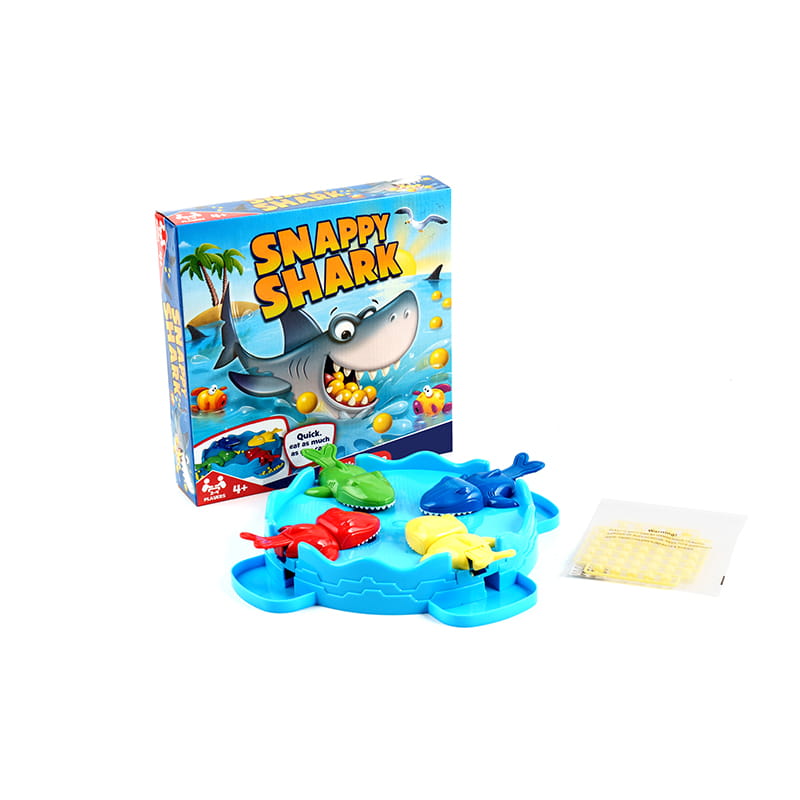
Shark Eat Beads is a four-player interactive game with a “Snappy Shark” theme, where players need to quickly maneuver their sharks to eat as many ...
View More
Luminous Starry Night Patch is a creative decoration. It contains a variety of cosmic elements, such as planets and stars, etc. It is made of special ...
View More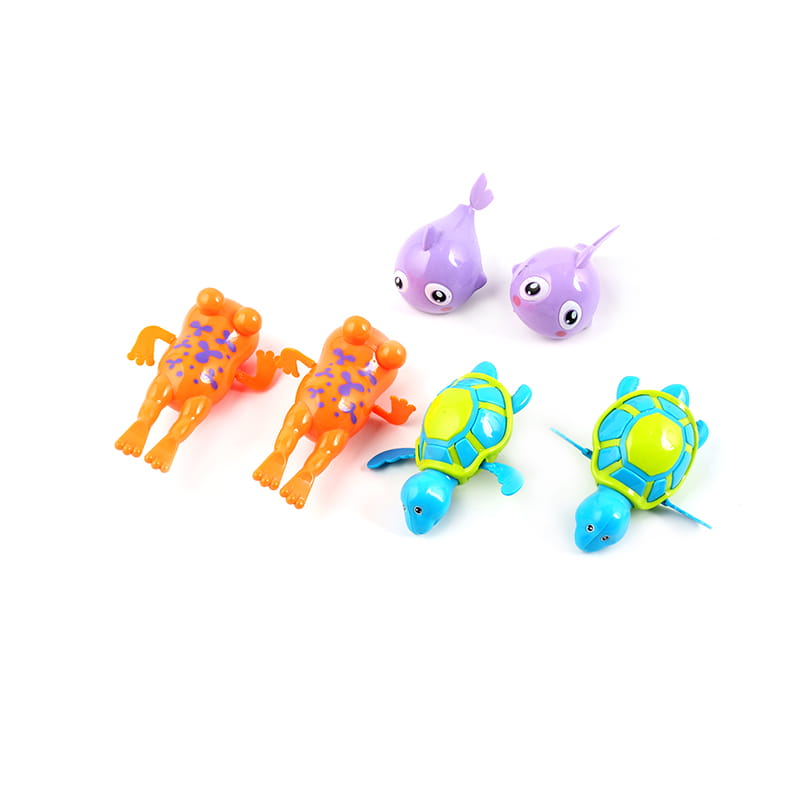
The Uplink Animal Toy is a soothing toy set designed for baby showers. The set contains brightly colored and simply designed plastic toys such as an o...
View More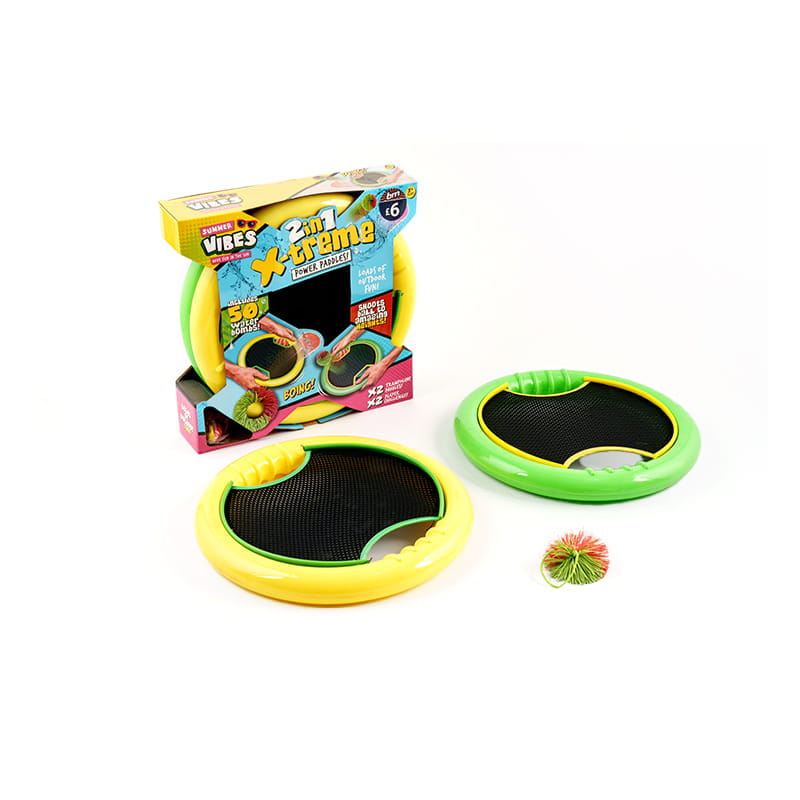
Clap Circle is a fun toy designed for children, containing 2 clappers and 1 colorful ball. This toy can be played alone to work on hand-eye coordinati...
View More
Copyright © Yuyao Leda Crafts Co., Ltd. All Rights
Reserved.

Children's Toys Factory
Children's Toys Manufacturer


