

 English
 English
 中文简体
中文简体- Type:
- Industry News
- Date
- 2026-Oct-12
Industry News
Home / News / Industry News / Best Christmas Gifts for Toddlers: A Toy Manufacturer's Complete Buying Guide
Content
The most dependable Christmas gift for a toddler is not the largest box or the loudest toy. It is the toy a two-year-old can already use, clumsily, on the first afternoon, and then use a little better every week after that. When parents ask us which of our products sell best as holiday gifts, the answer is always the same group: one-piece movement toys, chunky creative kits, rule-light tabletop games, and a small squishy thing that fits in a coat pocket. Those four types of gifts survive December, January and February. Flashing, talking, single-button toys usually do not.
The reason is developmental, not sentimental. Between eighteen months and four years, a child's main job is to move, to carry, to dump, to fill, to stack, to throw and to imitate. A gift that lets a toddler do those things with their own body keeps working long after the wrapping paper is gone. A gift that performs for the child, on the other hand, gives the child nothing to do except press the same button again.
This guide is written from an unusual seat in the room. Yuyao Leda Craft Co., Ltd. has been manufacturing children's plastic toys for overseas brands since 2011, working as an OEM and ODM supplier for clients in Europe and North America. We do not sell directly to families, but we do see, every year, which items wholesale buyers reorder for the Christmas season and which items come back as returns. That pattern is what shapes the recommendations below. If you are a parent or grandparent hunting for the best Christmas gifts for toddlers, the list will help you avoid the expensive mistakes. If you are a retailer, importer or brand manager planning a holiday assortment, the same logic will help you build a category that sells through in January instead of sitting in a clearance bin.
Before looking at individual products, it helps to agree on what "works" means for a child under four. We judge a toddler gift against five practical tests, and a gift that fails more than one of them usually ends up in the bottom of a toy basket by mid-January.
The table below turns those five tests into something closer to a shopping checklist, sorted by age band. It is deliberately conservative: when a child sits on the boundary between two bands, choose the lower one.
| Age band | What the child can already do | Gift type that fits | What to avoid |
|---|---|---|---|
| 12 to 18 months | Walks while carrying one object, mouths almost everything, drops items on purpose | One-piece carry toys, large washable chalk, soft oversized blocks, a lightweight first hoop | Detachable parts under about 3 cm, magnets, loose button cells, long cords |
| 18 to 24 months | Runs, throws overhand, follows a single spoken instruction, starts pretend play | Small hoops, beach bucket and sand sets, foam flyers, chunky peg and posting toys | Hoops that are too heavy to spin, strings longer than about 22 cm, glass or brittle parts |
| 2 to 3 years | Jumps with both feet, wants to do everything alone, sorts two colours, takes turns with help | Rule-light board games, DIY bead and sand kits, water play sets, squishy sensory toys | Games with five or more rules, tiny game tokens, sharp-edged moulding flash |
| 3 to 4 years | Shares with reminders, recognises numbers to five, holds a crayon properly, understands losing | Classic board game sets, ring and target games, full DIY craft kits, outdoor group games | Dice and counters small enough to swallow, competitive games with long waiting times |
Notice how little the price matters in that table. A three-dollar hoop and a thirty-dollar talking robot can occupy the same shelf position in a shop, but only one of them is still being used in March. That is the single most useful thing to understand about this category: a toddler gift is not judged by what it does, but by what it lets the child do.
Buy for the body the child has now, not the age on the box; a gift that fits today's abilities gets used every day.
If you only buy one present, buy something that moves. Movement toys have the highest re-use rate of any toddler gift we manufacture, and the reason is straightforward: the toy cannot be "finished". A hoop never completes a level. It just keeps asking for one more try, and toddlers are compulsive about repetition.
A children's hula hoop is a particularly good Christmas gift because it costs little, stores flat against a wall, and works indoors on a carpet as well as outdoors on grass. It also scales. A two-year-old rolls it and steps through it. A three-year-old spins it a few times before it falls. A five-year-old, usually a sibling, spins it properly. That range of difficulty is exactly what keeps a toy interesting across a family.
From the production side, a toddler hoop behaves very differently from an adult one. A useful reference range for the two-to-four age band is an outer diameter of roughly 45 cm to 55 cm, a wall thickness of about 1.5 mm to 2.0 mm, and a finished weight that stays light enough for a small child to lift with one hand. If a hoop is too large or too heavy, the child cannot get it rotating, and the toy is abandoned within minutes. If it is too small, it will not pass over the shoulders and the child loses interest in the wearing and step-through games that come first.
Materials also matter. Polypropylene, usually shortened to PP, is the standard choice for this product family because it is tough, slightly flexible and resists cracking when the hoop is bent or dropped. A hoop that snaps into a sharp edge is far more dangerous than a hoop that dents. When you are holding a gift hoop in a shop, bend it gently. A good one flexes and springs back; a poor one creaks.
Light-up versions deserve a short separate note because they are the most requested Christmas variant. An LED hoop inside a sealed tube, powered by a battery compartment that is closed with a screw, gives you the visual appeal of an electronic toy without the tiny loose parts that make electronics risky for children under three. Check two things: that the battery door cannot be opened by hand, and that the light strip is fully enclosed inside the tube rather than glued onto the outer surface where a determined toddler can pry at it.
 Kids LED Light Hula HoopThis children's LED lighted hula hoop is made of PE tubing as a sturdy and durable frame and skillfully assembled with LED light beads. Various colors of plastic hoops...View Product →
Beyond hoops, the movement category includes foam flyers, plastic frisbees, bucket and spade sets, and water balloon shells for summer, though those last ones obviously belong to a different season. For a December gift, hoops and flyers are the strongest indoor-and-outdoor options, because both can be used in a hallway when the weather is bad.
There is a second benefit that parents often notice only in hindsight. Active gifts give a toddler a way to discharge energy during the weeks when the house is full of visitors, late nights and sugar. A twenty-minute hoop session before dinner is, in practice, a behaviour-management tool. Our own industry writing on the subject, how hula hoop play develops physical coordination, covers the coordination side in more detail, but the short version is that the toy earns its place because the child uses it without being asked.
A movement gift is the only toddler present that gets more valuable as the child grows stronger.
Craft and sensory kits are the second reliable category, but they come with the largest variation in quality. Two kits that look identical on a shelf can differ enormously in how much mess they make and how long the material lasts. The difference is usually in formulation rather than in the box art.
Consider chalk. Ordinary pressed chalk breaks and crumbles into a fine dust that a toddler will then walk through the house. A thicker, denser sidewalk chalk holds together longer, and chalk paint, which is applied with a brush, produces far less airborne dust because the pigment is bound in liquid. For a Christmas gift in a cold climate, chalk paint is often the smarter choice because the activity can be moved indoors onto a large sheet of paper or card without turning the kitchen floor into a dust tray.
Play sand and sand art follow the same principle. A sand scene toy with a moulded plastic tray keeps the material in one defined area and gives the child a target: fill the tray, build the farm, wipe it out, start again. Loose sand in a bag is cheaper but ends up spread across a two-metre radius within ten minutes, which is why so many parents quietly retire sand gifts after a single use.
Bead and jewellery kits sit at the older end of the toddler range. They build fine motor control and give a child a finished object to show, which is powerful motivation at three or four years old. The trade-off is size. Any bead that can fit entirely inside a cardboard toilet roll tube is a choking risk for younger siblings, so a bead kit should be treated as a three-plus gift and stored out of reach of a one-year-old. If there is a baby in the house, choose a threading kit with oversized chunky pieces instead.
Tie-dye and fabric craft kits are the least forgiving in a rented apartment, because they require water, gloves, a workspace and drying time. They are, however, outstanding gifts for a three-year-old who has an older sibling and a garden, since the activity becomes a shared project rather than a solo one. The general rule for the whole creative category is simple: buy the version with the tray, the mould or the mat, because containment is what decides whether a craft gift is used once or twenty times.
One further point that is easy to overlook when shopping online: check whether consumables are replaceable. A chunky drawing board or colouring board that uses standard supplies will still be in use at five years old. A kit built around one proprietary refill usually is not.
For craft gifts, containment decides whether the present gets used twenty times or exactly once.
Board games are the most misunderstood toddler gift. Parents often buy a game for a child of three and then discover that the rules require reading, counting to fifty and waiting patiently for four other players. That is a game for an eight-year-old wearing a toddler-friendly box.
What actually works at two to four years old is a game with one rule and a strong physical action. Rolling a die and moving a piece is enough. Matching colours is enough. Guessing who is hiding behind a card is enough. The educational value is not in the theme; it is in the repeated cycle of wait, act, wait, act, which is the foundation of turn-taking.
A classic example in our own catalogue is a combined flight chess, snakes and ladders, checkers and chess set. The point of such a set is not that a three-year-old will play chess. It is that one box covers four years of development: snakes and ladders at three, checkers at five, chess a little later. As a Christmas gift it solves the "they will grow out of it by spring" problem, and it also survives being packed away and brought out again on rainy days.
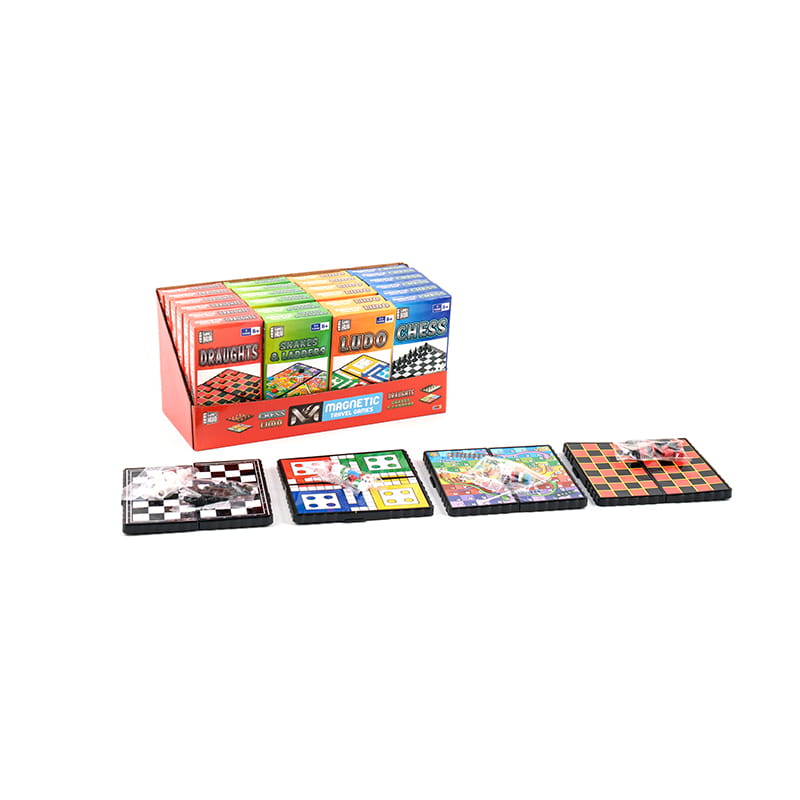 Flight Chess, Snakes And Ladders, Chess, Checkers Toy SetOur classic board games, including Flight Chess, Snakes and Ladders, Chess and Checkers, are great for family fun and intellectual development. These games not only de...View Product →
Two practical checks apply to any toddler board game. First, look at the pieces. Counters should be large enough that they cannot be swallowed, and the board should fold flat rather than remaining permanently open. Second, look at the wait time. In a four-player game, a toddler waits three turns between their own moves, which is roughly the limit of their patience. Games designed for two or three players are therefore better first games than games designed for six.
Card and action games can also work well if the action is physical. A game where players copy a pose, balance a piece on their head or shout a word aloud turns waiting time into something the child can enjoy as a spectator, which removes most of the frustration. Guess-who style games, where a child hides a card and others ask simple questions, work for the same reason: the child who is not playing is still watching something happen.
Choose the game with the shortest wait between turns, not the one with the most educational theme on the box.
The fourth category is the one that grandparents tend to skip and children tend to love. Small squishy toys, stretch toys, textured balls and fidget items cost very little, take up no space, and get used at the exact moments when a toddler most needs something to do with their hands: in a car seat, in a queue, in a restaurant, at the end of a long Christmas Day.
The materials in this family are not the same as standard rigid plastic. Silicone and TPR, a rubbery thermoplastic, are used because they deform and recover, which is the whole point of the toy. A good squeeze toy returns to its original shape after hundreds of squeezes; a cheap one develops a permanent dent or tears at the seam within a week. Seam quality is the single thing to inspect, because a torn silicone toy can shed small fragments.
A good example from our range is a silicone decompression octopus, which combines a soft squeezable body with stretch legs. It works for a toddler because the child can grab it with one hand and pull with the other, and it works for an adult because the same action is calming. That dual use matters more than it sounds: a toy that a parent also picks up is a toy that stays in the bag rather than being tidied away into a box.
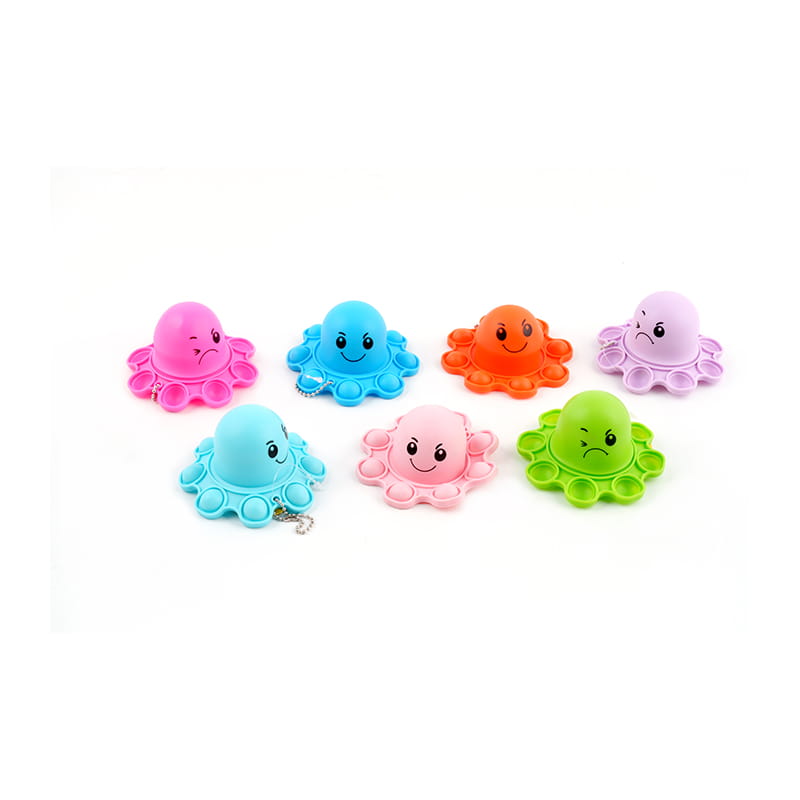 Silicone Decompression Octopus ToyThe stress-reducing little octopus is crafted from high-quality silicone material, which is soft and comfortable to the touch. It comes in a variety of bright colors s...View Product →
There is a reasonable limit to this category, though. A sensory toy is an accessory, not a main present, and it should never replace a gift that involves whole-body movement or active construction. If a child's entire Christmas consists of small fidget items, they will have plenty to hold and nothing to run with. Used as a stocking filler or a supporting gift, however, these items have one of the highest play-time-per-dollar ratios in the whole toddler market.
A pocket-sized sensory toy earns its place as a stocking filler that gets used in cars, queues and waiting rooms all year.
Most gift guides treat every category as equally good, which is not helpful when a shopper has a limited budget and a limited amount of space under the tree. To make the comparison concrete, we scored the main gift categories against five factors that matter for a child between eighteen months and three years old. The factors are independent play value, physical activity, durability, replay frequency and social play potential. Each category was scored out of ten, and the chart below shows the composite result. The scores are an editorial model based on our manufacturing and reorder experience rather than a research study, but the ranking has been stable for several seasons. It is intended as a shortlist tool, not as a lab measurement.
Gift-fit score for toddlers aged 18 to 36 months (composite score out of 10)
Active movement toys such as hoops and flyers
Creative and DIY kits with built-in trays
Chunky tabletop games with one simple rule
Sensory and calming squeeze toys
Soft plush comfort toys
Battery talking and flashing toys
The gap between the top and the bottom of that chart is larger than most shoppers expect. Active movement toys score highest because they satisfy four of the five factors at once: the child starts alone, the play is physical, the product survives rough handling, and the same toy can be shared with a sibling. Creative kits come very close, losing a little on durability because consumables run out, and losing a little on independent play because a two-year-old still needs help opening a tray of sand.
Tabletop games land in third place for a specific reason. Their ceiling is high, since a good game is used for years, but their floor is low, since a badly chosen game is abandoned after one attempt. That is why the recommendation is always the same: pick the simplest rule set available and ignore the age range printed on the front of the box, because that number is usually set by the marketing team rather than by the play pattern.
Sensory toys appear in fourth place, and the position is honest rather than dismissive. They are rarely the main event, but they have an unusually high rate of being used every single day, often in situations where no other toy works. A squeeze toy is the only item on this list that can be used in a car seat without the driver being distracted.
Soft plush comfort toys sit lower than most gift guides would place them, and this surprises people. Plush is wonderful for comfort, sleep and emotional security, but it is not a play product. A child hugs a soft toy; a child does not spend forty minutes actively playing with it. As a gift, plush works best alongside something active, never instead of it.
Battery-operated talking and flashing toys finish last, and this is where the chart is most likely to contradict a shopper's instinct. These toys perform extremely well in a shop demonstration and extremely poorly in a living room. The child watches, presses one button, watches again, and then walks away. There is no skill to build, no target to reach, and no way for an older sibling to join in. From a manufacturer's point of view, they also carry the highest defect and return rate of any category, because a speaker, a circuit board and a battery compartment are three additional things that can fail.
The practical conclusion for a Christmas shopper is not that the bottom categories should be avoided entirely. It is that the budget should be weighted toward the top. A sensible split for a toddler's Christmas is one gift from the top two categories as the main present, one game or activity gift from the middle, and one or two small sensory or comfort items as stocking fillers. That combination covers movement, creativity, social play and quiet time, which together handle almost every hour of a long holiday.
For a retailer or an importer building a holiday assortment, the same chart reads differently but points in the same direction. Movement and creative products turn over fastest and produce the fewest complaints, so they deserve more shelf space and more of the marketing budget. Battery electronics look impressive in a catalogue but generate disproportionate after-sales cost. Several of the wholesale buyers we work with have quietly reduced their electronic share of the toddler category and increased their plastic movement and craft share over the last three seasons, and their sell-through data has improved as a result.
Weight the budget toward movement and creative gifts, and treat battery electronics as the category most likely to disappoint after Christmas morning.
Parents rarely get to see a test report, but they can still judge a toy's quality by looking at a few physical details. These are the same details an import buyer checks when deciding whether a supplier is worth a second order.
Start with the material. Rigid parts in this category are usually polypropylene or polyethylene, both of which are tough and resistant to cracking. Flexible parts are usually TPR or silicone. Chalk and play sand are mineral-based and should be dust-controlled. In every case, the important question is not what the material is called but whether the finished toy has been tested as a finished product, since a safe raw material can still produce an unsafe toy if the moulding, printing or assembly introduces a sharp edge or a detachable part.
Beyond the shop checks, there is a documentation layer that matters if you are buying in volume. European importers normally ask for EN 71 test reports covering mechanical and physical properties, flammability and migration of certain elements. North American buyers ask for ASTM F963 and, for children's products generally, CPSIA documentation on lead and phthalates. A supplier that can produce current reports quickly, and that runs its own physical performance testing, chemical composition analysis and durability assessment before shipment, will save a buyer a great deal of time at customs.
One further point deserves attention because it is so often missed. Safety is partly a design decision made at the factory and partly a household decision made at home. A well-designed bead kit is still unsafe in a house with a one-year-old if it is stored on a low shelf. A hoop is safe in a hallway and less safe at the top of a staircase. Good gifts reduce risk; they do not remove the need for a five-minute look around the room.
Test the finished toy, not the material list: edges, seams, battery doors and printed decoration are where most faults appear.
There is one difference between a family shopper and a business buyer that is worth spelling out, because it explains why certain products disappear from shelves in November while others stay in stock. A family buys a gift in December. A retailer, importer or brand manager buys the same gift in June, because container shipping from the Ningbo and Hangzhou Bay area to Europe or the United States takes weeks, and because production capacity in the third quarter is booked long in advance.
For a toy manufacturer working with OEM and ODM clients, the holiday calendar runs roughly like this: design and sampling in the first quarter, order confirmation and material preparation in the second, mass production in the third, and shipping through the autumn so that goods arrive in warehouses before the retail season begins. A buyer who starts looking for a toddler gift supplier in October is not buying for this Christmas. They are buying for the next one, or paying a large premium for air freight.
The same timeline has a practical implication for parents, though it is a gentler one. Popular toddler gifts sell out early because retailers have deliberately ordered tight quantities, since unsold Christmas stock is expensive to store. If a specific hoop size or game set is the plan, buying it in October is not excessive; it is simply how the supply chain works.
| Household buyer Compares two or three options in a shop or online. Buys one or two units. Decides in the final weeks of the year. Judges the gift by how the child reacts on Christmas morning. |
Retail or wholesale buyer Reviews samples, test reports and packaging. Orders in hundreds or thousands of units with a defined MOQ. Decides six months ahead. Judges the product by sell-through rate and return rate after the season. |
If you are sourcing rather than shopping, the checks that matter most are sample lead time, mould ownership, packaging customisation and consistency between the sample and the mass production run. Colour matching is the classic problem in this category: a hoop that matches the approved sample perfectly can still drift a shade or two across a large production batch, so a supplier should be able to confirm how colour is controlled on the line. Ask about it directly. A supplier that cannot answer that question in detail is a supplier that will eventually send a container that does not match the photograph.
Christmas stock is decided in June and delivered in autumn, so late sourcing means paying for air freight or waiting a full year.
Assembling a gift set is often easier than choosing a single item, because a bundle covers several of the categories above and guarantees that at least one part of the present will land well. The three combinations below are the ones we see repeated most often in holiday orders, and each is built around a different type of toddler. Swipe sideways to see all three.
A lightweight hoop in a bright colour, a foam flyer and a sensory squeeze toy. Works for a child who runs everywhere and will not sit still for a craft activity. Best age range: eighteen months to four years.
A chalk or chalk paint set, a sand scene tray and an oversized threading kit. Works for a patient child who likes to finish things. Best age range: two and a half to four years, with supervision for the smaller pieces.
A combined board game set, a set of large cards for a simple guessing game, and a fidget toy to keep hands busy between turns. Works for a child with older siblings. Best age range: three to five years.
Two notes on bundles. First, keep the number of items small. Three good gifts produce more play than ten mediocre ones, and a child who is overwhelmed by a mountain of presents tends to flit between them rather than settling into any. Second, mix at least one active item into every bundle, because an all-craft or all-quiet set will be abandoned on a day when the child has energy to burn.
A bundle of three well-chosen gifts beats a pile of ten, as long as at least one of them requires running.
After more than a decade of watching holiday orders move through the factory, the same mistakes appear year after year. Most of them are avoidable with a two-minute check.
There is a version of this list for trade buyers as well. The recurring mistakes on the sourcing side are ordering electronics without confirming after-sales support, accepting a colour sample that has not been approved under production lighting, and skipping the small-scale pre-production sample before committing to a full run. Each of those shortcuts saves a week in June and costs a month in December.
Most toddler gift failures are planning failures, not product failures: wrong age, wrong mix, or nowhere to store it.
What are the best Christmas gifts for toddlers if I can only buy one thing?A lightweight children's hula hoop in the right size for the child. It costs less than most alternatives, it works indoors and outdoors, it can be shared with siblings, and it stays interesting for years because the difficulty increases with the child's strength. |
Is a light-up toy safe for a two-year-old?It can be, provided the battery compartment is sealed with a screw and the light strip is fully enclosed inside the toy rather than glued to the outside. Loose button cells are the main hazard in this category, so check the door before anything else. |
How large should a toddler hoop be?A practical reference range for children between two and four years old is roughly 45 cm to 55 cm in outer diameter with a wall thickness of about 1.5 mm to 2.0 mm. If the child cannot lift it with one hand, it is too heavy. |
Are craft kits or board games a better gift for a three-year-old?Both work if the rules are simple. Craft kits suit a patient child and need a contained workspace. Board games suit a social child and need short wait times between turns. A two-player game with one rule is a better first board game than a four-player game with five rules. |
When should a retailer or importer place a Christmas order?Design and sampling usually happen in the first quarter, orders are confirmed in the second, and mass production runs through the third quarter so goods can ship by sea in autumn. Orders placed after September normally require air freight or move to the following year. |
What should a wholesale buyer ask a toddler toy manufacturer?Ask for current EN 71 or ASTM F963 reports, the sample lead time, the minimum order quantity, how colour is controlled across a batch, and whether packaging can be customised. Also confirm whether the supplier runs its own durability and chemical testing before shipment, since that reduces the risk of a rejected container. |
If you want to look at the products behind this guide, or understand how we build toddler toys for holiday programmes, the links below are the most useful starting points. One covers the manufacturing side of the business, and the other looks at the developmental research behind movement toys.
Christmas shopping for a toddler is easier once the question changes. Instead of asking which toy is the most impressive, ask which toy a small child can pick up alone, use badly on the first attempt, and still be using in March. That question eliminates most of the expensive mistakes in this category and points reliably toward movement toys, contained craft kits, one-rule games and a small squishy thing for the car.
If you are buying for a household, the four-category structure in this guide will get you to a shortlist in a few minutes, and the age-band table will keep you out of the dangerous corner of the market. If you are buying for a retail programme, the same structure explains why movement and creative products deserve the bigger share of the shelf, why electronics need extra after-sales planning, and why the ordering calendar starts in the middle of the year rather than in December.
Whichever side of the counter you are on, the underlying rule does not change: a toddler gift succeeds when the child is the one doing the work.
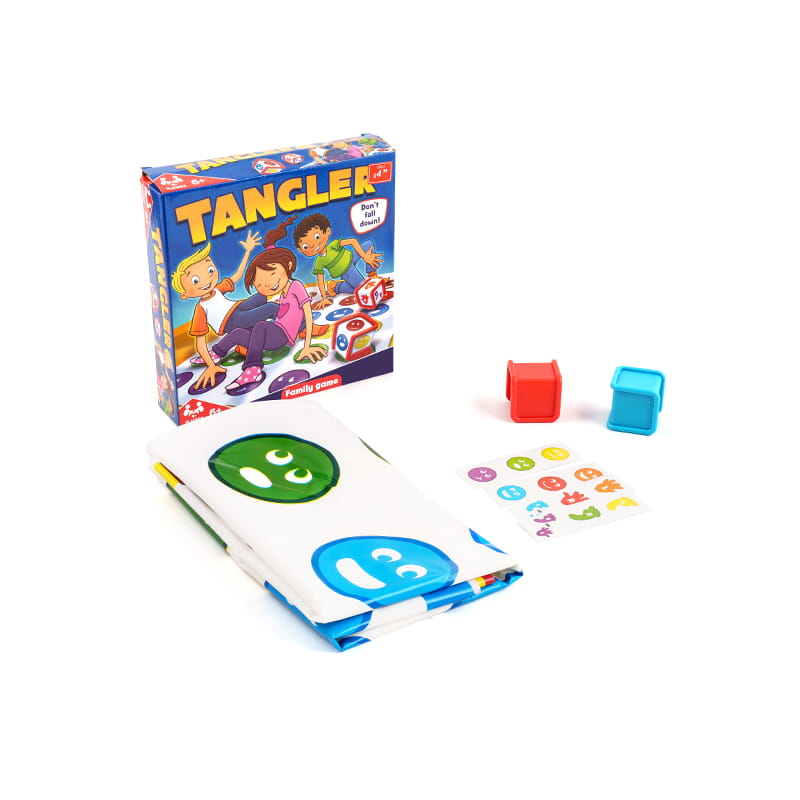
TANGLER is a fun and challenging board game that requires players to use their hands and feet to meet conditions. During the game, players need to mov...
View More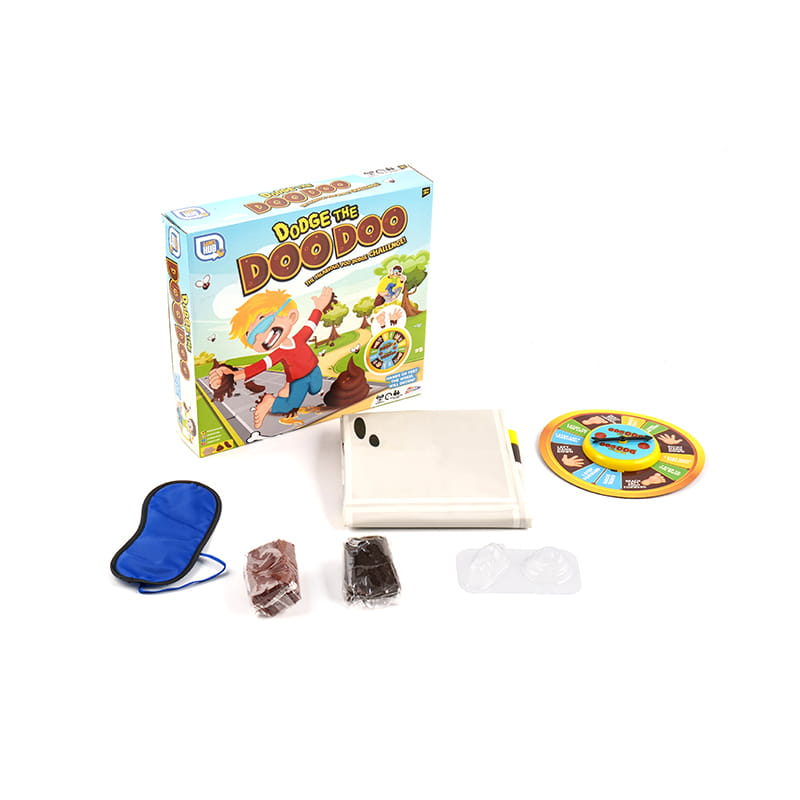
Dodge The Doggy Doo is a fun and challenging game for kids. Children need to put on a blue blindfold and walk blindfolded to complete the tasks on the...
View More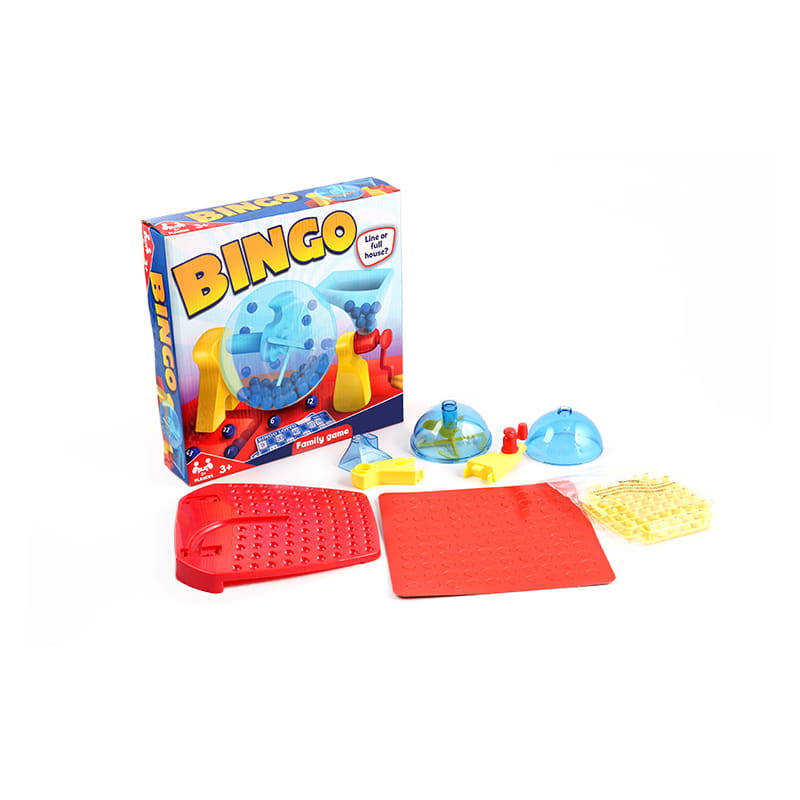
Bingo Game is an entertaining game full of fun and surprises. It contains a beautiful shaker with a sleek design and bright colors that will catch eve...
View More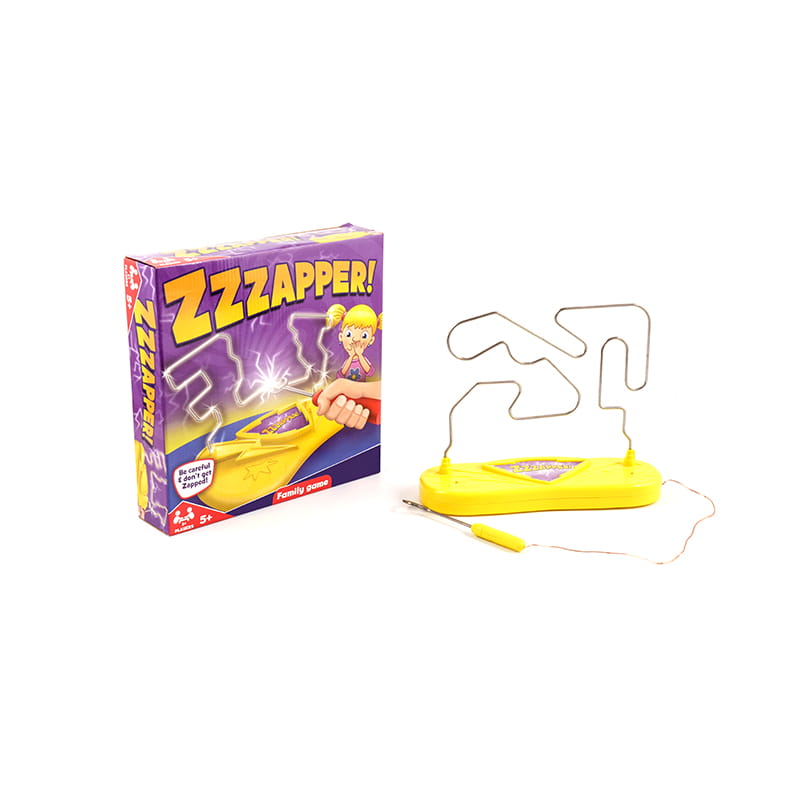
Beware of Electrocution Game is a unique family game designed to test players' concentration and balance. The game consists of a purple game box and a...
View More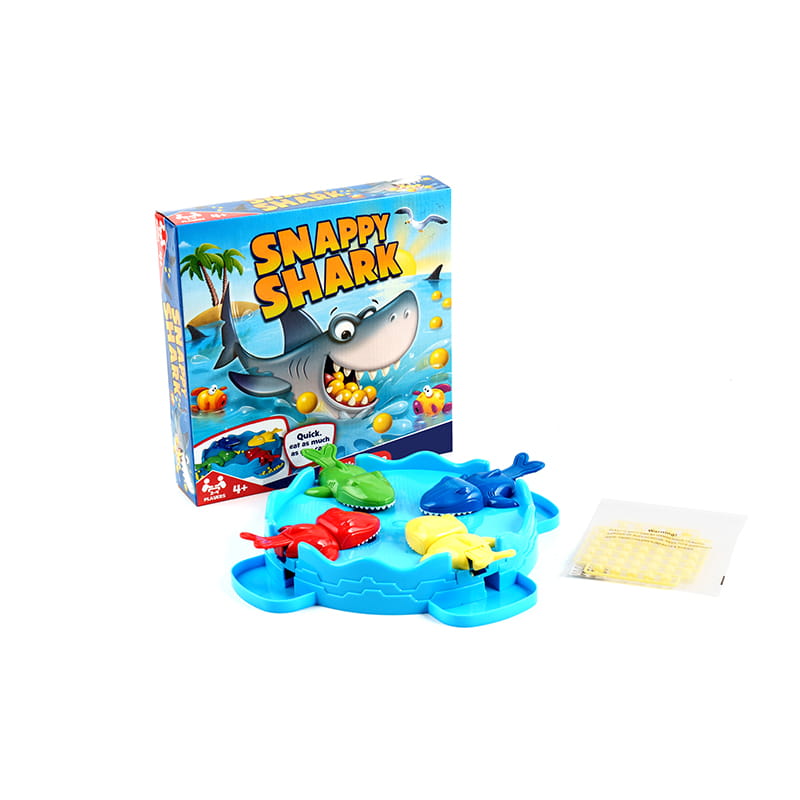
Shark Eat Beads is a four-player interactive game with a “Snappy Shark” theme, where players need to quickly maneuver their sharks to eat as many ...
View More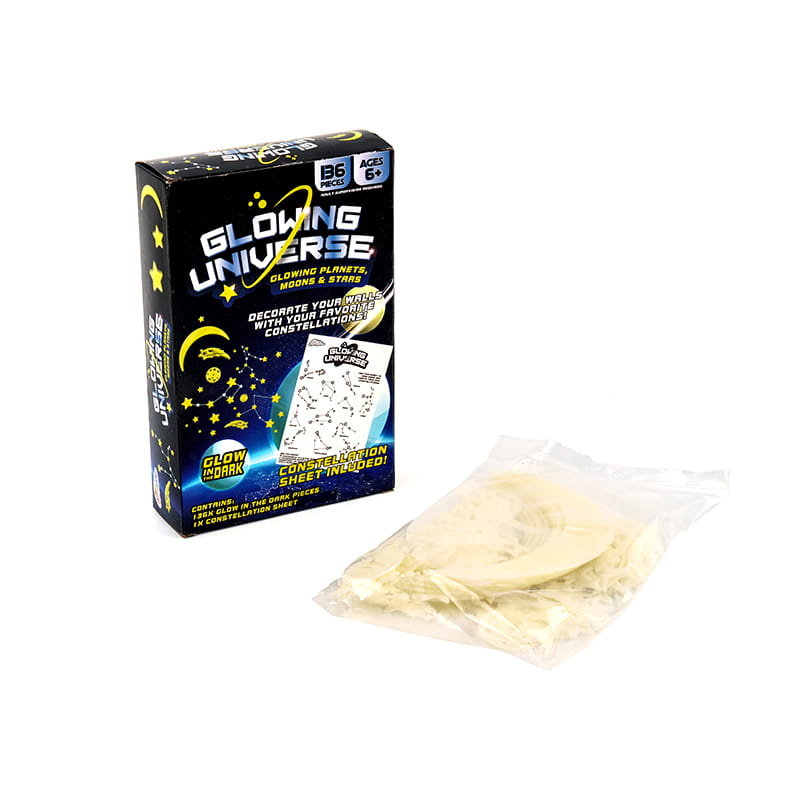
Luminous Starry Night Patch is a creative decoration. It contains a variety of cosmic elements, such as planets and stars, etc. It is made of special ...
View More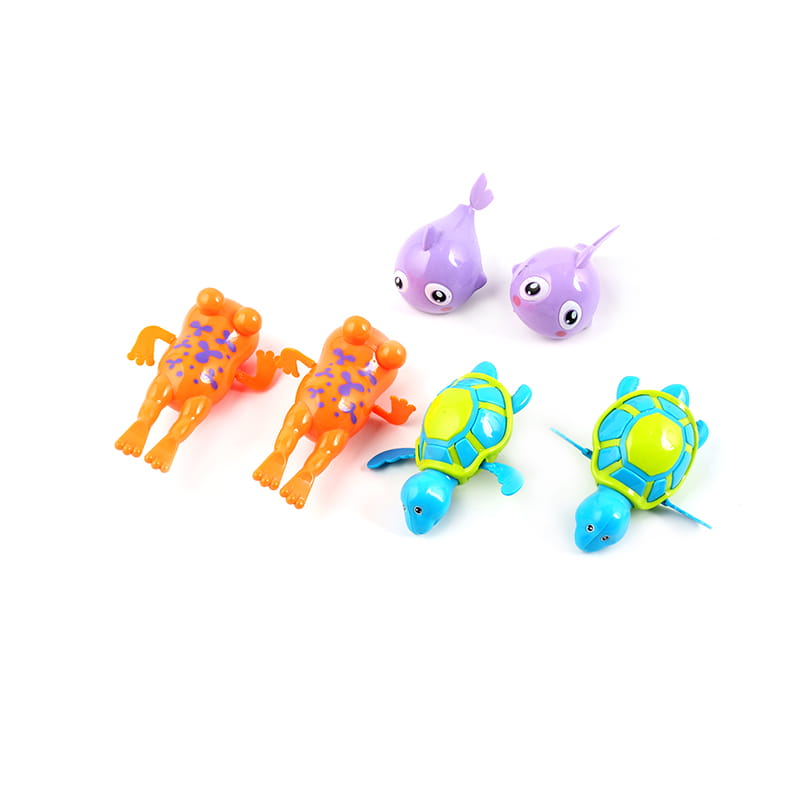
The Uplink Animal Toy is a soothing toy set designed for baby showers. The set contains brightly colored and simply designed plastic toys such as an o...
View More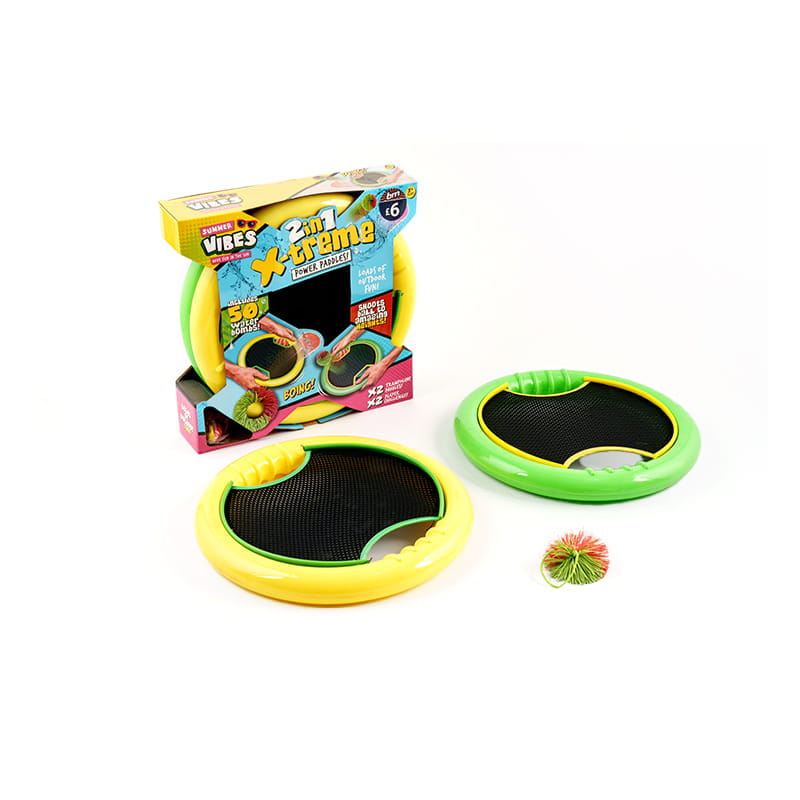
Clap Circle is a fun toy designed for children, containing 2 clappers and 1 colorful ball. This toy can be played alone to work on hand-eye coordinati...
View More
Copyright © Yuyao Leda Crafts Co., Ltd. All Rights
Reserved.

Children's Toys Factory
Children's Toys Manufacturer


