

 English
 English
 中文简体
- Type:
- Industry News
- Date
- 2026-Nov-03
Industry News
Home / News / Industry News / Best Toys for 18 Month Olds: A Milestone-First Safety and Buying Guide
Content
Hand an 18-month-old a singing plastic puppy and an empty carton, and the carton usually wins. That is not a parenting failure. At this age a child has just worked out how to walk, squat, dump a container out and stuff things back in, and any object that lets them repeat those moves a hundred times is more interesting than something that performs while they watch.
Here is the short answer: the best toy for an 18 month old is usually a simple, sturdy, open-ended object that the child has to operate themselves, not the one with the most buttons, lights or voices. A push-along cart, a set of big nesting cups, a soft stretchy ring, a bucket of sand and a chunky crayon will almost always outlast a battery toy in the corner of the room.
We are a manufacturing and trading company in Yuyao, near the Hangzhou Bay Bridge, making children's plastic toys for brands in Europe and the Americas. Our range covers toddler hula hoops, stress-relief and sensory toys, beach and outdoor game sets, chalk and DIY materials, and board-style games. So this article mixes two viewpoints: what a parent should look for in the shop, and what a buyer, brand manager or sourcing team should check before placing an order for the same age group.
Both groups are asking the same question underneath: what does an 18-month-old actually do with a toy, and what has to be true about the design, material and finish for that play to be safe and long-lasting? The sections below answer that in order, starting with the development picture, then the toy categories worth owning, then materials and testing, then a comparison chart, buying checklists and maintenance.
Between roughly 15 and 24 months, the skills that are being practised are mostly whole-body and hand-based. Most children in this window can walk alone, climb a step while holding on, stack two or three blocks, make marks with a thick crayon, say a handful of words, point at body parts and copy simple household actions such as wiping a table. Object permanence is settling in, which is why hiding games and "where did it go" routines get such a strong reaction.
A toy earns its place at this stage by leaving the last step to the child. A push toy that rolls too freely does the walking for them; a push toy with slightly firm wheels lets them set the pace and stop when they want to. A shape sorter that only accepts the correct piece in one orientation at 18 months is frustrating, while one with generous tolerances lets the child succeed and then try again. A toy that plays a whole song at the press of a button gives the child nothing to solve after the first press.
| Skill area | Typical 18-month behaviour | Toy feature that fits | What to check before buying |
|---|---|---|---|
| Walking and balance | Walks alone, carries an object while walking, squats to pick things up | Push-along carts, lightweight balls, large hoops to roll and chase | Wheels with slight resistance, handle height that matches the child's shoulder, no sharp axle ends |
| Hand and finger control | Stacks two or three blocks, drops small items into a container, turns pages | Large building blocks, nesting cups, posting boxes, chunky board books | Single pieces over 3 cm, rounded edges, no parts that fit inside a small-parts cylinder |
| Sensory exploration | Repeatedly squeezes, pulls, pats and throws objects to test them | Stretchy plastic rings, silicone squeeze toys, sand and water play | Material clearly stated, no loose glitter, no strong chemical smell, seams that cannot split |
| Imitation and pretend play | Feeds a doll, copies cooking, pretends to talk on a phone | Play kitchen pieces, soft dolls, simple props, empty containers | Open-ended design with no single "correct" way to play |
| Language and turn-taking | Uses a few words, follows one-step instructions, hands objects back | Lift-the-flap books, roll-and-retrieve games, simple cause-and-effect toys | One rule at most, short play cycle, no reading or counting required |
Notice that the last column in the table is almost entirely about physical properties, not about features. That is not an accident. At 18 months the difference between a toy that gets played with for two years and one that gets abandoned in a week is rarely the concept; it is whether the size, weight, friction and finish suit a small body that is still learning to control itself.
This is also where the manufacturing side matters to parents. A block that is 2.8 cm across and a block that is 3.2 cm across look identical in a photograph, but only one clears the small-parts threshold used in toy safety testing. A hoop that weighs 90 g and one that weighs 180 g both look like a hoop, but only one can be rolled indoors without knocking over a lamp. These margins are set at the drawing stage, long before anyone sees the product on a shelf.
The categories below are the ones that tend to survive the longest in a real playroom. They are listed roughly in order of how much physical practice they deliver per minute of play, which is a more useful ranking at this age than how they look in a catalogue.
Push carts, pull-along animals, medium-sized balls and lightweight hoops all feed the same need: moving while holding something. A toddler hoop is not used for spinning at 18 months. It gets rolled across the floor and chased, held up like a steering wheel, dropped over a shoulder, or carried from room to room. That is exactly the right use. A light hoop with a smooth inner edge is one of the few toys that works indoors on a rainy day and outdoors in the evening.
 Kids LED Light Hula HoopA children's PE hula hoop with flashing LED beads and glow-in-the-dark effect, available in multiple sizes and customizable colors for active play.View Product →
Large building blocks, nesting cups, stacking rings and simple posting boxes all train the same sequence: pick up, align, release, repeat. At 18 months the goal is not construction, it is the release. A child will stack two blocks, knock them down, and stack them again, sometimes for ten minutes. Blocks with slightly rounded corners and a bit of texture are easier for small hands than perfectly smooth cubes.
Stretchy rings, silicone squeeze shapes, soft TPR figures and simple textured balls give a toddler something to do with their hands while they are sitting still, which is often when they are most likely to get restless. These are also the toys that get carried around, chewed on the edge of, and dropped on tile floors, so material quality matters more than the shape.
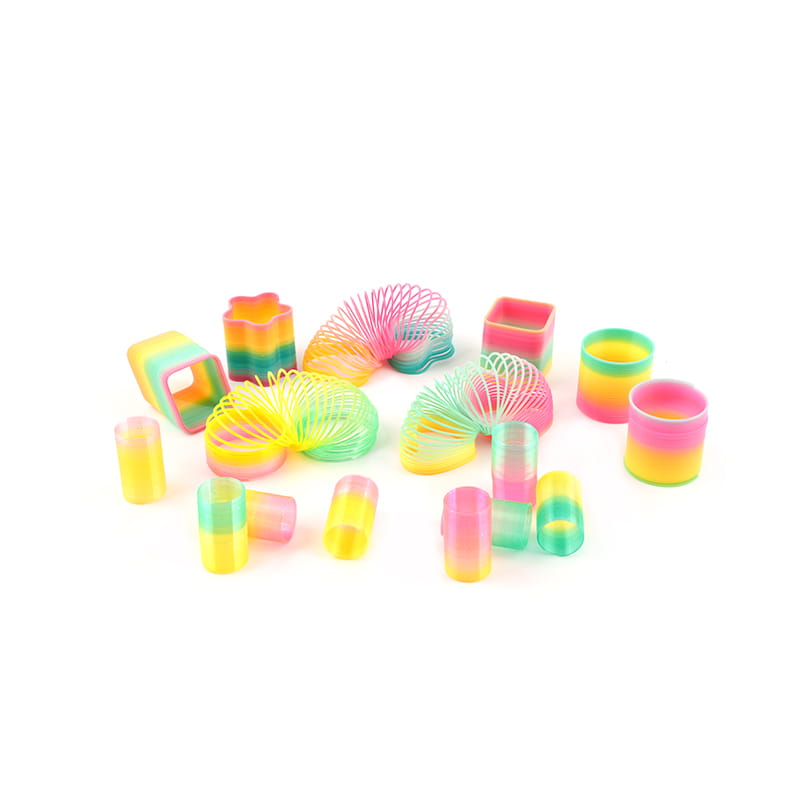 Colorful Plastic Rainbow Circle ToyA soft-touch PVC circle toy in multiple colors with customizable glow, print, or surface effects, usable as a handheld play item or decoration.View Product →
A bucket, a scoop, a small mould and a sieve will hold an 18-month-old's attention longer than almost anything else on this list, because pouring is the perfect activity for this age: it is repetitive, it has a visible result, and it can be done sitting down. Beach sets are also the category where handle strength matters most. A thin bail handle snaps the first time a child stands on the bucket.
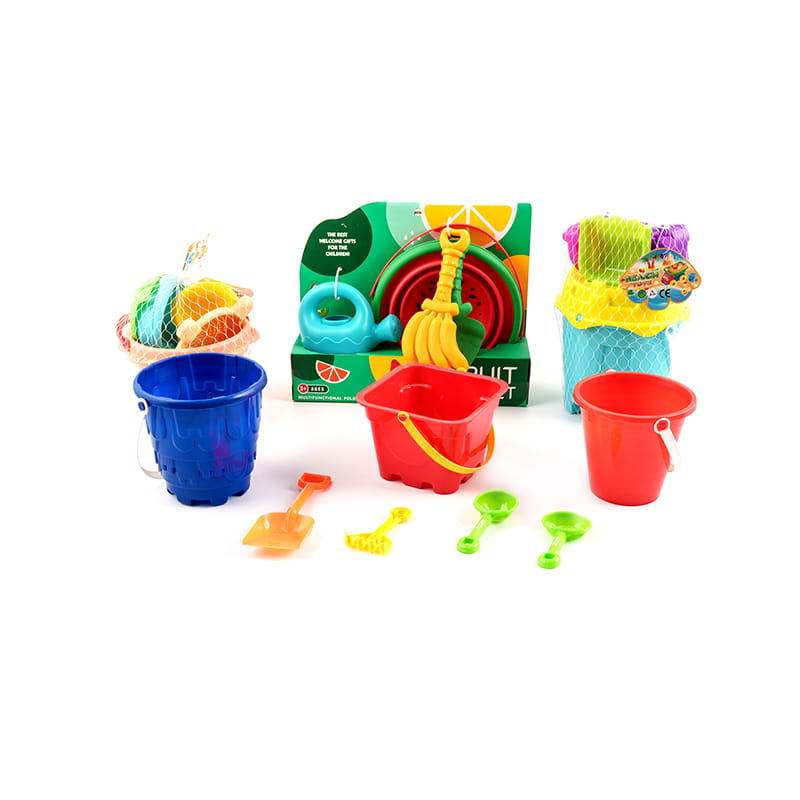 Colorful Plastic Beach Bucket PlaysetAn eco-friendly PP beach set with bright buckets, shovels, and a rake for sand castle building and digging, supporting repetitive pouring play.View Product →
Chunky crayons, sidewalk chalk, coloured sand and very simple threading or beading are the entry point to "I made this". At 18 months the output is a scribble on the pavement and a lot of chalk dust on the knees, and that is the correct outcome. What matters is that the material is easy to grip with a whole fist, breaks into large pieces rather than small shards, and washes out of fabric without a fight.
For buyers, this category also carries the highest packaging risk. Chalk and coloured sand are dusty by nature, so inner bags, sealed trays and clear age labelling do more for shelf performance than any graphic design choice. Our DIY, chalk and coloured sand toy range is built around that constraint, with sealed inner packaging and single-colour moulds that keep the dust contained.
A true board game is still a year or two away. What works now is a simplified loop: roll a ball into a target, flip a card over, take a token out of a bag and hand it back. The point is the social rhythm, not the rules. Any game you introduce at this age should have one rule, a short cycle and no losing condition.
This is where the best toy for an 18 month old often turns out to be something the family already owns: a plastic tub, a wooden spoon, a set of measuring cups. The commercial version of that idea works when it preserves the simplicity rather than adding electronics on top.
A toy that was perfect at the first birthday can feel babyish six months later, and a toy bought too early gets ignored until it is suddenly the favourite thing in the house. The shift is not about intelligence; it is about mobility, grip strength and the beginning of pretend play. The table below sets out the practical differences that should influence what you buy.
| Dimension | At around 12 months | At around 18 months | What it means for toy choice |
|---|---|---|---|
| Getting around | Cruising, crawling, first steps with support | Walking alone, carrying objects, squatting and standing back up | Move from floor-based cause-and-effect toys to push-along and carry-along toys |
| Hand control | Whole-hand grasp, banging, transferring between hands | Finger and thumb work, deliberate release, stacking two or three pieces | Move from rattles and large teethers to blocks, nesting cups and posting toys |
| Attention span | Short bursts, one action at a time | Five to ten minutes on a self-chosen task, repeats the same action many times | Fewer toys, more repetition; rotate rather than accumulate |
| Social play | Plays alongside others, watches faces closely | Imitates household actions, hands objects back, begins simple pretend play | Add props for imitation and one-rule games rather than solo electronic toys |
| Safety focus | Mouthing everything, limited reach | Climbing, throwing, and testing whether parts come off | Re-check small parts, seam strength, handle attachment and tip resistance |
The practical consequence is that the toy box should get smaller, not bigger, between twelve and eighteen months. Most families accumulate during the first year because every month brings a new capability, and then keep buying at the same rate when the child actually needs fewer, more demanding objects. A shelf with eight well-chosen items and a weekly rotation will outperform a room full of everything.
For product developers, this table is also a design brief. A single mould can often serve both age bands if the tolerances are generous enough for a twelve-month-old and the finish is durable enough for an eighteen-month-old who throws things. That is how a nesting cup set or a large block line stays on a brand's catalogue for several seasons instead of one.
Everything at this age ends up near the mouth at some point, so material questions are not abstract. The three materials that dominate toddler toys are rigid polypropylene, silicone, and TPR. Each behaves differently when a child bites, stretches or drops it, and each has a different set of failure modes to watch for.
Polypropylene is the workhorse for hoops, buckets, stacking cups and push toys. It is light, tough, and takes colour well. The things that go wrong are rarely the polymer itself: they are sharp edges left by a worn mould, thin walls that crack at the gate, and colour that fades after a summer on a balcony. Good PP parts have a visible radius on every edge and enough wall thickness that a fall onto paving does not split them.
Silicone is soft, heat-resistant and returns to shape, which makes it the natural choice for squeeze toys and teething-adjacent items. TPR is cheaper, stretchier and used for stretchy figures and pull toys. Both can be safe, but both show quality problems quickly: a white stress mark when stretched means the formulation is stiff, and an oily film on the surface usually points to plasticiser migration. Any toy likely to be chewed should have no printed decoration on the contact surface.
Before goods leave a factory, three test families are normally run: physical and mechanical tests for small parts, sharp edges, tip-over and seam strength; chemical analysis for heavy metals and restricted substances; and durability testing that simulates drops, tension and repeated cycles. Our own production is checked against these three groups, and the results travel with the shipment as documentation rather than staying in a drawer.
| Material | Main check | Typical failure it prevents |
|---|---|---|
| Rigid PP | Impact drop, edge radius inspection | Split walls and sharp flash after a fall |
| Silicone | Tensile stretch, tear resistance | Seams opening and exposing filling |
| TPR | Plasticiser migration, surface tack | Oily residue and material softening in heat |
| Coated or printed parts | Coating adhesion and heavy metal content | Paint flaking into a child's mouth |
| Assembled toys | Small parts, tension and torque tests | Components detaching under pulling or twisting |
Parents often ask which single category is the best use of money, and buyers ask the same question in a different form: which item stays on the shelf longest before it becomes dead stock. Our design team estimates a rough "useful window" for each category when developing samples, meaning the number of months a toy typically stays in active rotation between roughly 18 and 30 months. This is not sales data and not a formal study. It is an internal planning estimate that helps compare concepts before a mould is cut. The horizontal bar chart below shows the values we currently use in those discussions, and it is best read as a starting point for an argument rather than a verdict.
The first thing the chart shows is not that blocks are the best toy, but that the categories at the top share a property: they have no fixed end point. A block can be banged at 14 months, stacked at 18, lined up at 24 and turned into a pretend garage at 30. That is why the useful window is long. Nothing about the object changes; the child keeps finding a new problem to solve with it.
The second thing is the gap between twelve and fourteen months at the top and five months at the bottom. That gap is almost entirely about rules. A game with a defined win condition asks the child to hold two ideas at once, and at 18 months most children cannot yet do that reliably. They will still enjoy the pieces, but they will use them as objects rather than as a game, which shortens the useful window considerably.
Third, the sand and outdoor category scores high despite being seasonal. In practice a bucket and scoop get used indoors with dried rice or beans, in the bath, and in the garden, so the season matters less than the weather does. Buyers sometimes under-order this category because they treat it as summer-only, and then run out in April.
Fourth, sensory and tactile toys sit in the middle rather than the top. They are excellent for regulation and for keeping hands busy, but they are usually a supporting item rather than the main event. A single stretchy ring earns its place next to blocks; six of them do not.
Fifth, the chart makes clear why product lines should be built as ladders rather than as single items. A brand that sells only one stacking product has a short relationship with a family. A brand that sells a stacking cup set, a bucket set and a simple posting toy in the same visual language can keep that family for three seasons without inventing anything new.
Sixth, the estimate is deliberately conservative for chalk and making. The number of months a child actively uses chalk is short, but the number of units purchased per year is high because chalk is consumable. For a wholesaler, that changes the calculation: short window, repeat purchase. For a parent, it means buying a small pack rather than a large tub.
Seventh, the chart does not include electronic toys, and that omission is intentional. Sound and light toys often score very high in the first week and very low after a month, which produces an average that hides the pattern. Their useful window is not short because children dislike them; it is short because the child has no next step to take with them.
Eighth, the ordering shifts with the child. A very active toddler will stretch the push and ball category well past eleven months, while a quieter child may live in the sensory and making categories. Treat the bars as a default, then adjust for the individual child, which is exactly how a good buyer adjusts a range for a specific retail channel.
Ninth, the values are useful in a sourcing conversation because they force a question about the second year. If a product's estimated window ends at nine months, the packaging, photography and copy should probably target the younger end of the age band rather than the middle.
Tenth, the chart supports a simple household rule: buy fewer items with long windows, and add one or two consumables and one or two sensory pieces. That combination covers movement, hands, creativity and calm without filling a room.
The two audiences for this article ask different questions but look at the same object. Parents want to know whether it will be played with and whether it is safe. Buyers want to know whether it will sell, whether it will pass inspection, and whether it will generate returns. The checklist below puts both views side by side.
| For parents and gift buyers | For brand and sourcing teams |
|---|---|
| Can my child complete most of the action alone, or does an adult have to keep helping? | Does the design have a clear play loop that can be photographed and explained in one line on packaging? |
| Does any part fit inside a small-parts cylinder or come loose with a firm pull? | Has the weakest joint been identified and tested to tension and torque requirements? |
| Is the finish smooth at every edge, including inside openings? | Is the mould capable of holding that radius across a full production run, not just the first shot? |
| Will it survive being dropped on tile, thrown across a room and stood on? | Does the drop and durability test match the actual retail channel and shipping method? |
| Can it be cleaned without ruining it, and does it have anywhere for water to sit? | Are drainage, disassembly and cleaning instructions included in the artwork? |
| Does it need batteries, and will it still be interesting when they run out? | Does the battery compartment meet closure rules, and is the cost of electronics justified by the price band? |
| Is there more than one way to use it, or does it only do one thing? | Can the same mould serve two age bands or two colourways to extend the product's life? |
The two columns converge more than they look. A toy that cannot be completed by the child is also a toy that is hard to photograph in use and hard to explain on a shelf. A joint that fails a pull test in a living room also fails it in an inspection report. Good design decisions tend to be good commercial decisions for the same reasons.
Toddler toys take more abuse than any other category in the house. They are chewed, dropped, left outside, buried in sand and wiped with whatever cloth is closest. A small amount of routine care keeps them usable for years, and a few visible warning signs tell you when to stop using them.
Sunlight is the quiet destroyer in this list. Rigid plastic left on a balcony for a full summer will fade and become brittle at the edges, and the first sign is usually a small crack at a screw boss rather than a colour change. If a toy lives outdoors, store it in the shade when it is not in use.
When a brand or importer approaches a toy manufacturer with an 18-month product concept, the conversation usually follows a predictable order. First comes the play pattern and the age claim. Then the material and finish. Then the tooling, the minimum order quantity and the delivery schedule. Getting these in the right order saves months, because a change to the play pattern after a mould is cut is expensive in a way that a colour change is not.
In OEM work the design is supplied and the factory builds to it, so the critical questions are tolerance, colour matching and test compliance. In ODM work the factory develops the concept, which means the buyer is evaluating a play pattern as much as a price. A supplier with in-house design capability can propose a mould that serves two age bands, or adjust a wall thickness so the same part passes a drop test without adding material cost.
As a manufacturer and trading enterprise with more than a decade of OEM and ODM experience across Europe and the Americas, we usually ask for the destination market before quoting, because the packaging artwork, warning text and test scope all change with it. A wholesaler buying for a domestic chain and a brand buying for a European retail group can order the same mould and still need different documentation.
For buyers planning a toddler range, the practical advice is to decide the age claim first and defend it through the whole design. An 18-month claim commits the product to small-parts testing, no long cords, no accessible magnets and a finish that survives mouthing. A 36-month claim relaxes some of that but shrinks the audience. Products that try to sit in both camps usually end up with packaging that says one thing and a test report that says another.
If you want to go deeper on one of the categories above, these two pages cover the development and production side in more detail.
What is the best toy for an 18 month old?The best toy for an 18 month old is usually an open-ended object the child can operate alone: large building blocks, nesting cups, a push-along cart, a lightweight hoop to roll and chase, or a bucket and scoop. These support walking, stacking, pouring and carrying, which are the skills being practised at this age. Battery toys that perform an action tend to lose interest quickly because there is nothing left for the child to solve. |
How many toys does an 18 month old actually need?Fewer than most households own. Six to ten accessible items covering movement, stacking, sensory touch, sand or water, and mark-making is enough, with the rest stored and rotated every week or two. A smaller selection makes each toy easier to find and encourages longer play, while a crowded room tends to produce brief switching rather than deep engagement. |
Are magnetic building tiles suitable at this age?Not usually before three, unless the magnets are fully sealed inside a moulded cavity that cannot be opened. At 18 months children test whether parts come apart, and small high-strength magnets are among the most serious hazards if swallowed. Large plastic blocks and cups deliver the same building experience without that risk. |
Is a hula hoop safe for an 18 month old?Yes, when it is light and used for rolling, chasing and carrying rather than spinning. Look for a hoop under roughly 200 g with a smooth inner edge and a secure joint. The play value at this age comes from pushing it across the floor and running after it, which builds balance and coordination, not from waist spinning. |
How can I tell whether a plastic toy contains problem additives?Smell, surface feel and documentation are the practical signals. A strong chemical odour or an oily film that transfers to your hands is a warning sign. Beyond that, ask for the material declaration and the test report for the production run, and check that the toy carries the correct age warning for your market. A supplier who cannot produce those documents on request is a risk regardless of how the toy looks. |
Can an 18 month old play with sand and water toys?Yes, and pouring is one of the most valuable activities at this age. A bucket, a scoop and a sieve are enough. Supervise closely around water, rinse salt and sand off the same day, and check the handle attachment, since a thin bail handle is the part that fails first when a child stands on the bucket. |
Should I buy electronic sound and light toys?A small number is fine, but they should not be the core of the collection. Their appeal is usually strong for a week and then fades, because the child is watching rather than doing. If you do buy one, check that the battery compartment is screwed shut and that the volume is limited, and keep it in rotation rather than permanently on the shelf. |
What should a wholesaler check before ordering toddler toys?Confirm the age claim, the destination market and the test scope before discussing price. Ask for the weakest joint in the design and the test that covers it, request colour approval records, and check that the packaging artwork matches the actual test report. For an 18-month product, small-parts compliance, cord length and magnet containment are the three areas where a late change is most expensive. |
An 18-month-old does not need a clever toy. They need a durable one that fits their hands, survives their testing and leaves the interesting part of the action to them. Blocks, cups, a light hoop, a bucket and a piece of chalk will do more for a child in this window than a shelf of things that light up and play a tune.
For families, the practical move is to buy fewer items, choose the ones with the longest useful window, and check the joints and edges before anything goes into the toy box. For brands and buyers, the same logic applies at the design stage: fix the age claim, defend it through the mould and the material, and let the test report and the packaging say the same thing. Both routes lead to the same place, which is a toy that gets used every day and handed down rather than thrown out.
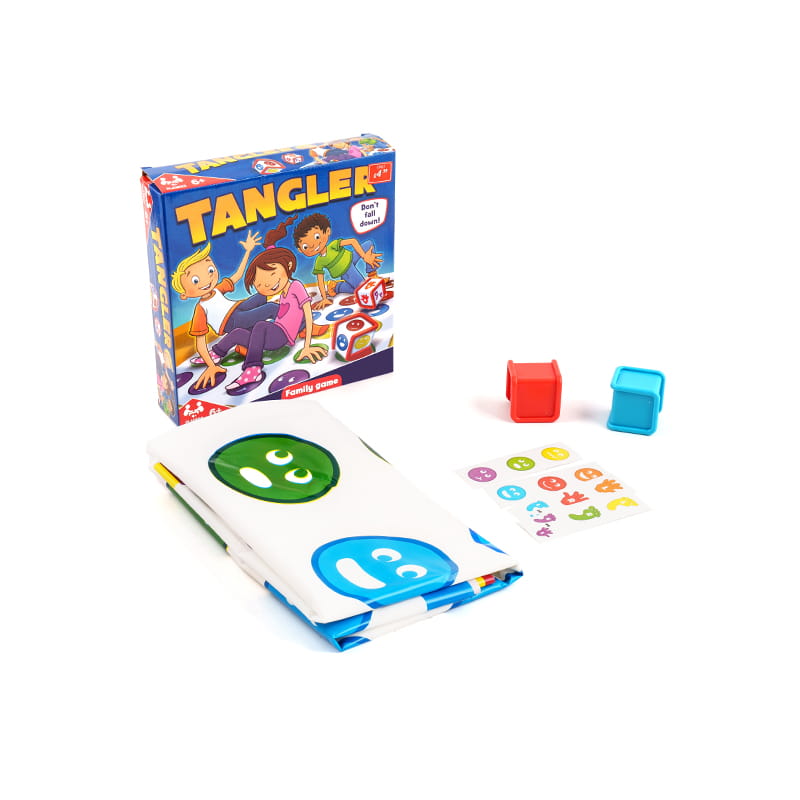
TANGLER is a fun and challenging board game that requires players to use their hands and feet to meet conditions. During the game, players need to mov...
View More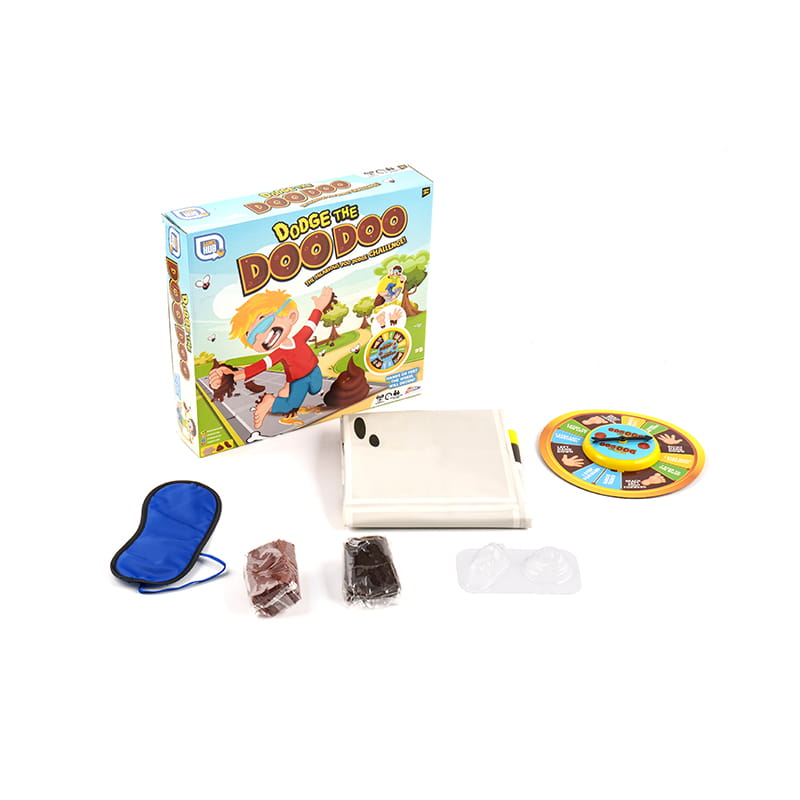
Dodge The Doggy Doo is a fun and challenging game for kids. Children need to put on a blue blindfold and walk blindfolded to complete the tasks on the...
View More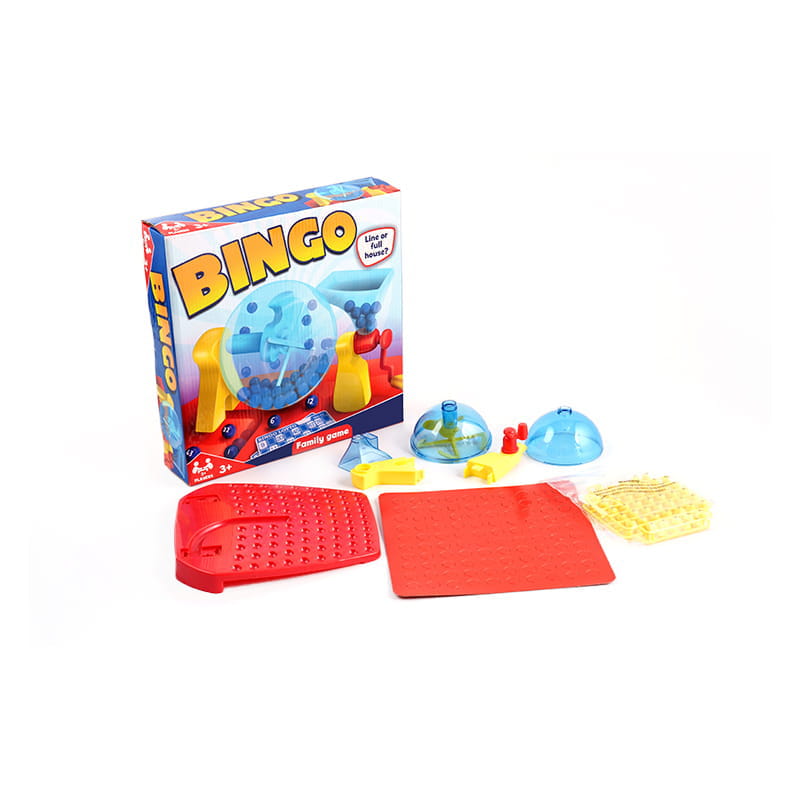
Bingo Game is an entertaining game full of fun and surprises. It contains a beautiful shaker with a sleek design and bright colors that will catch eve...
View More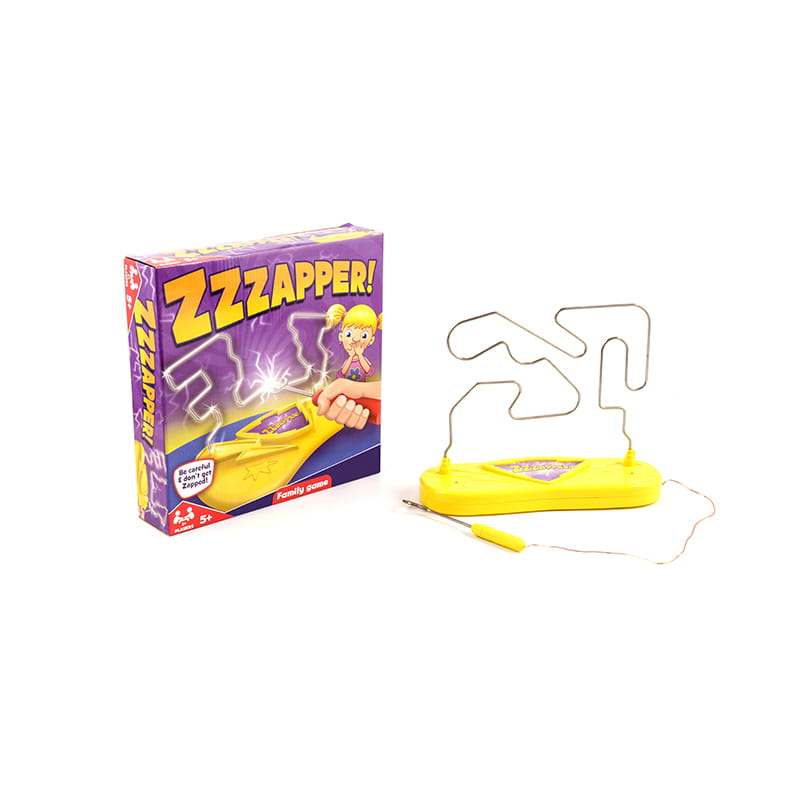
Beware of Electrocution Game is a unique family game designed to test players' concentration and balance. The game consists of a purple game box and a...
View More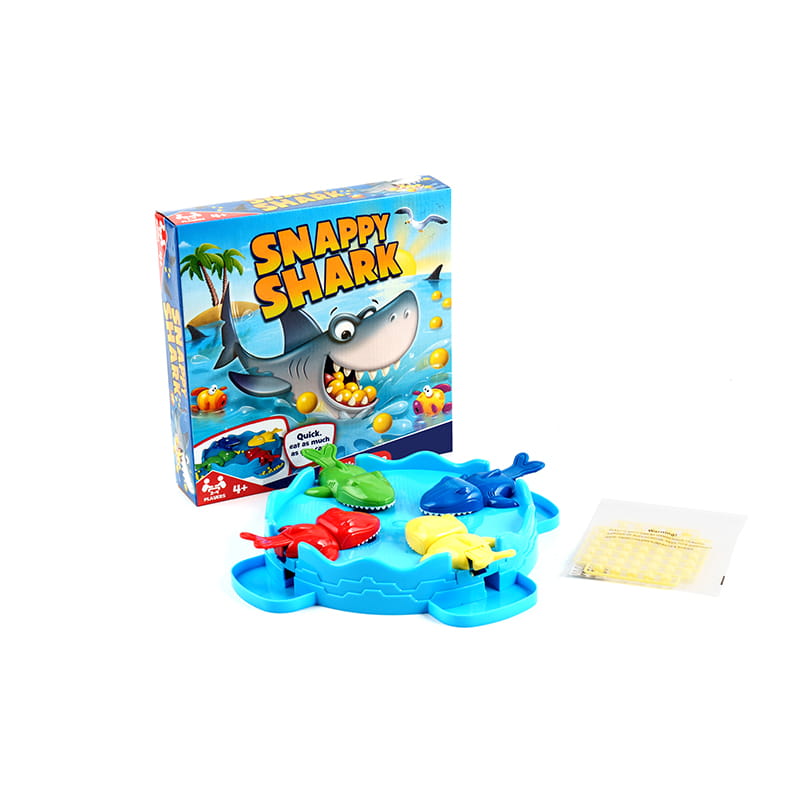
Shark Eat Beads is a four-player interactive game with a “Snappy Shark” theme, where players need to quickly maneuver their sharks to eat as many ...
View More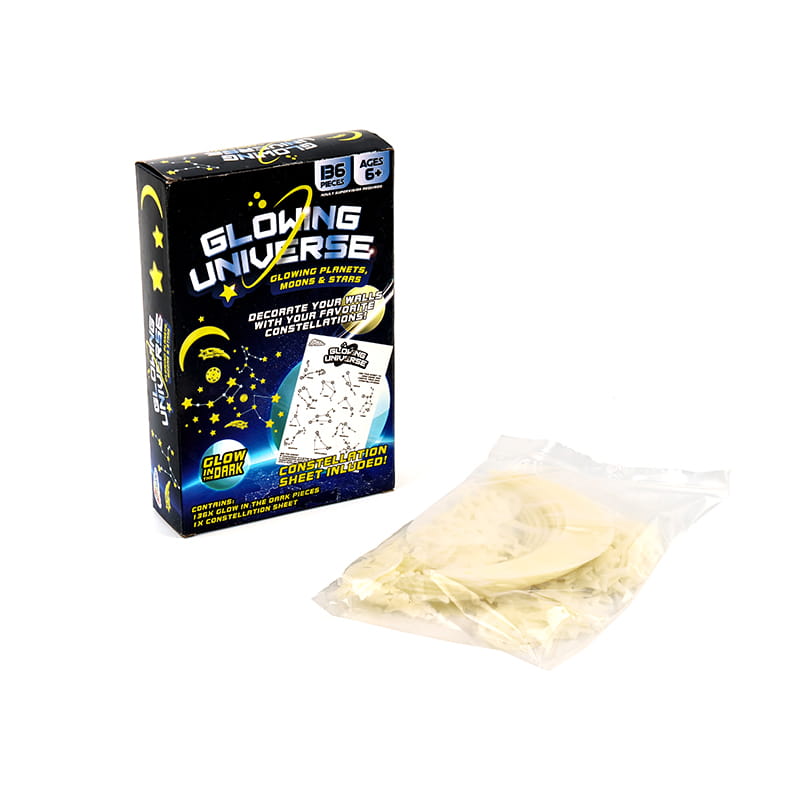
Luminous Starry Night Patch is a creative decoration. It contains a variety of cosmic elements, such as planets and stars, etc. It is made of special ...
View More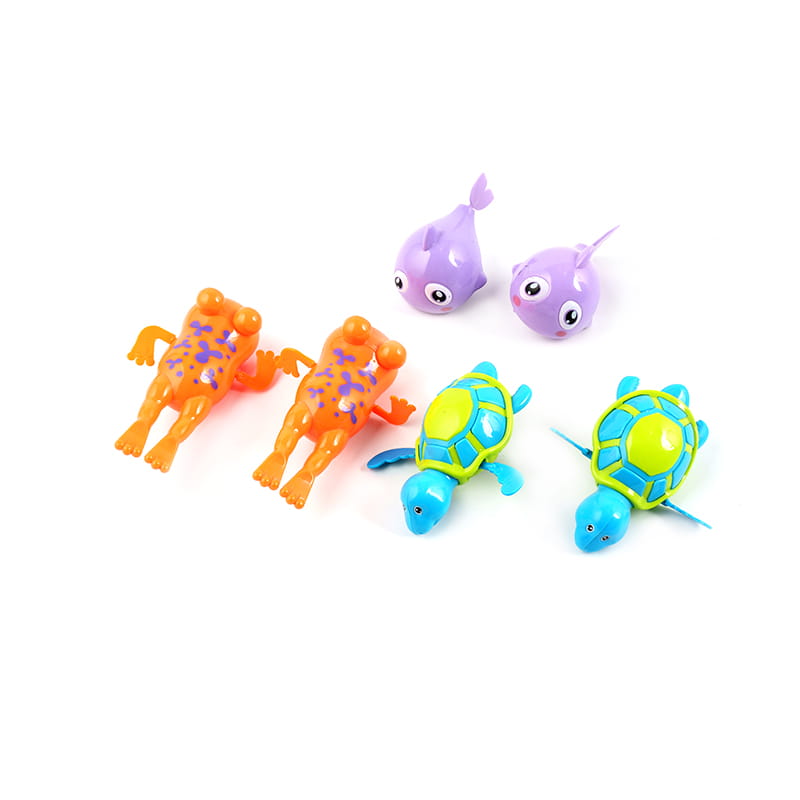
The Uplink Animal Toy is a soothing toy set designed for baby showers. The set contains brightly colored and simply designed plastic toys such as an o...
View More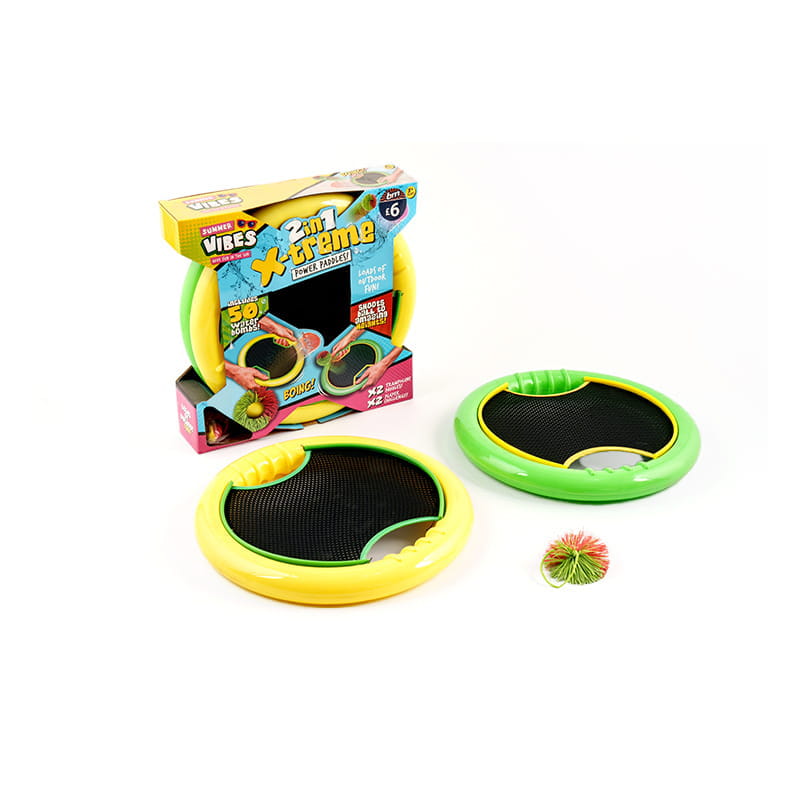
Clap Circle is a fun toy designed for children, containing 2 clappers and 1 colorful ball. This toy can be played alone to work on hand-eye coordinati...
View More
Copyright © Yuyao Leda Crafts Co., Ltd. All Rights
Reserved.

Children's Toys Factory
Children's Toys Manufacturer


