

 English
 English
 中文简体
- Type:
- Industry News
- Date
- 2026-Nov-09
Industry News
Home / News / Industry News / Best Toys for 3 Year Old Boys: A Toy Maker's Buying and Sourcing Guide
Content
Watch a three-year-old boy for ten minutes and the pattern becomes obvious: he does not want a toy that needs explaining. He wants something he can pick up, push, drop, fill, empty, spin, stack or knock over, and then do all of it again. The best toys for a 3 year old boy follow that script. They are chunky enough to survive being stood on, open-ended enough to be used three different ways in one afternoon, and simple enough that he can start playing without an adult narrating every step.
We make plastic toys in Yuyao, on the southern side of the Hangzhou Bay Bridge, and we have spent 13 years producing hula hoops, board games, sand and water kits, fidget toys, Easter eggs and chalk sets for brands and importers in Europe and North America. That work puts us on both sides of the question. We hear from parents who want one good gift for a three-year-old boy, and we hear from buyers who need to know which categories will still sell next season. This guide answers both, starting with what a three-year-old can actually do.
A three-year-old boy is roughly 95 cm tall and weighs around 14 to 15 kg. He can run without falling every third step, jump in place, pedal a tricycle, kick a large ball, and stack six or more blocks before the tower topples. His hands are improving quickly but still clumsy: he can hold a crayon in a fist or an early tripod grip, turn a thick page, unscrew a lid, and push a chunky peg into a hole. Those abilities set a hard ceiling. Anything that demands the wrist control of a five-year-old will be on the floor within a minute and will stay there.
The cognitive side matters just as much. At three, pretend play becomes real: a bucket becomes a helmet, a hoop becomes a steering wheel, a cardboard tube becomes a trumpet. Attention on a self-chosen task runs about five to ten minutes, cooperative play is only just beginning, and turn-taking is an emerging skill rather than a reliable one. A toy that requires a twenty-minute commitment and two patient players is a toy for a five-year-old, no matter what the box says.
Then there is the safety line, which is stricter than most shoppers assume. In the United States, toys intended for children under three must pass the small parts test in 16 CFR 1501: if a component fits entirely inside the small parts cylinder of roughly 31.7 mm by 57.1 mm, it fails. Toys labelled for ages 3 and up may legally contain small parts, but that label is a statement about supervision, not a guarantee that your particular child will keep a die out of his mouth. Products sold in the US also fall under ASTM F963 and CPSIA rules on lead (90 ppm in surface coatings) and phthalates (0.1% for the restricted set), while European shipments need EN71-1 for mechanical hazards, EN71-2 for flammability and EN71-3 for migration of elements.
A five-point filter works for almost any toy labelled 3 and up:
Parents ask which category to buy. Buyers ask which category to stock. Both questions reduce to the same measurement: how much of a three-year-old's day a toy really occupies, and for how long. The bars below are a working estimate of where a typical three-year-old boy's self-directed play time lands across the categories we produce. The figures are illustrative rather than instrumented, but they track what brand owners report from sell-through and what parents tell us when they test samples with their own children. Treat them as a shopping order rather than a scoreboard. A category that scores low here is not a bad toy, it is simply a smaller slice of the day.
Illustrative share of self-directed play time, 3-year-old boy
Share of play sessions, percent
The chart is not a ranking of quality. It is a ranking of frequency, and frequency is what a three-year-old measures value in. Active play sits on top because running, chasing and throwing cost him nothing and can be repeated forty times without an adult resetting anything. Construction comes second because stacking and knocking down is the single most reliable loop in early childhood; a bucket of blocks gets used every day for two years, which is why its cost per hour of play is the lowest on the list. Pretend play takes third place, and it is the category that grows fastest between three and four, so anything that hints at a role, a hat, a tool or a vehicle has a long runway.
Board games land at fourteen percent, which is lower than parents expect and higher than most gift guides admit. The reason is simple: a three-year-old cannot run a rule set on his own, so this category only occupies time when an adult or an older sibling plays too. Its value is not volume, it is quality, because turn-taking, losing without collapsing and counting spaces are exactly the skills that a nursery or reception class will demand a year later. Sand, water and outdoor kits sit at twelve percent because they are seasonal and weather-dependent, yet when the weather cooperates they can absorb two hours in one go. Chalk, sand art and DIY take ten percent: short sessions, high mess, strong fine-motor payoff.
Fidget and sensory toys register the smallest share, and that is where most shoppers misread the chart. A fidget toy is not meant to be played with for an hour. It is meant to be squeezed for ninety seconds during a car ride, a haircut or a shop queue, and those ninety seconds are worth more than three hours of a toy that never leaves the shelf. The other thing the chart hides is decay. Active play and construction hold their share from age three to five, while pretend play grows and simple push-along toys shrink fast. If you are buying once, favour the categories that stay interesting; if you are buying for a whole year, spread across all seven.
For trade buyers, the chart translates into basket logic. Active play and construction are the volume drivers that a wholesaler stocks in pallet quantities, because they are cheap to ship, hard to break and easy to reorder. Board games behave like seasonal gifting, peaking in the run-up to holidays and birthdays. Sand and water kits are strongly seasonal in Europe and North America, with orders placed from late winter to early spring. Fidget toys are impulse items that work best near a till or in a mixed counter display, not as a headline product. Getting this mix wrong is the most common reason a promising catalogue underperforms at retail.
If you only buy one thing for a three-year-old boy, buy something that makes him move. Gross motor confidence is the foundation that everything else is built on, and a child who can run, stop, turn and balance without thinking about it settles faster into group play. A children's plastic hula hoop is a good example of a simple product doing serious work: it teaches hip control, timing and rhythm, and unlike a screen it never runs out of battery or patience. Our own article on how a children's hula hoop builds physical coordination and motor skills goes deeper into the mechanics, but the short version is that the child has to coordinate a push, a lean and a rhythm at the same time, which is exactly the kind of multi-limb task that builds body awareness.
Sizing matters more than colour. A hoop that is too large will not rotate for a small child, and one that is too heavy will drop within two turns and end up in the garage. As a rule of thumb, a hoop standing upright should reach somewhere between the child's waist and chest. For a three-year-old around 95 cm tall, a diameter of roughly 45 to 55 cm and a weight under about 250 g keeps the rotation slow enough to chase. Lightweight polypropylene hoops with a hollow section are easier to keep up than solid, heavier tubes, and a textured or segmented surface gives small hands something to grip when the hoop is carried rather than spun.
 Kids LED Light Hula Hoop for Evening PlayLightweight PE hoop with flashing LED beads and a dark glow; check sizing and battery cover before evening play.View Product →
LED hoops extend the same product into evening play and are a strong gift item, but the battery compartment deserves a second look. Cells should sit behind a screwed cover, the LED module should be sealed against splashes, and the switch should not be reachable by a fingernail alone. Store a hoop hanging rather than lying under a sofa, because a polypropylene ring left with weight on one point takes a set and never rolls evenly again.
Board games for three-year-olds are not about strategy. They are about sitting still for six minutes, waiting while someone else moves, and accepting a result you did not choose. Those are the same skills a child needs on the first day of school, which is why a simple colour-matching or counting game earns its shelf space even though it occupies a smaller share of the day.
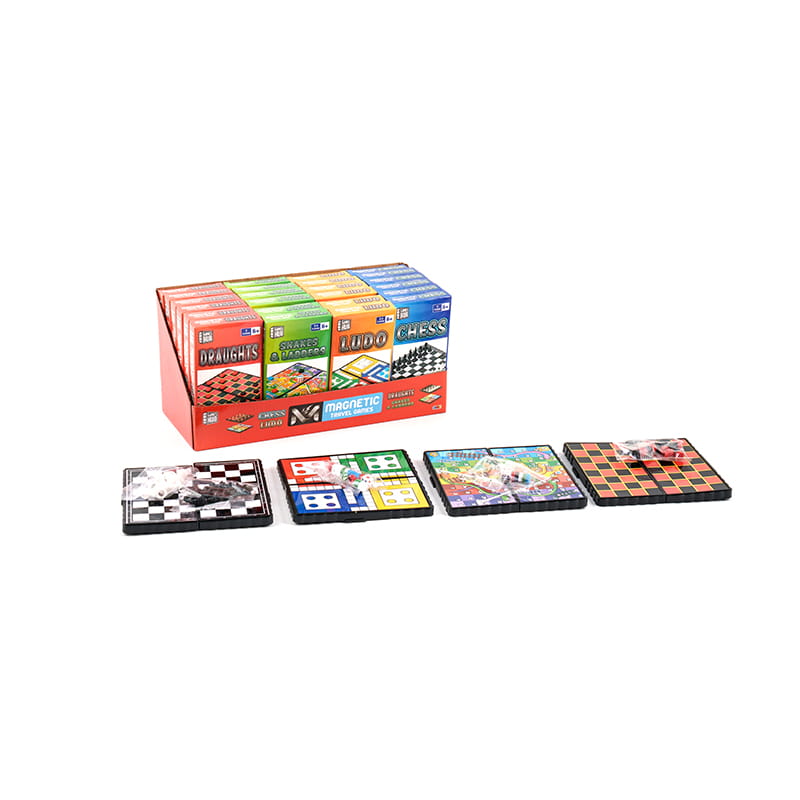 Four-Game Family Board Set with Chess and CheckersCombines flight chess, snakes and ladders, chess and checkers in one box for parent-child play and early counting, waiting and colour-matching.View Product →
A combined set that carries flight chess, snakes and ladders, checkers and a chess board in one box is the practical choice for a family, because the same components serve a three-year-old and a seven-year-old at different levels. For the younger child, start with the die and a single track: rolling, counting the pips and moving one square per pip is real maths. Snakes and ladders adds the emotional lesson that a slide backwards is not a catastrophe. Checkers can be played as a colour-matching and stacking activity long before anyone enforces capture rules. Chess pieces themselves are small parts, so they belong in a sealed bag until the child reliably stops mouthing objects.
The design details that separate a usable set from a frustrating one are mundane. A board that folds flat and stays flat after fifty openings is worth more than any artwork. Dice with rounded corners roll honestly and do not skid. Pieces should be thick enough for a three-year-old to pick up with a whole hand, because a pinch grip is still developing. And the rules should fit on one small card: if an adult needs to read three paragraphs before starting, the game will not be opened on a weekday evening.
Sand and water play is the most efficient sensory and language activity available to a three-year-old, and it costs almost nothing to run. Pouring, scooping, burying and rescuing build fine motor control while a child narrates what he is doing, which is how vocabulary grows. A plastic beach bucket playset is the entry point, and the specification is less obvious than it looks.
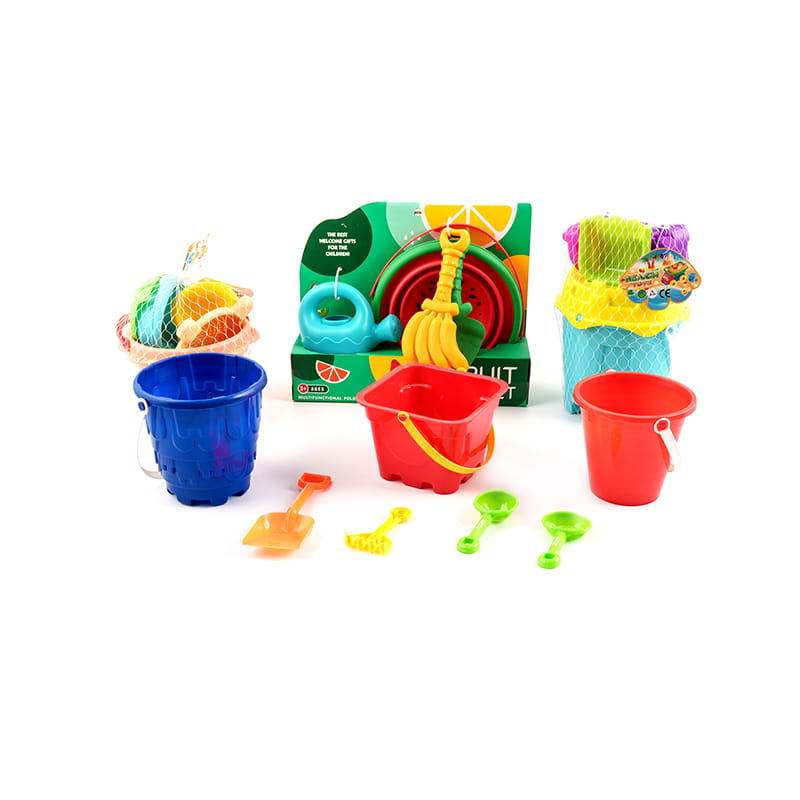 Plastic Beach Bucket and Shovel Playset for Sand PlayBright PP buckets, shovels and rake for scooping, building sand castles and digging; check mould release and handle attachment for outdoor use.View Product →
The handle is the part that fails first. A bucket carried by a three-year-old gets swung, dropped and filled with wet sand that roughly triples its weight, so the handle attachment should be a moulded loop rather than a thin wire, and the bail should be thick enough that it does not cut into small fingers. Moulds should release cleanly; a castle mould that grips its shape turns a five-second joy into a thirty-second wrestle. Polypropylene is the right material for outdoor use because it resists UV yellowing better than cheap styrene, and it survives being left on a patio for a season.
The same logic applies to the rest of a summer kit. A plastic frisbee for a three-year-old should be soft-edged and light enough to hover, not a hard disc that stings on a bad catch. Foam planes should be assembled without small detachable noses. Water balloon shells avoid the latex and the litter of real balloons but still need supervision near a pool. Whatever the item, the practical test is the same: can the child carry it, fill it and empty it alone? If not, it becomes an adult's toy with a child watching.
Creative toys fail at three years old for one reason: the child cannot produce a result he recognises. A paint set that requires brush control will end in a brown puddle. Chalk, by contrast, works instantly, which is why a box of chunky sidewalk chalk is one of the most reliable gifts for a 3 year old boy who is not yet interested in sitting at a table.
Chalk for this age should be thick, around 20 to 25 mm in diameter, so a whole-hand grip can hold it without snapping. Washable formulations matter because the artwork usually migrates to a wall or a patio door. Spray chalk and liquid chalk paint add a novelty factor for older siblings but need adult priming of the nozzle. Sand art and quick sand allow a three-year-old to pour and pat without any drawing skill at all, and the tray design matters more than the sand: a shallow tray with raised edges keeps the mess in one place.
Beads, laces and tie-dye sit at the far end of the range. Threading beads is excellent for the pincer grip but the beads themselves are small parts, so this is a supervised activity for a three-year-old and a genuinely independent one for a five-year-old. Tie-dye needs adult handling of dye and gloves. The honest way to buy in this category is to match the age grading to the amount of adult time you actually have, not the amount you plan to have.
A three-year-old's emotions arrive before his words do, and a small object he can squeeze, stretch or shake gives him something to do with the feeling while the language catches up. That is the entire case for fidget toys at this age. They are not distractions; they are regulation tools that happen to look like toys.
Material choice decides quality here. Silicone and TPR give a soft, slow rebound that reads as calming, while stiff plastic snaps back too fast and feels like a gadget rather than a comfort object. One-piece designs beat assemblies because there is nothing to detach, and that matters enormously at three, when mouthing is still common. Our own range of sensory and stress relief toys was built around that constraint, with silicone grip toys, stretch tubes and one-piece TPR shapes that survive being chewed, dropped and washed.
Two practical notes for parents. First, wash silicone and TPR with warm water and mild soap and let them air dry fully, because a damp fidget toy stored in a toy box grows a smell within a week. Second, keep one item in the bag, one in the car and one at home rather than a whole tub; the value of a fidget toy comes from availability at the difficult moment, not from variety.
The table condenses everything above into a single view. It is written for the person standing in a shop aisle with a three-year-old pulling at their sleeve, and for the buyer deciding how to balance a container load.
| Toy category | Main benefit at age three | How to spot a good one | Most common failure |
|---|---|---|---|
| Active play (hoops, balls, ride-ons) | Gross motor control, balance, stamina | Light weight, textured grip, correct diameter | Too heavy or oversized for the child |
| Construction and stacking | Fine motor control, spatial reasoning, persistence | Consistent stud fit, no sharp flash, stable base | Loose fit that collapses on contact |
| Pretend play and role sets | Language, narrative, self-regulation | Chunky props, no fragile hinges, open-ended pieces | Too many single-use accessories |
| Board and card games | Turn-taking, counting, handling losing | Flat-folding board, rounded dice, one-card rules | Rule set too complex to start quickly |
| Sand, water and outdoor kits | Sensory integration, scooping, early science | Moulded handle, clean mould release, UV-stable PP | Handle or hinge breaks in week one |
| Chalk, sand art and DIY | Fine motor strength, cause and effect, creativity | Thick chunky chalk, washable formula, edged tray | Product too advanced for the grip |
| Fidget and sensory toys | Emotional regulation, tactile tolerance | One-piece body, soft silicone or TPR, washable | Small detachable parts |
Read the table across rather than down. The middle column is what you are actually buying, and the right-hand column is what you are risking. Almost every disappointing toy purchase is a failure in one of those two columns rather than a failure of taste. A hula hoop that is 10 cm too large is not a bad hoop, it is a bad match. A board game with a twelve-step rule set is not a bad game, it is a game for a different year.
The same product is evaluated very differently by a parent and by an importer. Both checklists below are worth reading, because each one exposes something the other tends to miss.
Buying for one child at home
|
Buying for a store, brand or wholesale account
|
Notice how little the two lists overlap. A parent cares about the specific child in front of them; a buyer cares about the thousandth unit as much as the first. A toy can pass one list and fail the other, which is why we encourage buyers to test with real children and parents to ask for the paperwork before ordering a large quantity for a nursery or a resale stall.
Most of the plastic toys in this category are made in clusters like the one around Ningbo and Yuyao, where moulding, printing, assembly and packaging sit within a short drive of each other. That density is why a toy supplier can quote quickly and why a good manufacturer can also be a good development partner. Our own factory combines design, tooling, moulding and export under one roof, with 13 years of OEM and ODM work for European and American brands.
The checklist we walk buyers through before a first production run looks like this:
Lead times vary with tooling and decoration. A plain moulded item in an existing tool can move in a few weeks, while a new hula hoop diameter, a new egg shell or a custom-printed game board needs tooling time on top of production. Buyers who plan sand and water programmes for a northern-hemisphere summer should be placing tooling orders in the quieter months, not in the same weeks as everyone else. The same applies to Easter ranges, where decorated eggs and lace buckets have a hard deadline that no amount of expediting can move.
One last commercial point. A wholesaler buying a mixed container usually does better with fewer, deeper SKUs than with a long tail of colours. Every extra colour variant adds a mould change, a carton label and a stock-keeping headache, and three-year-olds do not care about shade names. Depth beats breadth in this category almost every time.
Most toys do not break, they degrade. A hoop left in direct summer sun for a season loses flexibility and then cracks at the seam. A sand bucket stored full of damp sand grows a smell that no amount of washing removes. A board game loses its die under a sofa and stops being playable. Ten minutes of maintenance a month extends the useful life of a plastic toy by years.
Inspection is the other half. Run a thumb along every moulded edge once a month, tug the parts a three-year-old would tug, and look at the paint on the high-wear points. A small crack in a hollow hoop becomes a jagged edge within a week of continued use, and that is the point at which the toy stops being safe rather than merely worn.
After enough seasons of watching categories succeed and fail, the same four errors keep appearing on both the retail and the wholesale side.
What are the best toys for a 3 year old boy overall?Anything open-ended, chunky and self-starting. In practice that means active play equipment sized to his body, a solid set of building blocks, a couple of pretend-play props, one very simple board game and a bag of chalk. Fidget toys and sand kits round the list out for car journeys and good weather. |
Is a hula hoop safe for a three-year-old?Yes, provided the hoop is lightweight and correctly sized. Look for a diameter that reaches roughly waist to chest height when the hoop stands on the floor, and a weight under about 250 g. Check the joint or weld for sharp edges, and if it is an LED hoop, confirm the battery cover is screwed shut. |
Can a three-year-old really play board games?Yes, but only short, low-rule ones with an adult or older child present. Colour matching, rolling a die and counting spaces are all within reach. Sessions of five to ten minutes are realistic, and the real benefit is learning to wait and to lose, not learning the game. |
How many toys does a three-year-old actually need?Fewer than most homes contain. A workable set is roughly ten to fifteen items across active play, construction, pretend play, games, creative and sensory categories, rotated rather than all available at once. Anything beyond that tends to shorten attention rather than lengthen it. |
Are fidget toys appropriate at this age?Yes, if they are one-piece and made from a soft material such as silicone or TPR. Avoid anything with detachable beads, magnets or small caps, since mouthing is still common at three. Choose a single item kept in a bag rather than a large collection. |
What age label should I look for, 3+ or under three?If the child is already three and no longer mouths objects constantly, a 3+ label is appropriate. Remember that 3+ permits small parts, so supervision and a quick physical check still matter. Toys marked for under three have passed the stricter small parts test. |
How should I clean plastic toys?Warm water with mild soap for rigid plastic, then air dry upside down. Silicone and TPR can be washed the same way but need thorough drying to avoid odour. Skip solvent-based cleaners, which dull surfaces and lift printed graphics over time. |
What should a wholesaler check before ordering from a plastic toy supplier?Valid test reports for the destination market, a written material grade, colour and print adhesion samples, carton drop results and a clear replacement policy. Confirm the MOQ, the tooling ownership and the production lead time before paying a deposit, and visit or audit if the order is large. |
Two pages that go deeper on the categories above, one from our production side and one from our design side.
The short answer to the search that brought you here is that the best toys for a 3 year old boy are the ones he can operate alone, drop without breaking and pick up again tomorrow. A correctly sized hula hoop, a container of blocks, one simple board game, a bucket that survives wet sand and a soft one-piece fidget cover almost everything a three-year-old needs. If you are buying a single gift, start with active play. If you are building a range for a brand or a store, balance the frequency categories with the seasonal ones and get the age grading right before anything else.
We are happy to talk through hoops, games, sand kits or fidget ranges with buyers and brand owners who need samples, test documentation or custom tooling.
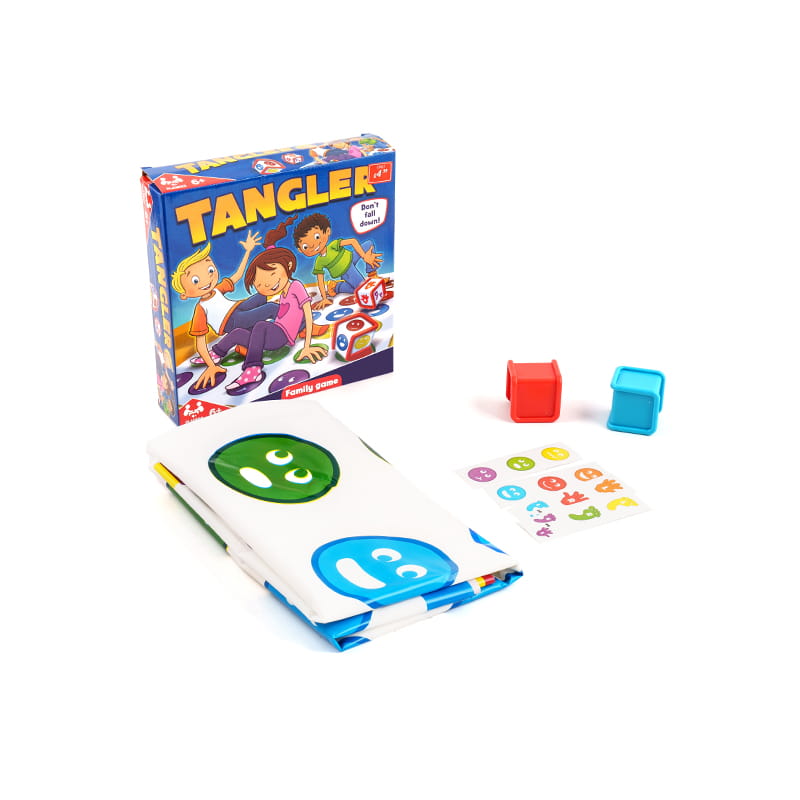
TANGLER is a fun and challenging board game that requires players to use their hands and feet to meet conditions. During the game, players need to mov...
View More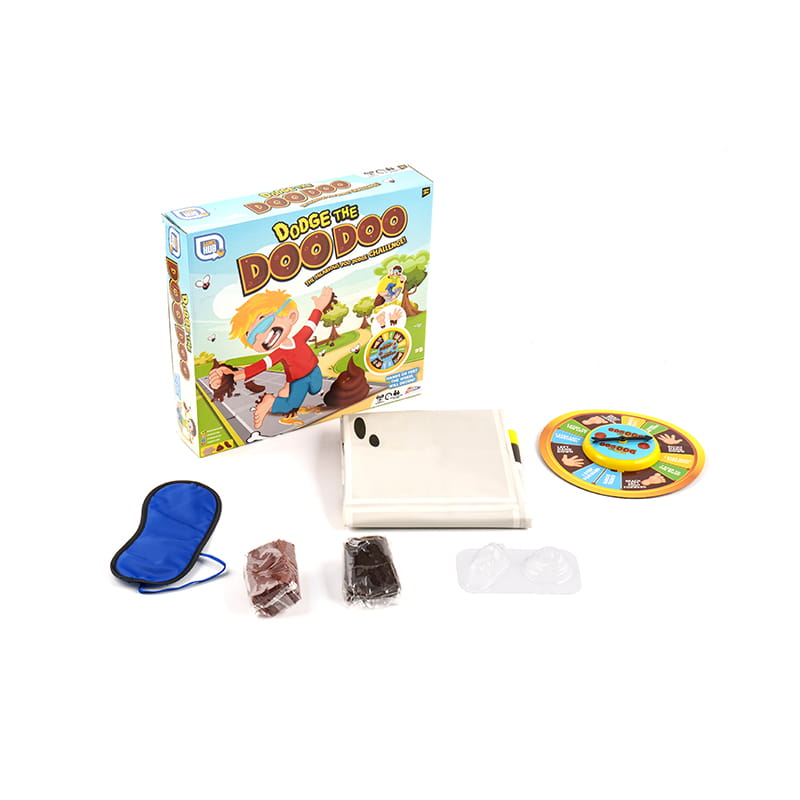
Dodge The Doggy Doo is a fun and challenging game for kids. Children need to put on a blue blindfold and walk blindfolded to complete the tasks on the...
View More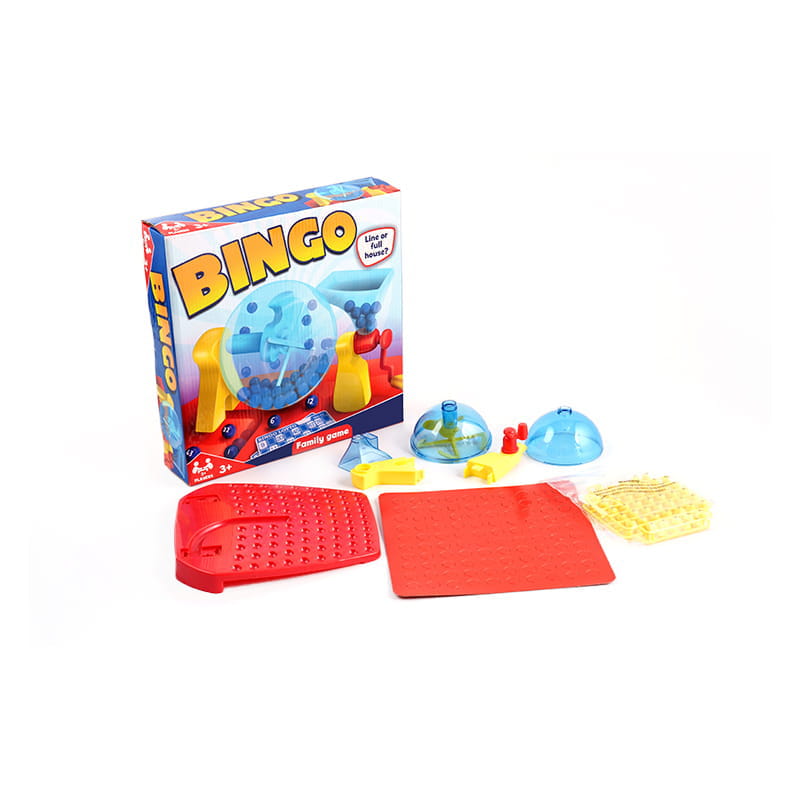
Bingo Game is an entertaining game full of fun and surprises. It contains a beautiful shaker with a sleek design and bright colors that will catch eve...
View More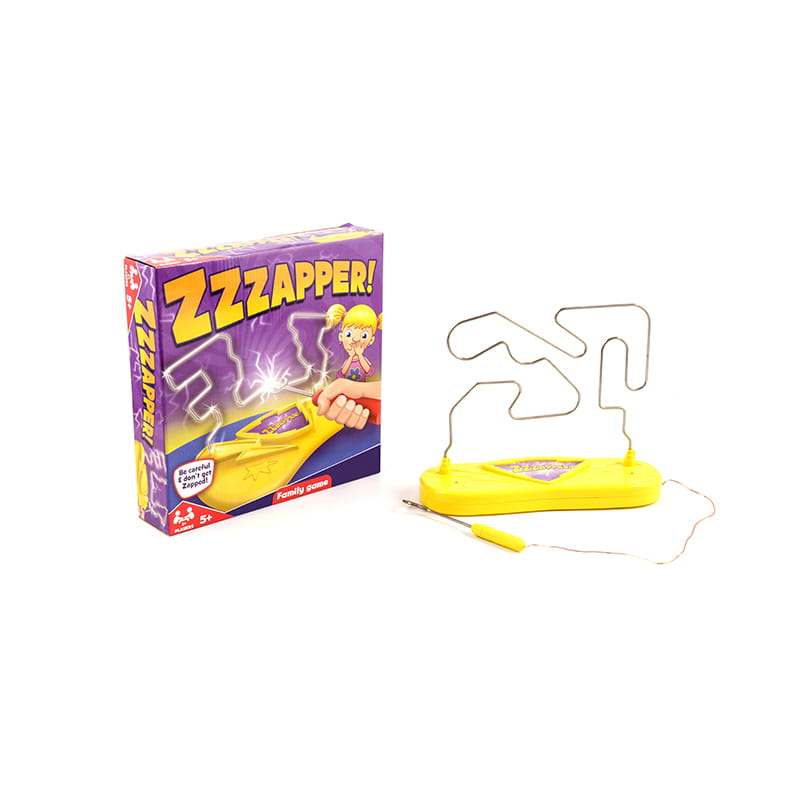
Beware of Electrocution Game is a unique family game designed to test players' concentration and balance. The game consists of a purple game box and a...
View More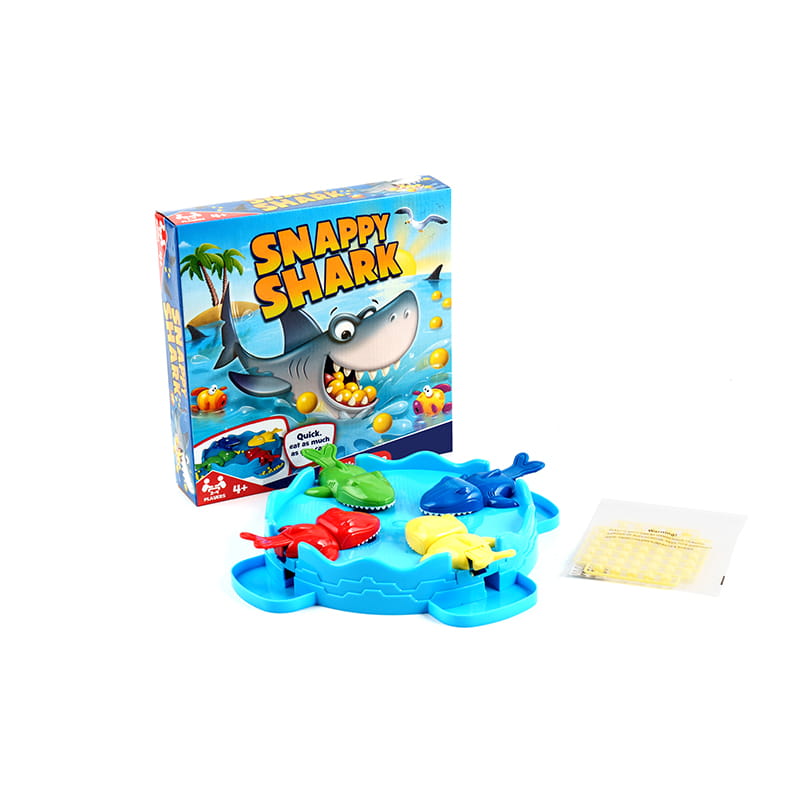
Shark Eat Beads is a four-player interactive game with a “Snappy Shark” theme, where players need to quickly maneuver their sharks to eat as many ...
View More
Luminous Starry Night Patch is a creative decoration. It contains a variety of cosmic elements, such as planets and stars, etc. It is made of special ...
View More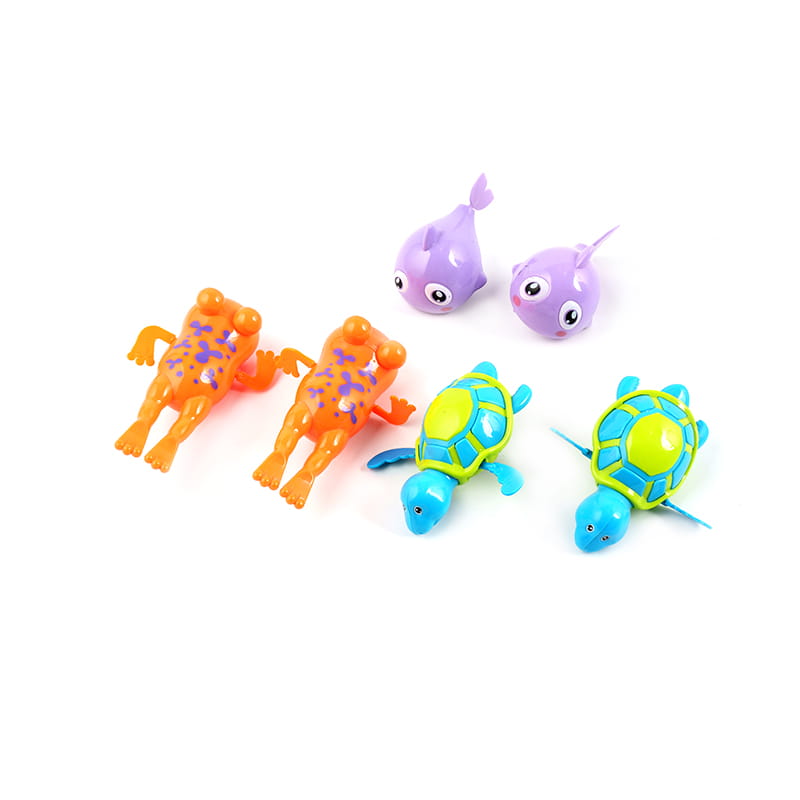
The Uplink Animal Toy is a soothing toy set designed for baby showers. The set contains brightly colored and simply designed plastic toys such as an o...
View More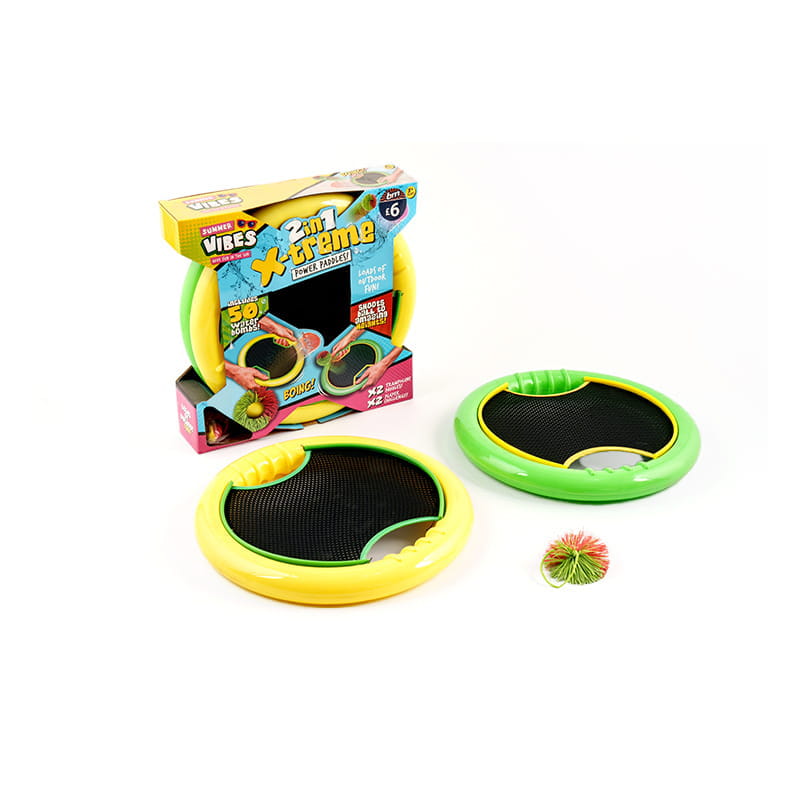
Clap Circle is a fun toy designed for children, containing 2 clappers and 1 colorful ball. This toy can be played alone to work on hand-eye coordinati...
View More
Copyright © Yuyao Leda Crafts Co., Ltd. All Rights
Reserved.

Children's Toys Factory
Children's Toys Manufacturer


