

 English
 English
 中文简体
- Type:
- Industry News
- Date
- 2026-Nov-23
Industry News
Home / News / Industry News / Best Toys for a 1.5-Year-Old: Safe Play Ideas, Development Guide, and Sourcing Tips
Content
A 1.5-year-old will often ignore a flashing toy and spend twenty minutes dropping blocks into a bucket, pulling them out, and doing it again. That is not random play. It is the child testing weight, sound, hand control, and cause and effect at the same time. The best toys for a 1.5-year-old are therefore simple, sturdy, open-ended, and matched to the way an 18-month-old moves, mouths, and explores.
At this stage, the toy does not need to teach letters or count to ten. It needs to survive repeated drops, offer a clear action, and leave room for the child to do something different tomorrow. A push-along cart, a set of large stacking cups, a posting box, a soft ball, a chunky board book, and a shallow sand bucket can cover more development than a single electronic unit with one button.
The practical answer: choose fewer toys that invite movement, grasping, filling, emptying, and pretending, and check every item for choke hazards, sharp edges, and stable construction before it enters the playroom.
An 18-month-old is usually walking with more confidence, squatting to pick things up, carrying objects from room to room, and climbing onto low furniture. Hand control is improving quickly, but the child still learns through the whole body: mouthing, tapping, dropping, pushing, and pulling are all part of the research process. A toy that looks too simple to an adult may be exactly right because it lets the child repeat an action without needing help.
Language is also expanding, even if the words are still few. The child may point, shake the head, bring a shoe to an adult, or imitate a cough, a phone call, or a spoon being stirred. That is why pretend play starts with real objects and simple props rather than elaborate story sets.
At 1.5, the best toy is a safe tool for repetition; the child is not looking for a finished lesson, but for another chance to try the same action with a slightly different result.
A useful toy for an 18-month-old usually does more than one job at once. It may invite walking, squatting, grasping, and problem-solving in the same short burst of play. That is why a simple bucket and a set of large blocks can outperform a toy with a single flashing button. The chart below is a planning aid for parents and buyers, not a clinical score or a test result. It ranks common play priorities by how often they appear in strong 18-month toy choices.
| Play priority | Why it matters at 1.5 | Planning weight |
|---|---|---|
| Large-motor push, pull, roll | Walking, balance, squatting | 95 |
| Cause-and-effect | Predicting outcomes, repeated actions | 90 |
| Fine-motor posting and stacking | Hand control, focus | 88 |
| Sensory texture and sound | Regulation, exploration | 82 |
| Pretend play with simple props | Language, imitation | 76 |
| Open-ended construction | Grows with the child | 70 |
The top bar reflects what most 18-month-olds do without being asked: they move. A toy that supports pushing, pulling, rolling, or crawling through gives the child a reason to practice balance and coordination. Cause-and-effect sits close behind because this age group loves to make something happen. A button that plays a song can be satisfying, but a toy that lets the child drop, open, press, or stack usually holds attention longer. Fine-motor posting and stacking look quiet, yet they build the same hand control a child will later use for spoons, crayons, and zippers.
Sensory play is broad: texture, weight, temperature, and sound all feed exploration, but sensory toys must be safe for mouthing and rough handling. Pretend play at 1.5 is short and concrete. A child may stir an empty cup or put a bear to bed, and that small act is enough. Open-ended construction earns a place because it changes with the child. A large block can be carried, stacked, knocked down, used as a seat, or turned into a pretend phone.
For parents, the chart is a filter: if a toy only does one narrow trick, ask whether it will still be useful after the first week. For buyers, the same logic supports an assortment that covers motion, posting, sensory, pretend, and construction rather than six versions of the same flashing item. The weights should be adjusted by age band, because a 12-month-old and a 24-month-old need different levels of challenge.
The strongest 1.5-year-old toys combine movement, hand control, and cause-and-effect play in one simple object.
There is no single winner across every home, but a small number of toy types consistently fit the 18-month stage. The categories below are practical because they can be used indoors, outdoors, alone, or with an adult, and they do not depend on a screen or a fixed script.
A sturdy push cart, a low crawl tunnel, a soft ball, and a lightweight hoop all give the child a reason to move. The toy should be stable enough to resist a hard push and light enough for the child to control. A plastic hoop is not a waist-swinging toy at this age; use it for roll-and-chase games, stepping practice, and supervised reach-and-catch play.
 Children’s Colorful Sticker Hula Hoop for Active PlayA bright PE hoop with printed film patterns, available in several sizes and custom options, suited to supervised rolling, stepping, and reach-and-catch games.View Product →
Large knobs, thick pieces, and rounded edges matter more than the number of pieces. A posting box with two or three openings, a set of nesting cups, and a chunky peg board can keep a child focused because the goal is clear and the hand movement is repeatable. A large drawing board with a fixed stylus or a thick crayon also supports early mark-making without loose caps or tiny parts.
 Children’s DIY Drawing and Coloring Board SetsCreative art sets with themed boards, palettes, and brushes for coloring and mixing colors, suited to family time or school art activities.View Product →
Sensory toys can help a child regulate, but the 1.5-year-old version must be one-piece, washable, and large enough to avoid mouthing hazards. Soft silicone or TPR items should be checked for tears, seams, and loose inserts. Avoid anything filled with beads, water, or small foam pieces unless the product is specifically designed and tested for supervised toddler use.
Pretend play at this age looks like real life: a cup, a spoon, a brush, a cloth, and a doll or animal. The child imitates what adults do, so simple props work better than a boxed set with many small accessories. A shape sorter with two or three shapes is also useful because it combines problem-solving with hand control, but it should not be so difficult that the child needs an adult every few seconds.
A shallow bucket, a scoop, a sieve, and a few large cups are enough for early sand and water play. The adult sets the boundary: shallow water, constant supervision, and a dry change of clothes nearby. Outdoor play also gives the child space to carry, dump, fill, and repeat, which is exactly the kind of play that builds coordination and confidence.
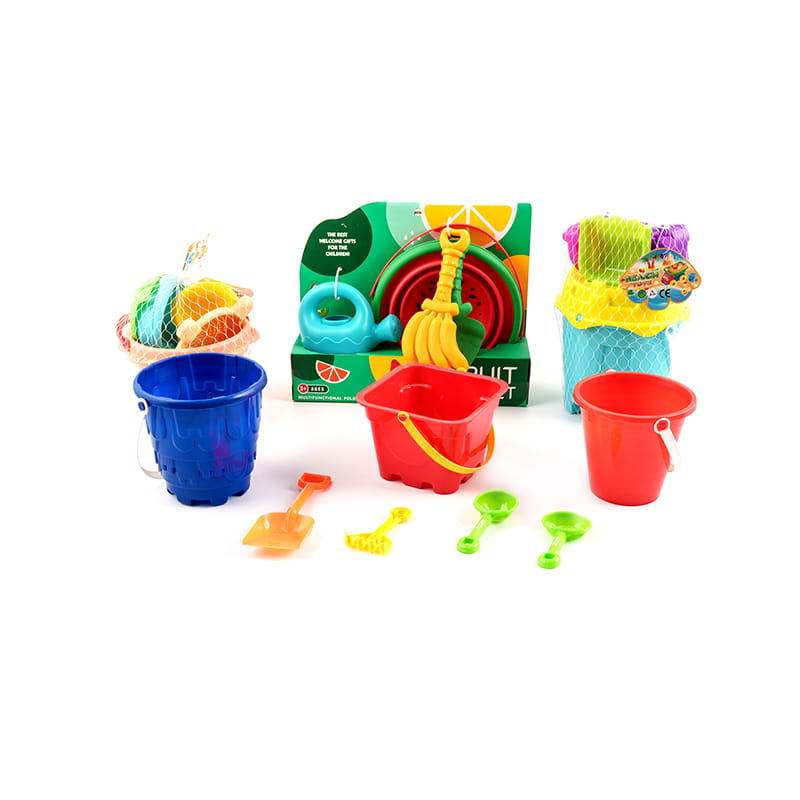 Colorful Plastic Beach Bucket and Shovel PlaysetA brightly colored PP beach set with buckets, shovels, and a rake for digging, filling, and castle building during supervised outdoor sand play.View Product →
A strong 1.5-year-old toy collection is small but varied: one movement toy, one posting or stacking toy, one sensory item, one pretend prop, and one outdoor play set can cover most of the developmental ground.
Safety is not a feature added at the end; it is the first filter. A toy that is too small, too fragile, or too easy to open should not reach a 1.5-year-old, even if the box says “educational” or “developmental.” Check the age label, the small-parts warning, the material list, and the construction before you check the color or the price.
|
Parent checks
|
Buyer checks
|
If a toy cannot pass a basic small-parts, stability, and edge check, it is not a good toy for a 1.5-year-old regardless of its developmental claims.
Importers and brand teams rarely buy a single toy; they buy a range that must pass safety review, fit a price point, and arrive on schedule. A manufacturer with OEM/ODM experience can help with color, packaging, and age grading, but the buyer still owns the specification. For a closer look at how movement toys support coordination, see how children's hula hoops support physical coordination and motor skills.
The buying risk is usually not a single bad sample; it is a slow drift between the approved sample and the production batch. A manufacturer that documents approved materials, master carton specs, and inspection points is easier to manage than one that only quotes a low unit price. For a wholesaler, the additional question is whether the carton assortment matches the retail plan without forcing slow-moving colors into the mix.
For B2B buyers, the safest toddler toy program is built on documented testing, controlled sampling, and packaging that tells the truth about age and supervision.
The table below compares common 1.5-year-old toy types by their main developmental role and the practical checks that matter most. It is useful for parents building a small home collection and for buyers mapping a toddler assortment.
| Toy type | Best for | Parent watch-out | Buyer check |
|---|---|---|---|
| Push and pull toys | Walking, balance, carrying | Tip risk and handle length | Stability test and wheel security |
| Posting and stacking toys | Hand control, focus, problem-solving | Small pieces and tight openings | Small-parts and torque tests |
| Sensory toys | Texture, calming, exploration | Tears, seams, and mouthing | Material safety and seam strength |
| Pretend play props | Language, imitation, sequencing | Loose accessories and fabric parts | Attachment strength and labeling |
| Water and sand toys | Filling, pouring, outdoor play | Shallow water and supervision | UV stability and colorfastness |
| Simple board books | Language, page turning, routine | Binding and paper edges | Ink safety and board thickness |
The best comparison is not “which toy has the most features” but “which toy gives the child a safe action to repeat and a skill to practice.”
Toddler toys take hard use. A 1.5-year-old may drop the same item twenty times, step on it, wipe it with a wet hand, or try to bite it. A quick weekly check is more useful than a deep clean once a season because damage often starts at seams, joints, and stickers.
A toy stays useful only while it stays intact; inspect, clean, and retire it before small damage becomes a safety problem.
What are the best toys for a 1.5-year-old?The best toys for a 1.5-year-old are simple, sturdy, and open-ended: push and pull toys, large stacking or posting toys, soft balls, chunky board books, simple pretend props, and shallow sand or water toys used with supervision. They work because they invite movement, hand control, imitation, and cause-and-effect play without requiring small parts or complicated rules. |
Are electronic toys bad for 1.5-year-olds?No, but they are easy to overuse. A battery toy can be useful when it encourages an action the child controls, such as pressing a large button, opening a door, or hearing a simple sound. It becomes a weaker choice when it plays continuously, leaves no room for the child to act, or replaces movement and hands-on play. |
How many toys should a 1.5-year-old have?A small accessible collection is usually enough: a few movement toys, a posting or stacking toy, one sensory item, a few pretend props, and a couple of books. The exact number matters less than variety and rotation. Too many toys at once can make it harder for the child to settle into deep play. |
What should I avoid for a 1.5-year-old?Avoid small parts, loose magnets, button batteries, long cords, sharp edges, fragile plastic, and toys that require constant adult repair. Be careful with water beads, tiny building sets, and any item with peeling stickers or loose fabric. Also avoid toys that are too difficult for the child to succeed with independently. |
How do I choose a toy supplier for this age group?Start with the destination market standard, current test reports, and a clear age-grading brief. Ask the manufacturer or supplier for material declarations, small-parts and torque testing, packaging warnings, and a production sample that matches the approved sample. A wholesaler should also confirm carton assortment, reorder lead time, and batch consistency before the range is listed. |
The safest choice for a 1.5-year-old is a toy that fits the child's current abilities, invites repetition, and passes a clear safety review before it is used or sold.
|
Outdoor and water play If you are building a seasonal program for toddlers and families, review the summer outdoor interactive games collection for beach buckets, water-play shells, and outdoor games. Confirm age grading, small-parts compliance, and supervision warnings before listing any item for the 1.5-year-old audience. |
Supplier conversation Ask for the approved sample, test report, packaging artwork, carton drop record, and reorder lead time in one package. That short list prevents most surprises between a promising toddler toy sample and a production order. |
A good toddler range starts with developmentally appropriate play and ends with documented safety, clear packaging, and a supplier who can repeat the approved result.
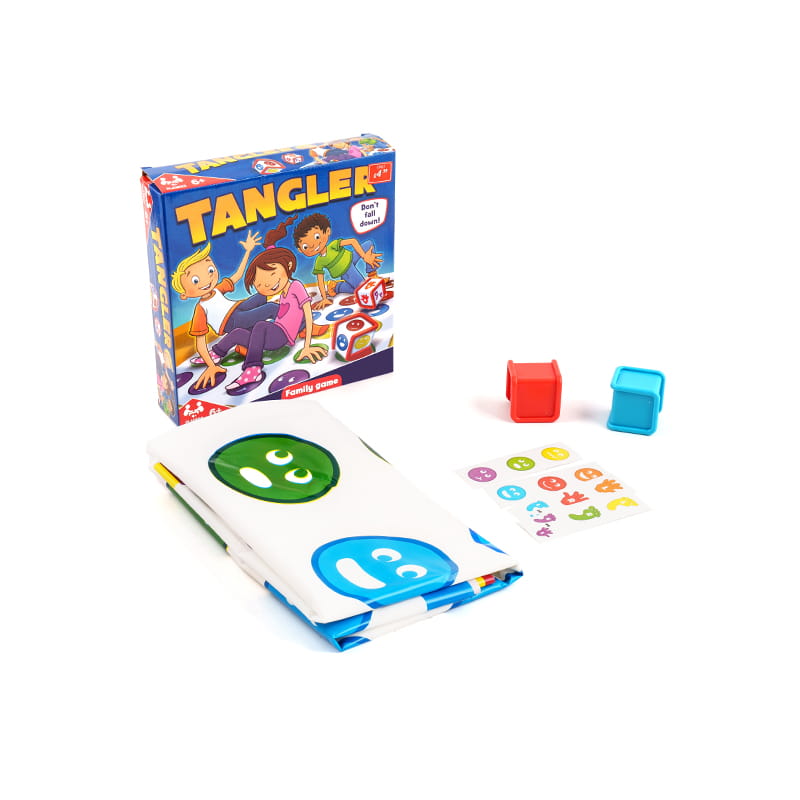
TANGLER is a fun and challenging board game that requires players to use their hands and feet to meet conditions. During the game, players need to mov...
View More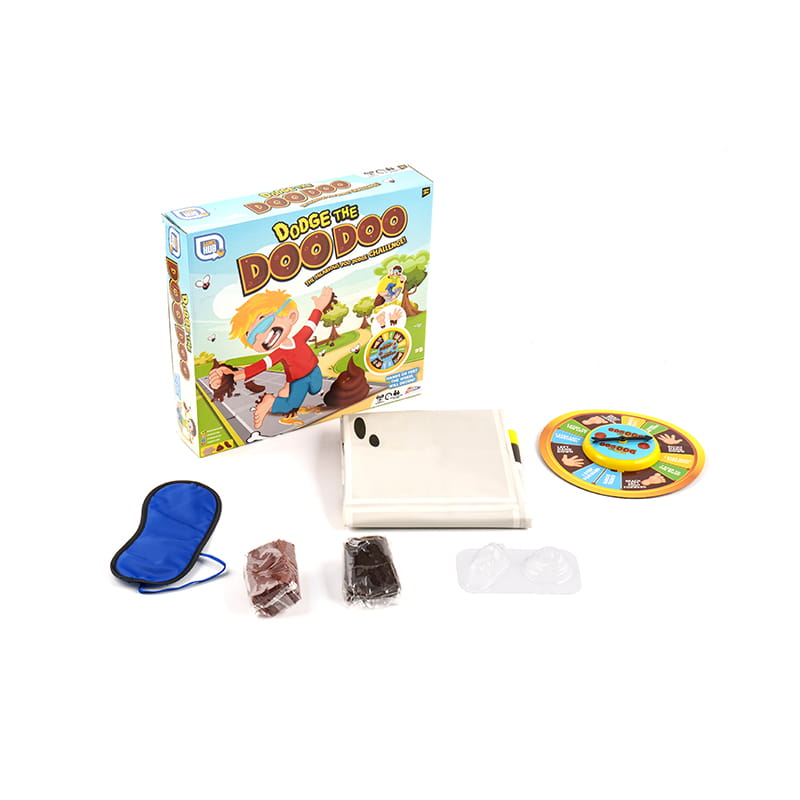
Dodge The Doggy Doo is a fun and challenging game for kids. Children need to put on a blue blindfold and walk blindfolded to complete the tasks on the...
View More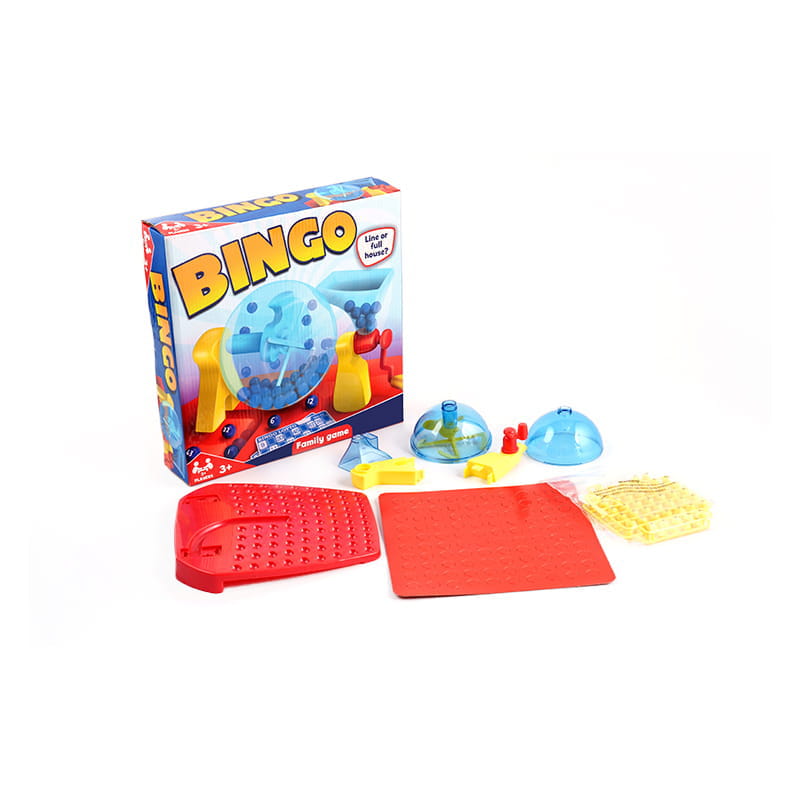
Bingo Game is an entertaining game full of fun and surprises. It contains a beautiful shaker with a sleek design and bright colors that will catch eve...
View More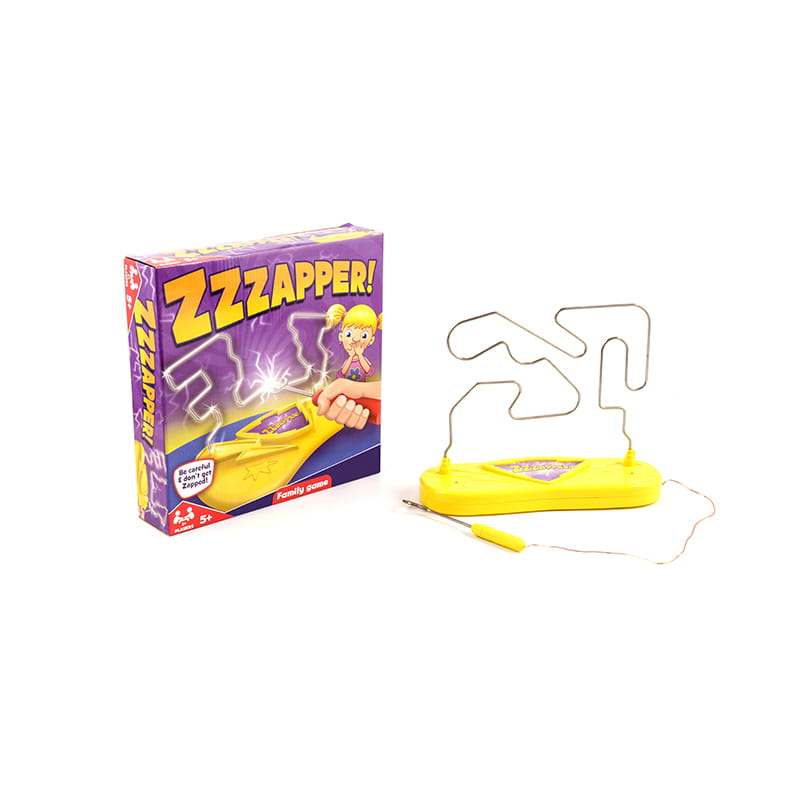
Beware of Electrocution Game is a unique family game designed to test players' concentration and balance. The game consists of a purple game box and a...
View More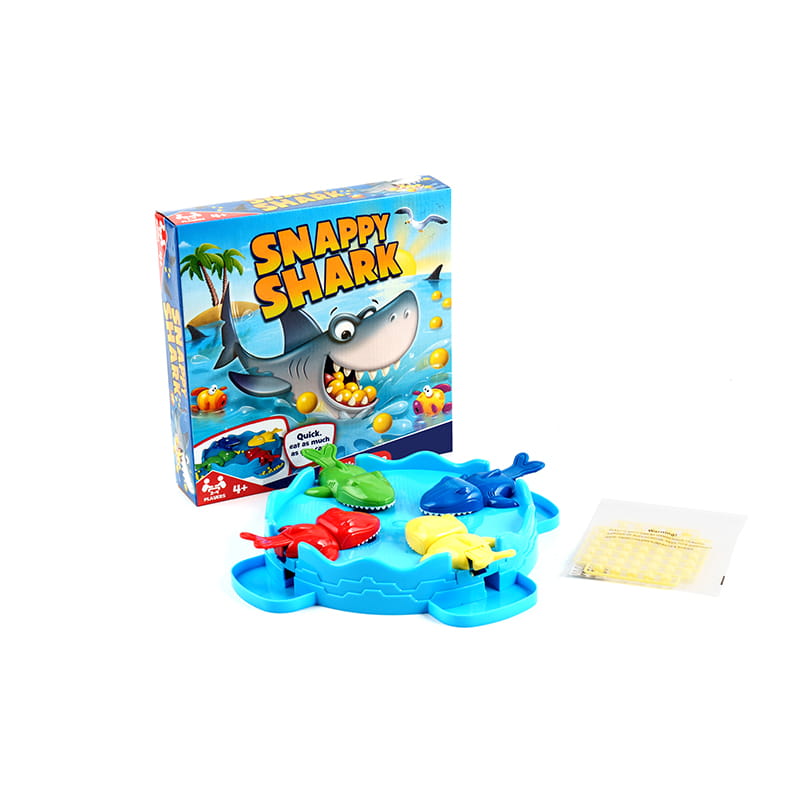
Shark Eat Beads is a four-player interactive game with a “Snappy Shark” theme, where players need to quickly maneuver their sharks to eat as many ...
View More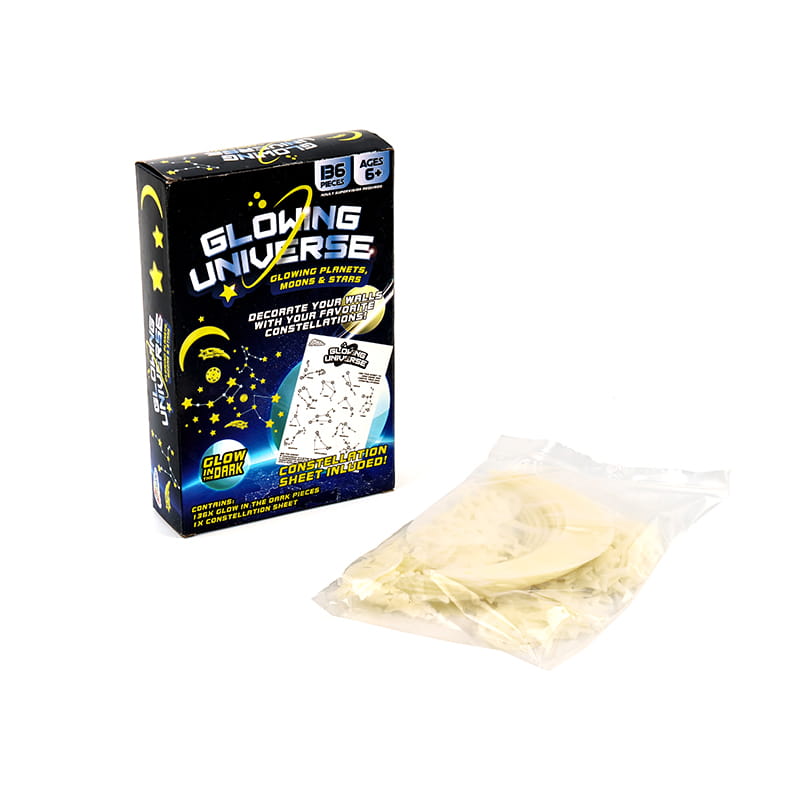
Luminous Starry Night Patch is a creative decoration. It contains a variety of cosmic elements, such as planets and stars, etc. It is made of special ...
View More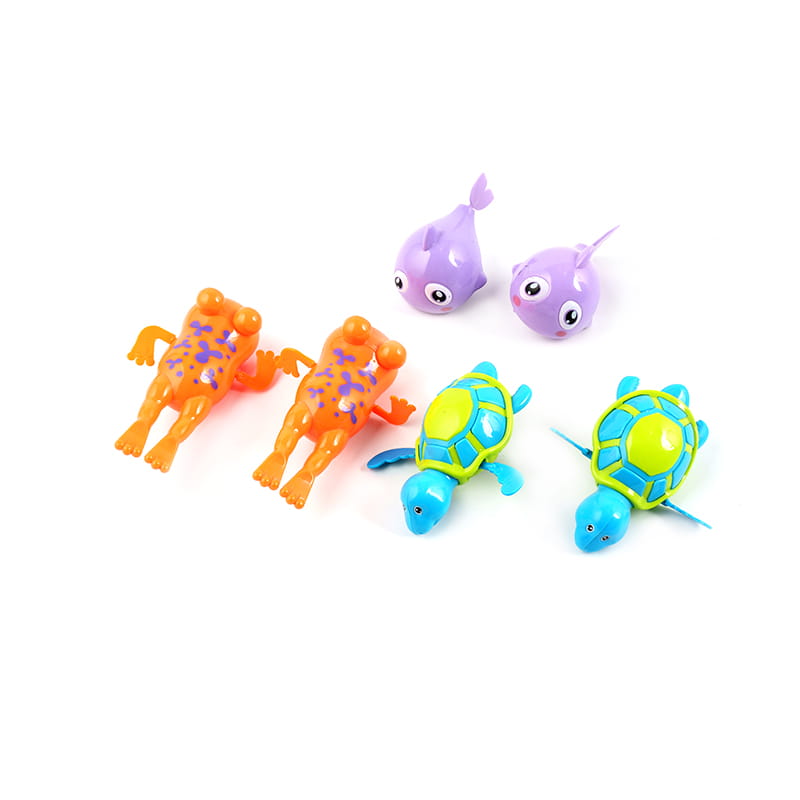
The Uplink Animal Toy is a soothing toy set designed for baby showers. The set contains brightly colored and simply designed plastic toys such as an o...
View More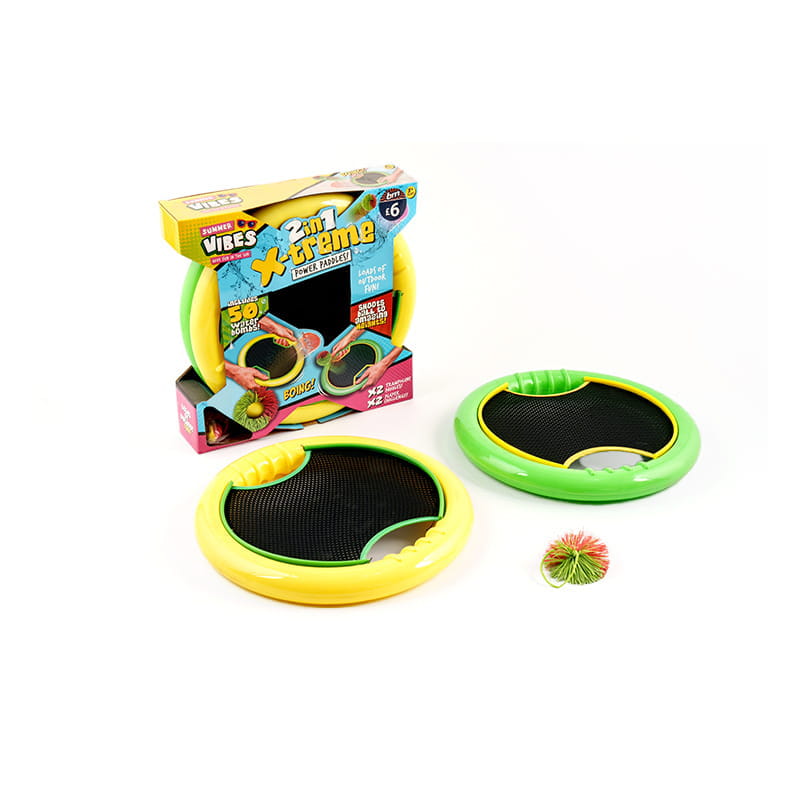
Clap Circle is a fun toy designed for children, containing 2 clappers and 1 colorful ball. This toy can be played alone to work on hand-eye coordinati...
View More
Copyright © Yuyao Leda Crafts Co., Ltd. All Rights
Reserved.

Children's Toys Factory
Children's Toys Manufacturer


