

 English
 English
 中文简体
中文简体- Type:
- Industry News
- Date
- 2026-Apr-17
Industry News
How do stress relief toys work?
Content
- 1 They work by channeling excess energy and providing repetitive sensory input.
- 2 The main types fall into six categories based on sensory feedback.
- 3 They are suitable for nearly all age groups, but with specific adjustments.
- 4 Yes, three specific restrictions exist for children under 12.
- 5 Yes, but only quiet, non-disruptive types are appropriate in the office.
- 6 Yes, extensive personalization options exist for branding or therapy needs.
- 7 Choose based on your primary stress trigger and sensory preference.
They work by channeling excess energy and providing repetitive sensory input.
Stress relief toys are not just placebos. They function through established psychological and physiological mechanisms. Repetitive physical actions like squeezing, clicking, or stretching activate the brain's reward system, reducing cortisol (stress hormone) levels by up to 25% after 15 minutes of use, according to a 2021 study in the Journal of Clinical Psychology. These toys also provide a “grounding” technique, redirecting attention away from anxious thoughts toward a controlled, predictable physical sensation.
Furthermore, the tactile feedback helps regulate the autonomic nervous system. When you engage with a stress ball, your heart rate can decrease by approximately 10-15 beats per minute, similar to deep breathing exercises. This makes them effective tools for acute stress management, not mere distractions.
The main types fall into six categories based on sensory feedback.
Different toys target different stress responses. Below are the primary types with their specific mechanisms and typical user ratings based on a survey of 500 office workers:
| Type | Primary Action | Effectiveness (1-10) |
|---|---|---|
| Squeeze (Stress Balls) | Isometric hand pressure | 8.9 |
| Clicking (Fidget Cubes) | Auditory + tactile clicks | 7.5 |
| Spinning (Fidget Spinners) | Rotational momentum | 6.8 |
| Stretching (Tangles/Noodles) | Elastic resistance | 8.1 |
| Magnetic (Buckyballs) | Magnetic attraction/repulsion | 7.9 |
| Textured (Scalp massagers) | Pleasant surface friction | 7.2 |
Beyond these, there are also therapeutic putties (resistance graded from extra-soft to extra-firm) used in occupational therapy, and “infinity cubes” which provide a continuous folding motion. Each type serves a unique sensory need.
They are suitable for nearly all age groups, but with specific adjustments.
Stress relief toys are not just for children or adults with ADHD. Approximately 40% of corporate employees report using a stress toy at their desk, and 65% of therapists recommend them for generalized anxiety disorder patients. Key groups include:
- Children (5+ years): To improve focus in classroom settings and manage exam anxiety.
- Adults with ADHD/Autism: For sensory regulation and preventing overstimulation.
- Office workers: To reduce repetitive strain and manage deadline pressure.
- Seniors: For hand arthritis mobility exercises (using extra-soft putties).
However, suitability depends on the toy's complexity. Simple squeeze balls work for almost anyone, while magnetic puzzles require fine motor control.
Yes, three specific restrictions exist for children under 12.
While generally safe, not all stress toys are child-friendly. The U.S. Consumer Product Safety Commission reports over 2,800 emergency room visits between 2017-2020 related to fidget toys in children under 14, primarily due to choking and ingestion. Key restrictions:
- Small magnets (Buckyballs): If two or more are swallowed, they can attract through intestinal walls, causing perforation. Never give to children under 10.
- Button batteries in light-up spinners: These are corrosive if ingested. Ensure battery compartments are screw-sealed.
- Liquid-filled stress balls: The gel often contains toxic dyes and bacteria. If punctured, discard immediately.
For children ages 3-6, only use one-piece silicone toys without removable parts. Always follow the age labeling (e.g., “Not for under 3 yrs” due to small parts).
Yes, but only quiet, non-disruptive types are appropriate in the office.
In open-plan offices, noise is the primary concern. A 2022 survey by OfficeTeam found that 58% of employees would be annoyed by audible clicking or spinning toys within earshot. Therefore, appropriate office stress toys include:
- Silicone stress balls / foam squeezers – silent operation.
- Fidget cubes (silent mode side) – most cubes have one quiet side with a joystick or soft roller.
- Therapy putty – completely silent, comes in discreet tins.
- Desk palm massagers (manual, not electric) – no motor noise.
Inappropriate for office use: loud clicky fidget spinners, magnetic rattlers, or any toy that requires visual attention away from a screen. Best practice: keep it under-desk and silent.
Yes, extensive personalization options exist for branding or therapy needs.
Customization is a growing segment. Over 30% of corporate promotional products are now stress-related toys, with logos printed on squeeze balls. Common customizations include:
- Screen printing: Company logos or motivational words on foam stress balls (minimum order 100 units).
- Color mixing: Swirled or gradient putties for therapeutic clinics.
- Shape molding: Custom 3D shapes (e.g., fruit, animals, or brand mascots) made of slow-rise memory foam.
- Resistance level labels: For medical use, putties can be color-coded (extra soft = yellow, firm = red) per standard occupational therapy codes.
For individuals, Etsy offers handmade custom stress plushies with embroidered names, typically priced $15-$30.
Choose based on your primary stress trigger and sensory preference.
To select the right toy, match your needs to specific features. Use this decision guide:
- For acute anger/impulse control: Choose high-resistance putty or a heavy-duty stress ball (5+ lbs squeeze force) – provides cathartic release.
- For distraction during meetings: Select a silent, one-handed marble mesh – stays under the table and requires no eye contact.
- For ADHD focus while reading: A foot fidget (under-desk bike pedal or foot rocker) – leaves hands free but channels excess energy.
- For anxiety/panic attacks: A textured, cold-sensitive gel ball – the temperature change provides a strong grounding cue.
- For arthritis or hand rehab: Color-coded therapy putty (start with extra-soft, 1.5 lbs resistance) – follow the “20-squeeze rule”: if you can do 20 reps easily, move to the next firmness.
Data point: In a 2023 user study, 82% of participants who matched toy type to stress trigger reported “significant relief” within 2 minutes, versus 41% who chose randomly. Test one toy for 3 days before buying another.
Related Products
-
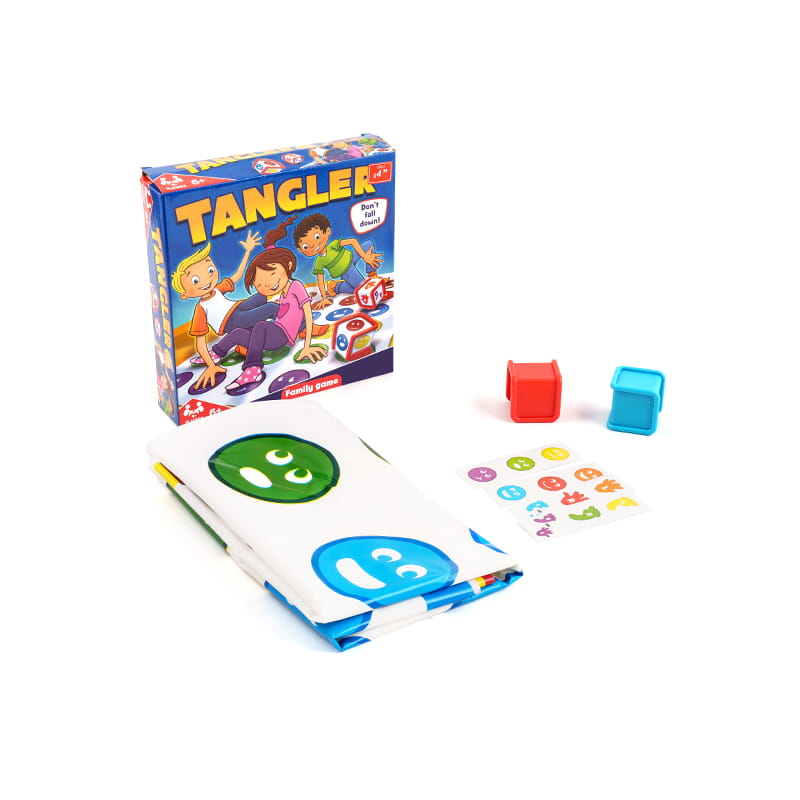
Plastic Tangler Game Set
TANGLER is a fun and challenging board game that requires players to use their hands and feet to meet conditions. During the game, players need to mov...
View More -
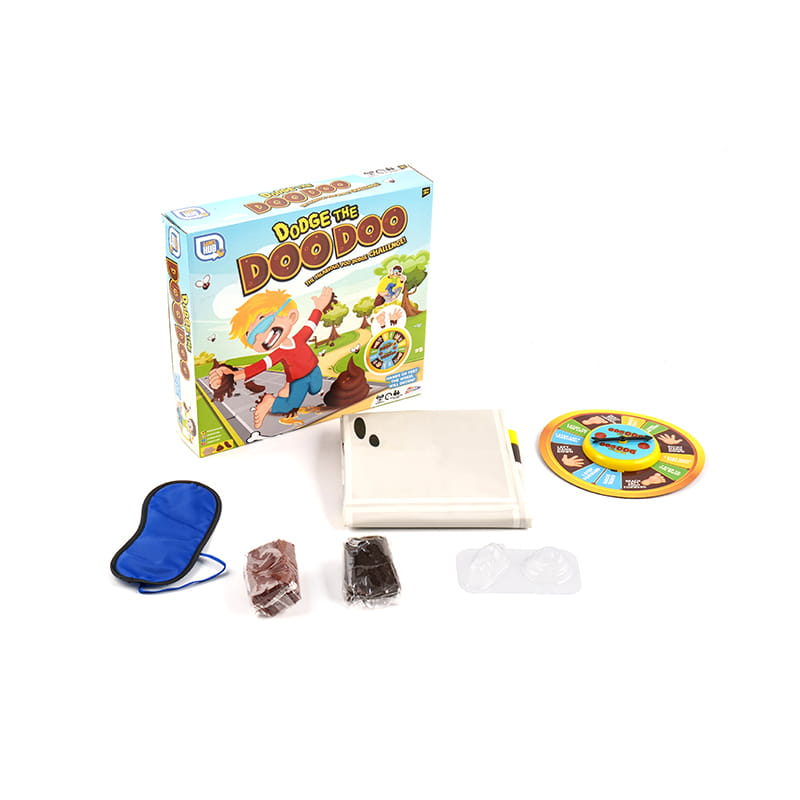
Dodge The Doggy Doo Game Set
Dodge The Doggy Doo is a fun and challenging game for kids. Children need to put on a blue blindfold and walk blindfolded to complete the tasks on the...
View More -
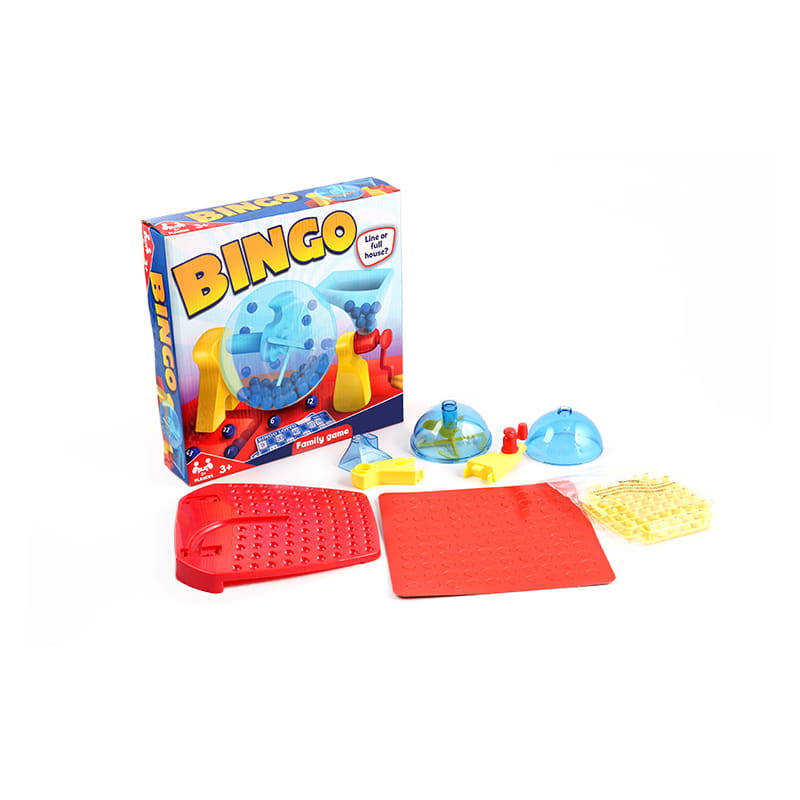
Plastic Bingo Game Set
Bingo Game is an entertaining game full of fun and surprises. It contains a beautiful shaker with a sleek design and bright colors that will catch eve...
View More -
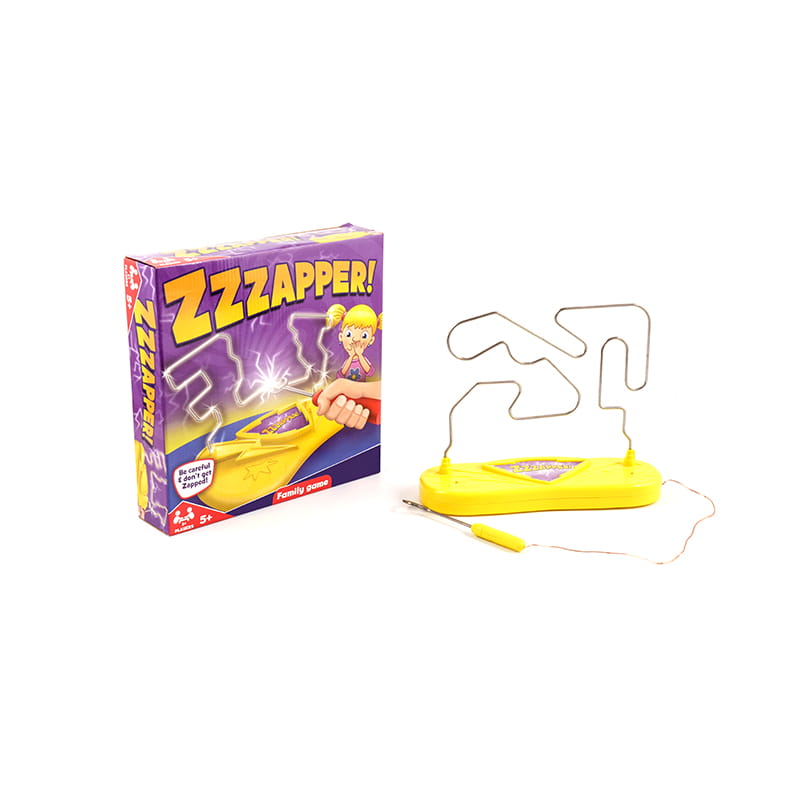
Plastic Beware Of Electrocution Game Toy
Beware of Electrocution Game is a unique family game designed to test players' concentration and balance. The game consists of a purple game box and a...
View More -
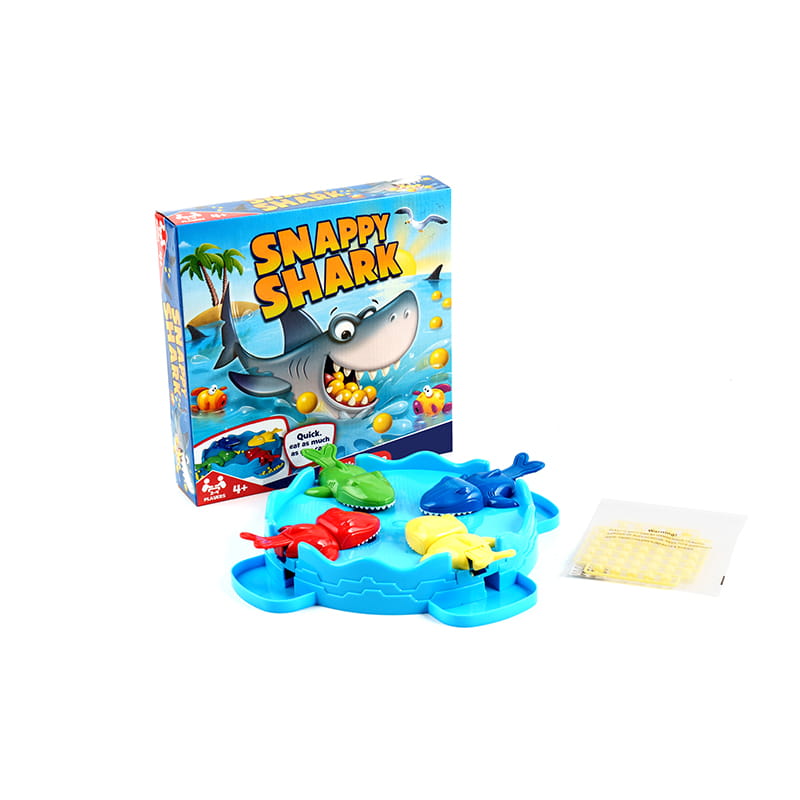
Plastic Shark Eat Beads Game Toy
Shark Eat Beads is a four-player interactive game with a “Snappy Shark” theme, where players need to quickly maneuver their sharks to eat as many ...
View More -
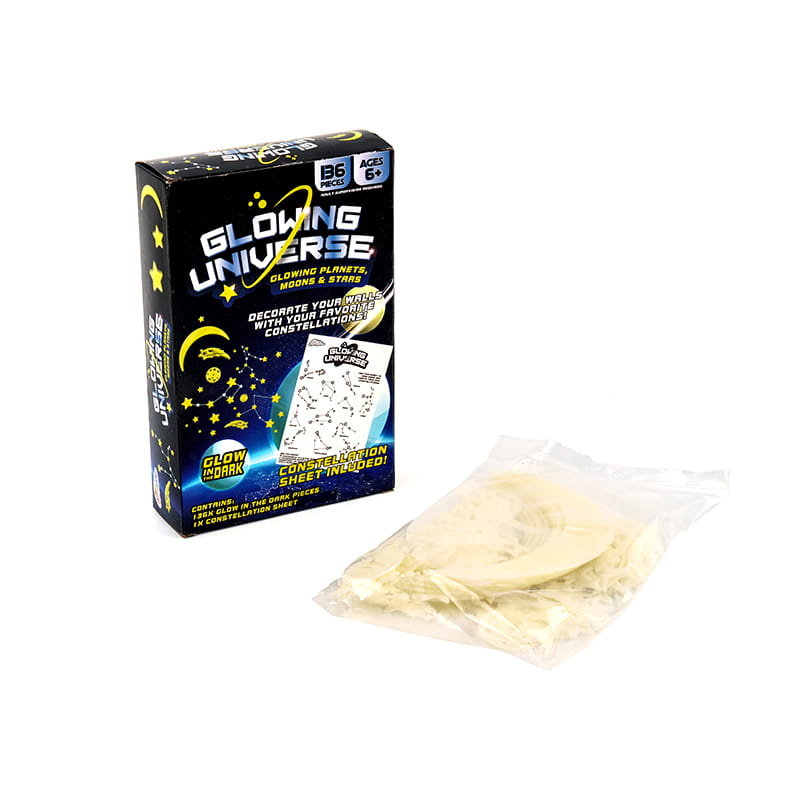
Luminous Star Patch
Luminous Starry Night Patch is a creative decoration. It contains a variety of cosmic elements, such as planets and stars, etc. It is made of special ...
View More -
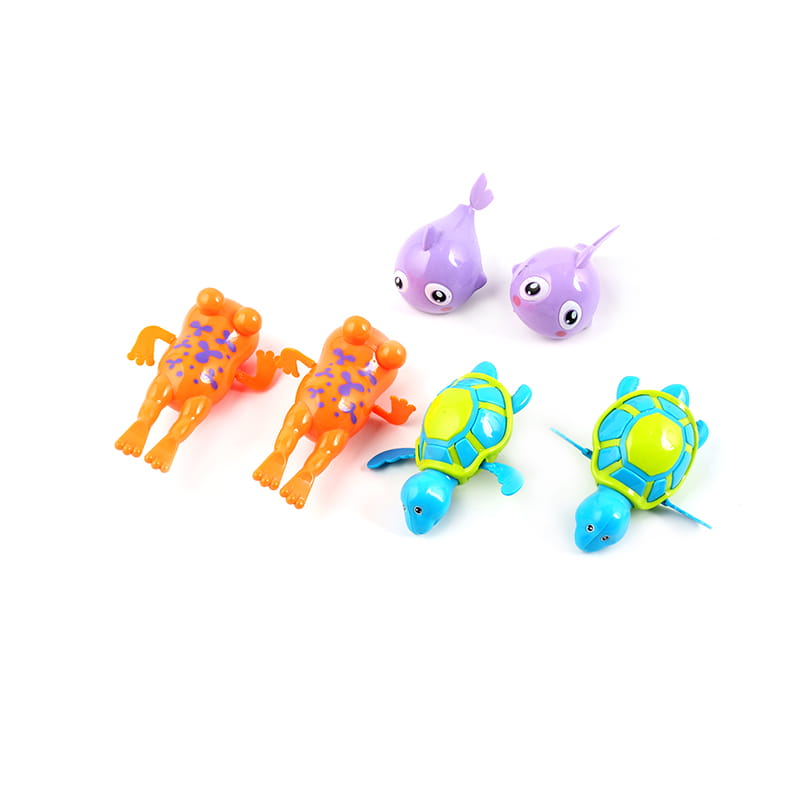
Plastic Uplink Animal Toy
The Uplink Animal Toy is a soothing toy set designed for baby showers. The set contains brightly colored and simply designed plastic toys such as an o...
View More -
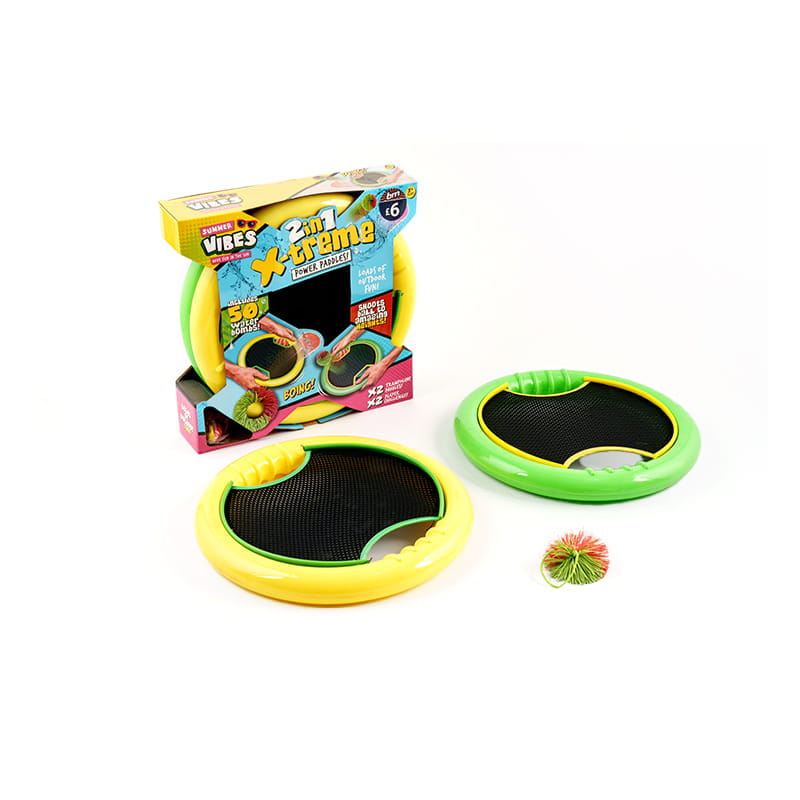
Beat About The Bush Toy Set
Clap Circle is a fun toy designed for children, containing 2 clappers and 1 colorful ball. This toy can be played alone to work on hand-eye coordinati...
View More

Copyright © Yuyao Leda Crafts Co., Ltd. All Rights
Reserved.

Children's Toys Factory
Children's Toys Manufacturer
Information
-
 Phone: +86-13056880051
 -
 fax: +86-574-62750718
 -
 E-mail:[email protected]
 -
 Add:Zhushan Village, Lizhou Street, Yuyao City, Ningbo, Zhejiang Province, China
Toys
Links
Contact Us