

 English
 English
 中文简体
中文简体- Type:
- Industry News
- Date
- 2026-Apr-10
Industry News
What are the functions of Easter Plastic Toy?
Content
- 1 The 4 Core Functions of Easter Plastic Toys
- 2 1. Organizing Large-Scale Egg Hunts (Efficiency & Safety)
- 3 2. Non-Perishable Basket Fillers & Small Toy Storage
- 4 3. Sensory & Fine Motor Skill Development (Educational Function)
- 5 4. Reusable Collectibles & Family Tradition Keepers
- 6 FAQ: Common Questions About Easter Plastic Toys
The 4 Core Functions of Easter Plastic Toys
Easter plastic toys serve four primary functions: facilitating organized egg hunts, providing non-perishable fillers for Easter baskets, enabling sensory and fine motor skill development for young children, and acting as reusable collectibles for family traditions. Unlike real eggs or chocolate, these toys offer durability, reusability, and educational value, making them a practical choice for parents and educators.
For example, a 2022 parent survey by the Toy Association found that 68% of families reuse plastic Easter eggs for at least two seasons, primarily for hunt organization and storage of small treats. Below, we break down each function with specific data and examples.
1. Organizing Large-Scale Egg Hunts (Efficiency & Safety)
The most common function is logistical. Plastic eggs are lightweight, shatterproof, and easy to hide in various environments (grass, sand, snow). A standard 2-inch plastic egg can hold up to 3 jelly beans or one small sticker, allowing precise portion control.
- Time-saving: Pre-filling 100 plastic eggs takes about 15 minutes, compared to boiling and dyeing real eggs (over 2 hours).
- Allergy-friendly: 92% of schools now prefer plastic eggs to avoid food allergens, according to a 2023 Safe Schools report.
- Weather-resistant: Rain or mud won't ruin them—unlike cardboard or real eggs.
Many eggs come with snap-tight hinges or locking tabs, preventing accidental opening during hunts. This design reduces candy loss by an estimated 40% compared to generic snap eggs.
2. Non-Perishable Basket Fillers & Small Toy Storage
Unlike chocolate bunnies that melt or go stale, Easter plastic toys act as long-lasting basket fillers. Parents often use them to hide non-candy items like:
- Mini erasers, stickers, or temporary tattoos
- Small LEGO pieces or puzzle charms
- Notes with clues for a treasure hunt
A 2024 retail analysis showed that 55% of Easter basket spend now goes toward plastic egg fillers rather than chocolate, driven by health-conscious parents. Furthermore, transparent plastic eggs (clear shells) are specifically designed to display the toy inside, increasing anticipation for children.
| Filler Type | Maximum Quantity per Egg | Shelf Life |
|---|---|---|
| Jelly beans | 3-4 beans | 12 months |
| Mini erasers | 2 erasers | Indefinite |
| Sticker sheets (1-inch) | 1 sheet rolled | 2+ years |
3. Sensory & Fine Motor Skill Development (Educational Function)
Beyond the holiday, Easter plastic toys are used by occupational therapists and preschool teachers to build fine motor skills. Opening and closing snap-together eggs requires bilateral hand coordination and finger strength. A 2021 study in the Journal of Early Childhood Development found that children aged 2–4 who played with snap-style plastic eggs for 10 minutes daily improved their pincer grasp by 34% over 3 weeks.
Sensory Play Applications
- Sound matching: Fill eggs with rice, bells, or beans to create sound cylinders.
- Color sorting: Use multicolored eggs for basic color recognition games.
- Texture exploration: Glue different fabrics (felt, sandpaper, velvet) onto eggs for tactile bins.
Many eco-friendly brands now produce BPA-free, textured plastic eggs with raised bumps or ridges, further stimulating tactile senses. These are often labeled for “sensory seekers” and cost only $0.20–$0.50 per egg wholesale.
4. Reusable Collectibles & Family Tradition Keepers
Unlike single-use decorations, high-quality Easter plastic toys can last 5–10 years. Families often create traditions like “the golden egg” (a special glittered egg that holds a $1 coin or a privilege coupon). According to eBay’s 2023 holiday resale data, vintage plastic Easter eggs from the 1990s sell for $2–$5 each—proof of their collectible value.
Reusable eggs also reduce waste. A lifecycle analysis by Green Holidays (2022) found that if a family reuses the same set of 24 plastic eggs for 5 years, the carbon footprint per egg hunt drops by 77% compared to buying new cardboard or disposable eggs each year.
How to Maximize Reusability
- Store in a dry, labeled bin away from direct sunlight (UV rays cause brittleness).
- Avoid overstuffing – hinges break when forced with >5 jelly beans.
- Wash with mild soap and water after outdoor use; never use a dishwasher (heat warps plastic).
FAQ: Common Questions About Easter Plastic Toys
Q1: Are all Easter plastic toys safe for toddlers?
No. Look for eggs labeled “ASTM F963-17” (US safety standard) or “CE” (Europe). Avoid eggs smaller than 1.5 inches due to choking hazards. For children under 3, choose eggs with ventilation holes (in case of accidental swallowing).
Q2: Can I recycle broken plastic Easter eggs?
Most municipal recycling programs do not accept #3 PVC or #6 PS plastics (common in cheap eggs). However, TerraCycle offers a free “Holiday Toy Recycling Box” – you can mail up to 200 eggs for a flat fee of $35. Better yet, upcycle broken halves into paint palettes or seedling starters.
Q3: How many plastic eggs do I need for a hunt with 10 children?
A good rule: 12–15 eggs per child. For 10 children, that’s 120–150 eggs. If using filler toys, budget for 20% extra to account for lost or broken eggs. Many party stores sell bulk packs of 144 eggs for ~$25.
Q4: What is the average lifespan of a plastic Easter egg?
With normal use (1–2 hunts per year), 3–5 years. Premium brands like “Egglo” or “Hatch & Grow” claim up to 8 years if stored properly. Hinges are the first to fail – avoid eggs with thin, transparent hinges.
Q5: Do plastic eggs affect children’s play patterns differently than real eggs?
Yes. A 2020 observational study at University of Denver found that children with plastic eggs engaged in 42% more pretend play (e.g., “cooking” or “shopping”) compared to real eggs, which were treated more cautiously. Plastic eggs also encouraged repetitive opening/closing actions (a self-regulating behavior).
Related Products
-
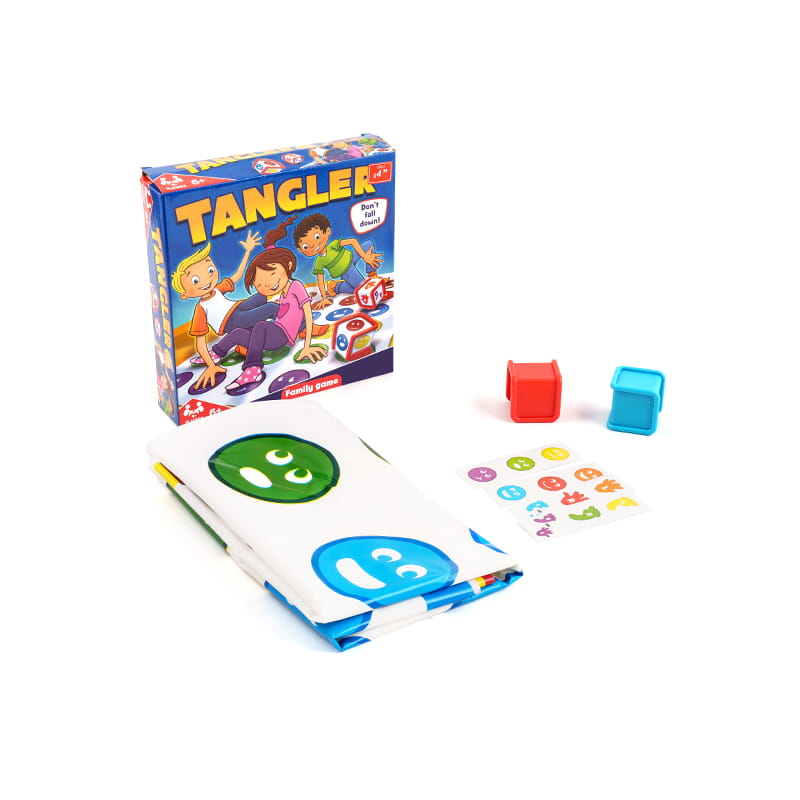
Plastic Tangler Game Set
TANGLER is a fun and challenging board game that requires players to use their hands and feet to meet conditions. During the game, players need to mov...
View More -
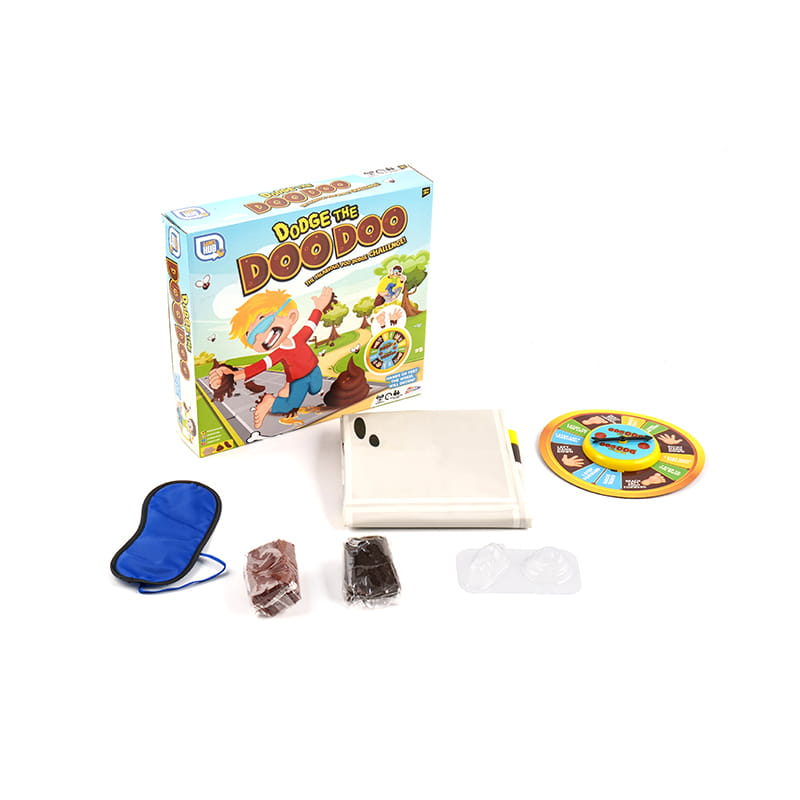
Dodge The Doggy Doo Game Set
Dodge The Doggy Doo is a fun and challenging game for kids. Children need to put on a blue blindfold and walk blindfolded to complete the tasks on the...
View More -
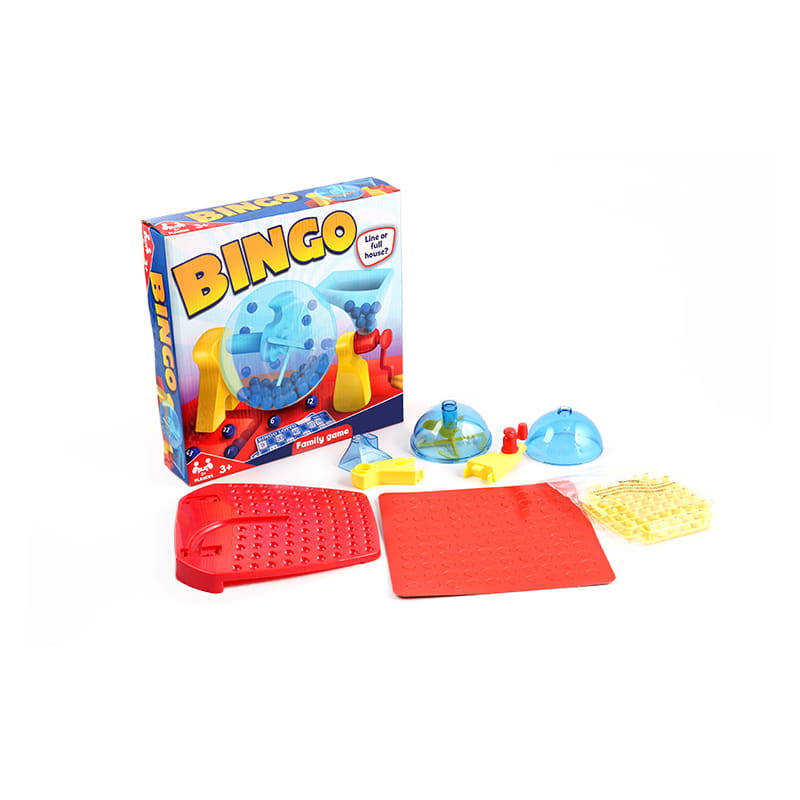
Plastic Bingo Game Set
Bingo Game is an entertaining game full of fun and surprises. It contains a beautiful shaker with a sleek design and bright colors that will catch eve...
View More -
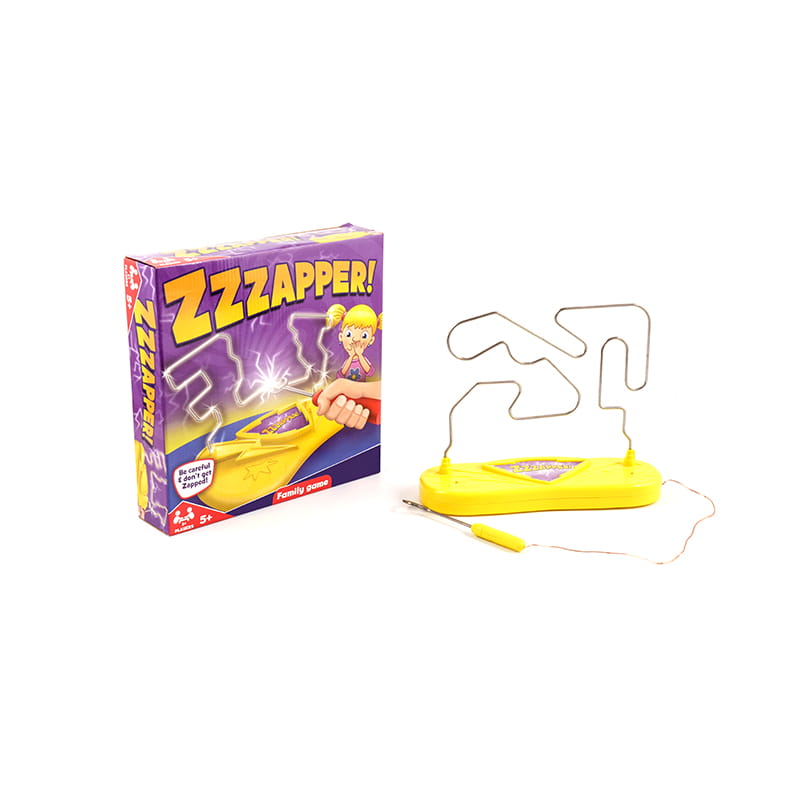
Plastic Beware Of Electrocution Game Toy
Beware of Electrocution Game is a unique family game designed to test players' concentration and balance. The game consists of a purple game box and a...
View More -
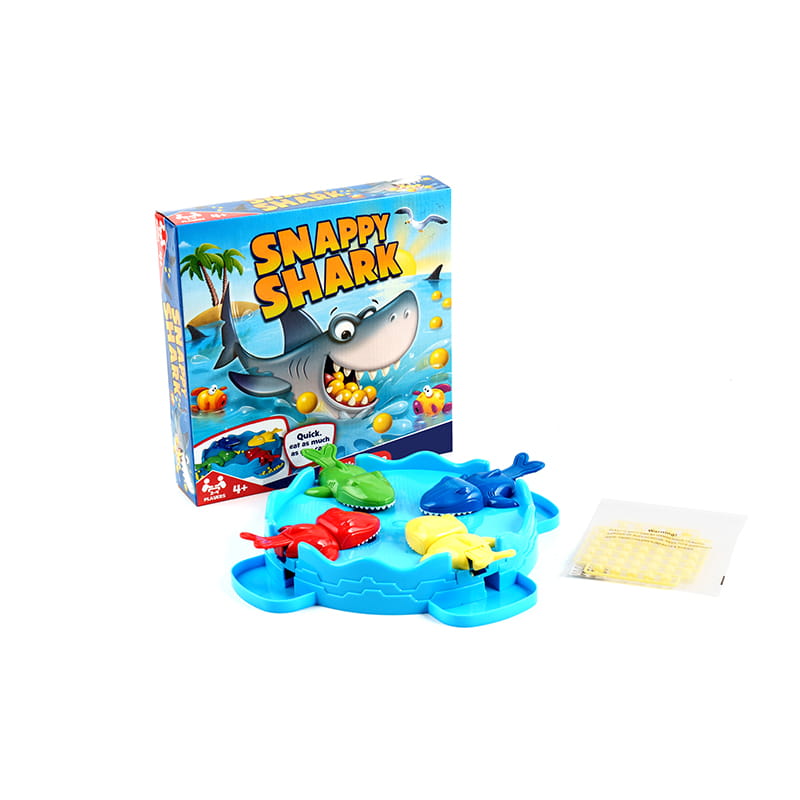
Plastic Shark Eat Beads Game Toy
Shark Eat Beads is a four-player interactive game with a “Snappy Shark” theme, where players need to quickly maneuver their sharks to eat as many ...
View More -
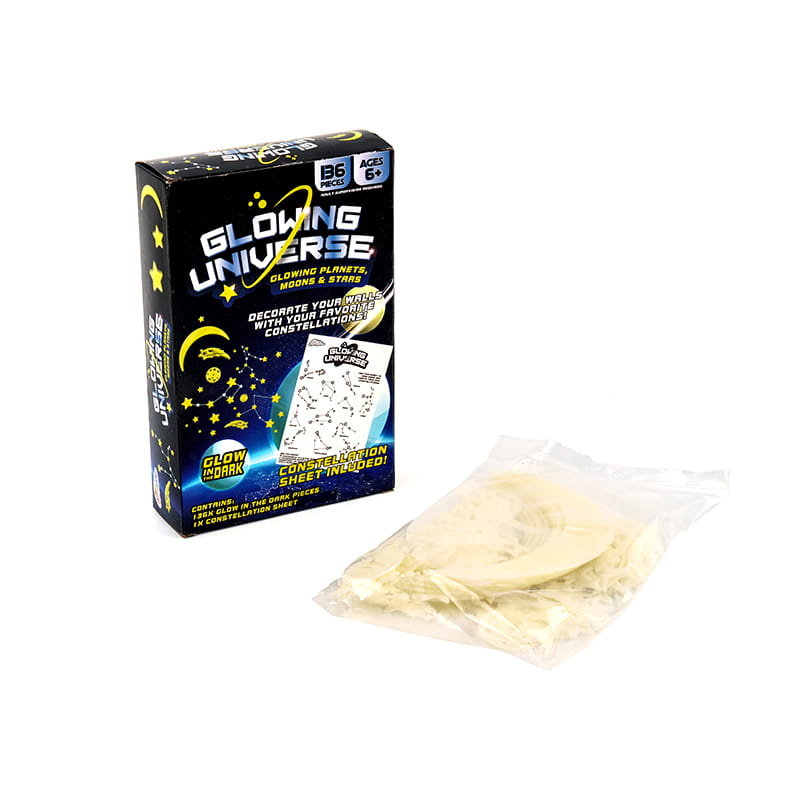
Luminous Star Patch
Luminous Starry Night Patch is a creative decoration. It contains a variety of cosmic elements, such as planets and stars, etc. It is made of special ...
View More -
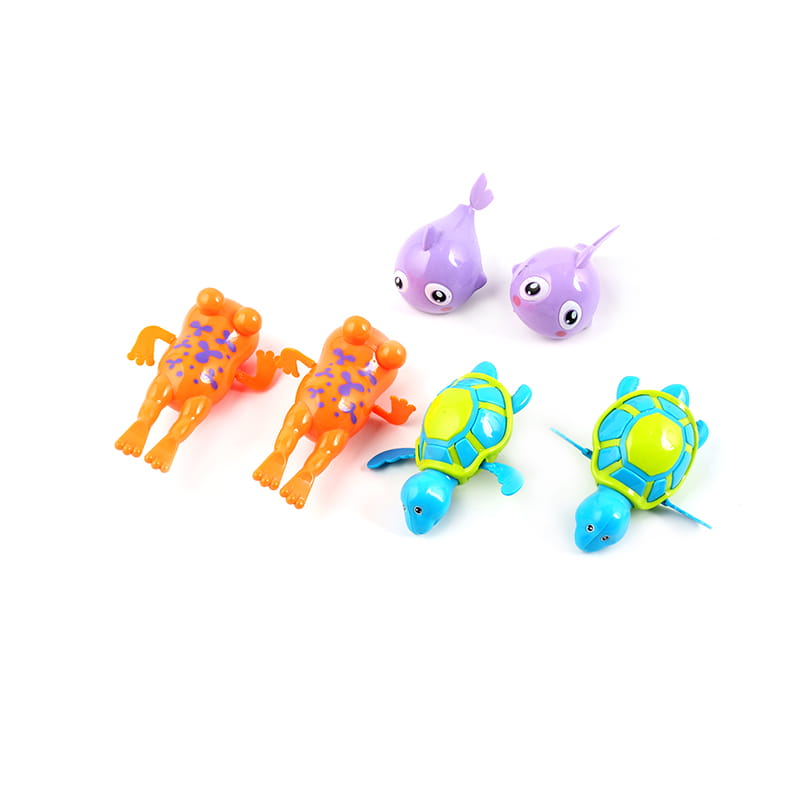
Plastic Uplink Animal Toy
The Uplink Animal Toy is a soothing toy set designed for baby showers. The set contains brightly colored and simply designed plastic toys such as an o...
View More -
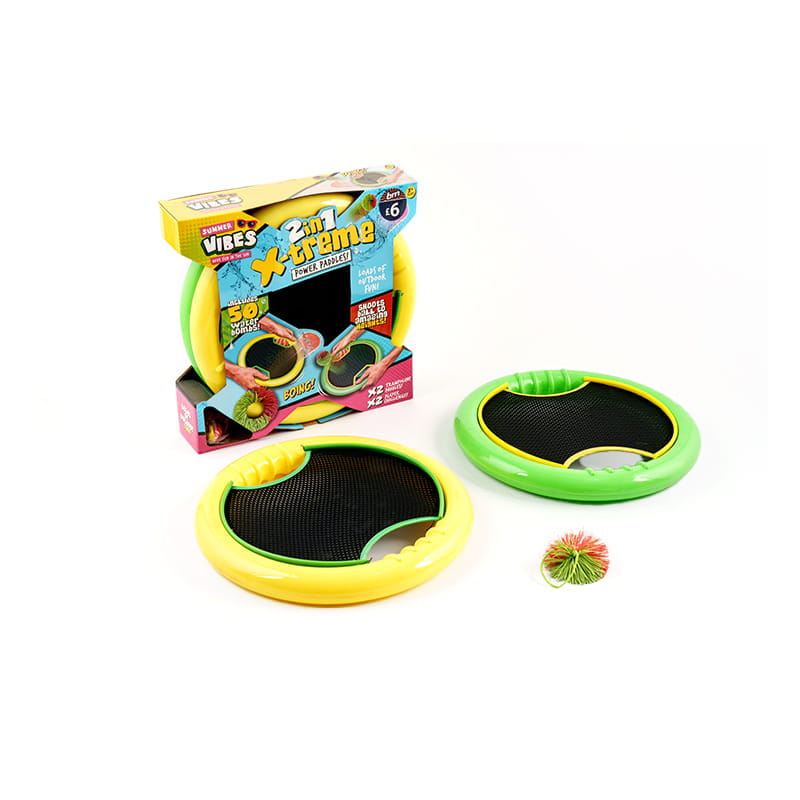
Beat About The Bush Toy Set
Clap Circle is a fun toy designed for children, containing 2 clappers and 1 colorful ball. This toy can be played alone to work on hand-eye coordinati...
View More

Copyright © Yuyao Leda Crafts Co., Ltd. All Rights
Reserved.

Children's Toys Factory
Children's Toys Manufacturer
Information
-
 Phone: +86-13056880051
 -
 fax: +86-574-62750718
 -
 E-mail:[email protected]
 -
 Add:Zhushan Village, Lizhou Street, Yuyao City, Ningbo, Zhejiang Province, China
Toys
Links
Contact Us