

 English
 English
 中文简体
中文简体- Type:
- Industry News
- Date
- 2026-Sep-01
Industry News
Home / News / Industry News / How to Choose a Toy for a Gift: A Practical Guide to Age, Safety, and Play Value
Content
Picture two birthday parties in the same week. At the first, a child tears open a large, noisy toy, plays with it for one afternoon, and never touches it again. At the second, a child receives a simple hula hoop and is still spinning it around the garden a month later. The difference between those outcomes is rarely the budget — it is the selection method behind the gift. The fastest way to choose a toy for a gift is to run five checks in order: age and stage fit, safety and materials, the child's interests, open-ended play value, and build quality. This guide walks through each check with concrete standards, comparisons, and examples drawn from more than a decade of producing children's toys — hula hoops, board games, stress relief toys, seasonal gift items, and craft kits — for brand owners, wholesalers, and importers across Europe and the Americas. By the end, you will be able to shortlist a gift toy in minutes and explain exactly why it beats the alternatives.
The best gift toy is not the most expensive one — it is the one that matches the child's stage and keeps offering new ways to play.
The five checks are ordered on purpose. Age fit comes first because most disappointing gifts fail there: the toy is technically safe but pitched at the wrong developmental stage, so it feels either babyish or frustrating within a week. Safety follows immediately, because a wrong age match can usually be regifted, while a safety failure cannot. The remaining three checks separate a present that gets used from one that gets stored.
Run the checks as eliminations rather than scores. A candidate that fails the first two is out regardless of price, and one that fails the last three is only worth buying at a steep discount. Gift toys that pass all five rarely end up forgotten at the back of a cupboard.
Run the five checks in order — age, safety, interests, play value, quality — and eliminate weak candidates before price or packaging sway you.
Age labels on toy packaging do two jobs at once: they mark a safety boundary and sketch a developmental profile. A "3+" mark means small parts could choke a younger child, so treat it as a hard limit, not a suggestion. Once the boundary is clear, matching becomes a matter of recognising the play profile of each stage, which is what the age-appropriate overview below is designed to speed up.
| Age range | What the child is working on | What to look for in the gift | Directions that work |
|---|---|---|---|
| Under 3 | Mouthing, grasping, cause and effect | One-piece designs, no small parts, washable surfaces | Large smooth items only; skip anything detachable |
| 3 to 5 years | Gross motor skills, pretend play, first rules | Chunky handles, bright colours, instant results | Hula hoops, sand play sets, simple outdoor toys |
| 6 to 8 years | Coordination, rule-based play, friendships | Turn-taking, visible progression, light competition | Board game sets, sidewalk chalk, frisbees |
| 9 to 12 years | Skill building, identity, collecting | Tricks to master, display value, better finishing | LED hula hoop tricks, golf sets, DIY bead jewellery |
| 13 and older | Social play, stress relief, personal style | Aesthetics, durability, something worth keeping | Stress relief toys, tie-dye kits, tactical board games |
Physical gifts deserve special attention because they turn a present into an ongoing activity. For a five-year-old who never stops moving, a light-up hoop works as sports equipment and a light show at the same time, which is exactly why kids LED light hula hoops are among the most reordered items in our production lines. For a ten-year-old, the same product becomes a skill challenge: more rotations, longer runs, smoother transitions between tricks.
 Kids LED Light Hula HoopThis children's LED lighted hula hoop is made of PE tubing as a sturdy and durable frame and skillfully assembled with LED light beads. Various colors of plastic hoops...View Product →
Age fit also protects the budget. A toy pitched two years below the child reads as a careless gift even when it cost more than the alternatives, while an open-ended toy matched to the right stage keeps giving value across several seasons of growth.
Treat the age label as a hard safety boundary, then match the gift to what the child is learning to do right now.
Safety is the one check where "probably fine" is not an acceptable answer. A gift toy travels into someone else's home, so the buyer shares responsibility for the standards behind it. Three layers matter: the material, the construction, and the documented testing behind both.
Polypropylene (PP) and polyethylene (PE) are the workhorses of children's plastic toys because they are tough, washable, and do not shatter into sharp fragments. Silicone and TPR dominate the stress relief category because they deform thousands of times without tearing. In a shop, press the toy: quality plastic flexes instead of creaking, shows no sharp flash left over from moulding, and carries no strong chemical smell. A harsh smell usually signals a shortcut in raw material selection, and it is a reason to put the box back on the shelf.
Run a thumb around every edge, tug any attached parts, and confirm that battery compartments close with a screw. For children under three, apply the small-parts test: anything that fits inside a cylinder roughly 3.17 cm across — the standard choke-test dimension used in toy safety labs — does not belong in a gift for that age group. This single check removes most of the risk from shopping for toddlers.
Credible manufacturers test physical performance, chemical composition, and durability before shipment, and their products are certified against frameworks such as EN 71 in Europe and ASTM F963 in the United States. If you are sourcing from a toy supplier or manufacturer rather than picking one box off a shelf, ask for the test reports by name and for the current production batch. A factory that regularly produces for European and American brands will provide them without hesitation; hesitation itself is useful information.
No chemical smell, no sharp edges, no small parts for under-threes, and test reports on request — pass all four or walk away.
Given two toys at the same price, choose the one with more ways to play. Novelty sells the first hour; play value owns the next six months. A single-trigger toy — one button, one sound, one joke — peaks on the first afternoon, while an open-ended toy keeps generating new challenges as the child grows.
Open-ended gifts share a pattern: simple rules, many outcomes. A hoop can be spun, rolled, jumped through, or turned into a target. A multi-game board set that combines flight chess, snakes and ladders, and checkers in one box gives a family three games for a single purchase and scales from two players to a full table. Chalk turns a driveway into a canvas that resets with rain. Sand art and bead kits end with a finished object the child can keep or give away, which doubles the emotional return on the gift.
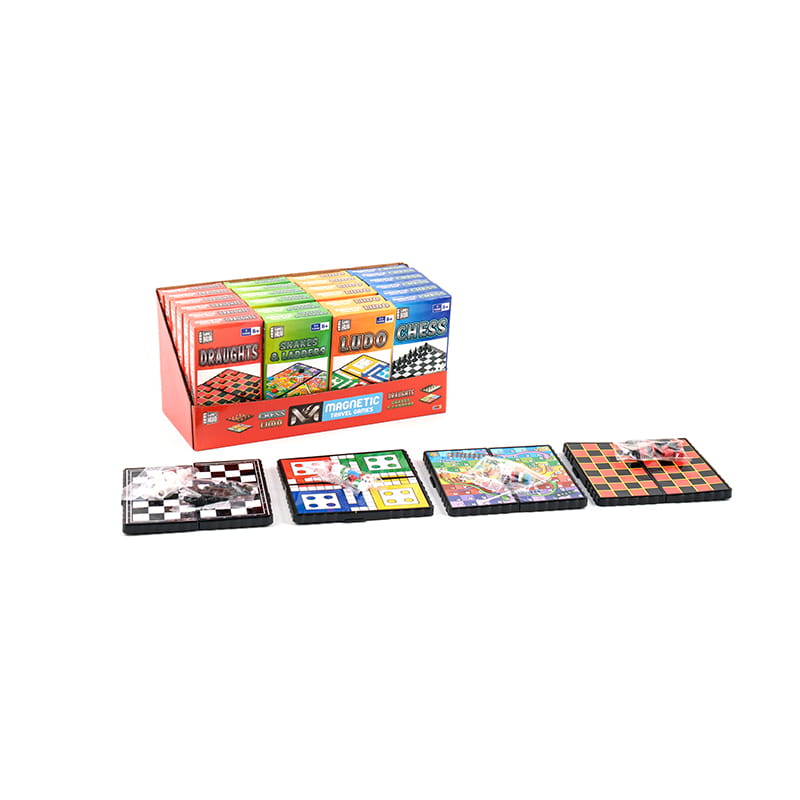 Flight Chess, Snakes And Ladders, Chess, Checkers Toy SetOur classic board games, including Flight Chess, Snakes and Ladders, Chess and Checkers, are great for family fun and intellectual development. These games not only de...View Product →
Single-trick novelty toyOne button, one sound, one punchline. |
Open-ended play toySimple rules, many outcomes. |
| Attention peaks within hours of unwrapping. | Attention grows over months as the child invents new games. |
| High cost per hour of actual play. | Low cost per hour of play; the toy earns its price repeatedly. |
| One breakage ends the toy completely. | Tolerates rough handling and absorbs new stages of development. |
| Dates quickly and is hard to pass on. | Works across ages and siblings, easy to regift. |
When two candidates cost the same, the one with three or more ways to play is almost always the better gift.
The same child can need three different toys in three different settings, so anchor the gift to where it will actually be used. An Easter basket calls for fillable, colourful, collectable items such as plastic eggs and surprise eggs. A summer birthday points outdoors, toward frisbees, water balloon games, and beach sets. A long car ride or a rainy Sunday rewards compact stress relief toys and quiet games. A family games night needs something with enough depth for adults to join in. The quick reference below maps common gifting moments to the categories that fit them best.
Seasonal gifts carry a hidden advantage: they arrive with a built-in activity. A set of plastic Easter eggs is not just a toy but an entire afternoon of hiding, hunting, and trading — exactly the shared experience that makes a gift memorable for the adults watching as much as for the child opening it. The same logic applies to water balloon games in midsummer and to board games on a winter evening.
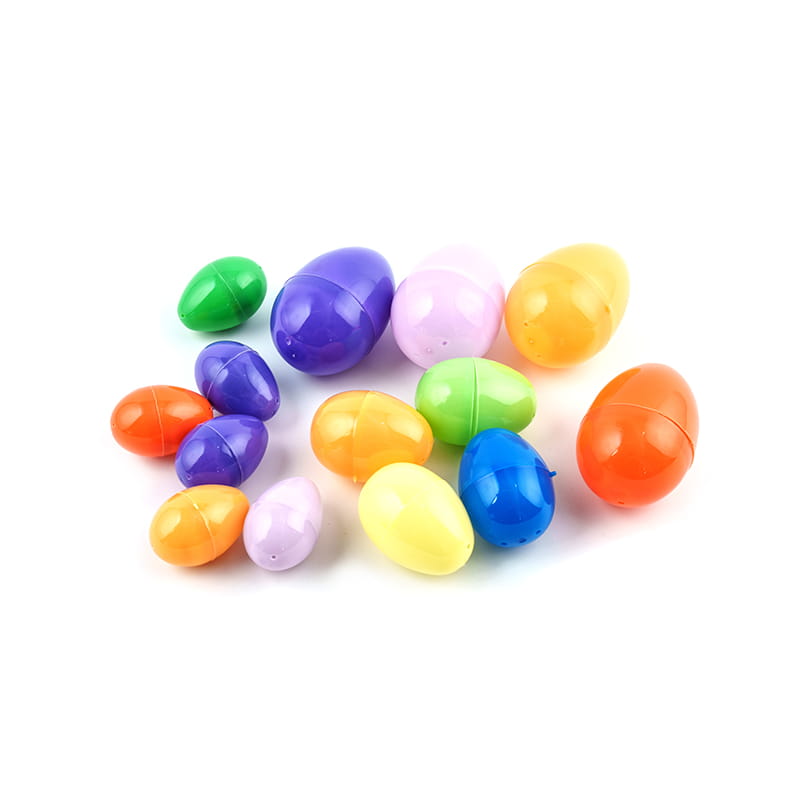 Colorful Plastic Easter Eggs for Hunt GamesMade of PP material in assorted bright colors, each opening egg holds candies or small surprises. As a seasonal gift, it arrives with a built-in activity of hiding, hunting, and trading.View Product →
Anchor the gift to the setting it will live in — basket, backyard, desk, or table — and the choice usually narrows to one obvious category.
When gift buyers face a wall of options, they rarely weigh every factor equally, even if they believe they do. To make the process repeatable, our team uses a simple weighting framework built from more than a decade of OEM and ODM orders for toy brands. The framework scores every candidate toy against six factors before anyone discusses price. The chart below shows how those factors are weighted in our internal review. Treat the percentages as a starting template rather than a rigid rule, then adjust for the specific child and occasion.
How we weight six factors when reviewing a gift-toy candidate
Bar lengths are scaled against the largest factor; the values show the actual weighting.
The first thing the chart shows is that age and safety are tied at the top, together carrying half of the total weight. That balance is deliberate: a toy that is developmentally perfect but built from weak materials fails just as completely as a safe toy that bores the child. Open-ended play value holds the third-largest share because it is the single best predictor of how long a gift stays in rotation. A hoop, a multi-game board set, or a sand art kit can be used in dozens of ways, while a single-trick toy usually peaks on the first afternoon. The child's interests carry a smaller weight only because most gift buyers already apply that filter instinctively. Build quality scores lower on paper than in practice, since one breakage ends every other benefit immediately. Occasion and setting fit sits at the bottom not because it is unimportant, but because it is usually satisfied automatically once you know when and where the gift will be opened. In daily use, the framework works best as an elimination tool. If a candidate fails either of the top two factors, remove it from the shortlist no matter how attractive the price is. If two toys survive the first checks, the one with higher open-ended play value usually wins. The same logic scales from a single birthday present to a full seasonal assortment planned by a wholesaler. It also explains why classic categories such as hula hoops, board games, and craft kits keep returning to order sheets year after year.
Age and safety carry half the weight in our framework, and any candidate that fails either check is removed before price is even discussed.
Everything above applies to a single purchase, but the same logic scales up for retailers, wholesalers, and brand owners selecting gift toys for a season. At that level the question changes from "is this toy good?" to "can this supplier deliver this toy, customised, on time, and consistently safe?" As a manufacturer and trading company located in China's Hangzhou Bay area, Yuyao Leda Craft Co., Ltd. has spent more than a decade providing OEM and ODM services to overseas toy brands, and we suggest sorting supplier conversations into four questions.
Bulk buyers should also study how a product line behaves across a full season rather than judging a single sample. Repeat orders are the most honest quality signal available to a buyer who cannot stand inside the plant every day, because factories know that reorders only come from products that survive children, retailers, and returns counters alike.
For bulk gift purchases, evaluate the supplier as carefully as the toy: customisation, documented testing, and honest timelines predict a season better than any sample.
A good toy can still become an unsafe one through neglect, so pass on a minute of care advice when you hand the gift over. Plastic toys last longest when washed with mild soap and warm water, dried fully, and stored out of direct sunlight, because ultraviolet exposure slowly fades colours and makes plastic brittle. LED toys such as light-up hoops and glowing balls should have their battery compartments checked monthly for tightness and corrosion, with batteries removed before long storage. Stress relief toys made of silicone or TPR tolerate endless squeezing but not sharp objects, high heat, or aggressive cleaning chemicals. Board games need little more than a dry wipe and a quick check that cards and pieces stay complete, since a game missing pieces loses its play value even when nothing is technically broken.
Finally, set one household rule: any toy with a crack, a split seam, or exposed sharp edges is retired immediately. Replacement is always cheaper than an injury, and a well-made toy will show wear long before it becomes dangerous.
Wash, dry, shade, and retire anything cracked — four habits that keep a gift toy safe for years.
How do I choose a toy for a gift when I barely know the child?Default to movement or creativity, because both categories span ages and personalities. A hula hoop, sidewalk chalk, a frisbee, or a sand art kit works for a quiet child and an energetic one, indoors or outdoors. Avoid trend-driven character toys, which succeed only when they match a specific current obsession. |
What does the age label on a toy package really mean?It carries two meanings. First, a safety boundary: a "3+" mark warns that small parts could choke a younger child. Second, a development guide: the label reflects the skills an average child at that age can already use. Respect the first meaning strictly and the second flexibly. |
Are plastic toys a good gift choice?Yes, when the plastic is quality PP or PE with smooth finishing and no strong smell. Well-made plastic is washable, impact-resistant, and affordable enough to buy several complementary items. When ordering from a supplier in bulk, ask for EN 71 or ASTM F963 test documentation for the batch you are buying. |
How much should I spend on a toy gift?Budget for play value per hour rather than a fixed number. A modest open-ended toy that is used daily delivers far more value than an expensive single-trick toy used once. Set a range first, then spend toward the top of it for the sturdiest option available within that range. |
What are safe gift toys for children under three?Choose one-piece designs with large parts, smooth surfaces, and washable materials, and verify that nothing fits inside a 3.17 cm choke-test cylinder. Skip toys with batteries, magnets, or detachable pieces entirely at this age, no matter how well made they appear. |
Can a business order customised gift toys in bulk?Yes. An OEM and ODM toy manufacturer can adjust colours, stickers, printing, packaging, and product configurations from the design stage, then provide batch test reports before shipment. Confirm the minimum order quantity, sampling time, and freight packaging standards before committing to a seasonal range. |
When in doubt, gift movement or creativity — the two categories that fit the widest range of children, stages, and settings.
Each category in this guide has its own depth — materials, developmental benefits, and creative play ideas that deserve longer explanations. Our news library covers those details in focused articles written from the factory floor. A good starting point is our guide to how painted Easter eggs help improve children's creativity and motor skills, which connects directly to the creative gift ideas described above.
Category knowledge turns a good gift into a confident recommendation — keep one trusted reference within reach.
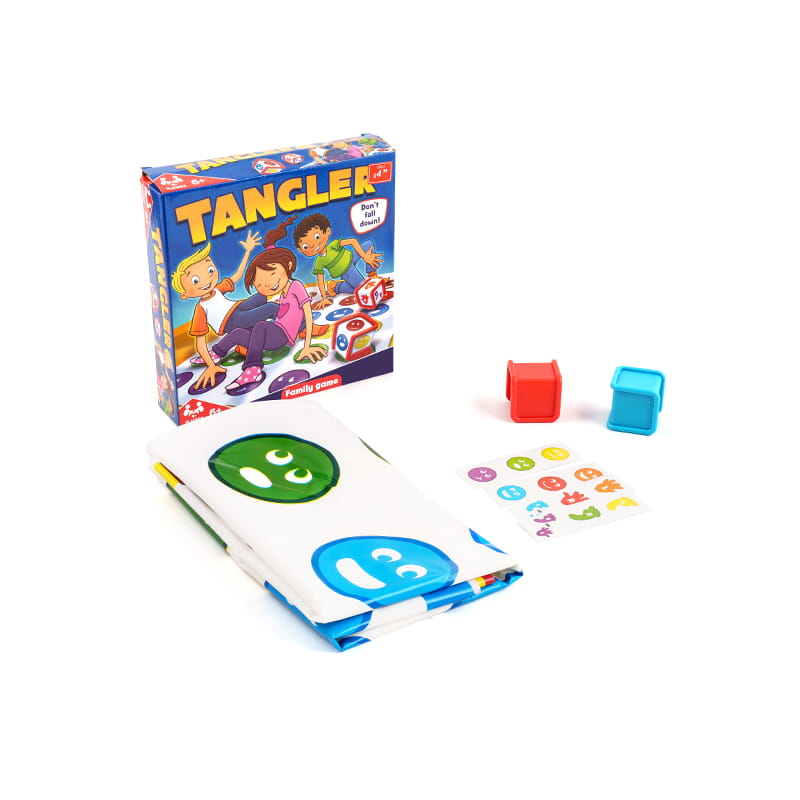
TANGLER is a fun and challenging board game that requires players to use their hands and feet to meet conditions. During the game, players need to mov...
View More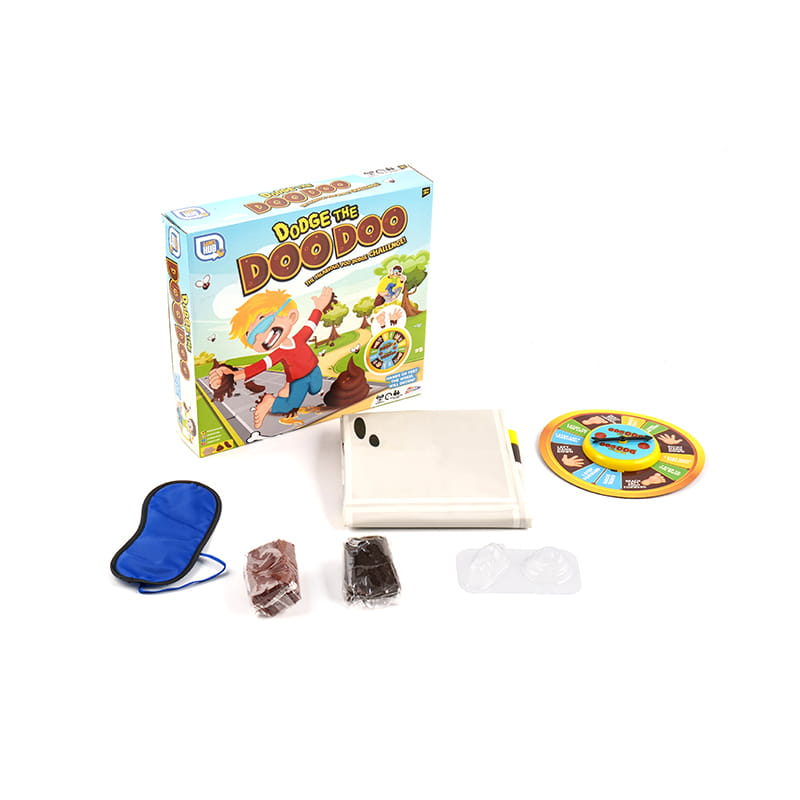
Dodge The Doggy Doo is a fun and challenging game for kids. Children need to put on a blue blindfold and walk blindfolded to complete the tasks on the...
View More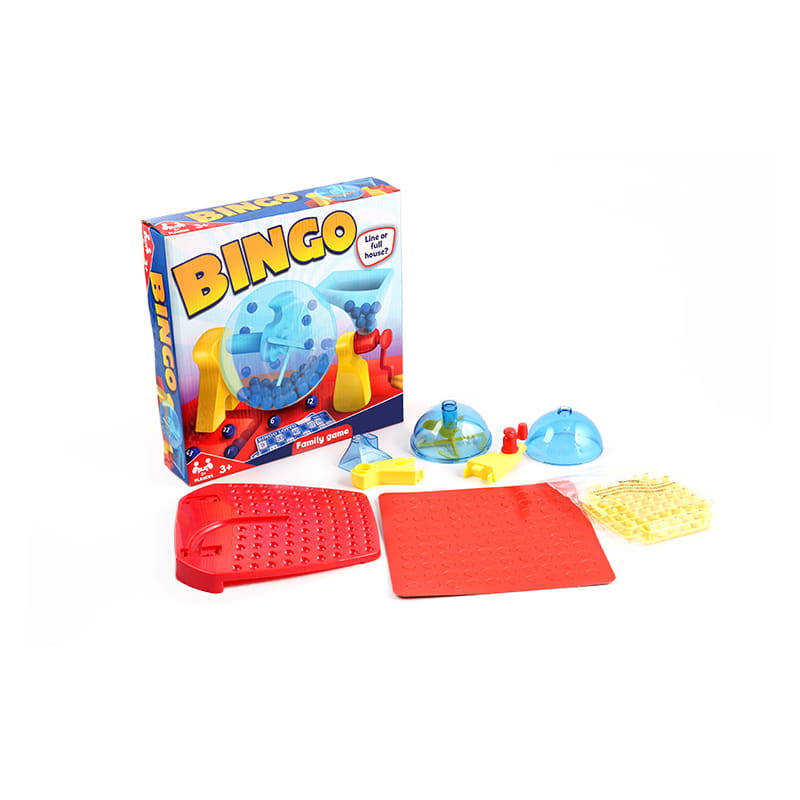
Bingo Game is an entertaining game full of fun and surprises. It contains a beautiful shaker with a sleek design and bright colors that will catch eve...
View More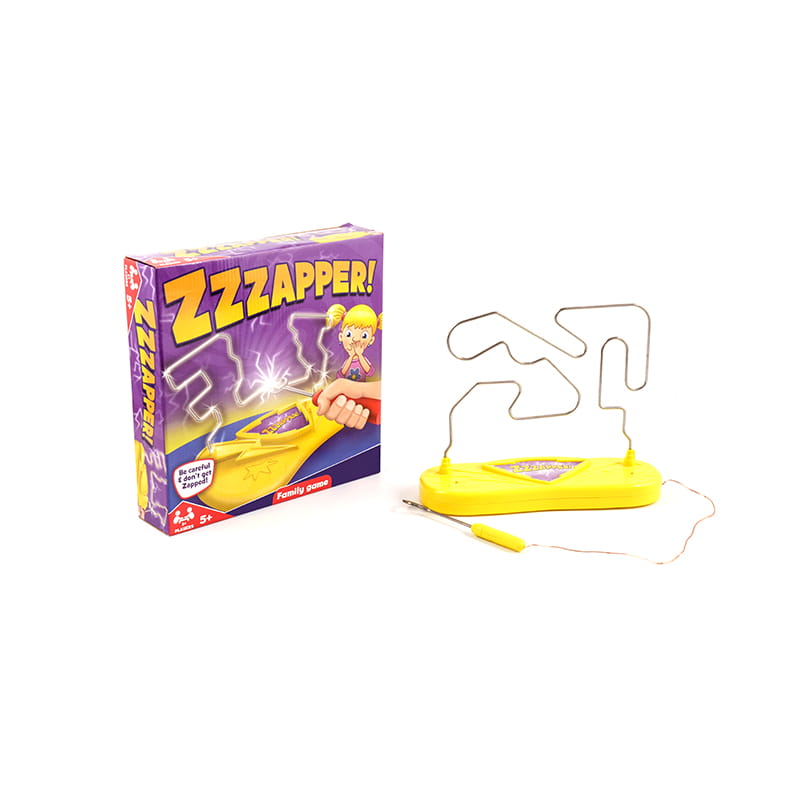
Beware of Electrocution Game is a unique family game designed to test players' concentration and balance. The game consists of a purple game box and a...
View More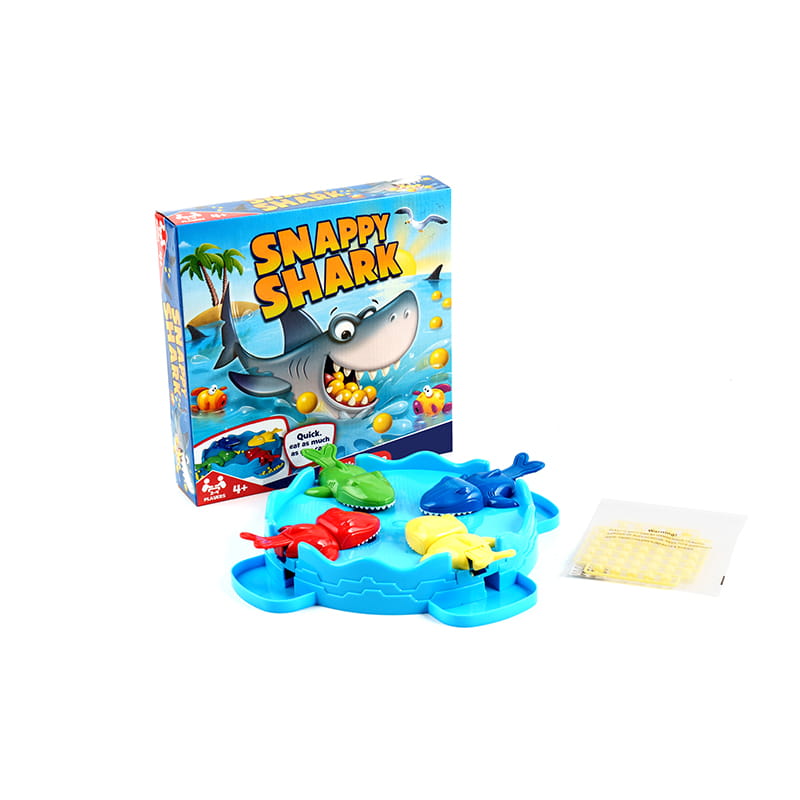
Shark Eat Beads is a four-player interactive game with a “Snappy Shark” theme, where players need to quickly maneuver their sharks to eat as many ...
View More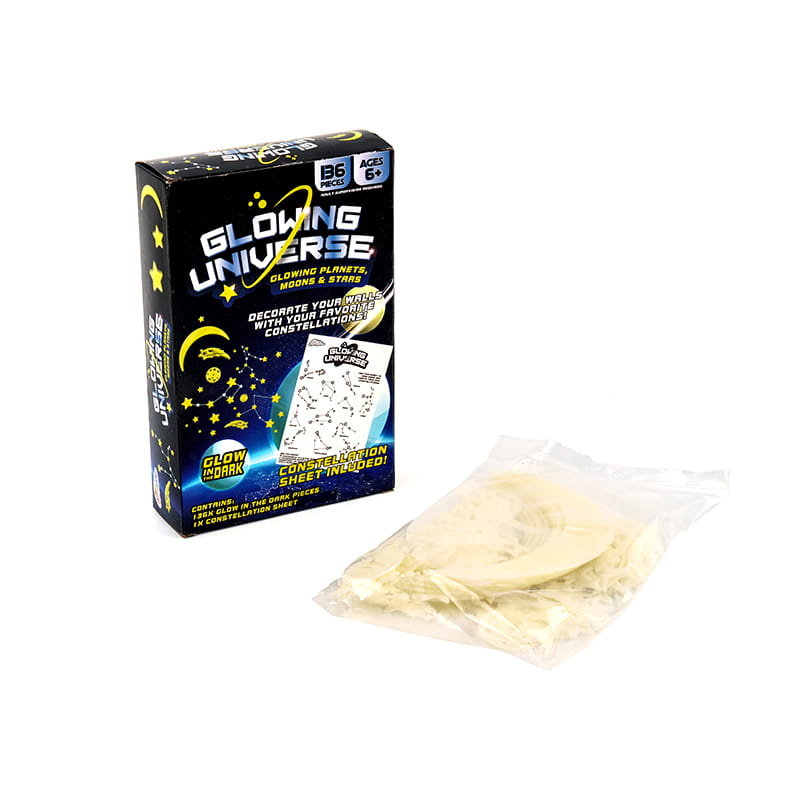
Luminous Starry Night Patch is a creative decoration. It contains a variety of cosmic elements, such as planets and stars, etc. It is made of special ...
View More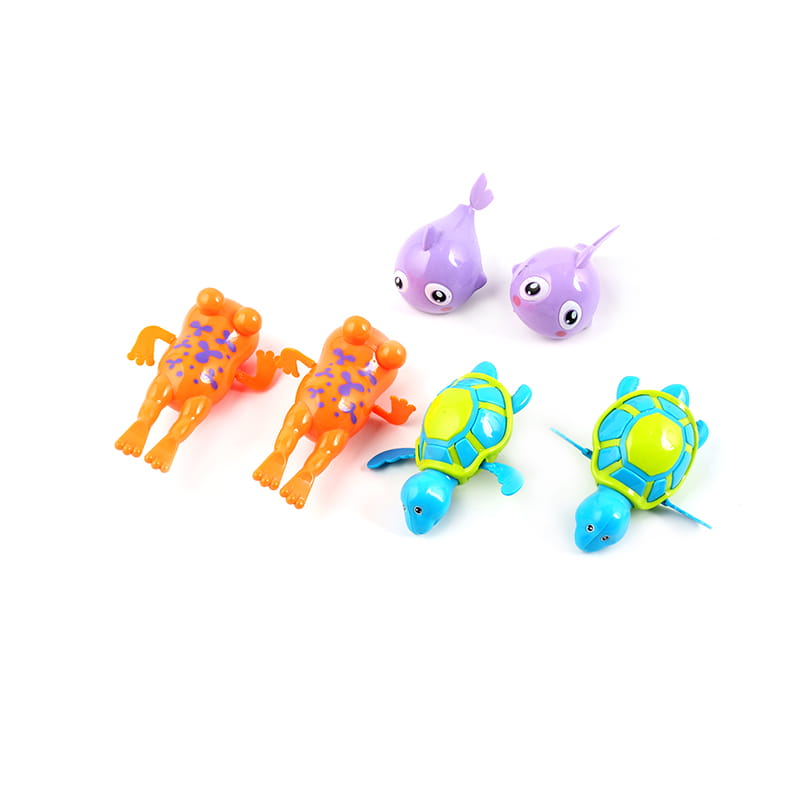
The Uplink Animal Toy is a soothing toy set designed for baby showers. The set contains brightly colored and simply designed plastic toys such as an o...
View More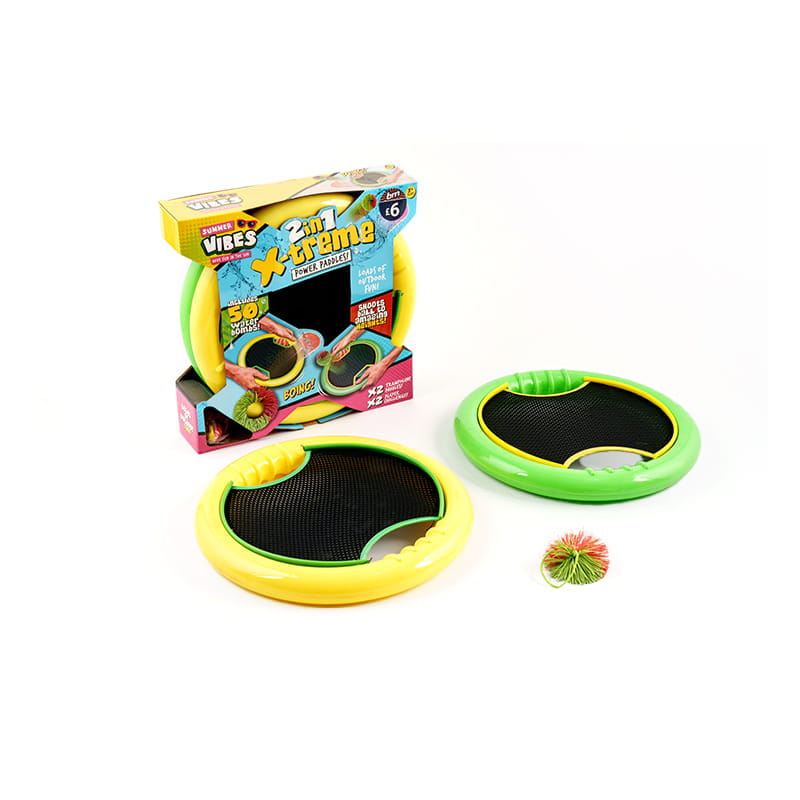
Clap Circle is a fun toy designed for children, containing 2 clappers and 1 colorful ball. This toy can be played alone to work on hand-eye coordinati...
View More
Copyright © Yuyao Leda Crafts Co., Ltd. All Rights
Reserved.

Children's Toys Factory
Children's Toys Manufacturer


