

 English
 English
 中文简体
中文简体- Type:
- Industry News
- Date
- 2026-Aug-18
Industry News
Plastics Toys Guide: Types, Structure, Selection & Care
Content
- 1 What Are Plastics Toys and Why Material Choice Matters
- 2 Common Types of Plastics Toys and Their Characteristics
- 3 Structure and Manufacturing Principle Behind Plastics Toys
- 4 Global Demand Trends for Plastics Toys
- 5 Application Scenarios and Selection Criteria
- 6 Detailed Comparison Across Plastics Toys Categories
- 7 Quality Control Checkpoints Through Production
- 8 Maintenance and Care Guidance for Plastics Toys
- 9 Working With an Experienced Plastic Toys Manufacturer
- 10 Frequently Asked Questions
- 10.1 Q1: What resin types are most commonly used in plastics toys?
- 10.2 Q2: How do I choose between an indoor and outdoor plastics toy line?
- 10.3 Q3: What should I ask a plastic toys manufacturer during supplier qualification?
- 10.4 Q4: How can I extend the lifespan of plastics toys after purchase?
- 10.5 Q5: Does seasonality affect ordering plastics toys from a supplier?
What Are Plastics Toys and Why Material Choice Matters
The direct answer is this: plastics toys are products molded from engineering-grade resins such as PP, ABS, PE, EVA, and TPR, and the specific resin chosen determines durability, flexibility, safety compliance, and cost efficiency for buyers sourcing from a plastic toys manufacturer. For B2B buyers evaluating a plastic toys supplier, the resin family is the single biggest variable affecting product performance, so understanding it before placing an order reduces the risk of quality disputes later.
Plastics toys cover an extremely broad category, ranging from children's hula hoops and DIY building toys to stress relief toys, board games, and outdoor interactive games for summer. Each of these product lines relies on a different combination of resin, wall thickness, and finishing process, which is why working with an experienced plastic toys wholesaler or OEM partner matters more than simply comparing unit specifications on paper.
This article walks through the common types of plastics toys, how they are structurally built, where each type is best applied, how they compare against one another on measurable criteria, how to maintain them over a product lifecycle, and answers to frequently asked sourcing questions. The goal is to give procurement teams, distributors, and retail buyers a practical reference they can use when evaluating a children's plastic toys manufacturer or a custom plastic toys supplier.
Key takeaway: resin selection, wall thickness, and finishing process together determine whether a plastics toy performs reliably across its intended use case.
Common Types of Plastics Toys and Their Characteristics
Buyers sourcing from a plastic toys factory typically encounter several recurring product families. Understanding the characteristics of each helps a distributor match the right category to the right retail channel or age group.
- Children's hula hoops — typically extruded from HDPE tubing, valued for flexibility and impact resistance during active outdoor play.
- Stress relief toys — often injection molded from soft TPR or silicone-blended compounds that allow repeated squeezing without cracking.
- DIY and building toys — usually rigid ABS or PP components designed for precise interlocking tolerances.
- Board games with plastic components — mix of rigid PP game pieces and printed paperboard, requiring color-matched, food-safe-grade plastic.
- Outdoor interactive games for summer — larger-format PE or PVC-free items engineered for UV resistance and water exposure.
| Product Category | Typical Resin | Primary Use Setting |
|---|---|---|
| Hula hoops | HDPE | Outdoor / fitness play |
| Stress relief toys | TPR / silicone blend | Desk / indoor use |
| DIY building toys | ABS / PP | Indoor learning play |
| Board game pieces | PP | Family / tabletop |
| Outdoor summer games | PE | Backyard / poolside |
Matching the resin family to the play environment is the first filter a plastic toys buyer should apply before requesting samples.
Structure and Manufacturing Principle Behind Plastics Toys
Most plastics toys are produced through one of three core processes: injection molding, blow molding, or extrusion. A qualified plastic toys manufacturer selects the process based on the part's wall thickness, hollow versus solid geometry, and required surface finish.
Injection Molding
Injection molding forces molten resin into a steel cavity under pressure, producing rigid, detailed parts such as building blocks, board game pieces, and figurine components. This process supports tight tolerances, which matters for interlocking DIY toys where pieces must connect consistently across thousands of units.
Blow Molding and Extrusion
Hollow, tubular items such as hula hoops rely on extrusion, where resin is continuously pushed through a die to form a consistent tube profile, then cut and joined into a ring. Larger hollow outdoor items sometimes use blow molding, which inflates a heated resin tube inside a mold to create lightweight, impact-resistant shells suitable for summer outdoor games.
Global Demand Trends for Plastics Toys
Before looking at the chart below, it helps to understand the broader context of demand. Outdoor and DIY toy categories have shown steady import demand growth across Europe and North America in recent buying seasons, based on general industry trade reporting. Retailers restocking ahead of summer months tend to concentrate orders for outdoor interactive games and hula hoops between late winter and early spring. Meanwhile stress relief toys maintain relatively stable year-round demand rather than a single seasonal peak. The chart below illustrates a representative distribution of buyer inquiry volume across five plastics toys categories, based on aggregated sourcing platform trend patterns rather than a single proprietary dataset.
This horizontal bar chart shows outdoor summer games and hula hoops leading in relative inquiry volume during peak seasons, which aligns with seasonal restocking cycles among distributors. Stress relief toys and board game pieces show more stable, less seasonal demand, making them useful for balancing production schedules across the year. A plastic toys wholesaler managing multiple SKUs can use this kind of seasonal pattern to plan container consolidation more efficiently. DIY building toys sit in the middle of the distribution, often tied to back-to-school and holiday gifting periods rather than summer weather. Buyers should treat this chart as a directional reference rather than an exact forecast, since regional market conditions vary by country and retail channel. Factories that manufacture across multiple categories, such as a combined children's toys and outdoor games producer, are generally better positioned to smooth out seasonal order fluctuations than single-category suppliers. Recognizing which categories are seasonal versus stable also helps buyers negotiate more realistic lead times with their plastic toys supplier. Overall, the chart reinforces that outdoor and seasonal categories require earlier order placement, while indoor and stable categories offer more scheduling flexibility.
Application Scenarios and Selection Criteria
Selecting the right plastics toys product line depends heavily on the intended retail channel and end-use environment. The following comparison helps buyers narrow choices between indoor-focused and outdoor-focused product lines before requesting samples from a plastic toys manufacturer.
Indoor Product LinesIndoor plastics toys such as DIY building sets, stress relief toys, and board game components generally require finer surface finishing, tighter color consistency, and smaller packaging footprints since retail shelf space is limited in indoor big-box or specialty stores. |
Outdoor Product LinesOutdoor plastics toys such as hula hoops and summer interactive games need UV-stabilized resin additives, thicker wall sections for impact resistance, and packaging suited for seasonal display bins at garden centers or outdoor retail sections. |
Key Selection Checklist
- Confirm the resin grade matches the intended indoor or outdoor use environment.
- Verify wall thickness tolerances against the product's expected handling stress.
- Check color and surface finish consistency across a full production batch, not just a single sample.
- Request UV or weathering test data for any outdoor-rated plastics toys.
- Review packaging design for retail-readiness in the target sales channel.
Detailed Comparison Across Plastics Toys Categories
Before reviewing the radar comparison below, it is worth noting that no single plastics toys category scores highest across every performance dimension. Durability, weather resistance, tooling complexity, and unit weight all trade off differently depending on the resin and manufacturing process used. A hula hoop, for example, is engineered primarily for flexibility and impact resistance rather than fine surface detail. A DIY building toy, by contrast, prioritizes dimensional precision over flexibility. The radar chart below compares four representative categories across four performance dimensions on a relative 1-5 scale to help buyers visualize these trade-offs at a glance.
The radar chart shows that outdoor games and hula hoops score higher on impact resistance, weather resistance, and portability, which reflects their extruded or blow-molded construction and their exposure to sun, moisture, and rough outdoor handling. DIY building toys score higher on dimensional precision, since injection-molded interlocking parts require tight, repeatable tolerances to function correctly across a large set of pieces. Neither category scores highest across all four dimensions, which illustrates that plastics toys performance is inherently trade-off driven rather than universally optimized. Buyers evaluating a custom plastic toys supplier should identify which two or three dimensions matter most for their specific retail application rather than assuming one resin or process is superior overall. For example, a garden and outdoor retailer prioritizing seasonal display items should weight weather resistance and impact resistance heavily. A specialty toy retailer focused on construction sets should weight dimensional precision and consistency instead. This kind of structured comparison also helps buyers ask more targeted technical questions during supplier qualification calls. Overall, the radar comparison supports the broader point that category-specific engineering, not a single universal plastic formulation, drives product performance across the plastics toys category.
Quality Control Checkpoints Through Production
Consistent output from a plastics toys factory depends on checkpoints applied at each stage of production rather than a single final inspection. The line chart below illustrates a representative defect-rate reduction pattern across five sequential quality checkpoints commonly used in injection-molded and extruded toy production, based on general manufacturing quality-control practice rather than a specific factory's proprietary data. Understanding where defects are typically caught helps buyers evaluate whether a supplier's stated QC process is genuinely structured or only nominal. Early-stage checkpoints, such as raw resin inspection, catch a different category of issues than late-stage checkpoints like final packaging inspection. A supplier with checkpoints concentrated only at the end of the line generally carries higher rework risk than one with checkpoints distributed across the process. This pattern is useful context before reviewing the chart itself.
The line chart shows a typical downward trend in cumulative defect rate as products move from raw resin inspection through to final packaging, reflecting the compounding effect of catching issues early rather than only at the end of the line. Raw resin inspection carries the highest relative flagging rate because this is where contamination, moisture content, or off-spec pellets are first identified before they enter the molding process. The molding stage shows a meaningful drop because resin-level issues have already been filtered out, leaving mostly process-related variables like temperature and pressure consistency. Assembly-stage defects typically relate to fit and function between interlocking components, which matters most for DIY building toys and multi-part board game sets. Surface finish inspection catches cosmetic issues such as flash lines, discoloration, or incomplete fills that would affect retail shelf appeal. Packaging inspection shows the lowest defect rate because it represents the final filter before goods are cartoned for export. This declining trend is a reasonable proxy for a genuinely staged quality process, and buyers can ask a plastic toys supplier to walk through similar checkpoint data during factory audits. A supplier unable to describe checkpoint-specific defect patterns may be relying on a less structured inspection process. Distributors sourcing plastics toys for regulated retail markets should specifically ask how each checkpoint above maps to their internal quality documentation. Overall, staged inspection reduces the likelihood of a large batch-wide defect reaching the export stage.
Maintenance and Care Guidance for Plastics Toys
Proper maintenance extends the usable life of plastics toys and reduces return rates for distributors managing after-sales support. Guidance differs somewhat by category, but several practices apply broadly across the plastics toys product range.
- Clean plastics toys with mild soap and water rather than harsh solvents, which can degrade surface finish over time.
- Store outdoor items such as hula hoops and summer games out of prolonged direct sunlight when not in use to slow UV-related surface fading.
- Inspect interlocking DIY toy components periodically for wear at connection points, particularly in high-frequency play settings.
- Avoid extreme temperature storage for TPR-based stress relief toys, since very low temperatures can temporarily stiffen soft compounds.
- Keep board game plastic pieces in their original packaging or storage trays to prevent loss and reduce surface scratching.
Routine, low-effort maintenance meaningfully extends the functional lifespan of most plastics toys categories.
Working With an Experienced Plastic Toys Manufacturer
Sourcing decisions ultimately come down to trust in a supplier's production consistency and responsiveness. Yuyao Leda Craft Co., Ltd. was established in 2011 and is located by the beautiful and fertile Hangzhou Bay, adjacent to the Hushu Ningbo Cross-Sea Bridge, giving it convenient transportation, developed logistics, and a complete industrial supply chain as an integrated manufacturing and trading enterprise combining design, research and development, production, and sales. The company is dedicated to developing products such as children's hula hoops, stress relief toys, DIY toys, board games, and outdoor interactive games for summer, which aligns closely with the product categories discussed throughout this article.
The company adheres to a business philosophy centered on customer service and continuous improvement, and since its establishment its products have been exported to international markets including Europe and the United States. For buyers evaluating a plastic toys wholesaler or OEM partner, working with a manufacturer that maintains an integrated design-to-production supply chain can simplify communication and reduce the number of intermediaries involved in custom plastic toys development.
Frequently Asked Questions
Q1: What resin types are most commonly used in plastics toys?HDPE, ABS, PP, and TPR are the most common resin families, each selected based on whether the toy needs flexibility, rigidity, softness, or impact resistance. |
Q2: How do I choose between an indoor and outdoor plastics toy line?Match the resin and finishing process to the environment: indoor lines prioritize surface finish and precision, while outdoor lines prioritize UV stability and impact resistance. |
Q3: What should I ask a plastic toys manufacturer during supplier qualification?Ask about staged quality checkpoints across resin inspection, molding, assembly, finishing, and packaging, since this reflects how structured their internal QC process actually is. |
Q4: How can I extend the lifespan of plastics toys after purchase?Clean with mild soap, store outdoor items out of prolonged direct sunlight, and periodically inspect interlocking or high-use components for wear. |
Q5: Does seasonality affect ordering plastics toys from a supplier?Yes, outdoor categories such as hula hoops and summer games see higher seasonal inquiry volume, so earlier order placement ahead of peak season is generally advisable. |
Related Products
-
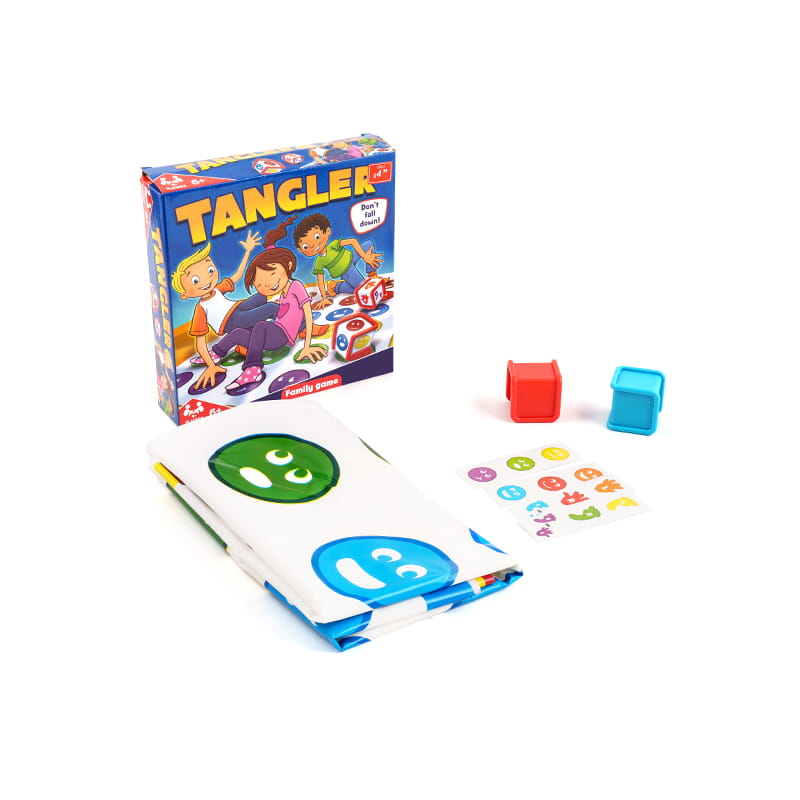
Plastic Tangler Game Set
TANGLER is a fun and challenging board game that requires players to use their hands and feet to meet conditions. During the game, players need to mov...
View More -
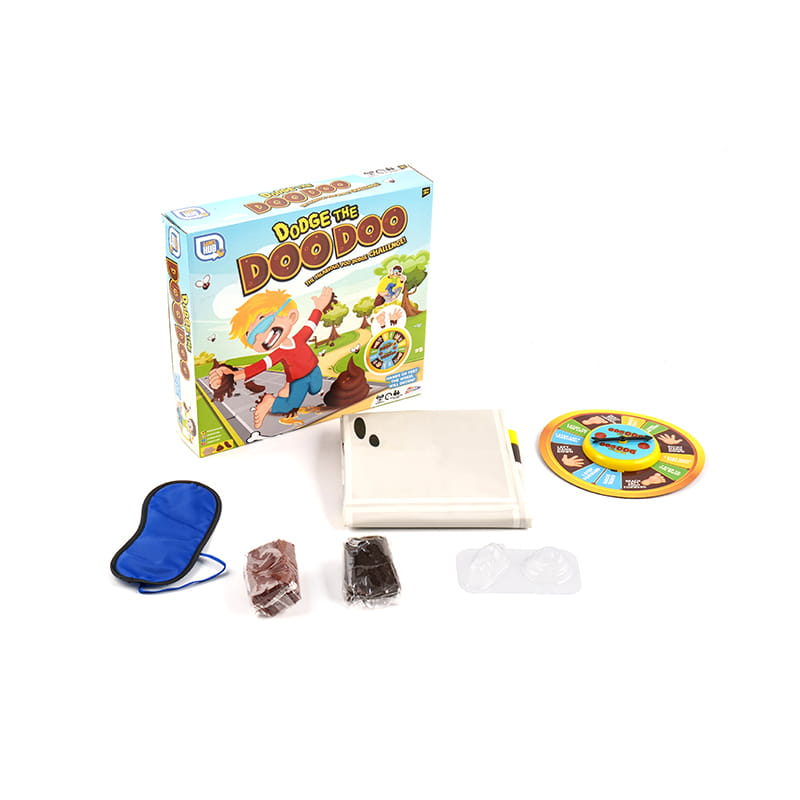
Dodge The Doggy Doo Game Set
Dodge The Doggy Doo is a fun and challenging game for kids. Children need to put on a blue blindfold and walk blindfolded to complete the tasks on the...
View More -
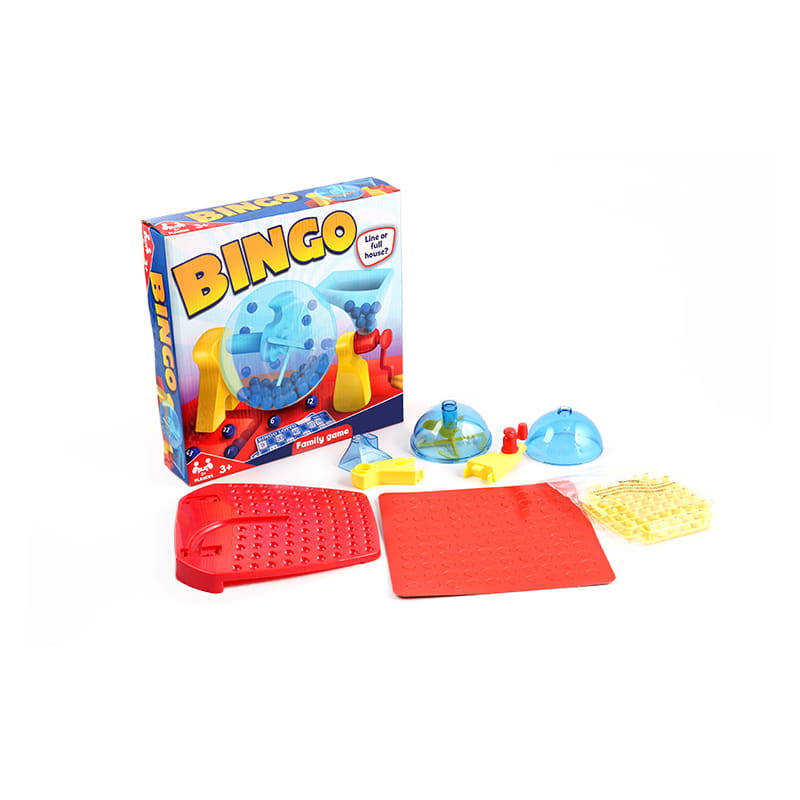
Plastic Bingo Game Set
Bingo Game is an entertaining game full of fun and surprises. It contains a beautiful shaker with a sleek design and bright colors that will catch eve...
View More -
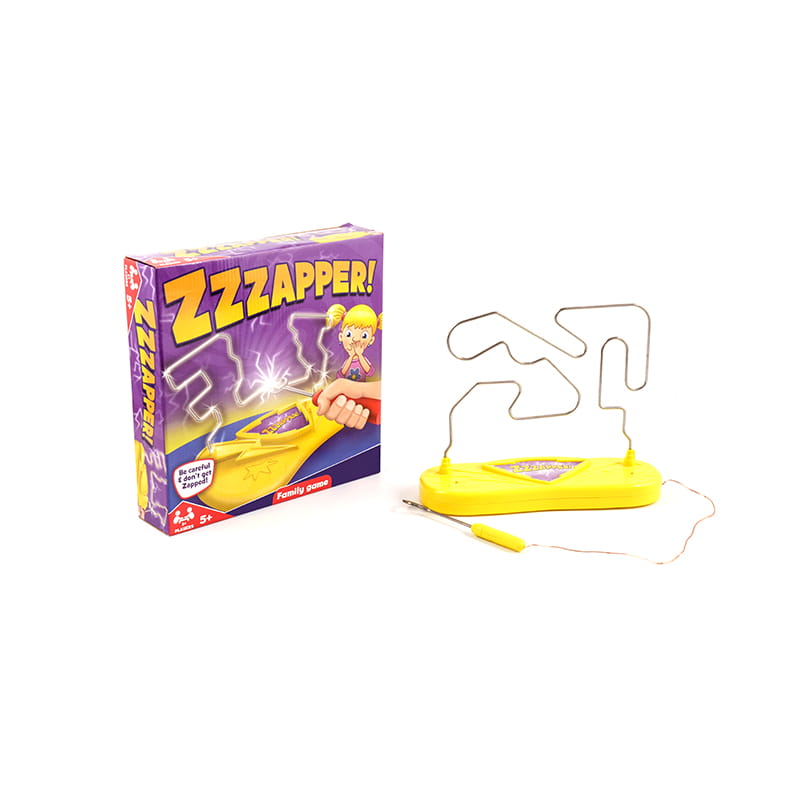
Plastic Beware Of Electrocution Game Toy
Beware of Electrocution Game is a unique family game designed to test players' concentration and balance. The game consists of a purple game box and a...
View More -
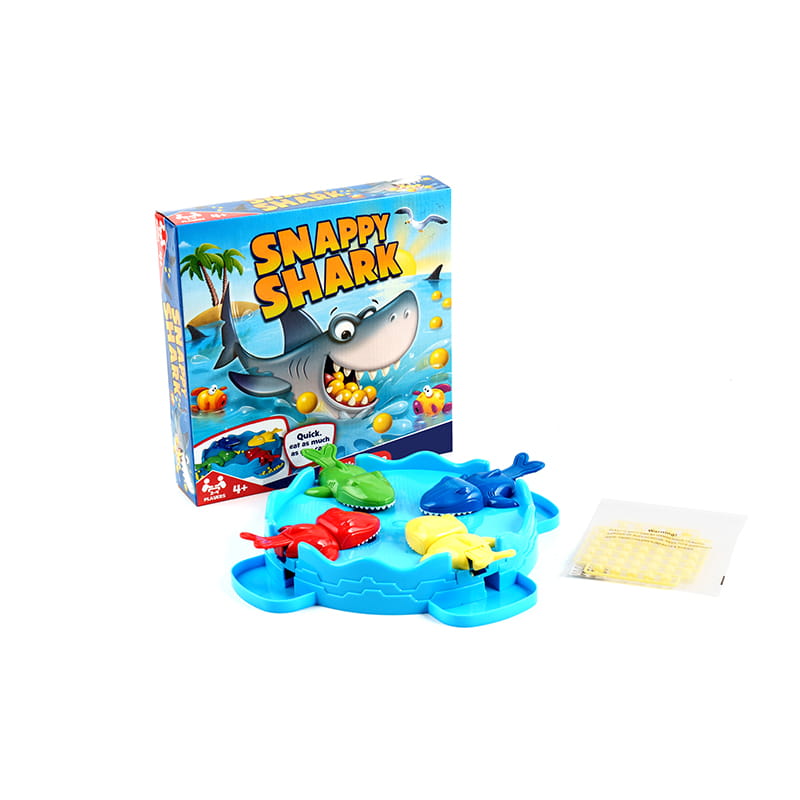
Plastic Shark Eat Beads Game Toy
Shark Eat Beads is a four-player interactive game with a “Snappy Shark” theme, where players need to quickly maneuver their sharks to eat as many ...
View More -
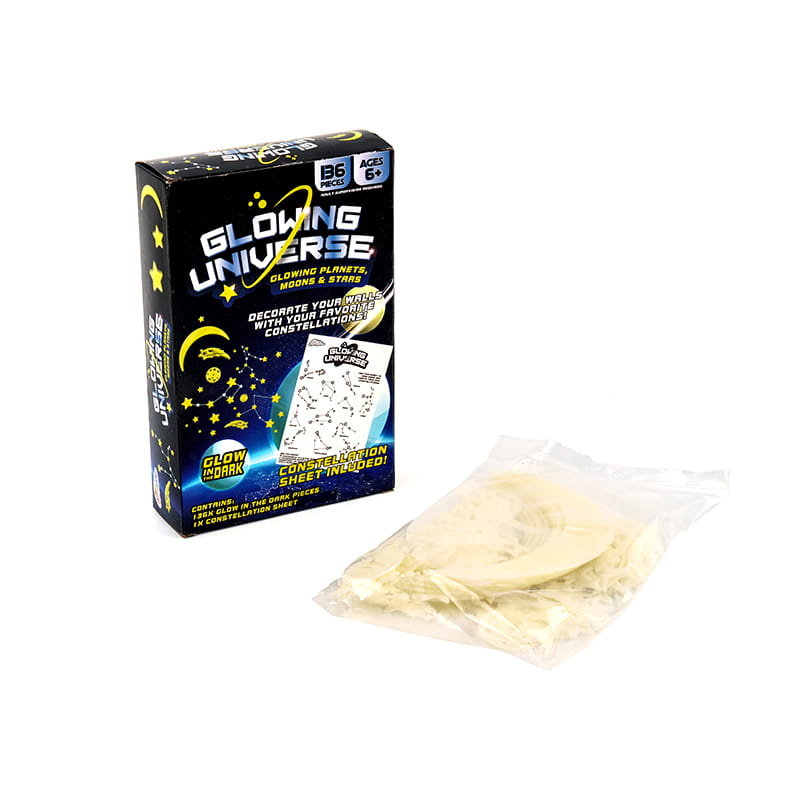
Luminous Star Patch
Luminous Starry Night Patch is a creative decoration. It contains a variety of cosmic elements, such as planets and stars, etc. It is made of special ...
View More -
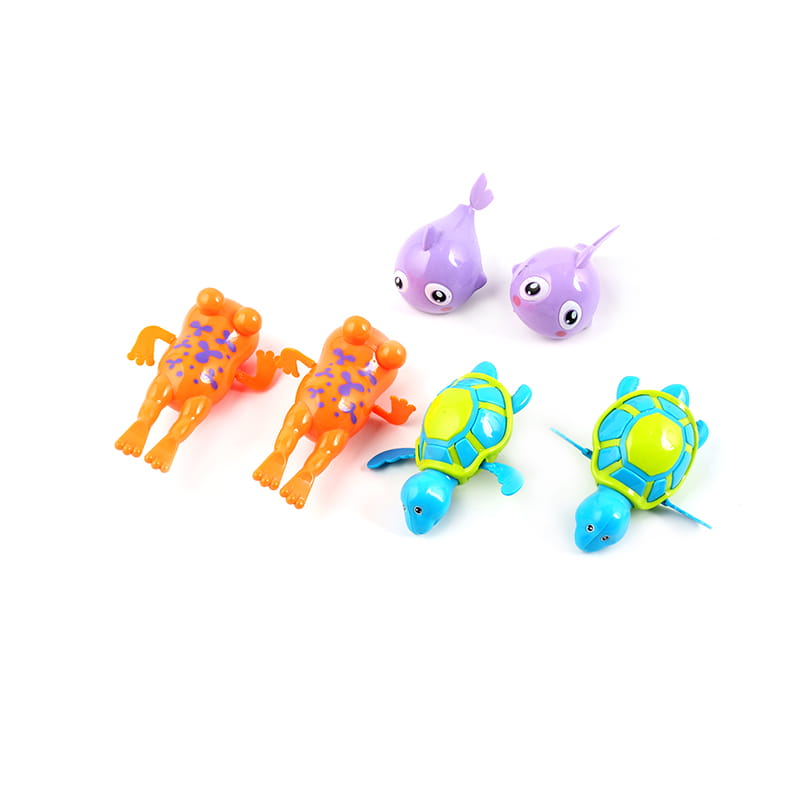
Plastic Uplink Animal Toy
The Uplink Animal Toy is a soothing toy set designed for baby showers. The set contains brightly colored and simply designed plastic toys such as an o...
View More -
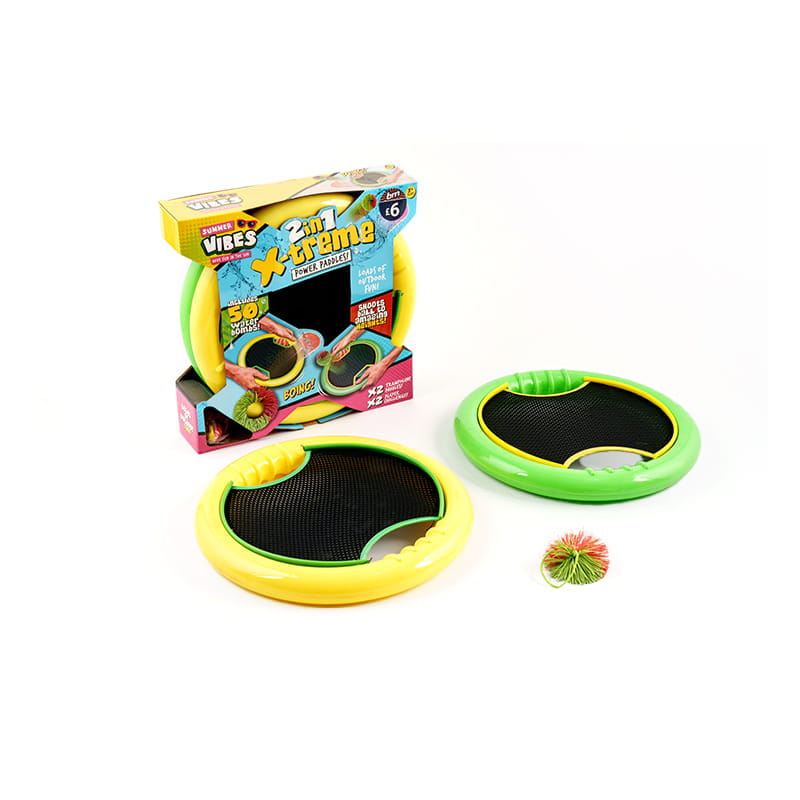
Beat About The Bush Toy Set
Clap Circle is a fun toy designed for children, containing 2 clappers and 1 colorful ball. This toy can be played alone to work on hand-eye coordinati...
View More

Copyright © Yuyao Leda Crafts Co., Ltd. All Rights
Reserved.

Children's Toys Factory
Children's Toys Manufacturer
Information
-
 Phone: +86-13056880051
 -
 fax: +86-574-62750718
 -
 E-mail:[email protected]
 -
 Add:Zhushan Village, Lizhou Street, Yuyao City, Ningbo, Zhejiang Province, China
Toys
Links
Contact Us