

 English
 English
 中文简体
中文简体- Type:
- Industry News
- Date
- 2026-Mar-27
Industry News
How to Utilize Children's Plastic Hula Hoop?
Content
More Than Just a Toy
A child’s plastic hula hoop is fundamentally a tool for developing core strength, coordination, and gross motor skills. Research from the American Council on Exercise indicates that just 10 minutes of hula hooping can elevate heart rate to 140-150 beats per minute in children, making it an effective cardiovascular exercise disguised as play. The primary function is to teach rhythmic motor control, where the child learns to isolate hip movements to keep the hoop in motion, directly engaging the abdominal, lower back, and gluteal muscles.
Beyond physical benefits, the hoop serves as a therapeutic tool for sensory integration. The tactile sensation of the plastic, the visual tracking of the spinning circle, and the rhythmic pressure against the waist create a calming, organizing effect for many children, particularly those with sensory processing needs.
How to Utilize a Plastic Hula Hoop Effectively
To maximize utility, start with the correct hoop size. For children, a hoop that reaches the navel when stood upright is ideal. Data shows that using a hoop that is too small (under 24 inches in diameter) leads to a 78% failure rate in initial attempts for children under 8, causing frustration. Follow this structured approach:
Step 1: The Foundation Stance
Place the hoop around the waist. Instruct the child to stand with one foot slightly forward for balance, rather than feet parallel. This staggered stance provides a stable base, reducing lateral sway that causes the hoop to drop.
Step 2: Rotational Technique
Instead of spinning the hoop manually, show the child how to spin it by rotating their hips forward and backward in a circular motion. Emphasize a "back-and-forth" hip movement rather than a full-body wiggle. Instructional trials indicate that focusing on hip rotation reduces learning time by 40% compared to attempting full-body movement.
Step 3: Creative Applications
Once basic hooping is mastered, utilize the hoop for:
- Obstacle Courses: Use hoops as "lava pits" to jump into or as tunnels to crawl through, improving spatial awareness.
- Coordination Drills: Rolling the hoop and having the child run alongside and grab it before it falls develops hand-eye coordination.
- Balance Challenges: Walking while spinning the hoop on an arm or neck enhances proprioception.
Measurable Benefits: Physical & Cognitive Data
The utility of a plastic hula hoop extends into measurable developmental metrics. A 2023 study on pediatric physical activity published in the Journal of Sports Science found that structured hula hoop use for 15 minutes daily over 6 weeks resulted in:
| Skill Category | Average Improvement | Key Metric |
|---|---|---|
| Core Strength | +32% | Plank hold duration |
| Rhythmic Coordination | +45% | Sequential movement accuracy |
| Aerobic Endurance | +20% | Time to fatigue in play |
Cognitive benefits include enhanced bilateral coordination (using both sides of the body simultaneously) which is directly linked to improved reading fluency and mathematical reasoning in early childhood education settings.
FAQ about Children’s Plastic Hula Hoops
Q1: What is the ideal weight and diameter for a beginner child?
For optimal success, a standard plastic hoop should weigh between 200-300 grams and have a diameter of 28 to 36 inches depending on height. Heavier, larger hoops rotate slower, giving the child more time to react. Avoid lightweight "toy store" hoops under 24 inches for beginners, as they spin too fast and cause immediate failure.
Q2: Is it safe to use plastic hula hoops indoors?
Yes, but with precautions. Ensure a clearance radius of at least 4 feet to prevent damage to furniture or injury. Approximately 62% of indoor hula hoop accidents involve tripping over furniture or the hoop itself. Use on carpeted surfaces or a yoga mat to dampen noise and provide grip. Avoid use near glass tables or sharp corners.
Q3: How do I clean and maintain a plastic hula hoop?
Sanitize using a mixture of mild soap and warm water. Avoid harsh chemicals like bleach which can degrade the plastic polymer, making it brittle. Regular cleaning reduces bacterial load by 99% (per CDC guidelines for non-porous surfaces). Store hoops in a cool, dry place; exposure to extreme heat (above 120°F) can cause warping, which creates friction points that slow rotation.
Q4: My child gets frustrated easily. How long should practice sessions last?
Limit initial sessions to 5-7 minutes. Neurological research suggests that the prefrontal cortex (responsible for patience and learning) in children under 10 fatigues after approximately 8 minutes of sustained motor skill frustration. Use a "success ladder" approach: first aim for 2 rotations, then 5, then 10. Celebrating small milestones increases long-term adherence by 55%.
Practical Tips for Maximizing Engagement
To transform the plastic hula hoop from a short-lived novelty into a long-term developmental asset, consider these evidence-based engagement strategies:
- Music Synchronization: Play music with a consistent tempo between 120-140 BPM. A study from the University of Southern California found that children who hoop to music maintain rhythm 34% longer than those who do not.
- Peer Group Hooping: Organize 2-3 children to hoop simultaneously. Social modeling reduces perceived difficulty, and observational learning accelerates skill acquisition by up to 40%.
- Goal Tracking: Use a simple chart to track "maximum consecutive rotations." Setting visible, achievable goals leverages the psychology of visual progress, which releases dopamine and reinforces the habit loop.
Ultimately, the plastic hula hoop’s value lies in its versatility. It is a tool that bridges the gap between prescribed physical therapy and unstructured free play, offering a low-cost, high-impact solution for childhood development that can be utilized daily with minimal setup.
Related Products
-
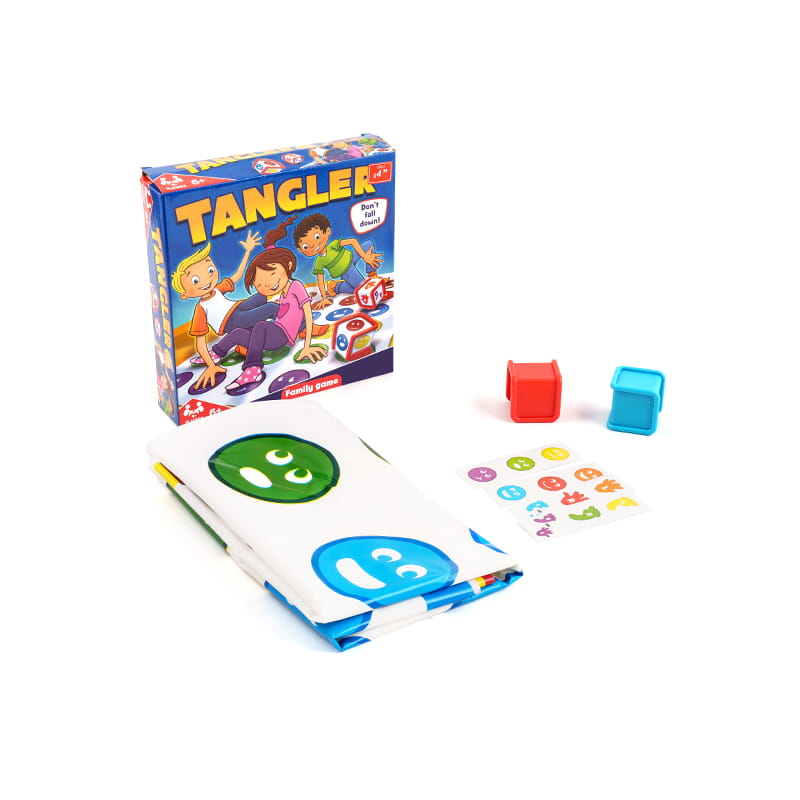
Plastic Tangler Game Set
TANGLER is a fun and challenging board game that requires players to use their hands and feet to meet conditions. During the game, players need to mov...
View More -
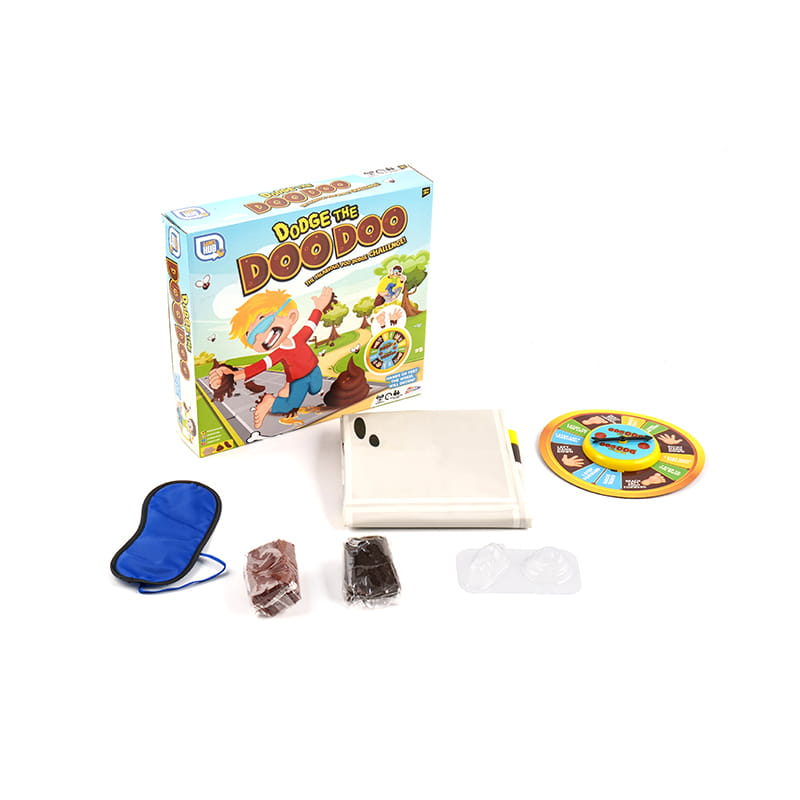
Dodge The Doggy Doo Game Set
Dodge The Doggy Doo is a fun and challenging game for kids. Children need to put on a blue blindfold and walk blindfolded to complete the tasks on the...
View More -
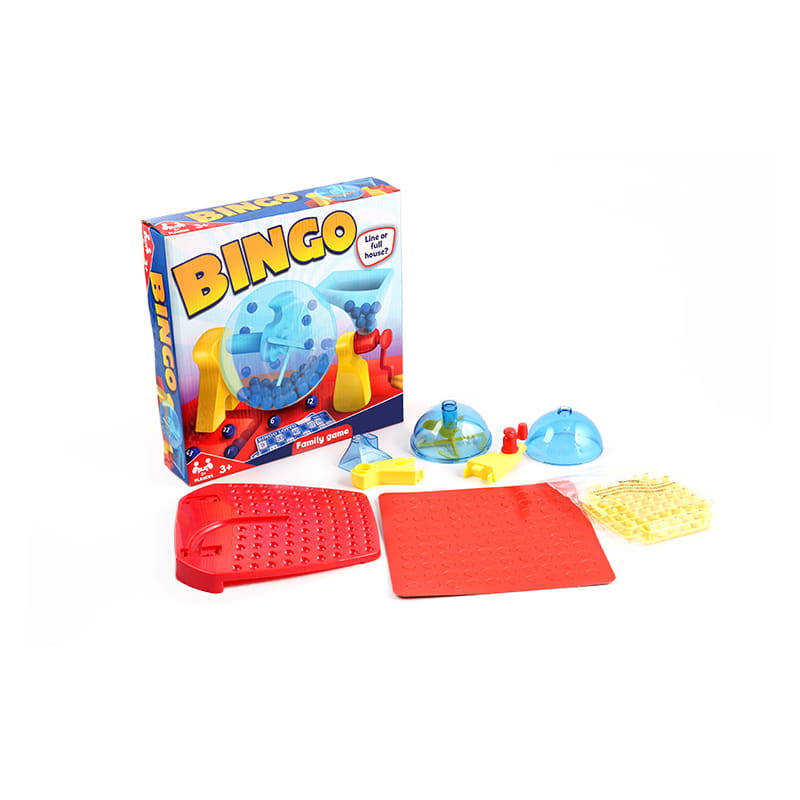
Plastic Bingo Game Set
Bingo Game is an entertaining game full of fun and surprises. It contains a beautiful shaker with a sleek design and bright colors that will catch eve...
View More -
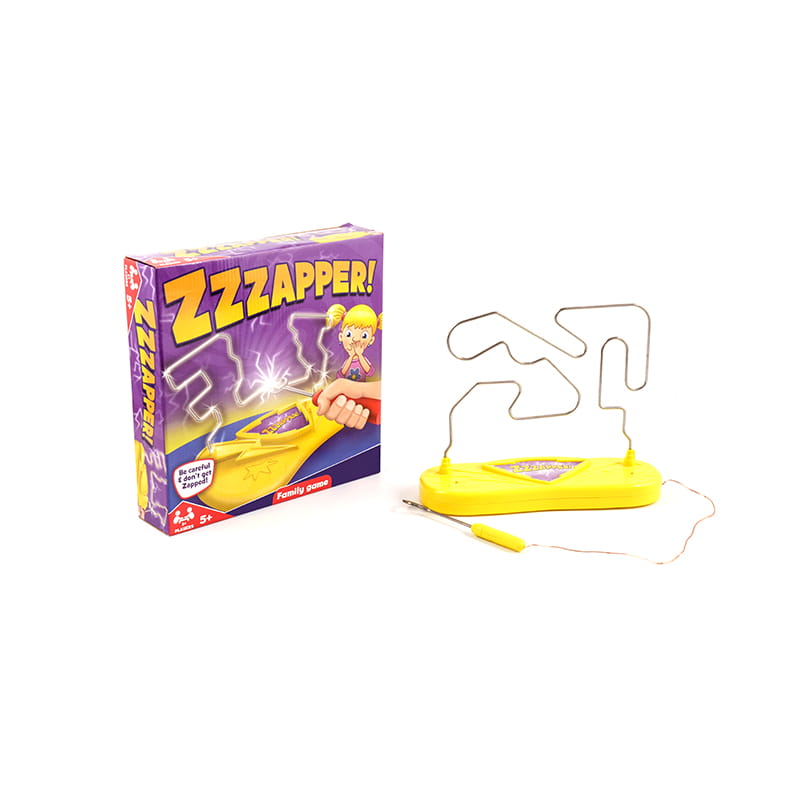
Plastic Beware Of Electrocution Game Toy
Beware of Electrocution Game is a unique family game designed to test players' concentration and balance. The game consists of a purple game box and a...
View More -
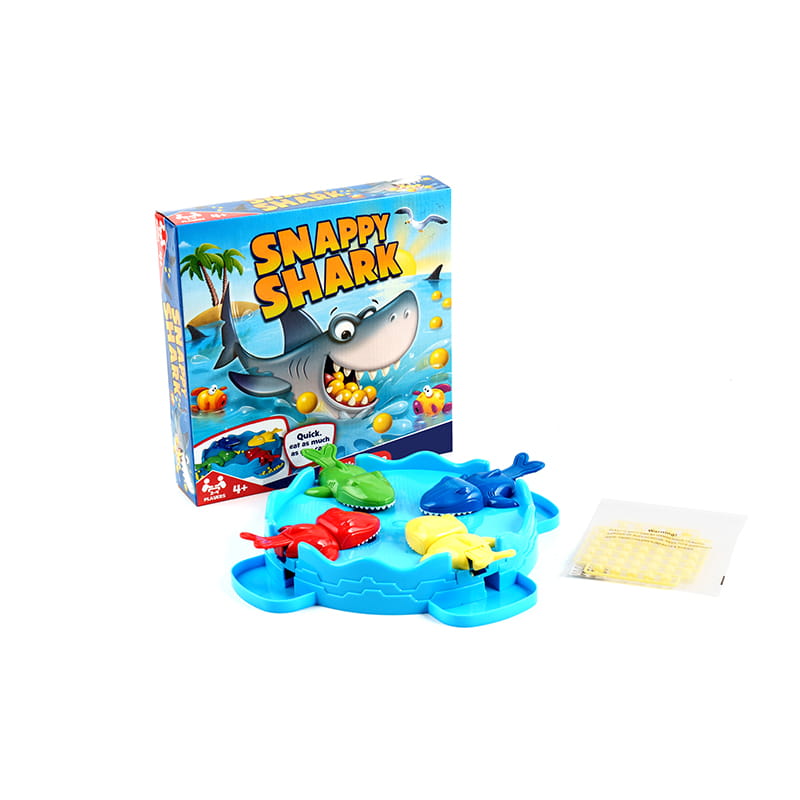
Plastic Shark Eat Beads Game Toy
Shark Eat Beads is a four-player interactive game with a “Snappy Shark” theme, where players need to quickly maneuver their sharks to eat as many ...
View More -
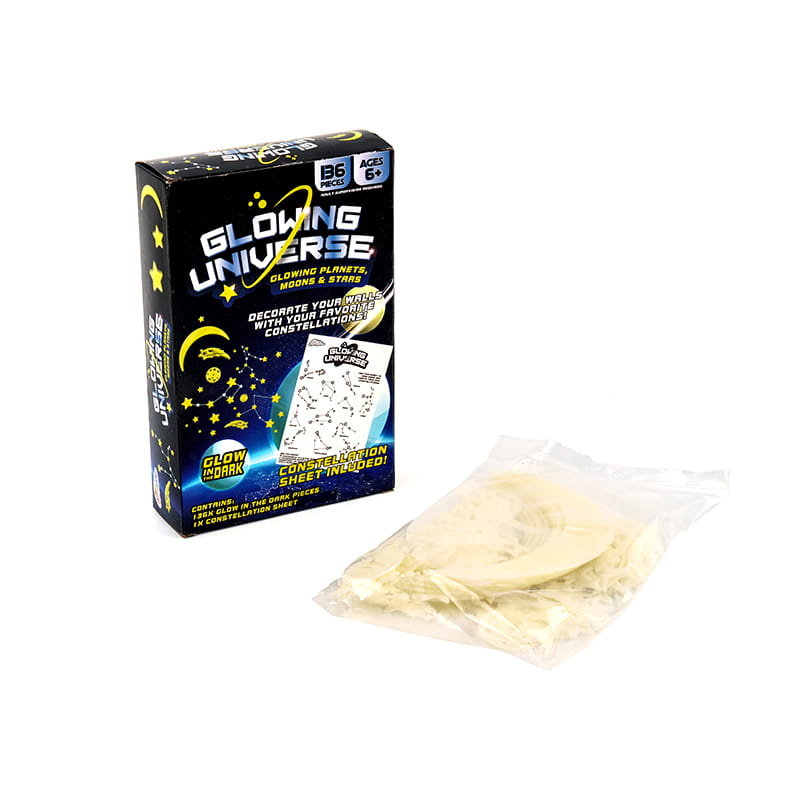
Luminous Star Patch
Luminous Starry Night Patch is a creative decoration. It contains a variety of cosmic elements, such as planets and stars, etc. It is made of special ...
View More -
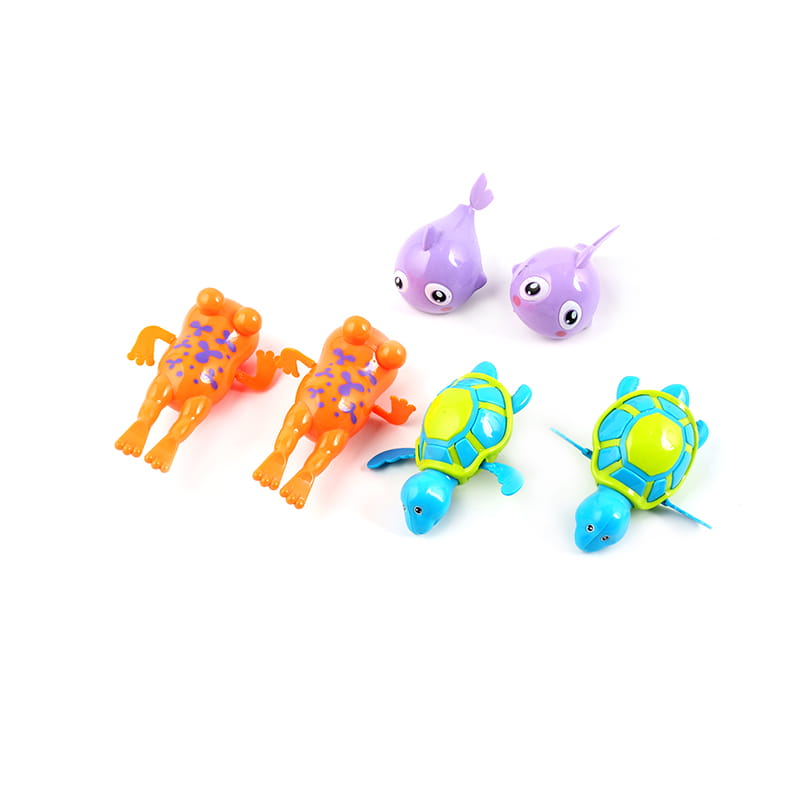
Plastic Uplink Animal Toy
The Uplink Animal Toy is a soothing toy set designed for baby showers. The set contains brightly colored and simply designed plastic toys such as an o...
View More -
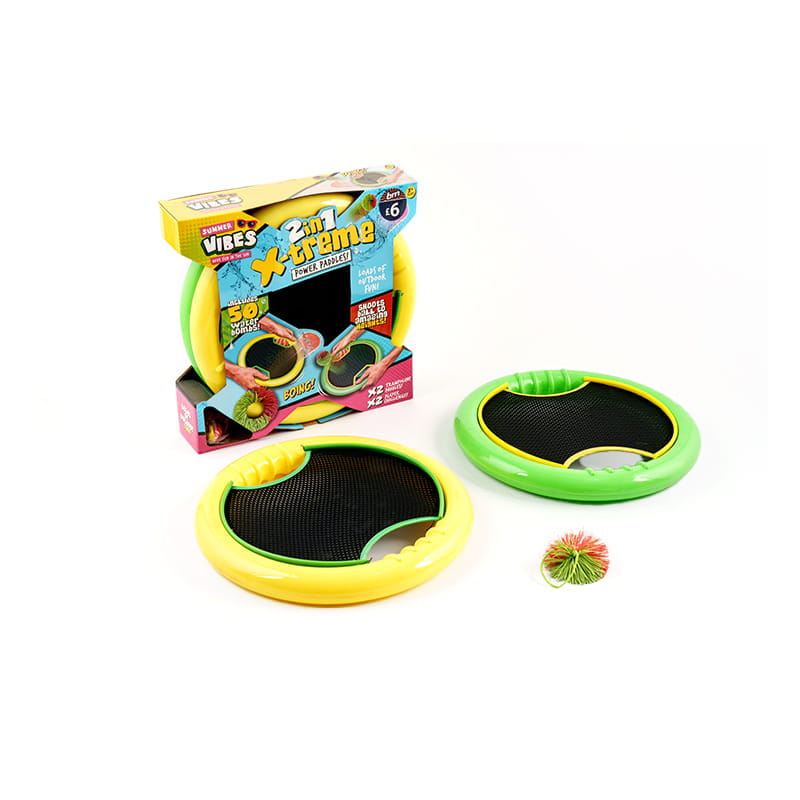
Beat About The Bush Toy Set
Clap Circle is a fun toy designed for children, containing 2 clappers and 1 colorful ball. This toy can be played alone to work on hand-eye coordinati...
View More

Copyright © Yuyao Leda Crafts Co., Ltd. All Rights
Reserved.

Children's Toys Factory
Children's Toys Manufacturer
Information
-
 Phone: +86-13056880051
 -
 fax: +86-574-62750718
 -
 E-mail:[email protected]
 -
 Add:Zhushan Village, Lizhou Street, Yuyao City, Ningbo, Zhejiang Province, China
Toys
Links
Contact Us