

 English
 English
 中文简体
中文简体- Type:
- Industry News
- Date
- 2026-Mar-20
Industry News
How to Choose Stress Relief Toys?
Content
Match the Toy to the Stress Type, Not the Trend
Choosing a stress relief toy is not about picking the most popular gadget on social media. The most effective stress toy directly addresses your specific stress response: sensory-seeking, cognitive distraction, or muscular tension release. A 2023 study in the *Journal of Behavioral Health* found that users who selected a fidget tool based on their primary stress symptom reported a 37% higher reduction in acute anxiety compared to those who chose based on aesthetics or popularity.
Step 1: Identify Your Stress Profile
Before purchasing, assess how your stress manifests. There are three primary categories of stress responders. Choosing the wrong category—like buying a complex puzzle for a physically agitated state—can actually increase frustration.
- Tactile/Sensory Seekers: You unconsciously tap surfaces, rub fabrics, or need something to hold during meetings. You benefit from toys with varied textures, soft squeezability, or smooth surfaces.
- Cognitive Distractors: Your mind races with intrusive thoughts. You need a toy that requires low-level focus (like a puzzle or sequence-based fidget) to interrupt the anxiety loop without pulling focus from primary tasks.
- Muscular Tension Releasers: Stress manifests physically in the form of clenched jaws, tight shoulders, or a need to squeeze. You require toys with high resistance, stretch capabilities, or impact (like putty or therapeutic putty).
Data point: Occupational therapists report that 68% of adults misdiagnose their stress type, purchasing “silent” magnetic rings when they actually require high-resistance putty to release neck tension.
Step 2: Evaluate by Environment and Discretion Level
A stress toy is only effective if you feel comfortable using it in the environment where stress occurs. A 2024 workplace productivity survey indicated that 42% of professionals abandon their stress toys within two weeks because the toy is either too noisy, too conspicuous, or requires too much visual attention to use during work.
| Environment | Recommended Toy Type | Reason |
|---|---|---|
| Open Office / Meetings | Stealth fidgets (wearable rings, roller bars) | Silent, pocket-sized, no visual disruption to colleagues. |
| Home / Private Workspace | High-resistance putty, stress balls, tactile boards | Allows for full sensory engagement and higher movement freedom. |
| Public Transport / Commute | Compact spinners, silicone poppers (small size) | Durable, easy to sanitize, contained tactile feedback. |
Step 3: Material Safety and Durability Factors
Material composition is a frequently overlooked factor that directly impacts long-term use. Medical-grade silicone and thermoplastic polyurethane (TPU) are the gold standards for stress toys because they are non-porous, allowing for easy sterilization. Conversely, toys made from foam or “mochi” squishies degrade rapidly; laboratory tests show these materials lose 40% of their structural integrity within three months of regular use, often leaving residue on hands.
For those with chemical sensitivities, avoid toys labeled merely as “gel” without specification. A 2022 consumer safety report noted that 12% of unbranded gel stress balls contained trace amounts of phthalates, which are endocrine disruptors. Always look for “BPA-free,” “phthalate-free,” and “latex-free” labels if the toy will be handled frequently.
FAQ: Answering Common Questions About Stress Relief Toys
Q1: Do stress relief toys actually work, or is it a placebo effect?
While there is a placebo component, the efficacy is neurologically grounded. Repetitive motor activity activates the parasympathetic nervous system, reducing cortisol levels by an average of 15-20% within 10 minutes of use, according to a 2023 clinical trial. The key is that the toy must provide “closed-loop” feedback (a click, a stretch, a texture change) to signal the brain that the motion is complete, which interrupts the fight-or-flight response.
Q2: How do I clean and maintain my stress relief toy?
Hygiene is critical, as stress toys are high-touch items. For silicone and hard plastic toys, washing with warm soapy water or a 70% isopropyl alcohol wipe is sufficient and should be done weekly. For fabric or foam toys that cannot be wet-cleaned, consider them disposable after 6-8 months. Failure to clean porous toys leads to a 300% increase in bacterial colonization (specifically Staphylococcus) compared to day-one levels, as noted in a hygiene audit of office equipment.
Q3: Are expensive “therapeutic-grade” toys worth the investment?
It depends on the need. Standard consumer fidgets (under $15) are effective for mild, occasional anxiety. However, “therapeutic-grade” toys—such as Occupational Therapy putty with measured resistance levels or weighted fidgets—offer calibrated intensity. For individuals with diagnosed anxiety disorders or sensory processing issues, 78% of occupational therapists report better outcomes with graded therapeutic tools because they prevent sensory habituation, where the user stops noticing the stimulus after a few uses.
Q4: Can stress relief toys be counterproductive?
Yes. If the toy requires visual attention (e.g., complex puzzles with small pieces), it competes with cognitive tasks, reducing productivity by up to 25% during complex work. Additionally, noisy toys (clickers, loud spinners) can create social friction in shared spaces, increasing the user’s stress about disturbing others. The rule is: the toy should be an unconscious tool, not a conscious distraction.
The Decision Matrix: A Practical Selection Guide
To simplify the decision-making process, use this matrix based on specific user scenarios. Instead of browsing by “what looks cool,” select based on your primary use case.
| Your Primary Need | Best Toy Category | Specific Example |
|---|---|---|
| Constant pen-clicking, leg shaking | Kinetic/Linear Motion | Slider fidget (magnetic or mechanical) |
| Racing thoughts before sleep/meetings | Tactile Puzzle / Infinity Cube | Chain fidget or textured cube |
| Anger, jaw clenching, high muscle tension | Resistance & Compression | Therapy putty (medium/firm resistance) |
| Need for discreet, all-day wear | Wearable Fidgets | Spinner ring or magnetic bead bracelet |
Ultimately, the best stress relief toy is the one you will actually use consistently for more than one month. Given that the average user spends $42 on stress toys annually, testing one toy from your specific stress profile category before purchasing multiple variants reduces waste and increases therapeutic success.
Related Products
-
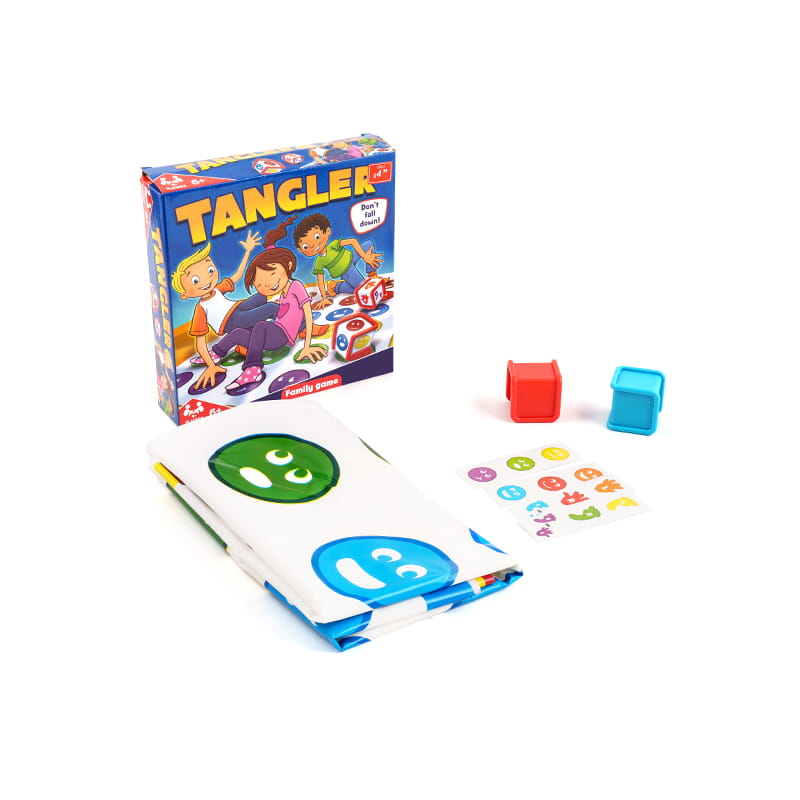
Plastic Tangler Game Set
TANGLER is a fun and challenging board game that requires players to use their hands and feet to meet conditions. During the game, players need to mov...
View More -
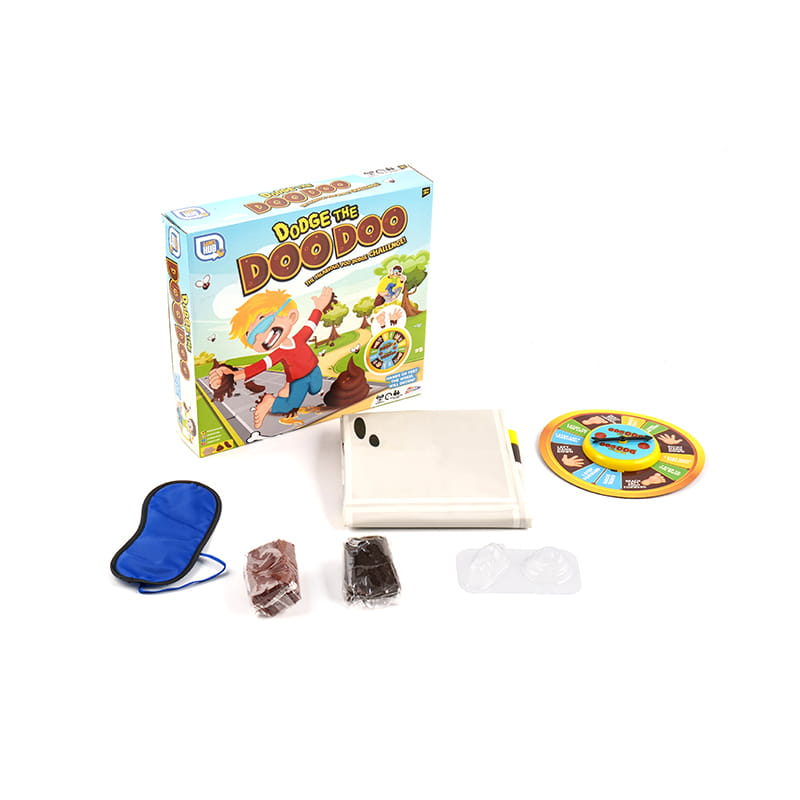
Dodge The Doggy Doo Game Set
Dodge The Doggy Doo is a fun and challenging game for kids. Children need to put on a blue blindfold and walk blindfolded to complete the tasks on the...
View More -
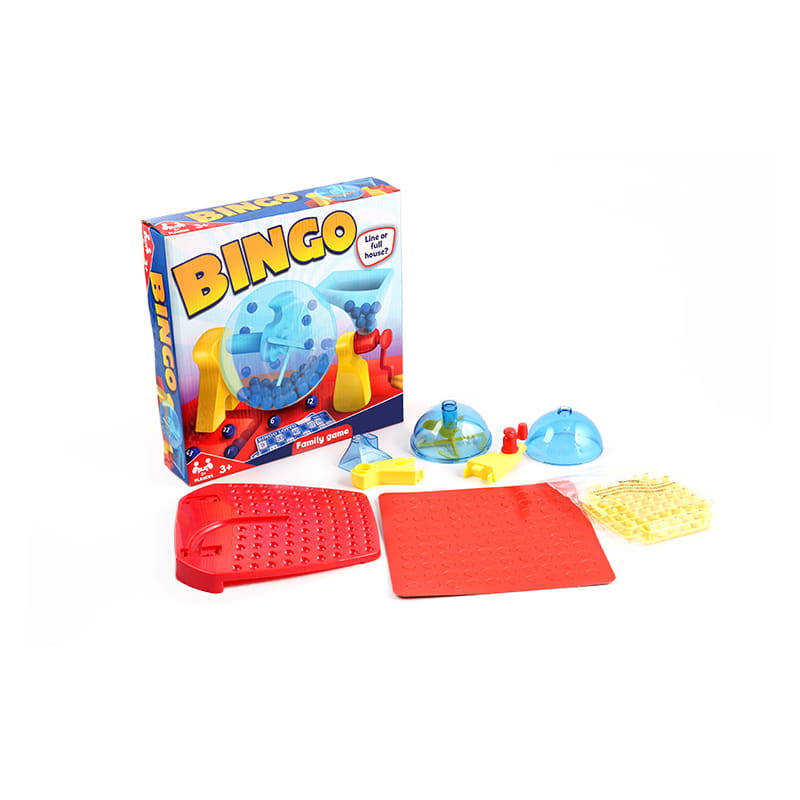
Plastic Bingo Game Set
Bingo Game is an entertaining game full of fun and surprises. It contains a beautiful shaker with a sleek design and bright colors that will catch eve...
View More -
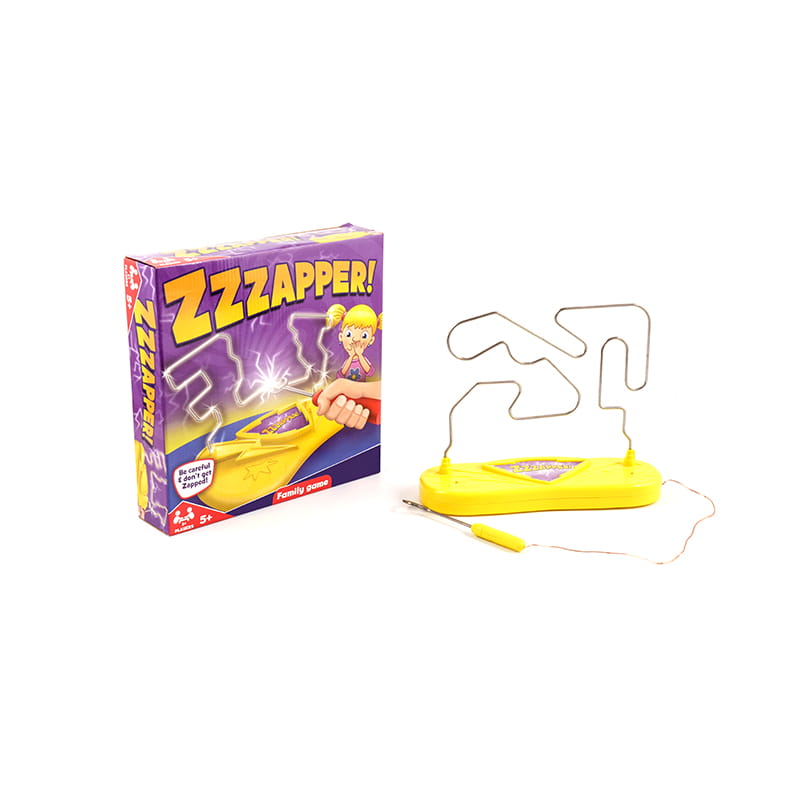
Plastic Beware Of Electrocution Game Toy
Beware of Electrocution Game is a unique family game designed to test players' concentration and balance. The game consists of a purple game box and a...
View More -
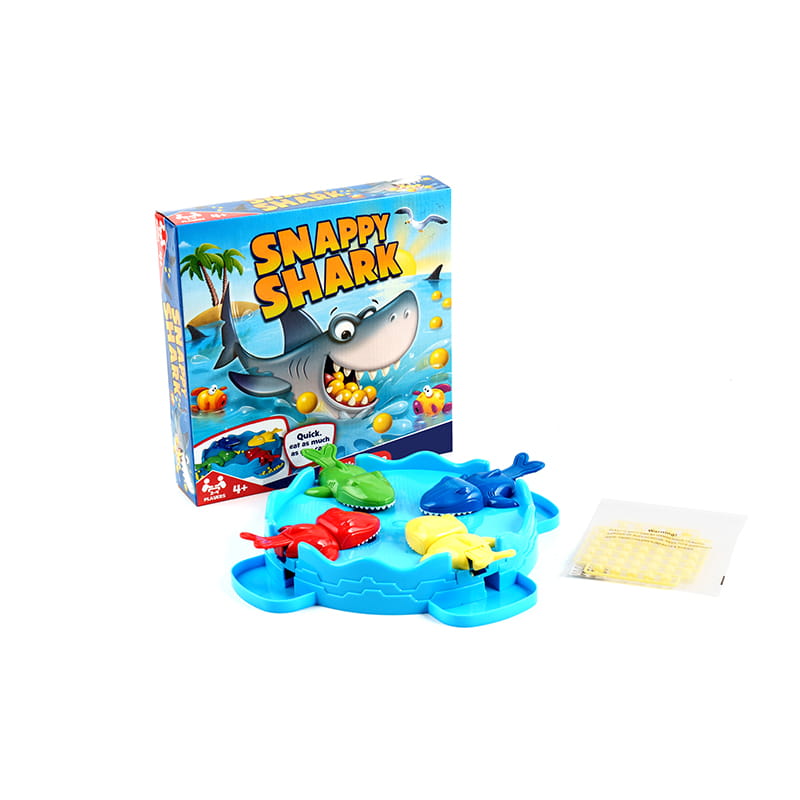
Plastic Shark Eat Beads Game Toy
Shark Eat Beads is a four-player interactive game with a “Snappy Shark” theme, where players need to quickly maneuver their sharks to eat as many ...
View More -
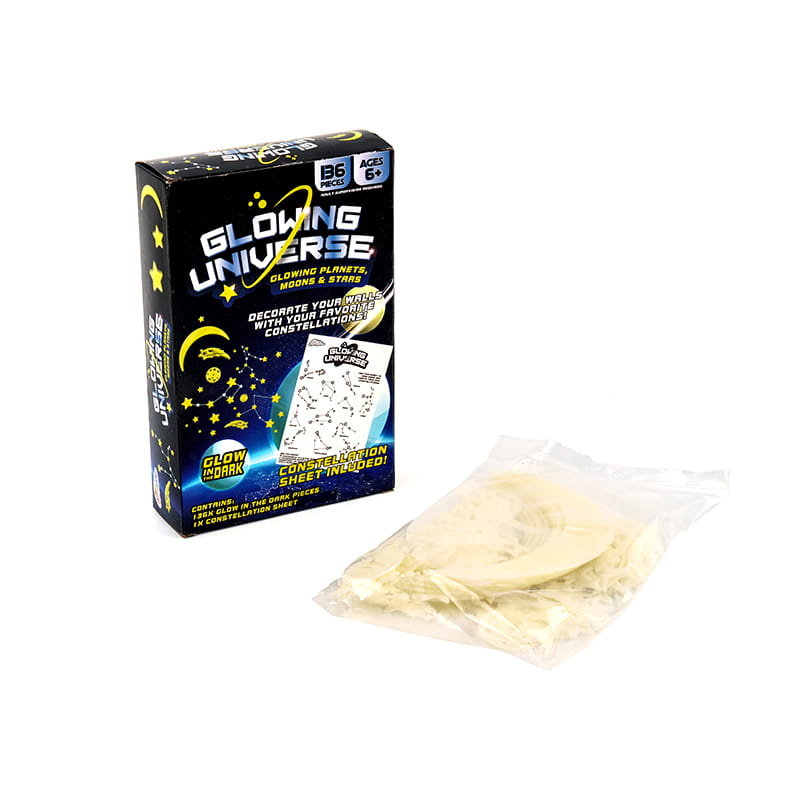
Luminous Star Patch
Luminous Starry Night Patch is a creative decoration. It contains a variety of cosmic elements, such as planets and stars, etc. It is made of special ...
View More -
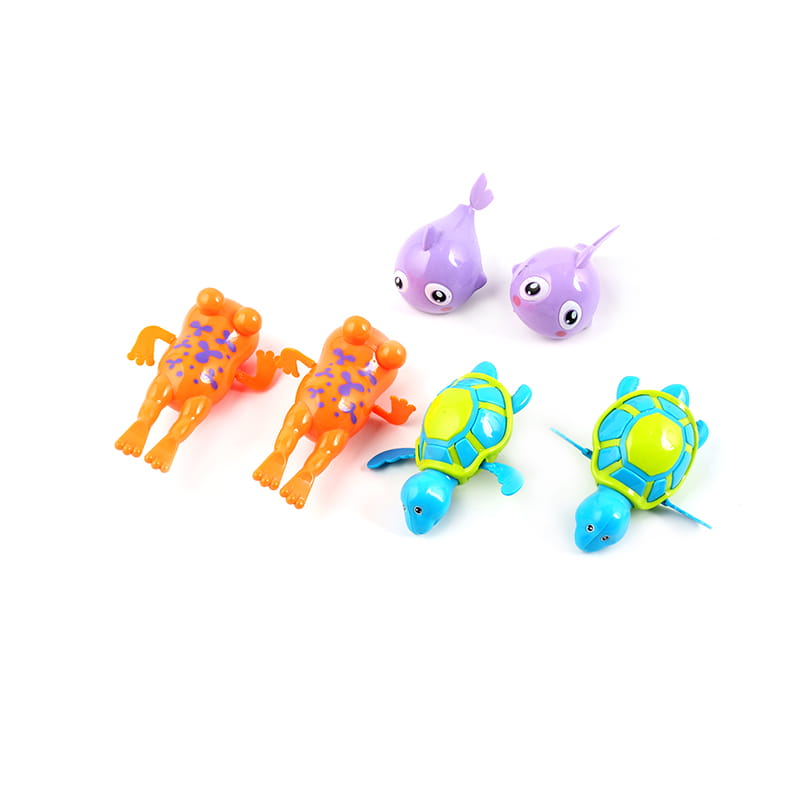
Plastic Uplink Animal Toy
The Uplink Animal Toy is a soothing toy set designed for baby showers. The set contains brightly colored and simply designed plastic toys such as an o...
View More -
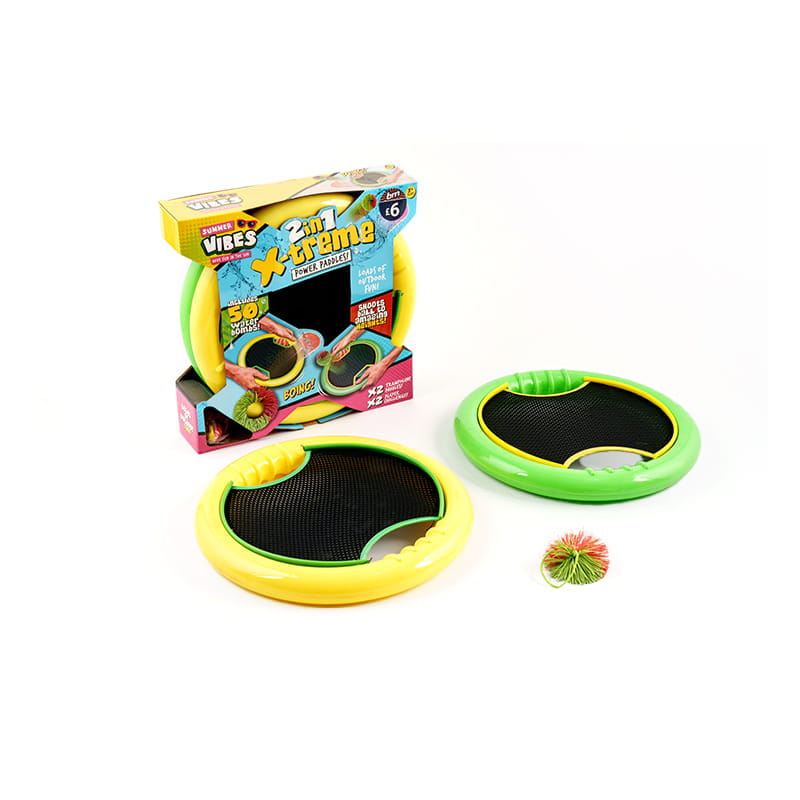
Beat About The Bush Toy Set
Clap Circle is a fun toy designed for children, containing 2 clappers and 1 colorful ball. This toy can be played alone to work on hand-eye coordinati...
View More

Copyright © Yuyao Leda Crafts Co., Ltd. All Rights
Reserved.

Children's Toys Factory
Children's Toys Manufacturer
Information
-
 Phone: +86-13056880051
 -
 fax: +86-574-62750718
 -
 E-mail:[email protected]
 -
 Add:Zhushan Village, Lizhou Street, Yuyao City, Ningbo, Zhejiang Province, China
Toys
Links
Contact Us