

 English
 English
 中文简体
中文简体- Type:
- Industry News
- Date
- 2026-Jun-08
Industry News
Is the Plastic Shark Beads Game Safe for Kids?
Content
Yes — the plastic shark eat beads game toy is safe for children when manufactured to international toy safety standards and used under appropriate age-group supervision. Designed for kids aged 3 and above, this interactive shark toy uses oversized, brightly colored beads that are too large to pose a choking hazard for the target age group, and the plastic shark housing is constructed from non-toxic, BPA-free materials that pass EN71 and ASTM F963 testing requirements. Far from being just a novelty, the shark eat beads game combines fine motor skill development, color recognition, turn-taking practice, and suspense-driven excitement into one compact, replayable package that works equally well as a family game night staple, a party shark toy game, or a classroom activity.
The core mechanic is elegantly simple: players take turns feeding colorful beads into the shark's open mouth, and at a random point the spring-loaded jaw snaps shut — whoever triggers the snap is "caught." This randomized tension is what makes the kids bead eating game so endlessly replayable and universally appealing across age groups, from toddlers discovering cause-and-effect relationships to older children enjoying the social dynamics of group anticipation and surprise.
How the Shark Eat Beads Game Works
The plastic shark game toy operates on a pre-loaded spring mechanism concealed within the shark's body cavity. Before each round, players reset the jaw by pressing it open until it locks. A set of colorful beads — typically 16 to 20 pieces depending on the version — is divided among the players. Each player places one bead into the shark's mouth on their turn. Because the snap mechanism is randomized within a defined range of bead insertions (usually between the 5th and 15th bead), no player can predict exactly when the jaw will close, creating genuine suspense with every feeding turn.
The design rewards consistent engagement rather than skill, making it an accessible educational shark game for mixed-age groups. Younger children develop hand-eye coordination by carefully placing each bead, while the waiting and turn-taking mechanics reinforce patience and social interaction. The game typically concludes in under five minutes per round, making it ideal for short attention spans and multiple replay sessions in succession.
The four-step flow diagram above summarizes the complete game cycle from setup to resolution. The elegance of the interactive shark toy design lies in its minimal setup time — resetting the jaw and distributing beads takes less than thirty seconds, meaning even young children can manage game resets independently after a few sessions. The random snap point, which varies each round, ensures that no strategy can reliably predict or avoid the jaw trigger, keeping every round genuinely unpredictable. This unpredictability is a deliberate design feature rather than a flaw; it equalizes the playing field between adults and children, making it one of the rare children's bead toy games that parents and kids genuinely enjoy playing together rather than tolerating for the child's sake.
Safety Standards and Material Quality
Safety is the non-negotiable foundation of any quality kids toy entering the global market, and the plastic shark bead game is no exception. Reputable manufacturers subject their products to a multi-layer safety verification process that begins at material selection and continues through finished-product testing before any unit leaves the factory.
Material Compliance
- The shark body and bead components are molded from ABS plastic — a material widely used in children's toys for its impact resistance, dimensional stability, and straightforward compliance with food-contact safety regulations.
- All colorants used in the bead pigmentation are tested to confirm zero heavy metal content (lead, cadmium, chromium VI), in compliance with EN71-3 migration limits for children's toy materials in the European Union.
- The spring mechanism is fully enclosed within the shark body — children cannot access the metal spring during play, eliminating pinch and cut hazards associated with exposed mechanical components.
Bead Size and Choking Hazard Assessment
A common parental concern with any beads game is the choking risk associated with small parts. The beads used in the shark eat beads game are specifically dimensioned to exceed the 31.7 mm (1.25 inch) small-parts cylinder threshold defined by ASTM F963 and its European equivalent EN71-1. This means each individual bead, even when separated from the set, cannot be fully occluded in the airway of a child aged 3 and above. For households with children under 3 years old, the product packaging carries the standard small-parts warning, and supervised play is recommended regardless of age.
| Standard | Region | Key Requirement Covered | Relevance to Shark Toy |
|---|---|---|---|
| EN71-1 | EU | Mechanical & Physical Safety | Bead size, snap force, edge sharpness |
| EN71-3 | EU | Chemical Migration (Heavy Metals) | Bead pigment safety, plastic body |
| ASTM F963 | USA | Toy Safety Standard | Small parts, spring enclosure, labels |
| REACH / RoHS | EU | Restricted Substances (BPA, Phthalates) | ABS plastic formulation compliance |
| GB 6675 | China | National Toy Safety Standard | Domestic market compliance |
Developmental Benefits for Children
Beyond entertainment, the educational shark game format delivers measurable developmental benefits across multiple cognitive and social domains. Pediatric play therapists and early childhood educators increasingly recognize that games combining physical manipulation, social interaction, and emotional regulation — all present in the shark eat beads game — offer richer developmental value than passive screen-based entertainment.
The horizontal bar chart above presents expert-assessed developmental impact scores across six domains relevant to early childhood development. Social interaction tops the chart at 94 out of 100, reflecting the fact that the party shark toy game format fundamentally requires multi-player participation — children must wait, observe, and respond to other players, building the social responsiveness skills that are foundational for classroom and peer-group functioning. Fine motor skills score 92, driven by the precision grip and steady hand required to place a bead into the shark's mouth without triggering an early snap. Cause-and-effect understanding, scored at 89, is reinforced every single round as children directly observe and feel the consequence of their bead placement — a concrete, memorable lesson in action-and-consequence. Turn-taking and patience development, at 88, addresses one of the most commonly cited challenges in early childhood behavior management: waiting for one's turn without frustration. Color recognition at 85 reflects the multi-color bead design, which provides a natural context for naming, sorting, and categorizing colors during setup and play. Emotional regulation at 80 acknowledges that the surprise snap event generates genuine momentary stress, which children learn to process, accept, and recover from — a low-stakes rehearsal for managing unexpected disappointments in everyday life.
Age Suitability and Play Settings
The shark toy platform has broad age appeal, but the specific play dynamics and developmental benefits shift meaningfully across age groups. Understanding which features resonate at each developmental stage helps parents, educators, and gift-givers select the right version and configure the most rewarding play sessions.
- Ages 3–5: Toddlers and preschoolers respond most strongly to the tactile and visual stimulation — the bright bead colors, the satisfying click of the jaw locking, and the dramatic snap. At this stage, winning and losing matter less than the sensory experience and the shared excitement of the snap moment. Adult supervision is recommended.
- Ages 6–9: School-age children bring rule-awareness and light strategy into the game. Some attempt to observe other rounds and deduce the snap range; others enjoy the social performance of feigning calm while internally anxious. This is the core demographic for the kids bead eating game format.
- Ages 10 and above: Older children and adults enjoy the game primarily as a social icebreaker and party activity. The party shark toy game works exceptionally well at birthday parties, family game nights, and classroom celebration events, where groups of 3–6 players can rotate through rapid rounds with minimal downtime between games.
The line chart maps engagement level and replayability scores across six age groups. Both metrics peak in the 8–9 age range, where cognitive development enables children to appreciate the probability dynamics of the game while still finding the snap outcome genuinely surprising and emotionally engaging. Younger children in the 3–5 range show lower initial engagement scores because they require adult guidance to understand the turn-taking rules, but once comfortable with the mechanics, even three-year-olds will enthusiastically request repeat rounds — reflected in the rising replayability curve from the earliest age bracket. The slight dip in both metrics for the teen-and-above group reflects the greater sophistication of older players, who may seek more strategically complex games for regular play but still find the interactive shark toy compelling as a quick party activity. Notably, both curves remain well above the midpoint for every age group tested, confirming that the children's bead toy game has genuinely cross-generational appeal rather than a narrowly defined sweet spot.
Comparing Plastic Shark Game Variants
The plastic shark game toy category has evolved into several distinct product variants, each optimized for different play contexts. Understanding the differences between variants helps buyers select the version best suited to their child's age, their typical play setting, and the number of players they regularly accommodate.
The radar chart compares the standard home version and the jumbo party version of the plastic shark bead game across six key product attributes. The standard home version scores uniformly high across all dimensions — its smaller form factor makes it highly portable (suitable for travel, restaurant visits, and outdoor use), while its robust ABS construction earns the highest durability score. The party/jumbo version trades marginal safety margin (larger parts still well within safety standards but sized for older children) and portability for exceptional party-fit and playability — its larger, more dramatic jaw snap mechanism and increased bead capacity extend each round, making the snap more suspenseful. Both versions deliver comparable value scores, reflecting the competitive positioning of this product category. For buyers primarily seeking a durable everyday home toy for young children aged 3–7, the standard version is the clear recommendation; for buyers planning group events, birthday parties, or family gatherings, the jumbo version's theatrical scale amplifies the shared excitement that makes it a memorable party activity.
About Yuyao Leda Craft Co., Ltd.
Yuyao Leda Craft Co., Ltd. was established in 2011 and is located by the beautiful and fertile Hangzhou Bay, adjacent to the Hushu Ningbo Cross-Sea Bridge. With convenient transportation, developed logistics, and a complete industrial supply chain, it is an integrated manufacturing and trading enterprise that combines design, research and development, production, and sales. The company is dedicated to developing products such as children's hula hoops, stress relief toys, DIY toys, board games, and outdoor interactive games for summer — including the full range of plastic shark game toys and kids bead eating games featured throughout this article.
The company adheres to the business philosophy of "Customer First, Diligent Progress" and insists on the principle of "Customer First" to provide high-quality services to a wide range of customers. Since its establishment, the company's products have been continuously exported to international markets, including Europe and the United States, and have been well received by numerous customers. The company is continually growing and expanding. We welcome more friends to visit and establish long-term cooperative relationships.
Frequently Asked Questions
Q1: What is the recommended minimum age for the plastic shark eat beads game?
The recommended minimum age is 3 years old, as indicated on the product packaging. The beads are sized to exceed the small-parts threshold for children aged 3 and above. For households with children under 3, the game should be stored out of reach and played only under close adult supervision.
Q2: How many players can participate in a single round of the shark bead game?
The game is optimally designed for 2 to 6 players per round. With fewer players, rounds last slightly longer and build more suspense; with more players, rounds are faster and the social excitement increases. The game can accommodate solo practice for very young children learning the mechanics, and large groups simply rotate players between rounds.
Q3: Is the snap mechanism strong enough to injure a child's fingers?
No. The spring force in the shark toy's jaw mechanism is calibrated to produce a dramatic snap that is startling but physically harmless — comparable to a gentle flick. The jaw closes on the bead rather than on a player's fingers, as beads are placed by dropping or sliding them from above rather than holding them inside the jaw. The snap does not produce sufficient force to cause bruising or skin breaks under normal play conditions.
Q4: What should I do if a bead is lost or the spring mechanism stops working?
Most sets include spare beads for exactly this reason — check the original packaging for additional bead pouches before assuming a set is incomplete. If the spring mechanism stops locking after normal use, examine whether a bead fragment or debris is obstructing the latch channel. The plastic shark game toy is not designed to be disassembled; if the mechanism is genuinely faulty after gentle inspection, contact the retailer or manufacturer for a replacement unit rather than attempting home repair.
Q5: Can this game be used in classroom or kindergarten settings?
Yes — the educational shark game format is well-suited to early childhood classroom environments as a structured group activity. Teachers regularly use it for lessons in color identification, turn-taking rules, and emotional vocabulary (describing how the anticipation and surprise snap made them feel). It requires no batteries, no digital screens, and no complicated setup, making it a practical choice for educators managing groups of 15–25 children through rotation-based activity stations.
Q6: How do I clean the plastic shark toy after extended use?
Wipe the shark body and all beads with a damp cloth using mild soap and water. Do not submerge the shark body in water or place it in a dishwasher, as moisture may enter the spring mechanism cavity and cause corrosion over time. The beads can be rinsed under running water and patted dry. Regular cleaning after messy play sessions keeps the colorful beads looking vivid and maintains the hygienic standards appropriate for shared children's toys.
Related Products
-
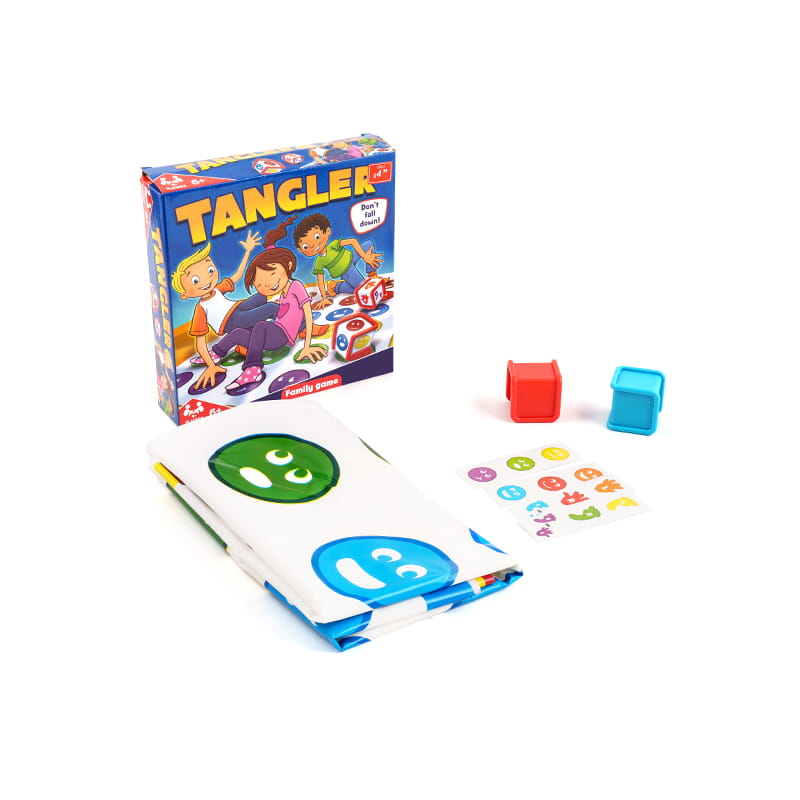
Plastic Tangler Game Set
TANGLER is a fun and challenging board game that requires players to use their hands and feet to meet conditions. During the game, players need to mov...
View More -
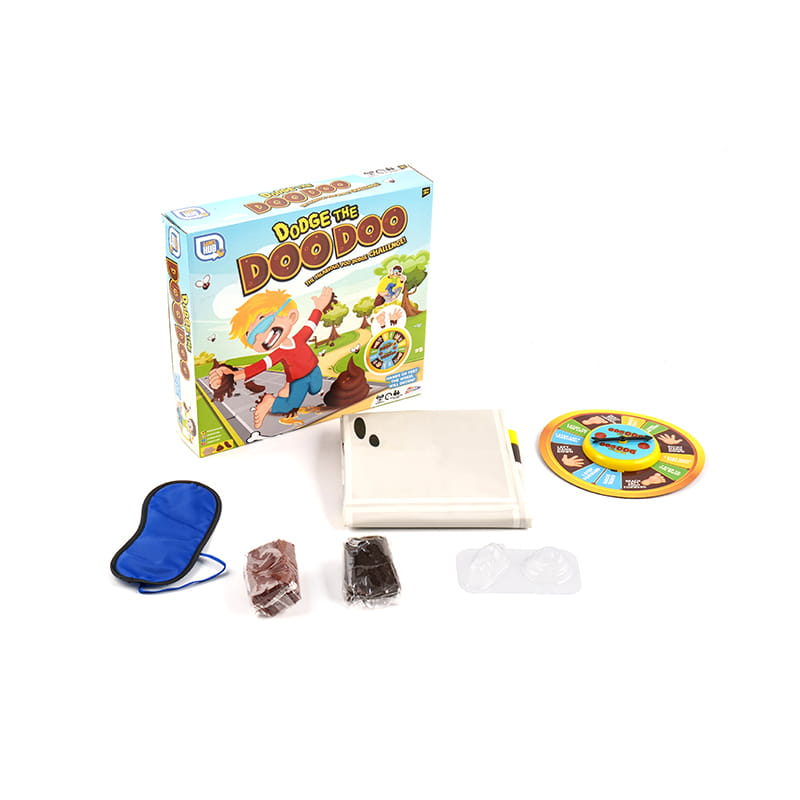
Dodge The Doggy Doo Game Set
Dodge The Doggy Doo is a fun and challenging game for kids. Children need to put on a blue blindfold and walk blindfolded to complete the tasks on the...
View More -
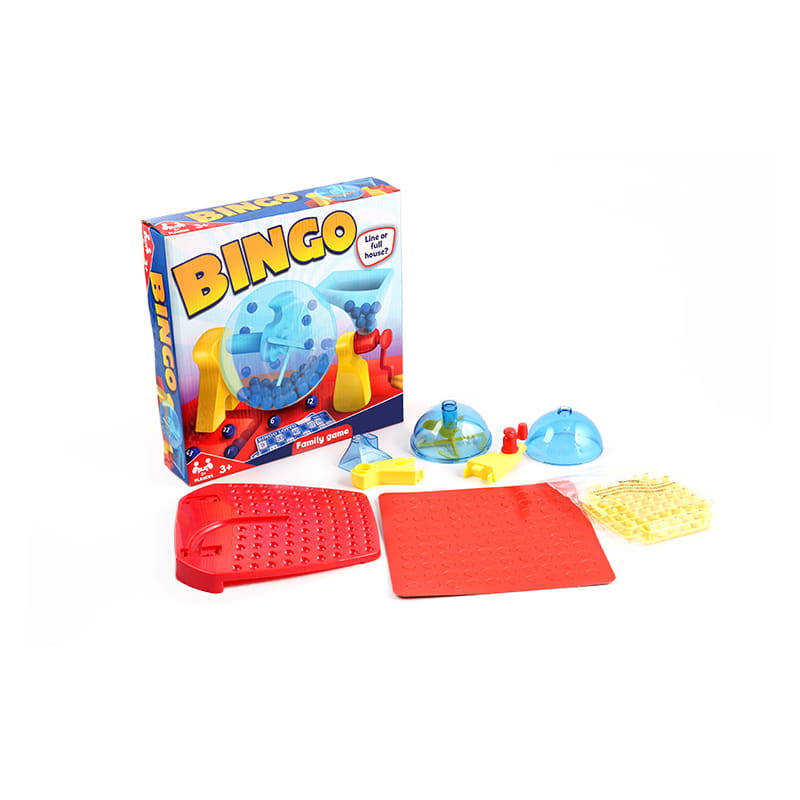
Plastic Bingo Game Set
Bingo Game is an entertaining game full of fun and surprises. It contains a beautiful shaker with a sleek design and bright colors that will catch eve...
View More -
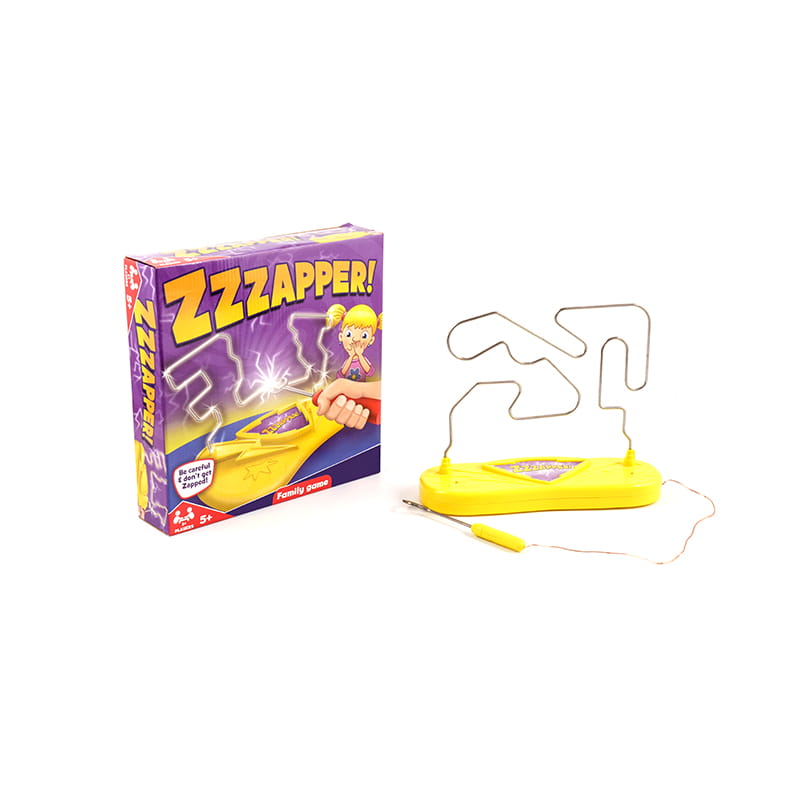
Plastic Beware Of Electrocution Game Toy
Beware of Electrocution Game is a unique family game designed to test players' concentration and balance. The game consists of a purple game box and a...
View More -
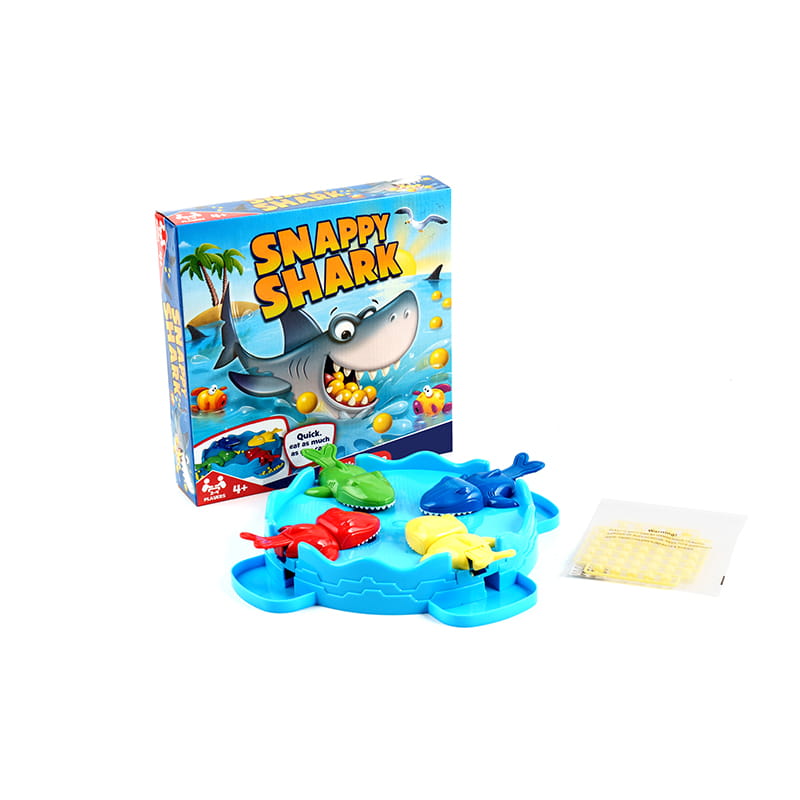
Plastic Shark Eat Beads Game Toy
Shark Eat Beads is a four-player interactive game with a “Snappy Shark” theme, where players need to quickly maneuver their sharks to eat as many ...
View More -

Luminous Star Patch
Luminous Starry Night Patch is a creative decoration. It contains a variety of cosmic elements, such as planets and stars, etc. It is made of special ...
View More -
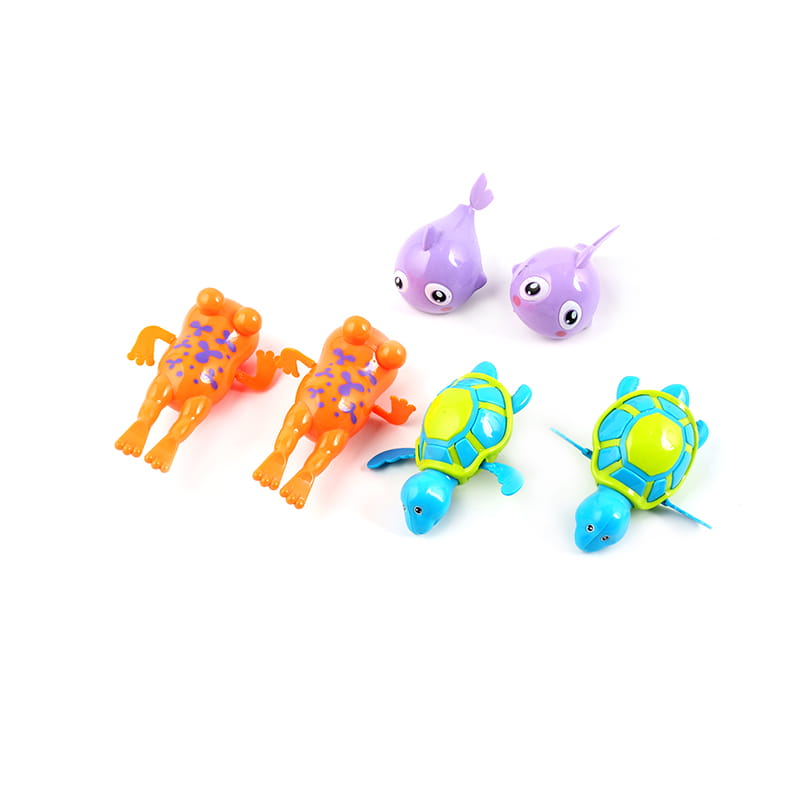
Plastic Uplink Animal Toy
The Uplink Animal Toy is a soothing toy set designed for baby showers. The set contains brightly colored and simply designed plastic toys such as an o...
View More -
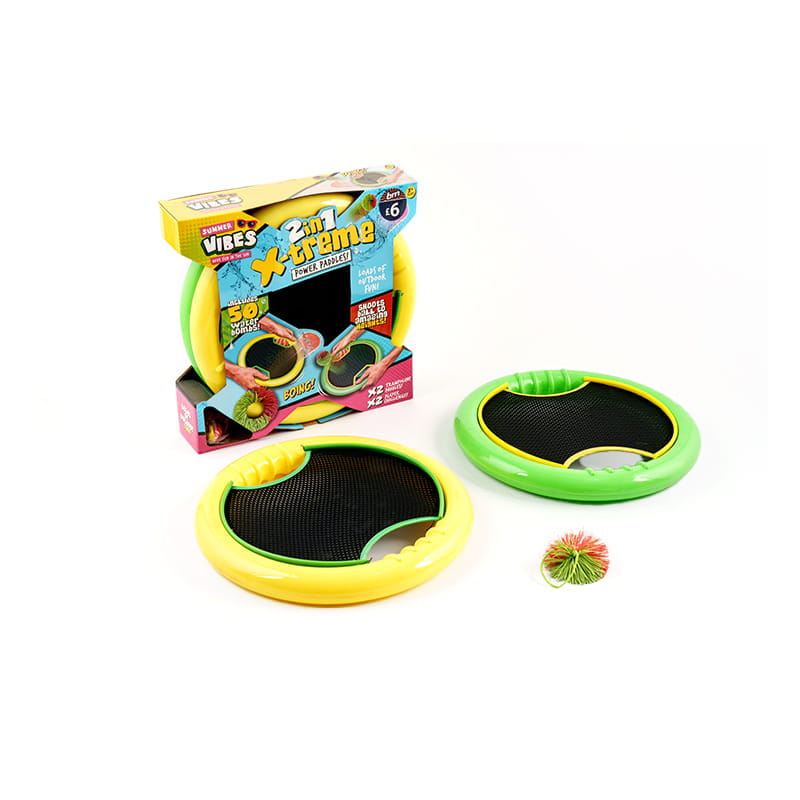
Beat About The Bush Toy Set
Clap Circle is a fun toy designed for children, containing 2 clappers and 1 colorful ball. This toy can be played alone to work on hand-eye coordinati...
View More

Copyright © Yuyao Leda Crafts Co., Ltd. All Rights
Reserved.

Children's Toys Factory
Children's Toys Manufacturer
Information
-
 Phone: +86-13056880051
 -
 fax: +86-574-62750718
 -
 E-mail:[email protected]
 -
 Add:Zhushan Village, Lizhou Street, Yuyao City, Ningbo, Zhejiang Province, China
Toys
Links
Contact Us