

 English
 English
 中文简体
中文简体- Type:
- Industry News
- Date
- 2026-Jun-15
Industry News
Are plastic beach bucket playsets safe for toddlers?
Content
- 1 Material Safety: What BPA Free Beach Toys Actually Means
- 2 Age Appropriateness: Matching a Beach Toy Set to a Toddler's Stage
- 3 Developmental Benefits of Sand Toys and Sensory Play
- 4 3D Isometric Diagram of a Plastic Beach Bucket Playset
- 5 Comparing Beach Toy Set Categories: A Capability Overview
- 6 Featured Product: Fruit-Themed Plastic Beach Bucket Playset
- 7 Practical Supervision Tips for Toddler Beach and Sandbox Play
- 8 About Yuyao Leda Craft Co., Ltd.
- 9 Frequently Asked Questions
Plastic beach bucket playsets are generally considered safe for toddlers when the set is made from food-grade, BPA free materials, has no small detachable parts that pose a choking risk, and is used under normal adult supervision typical of beach or sandbox play. The key safety factors are material composition, piece size relative to the child's age range, and the presence of any sharp edges or seams left over from the molding process, rather than the basic concept of a bucket and shovel set itself.
This article reviews what makes a beach bucket and shovel set genuinely toddler-safe, how sand toys support early childhood development, what to check on a product label before purchase, and how a typical plastic beach bucket playset is constructed. Reference tables, comparison charts, and a labeled diagram are included to support a clear and practical understanding of this product category.
Material Safety: What BPA Free Beach Toys Actually Means
The single most important safety factor in any plastic beach bucket playset is the base material used for molding. Polypropylene, commonly abbreviated PP, is widely used across the sand toys industry because it is a food-contact-safe plastic that does not require BPA as a hardening agent, making genuine PP-based sets inherently BPA free beach toys. This matters because toddlers frequently place toys near their mouths during play, and a material that meets food-contact safety standards carries materially lower risk than toys made from unspecified or recycled industrial plastics.
According to general guidance published by consumer product safety organizations such as the U.S. Consumer Product Safety Commission regarding children's products, manufacturers selling into regulated markets are expected to disclose material composition and test for compliance with applicable toy safety standards, including limits on phthalates and heavy metals. When purchasing a kids beach bucket set, checking for an explicit BPA free and non-toxic material declaration on the packaging or product listing is a reliable first screening step before considering design or color.
| Safety Factor | What to Check |
|---|---|
| Base material | PP plastic, labeled food-grade or BPA free |
| Edge finish | Smooth, rounded edges with no mold seam burrs |
| Piece size | Larger than typical small parts choking guidelines for the listed age range |
| Handle structure | Securely molded, no detachable small fasteners |
| Surface coating | Non-toxic pigment, water and sand resistant |
Age Appropriateness: Matching a Beach Toy Set to a Toddler's Stage
A toddler beach toy set intended for a kids beach set 3-5 years age range is generally designed with larger handles, simpler shapes, and fewer small accessory pieces compared to sets aimed at older preschool or grade-school children. Buckets in this category typically use a wider grip diameter that is easier for smaller hands to hold securely, while shovels and rakes are shaped with shorter, broader scoops that reduce the risk of the tool slipping during digging motions.
For children younger than the standard 3-5 years sand toys range, caregivers should pay closer attention to any small connector pieces, such as small wheels on toy vehicles included in a larger sandbox play set, since these can present a higher choking risk for children still in an exploratory mouthing phase. A genuinely toddler beach toy set marketed for younger children should minimize or eliminate such small parts entirely.
The bar chart above reflects a general industry pattern in toy design rather than a single fixed rule, since exact specifications vary by manufacturer and by the specific safety standard applied in each target market. The clear trend, however, is consistent across the sand toys category: piece size decreases as the target age range increases, since older children have developed finer motor control and reduced mouthing behavior, allowing for smaller, more detailed accessory pieces without the same level of choking risk present in toddler-focused products.
Developmental Benefits of Sand Toys and Sensory Play
Beyond pure entertainment, a beach bucket and shovel set offers measurable developmental value for toddlers and preschool-age children. Scooping, pouring, and molding sand are activities that exercise fine motor coordination, hand-eye coordination, and bilateral hand use, all of which are foundational skills referenced in early childhood development literature as precursors to later writing and self-care tasks. Sand play is also frequently cited by occupational therapists as a beneficial form of sensory play, since the changing texture of wet versus dry sand provides tactile input that supports sensory processing development.
Specific Skill Areas Supported by Beach Bucket Play
- Fine motor skills: gripping shovels and rakes, pouring sand between containers of different shapes.
- Cause and effect understanding: observing how sand behaves differently when filling, dumping, and shaping.
- Early measurement concepts: comparing bucket sizes and quantities of sand, an early step toward volume understanding.
- Social play skills: sharing tools and taking turns when playing in a group sandbox play set setting.
- Sensory regulation: tactile exposure to varying sand textures, which is widely referenced in pediatric occupational therapy resources as a beneficial form of sensory play toys engagement.
These developmental benefits explain why educational sand toys are frequently recommended by early childhood educators as a low-cost, high-value addition to both home play and structured preschool settings, distinct from screen-based or purely passive entertainment options.
3D Isometric Diagram of a Plastic Beach Bucket Playset
Understanding the typical component layout of a plastic beach bucket playset helps clarify which parts carry the most safety relevance. The isometric diagram below labels the core components found in a standard kids beach bucket set, consistent with the configuration shown in the product photograph later in this article.
The diagram highlights the four functional zones that matter most for a safety review of any plastic beach bucket playset. The bucket body, typically the largest component, should be checked for wall thickness and a stable base that resists tipping during fill and pour play. The molded carry handle should be a single continuous piece rather than an attached hardware fitting, since fused handles eliminate a potential small-parts failure point. The shovel scoop and rake teeth, while smaller, should still maintain rounded edges and a tooth spacing on rake-style tools that cannot pinch small fingers during use.
Comparing Beach Toy Set Categories: A Capability Overview
Outdoor sand toys sets vary in how they balance durability, safety, educational value, and play variety. The radar chart below compares a basic beach bucket and shovel set against a more elaborate themed playset that includes additional accessories, helping caregivers understand the practical trade-offs between simplicity and feature variety when selecting a summer beach toy set for kids.
The comparison shows that a basic beach bucket and shovel set scores higher on safety, durability, and portability, since fewer components mean fewer points of potential failure and an easier set to pack for travel. A themed playset, which often includes additional molds, rakes, and decorative accessories, scores higher on play variety and educational value because it introduces more shapes, textures, and imaginative play scenarios. Neither category is universally superior, and the right choice depends on whether a caregiver prioritizes simplicity and travel convenience or a broader range of structured play activities.
Featured Product: Fruit-Themed Plastic Beach Bucket Playset
The image below shows a representative fruit-themed plastic beach bucket playset, illustrating the typical component mix found in a complete kids beach bucket set. The set includes multiple brightly colored buckets in blue and red, paired with a yellow shovel, an orange shovel, a rake, and additional small scoop tools, all packaged together with a decorative fruit-pattern display box.
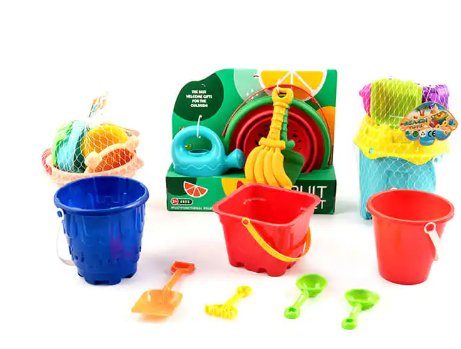
This configuration is made of environmentally friendly PP material, which supports the safe and non-toxic profile expected of a quality plastic beach bucket playset. The blue and red buckets feature wide, stable bases and securely molded carry handles, while the included yellow rake and orange shovel are sized with broad scoops suited to early fine motor development. The fruit-themed packaging also doubles as a soft toy storage option, with mesh netting visible on the upper accessories that allows sand to be rinsed and drained easily after beach use, a practical detail that supports both hygiene and product longevity.
Practical Supervision Tips for Toddler Beach and Sandbox Play
Even with a fully BPA free beach toys set that meets all relevant material and design safety standards, active adult supervision remains an essential layer of safety for toddler beach and sandbox play. General pediatric safety guidance consistently emphasizes that no toy design alone eliminates the need for direct supervision around water, sand, and small children, since environmental hazards such as tide changes, sun exposure, and incidental sand ingestion are independent of the toy itself.
- Inspect a beach bucket and shovel set before each outing for cracks or sharp edges that may develop from sun exposure and repeated impact over a season of use.
- Rinse sand toys with fresh water after beach use to remove salt residue, sand particles, and any organic debris before storage.
- Store a kids bucket set in a dry, ventilated container rather than a sealed bag to prevent mold growth from residual moisture.
- Supervise toddlers closely during any digging activity near tide lines, since wet sand collapse around dug holes presents a separate hazard unrelated to the toy material itself.
- Periodically check that all pieces in an outdoor sand toys set remain intact and account for any pieces that may have been left behind on a previous outing.
About Yuyao Leda Craft Co., Ltd.
Yuyao Leda Craft Co., Ltd. was established in 2011 and is located by the beautiful and fertile Hangzhou Bay, adjacent to the Hushu Ningbo Cross-Sea Bridge. With convenient transportation, developed logistics, and a complete industrial supply chain, the company operates as an integrated manufacturing and trading enterprise that combines design, research and development, production, and sales. The company is dedicated to developing products such as children's hula hoops, stress relief toys, DIY toys, board games, and outdoor interactive games for summer, including its plastic beach bucket playset and sand toys lines.

The company adheres to the business philosophy of Customer First, Diligent Progress and insists on the principle of putting customers first to provide high-quality service to a wide range of buyers. Since its establishment, the company's products have been continuously exported to international markets, including Europe and the United States, and have been well received by numerous customers. The company continues growing and expanding its production capacity and product range, and welcomes prospective partners to visit the facility and establish long-term cooperative relationships.
Frequently Asked Questions
Q1: Are plastic beach bucket playsets safe for toddlers?
Plastic beach bucket playsets are generally safe for toddlers when made from BPA free, food-grade PP material, sized with no small detachable parts appropriate to the child's age, and used under normal adult supervision. Checking the material declaration and piece size relative to the listed age range is the most reliable way to confirm suitability before purchase.
Q2: What age range is most appropriate for a basic beach bucket and shovel set?
A basic beach bucket and shovel set with large, simple pieces is typically suited to a kids beach set 3-5 years age range, while sets for younger toddlers should have even larger handles and fewer small accessory pieces. Sets aimed at older children, generally ages 6 and above, can safely include smaller, more detailed accessories.
Q3: What developmental benefits do sand toys provide for toddlers?
Sand toys support fine motor skill development, hand-eye coordination, early measurement concepts, and sensory processing through tactile play. These benefits are widely referenced in early childhood development and occupational therapy resources as reasons to include sensory play toys like sand sets in regular outdoor playtime.
Q4: How should I clean and store sand toys after beach use?
Rinse sand toys thoroughly with fresh water after each beach outing to remove salt and sand residue, then allow the pieces to dry fully before storing in a ventilated container. This practice helps preserve material integrity and prevents mold growth from trapped moisture between uses.
Q5: Can a plastic beach bucket playset be used in a sandbox at home, not just at the beach?
Yes, a durable kids beach toys set, including buckets, shovels, and rakes, is equally suitable for a home sandbox play set and is not limited to beach use. The same material and age-appropriateness considerations apply regardless of where the sand play takes place.
Related Products
-
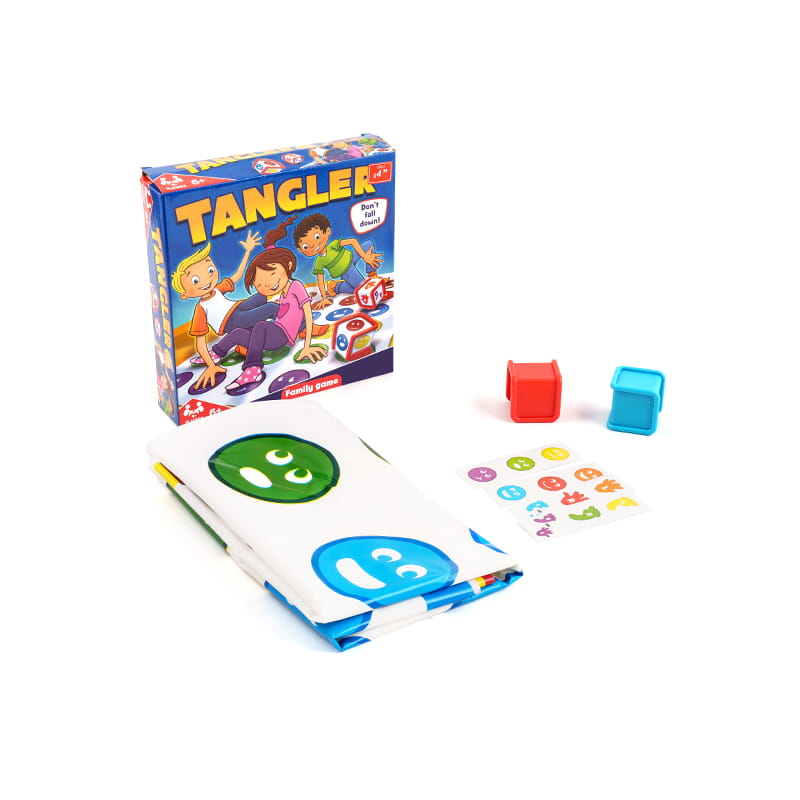
Plastic Tangler Game Set
TANGLER is a fun and challenging board game that requires players to use their hands and feet to meet conditions. During the game, players need to mov...
View More -
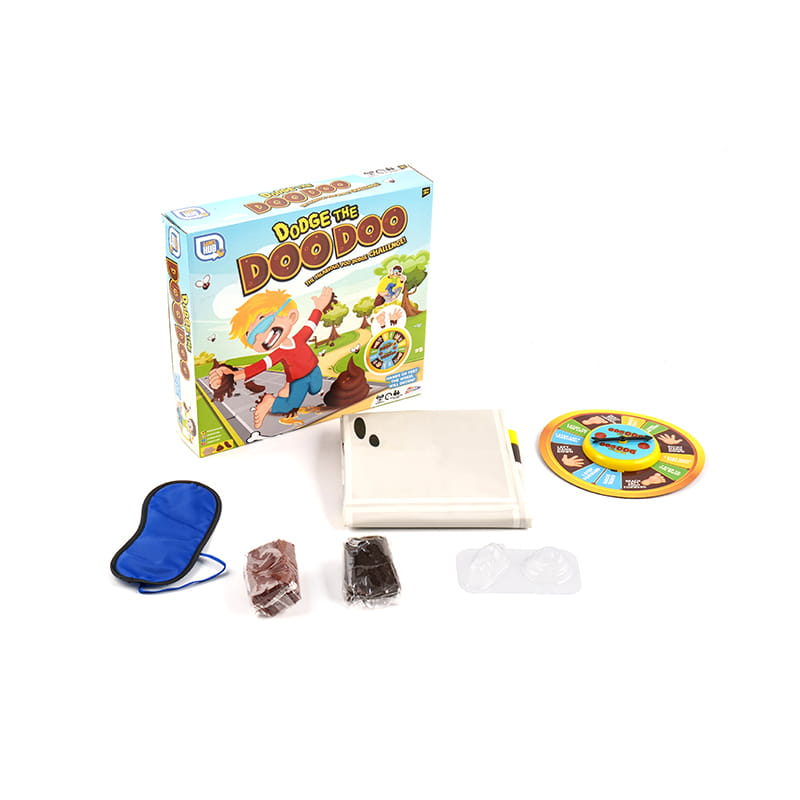
Dodge The Doggy Doo Game Set
Dodge The Doggy Doo is a fun and challenging game for kids. Children need to put on a blue blindfold and walk blindfolded to complete the tasks on the...
View More -
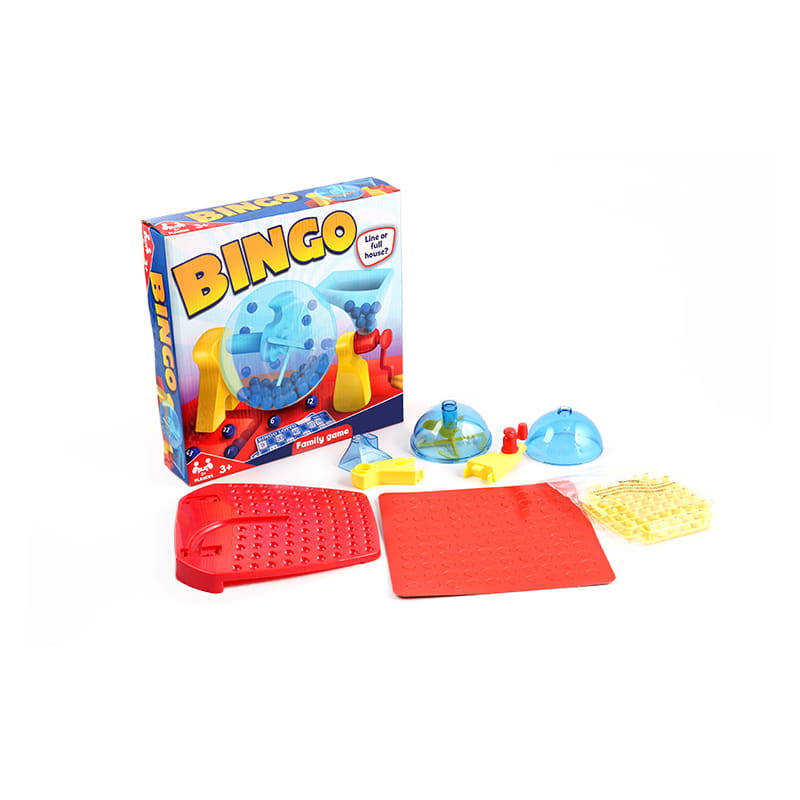
Plastic Bingo Game Set
Bingo Game is an entertaining game full of fun and surprises. It contains a beautiful shaker with a sleek design and bright colors that will catch eve...
View More -
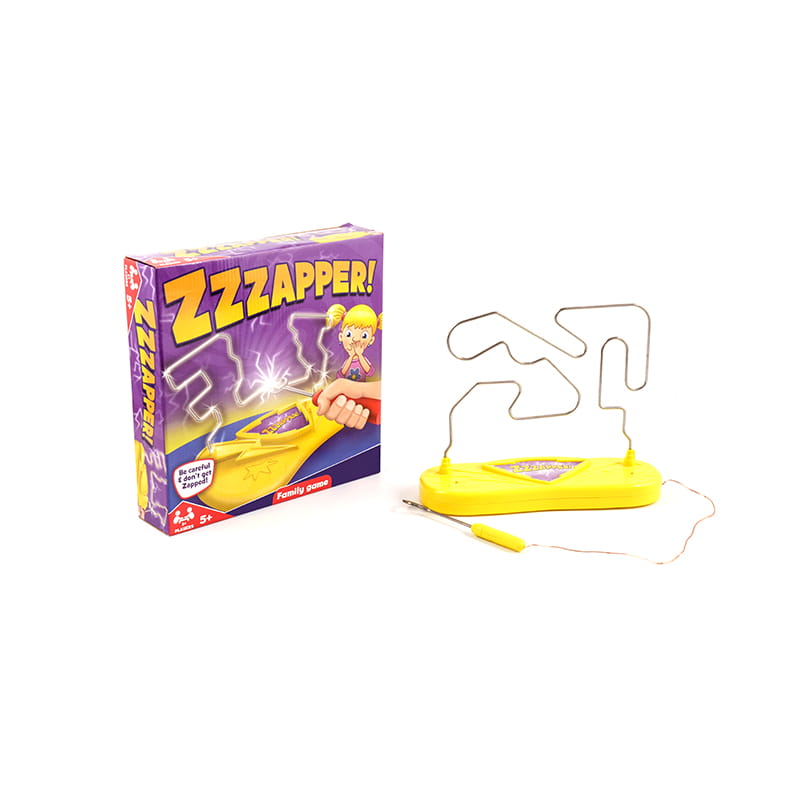
Plastic Beware Of Electrocution Game Toy
Beware of Electrocution Game is a unique family game designed to test players' concentration and balance. The game consists of a purple game box and a...
View More -
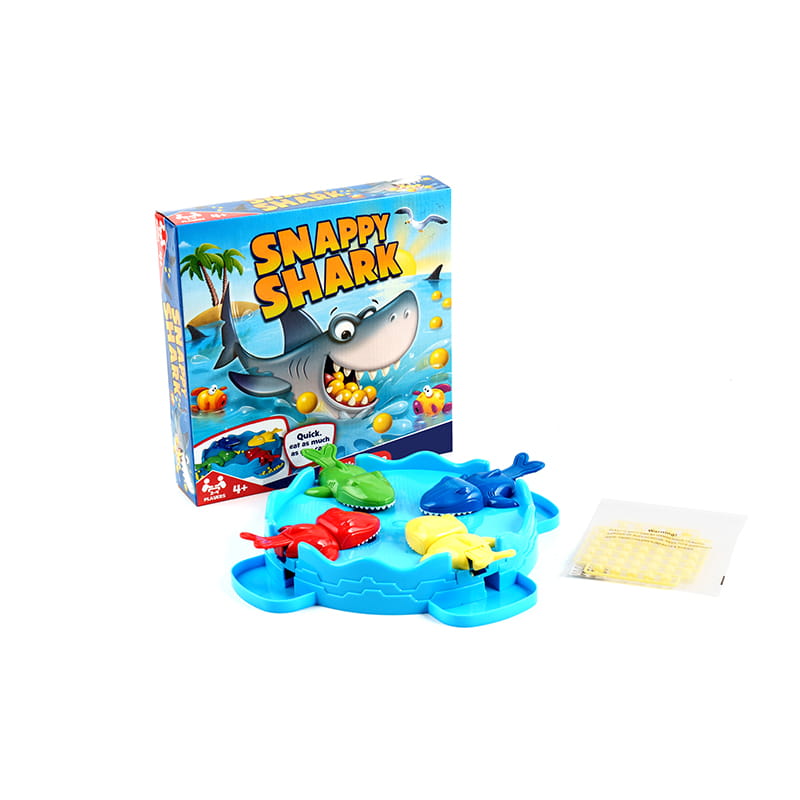
Plastic Shark Eat Beads Game Toy
Shark Eat Beads is a four-player interactive game with a “Snappy Shark” theme, where players need to quickly maneuver their sharks to eat as many ...
View More -
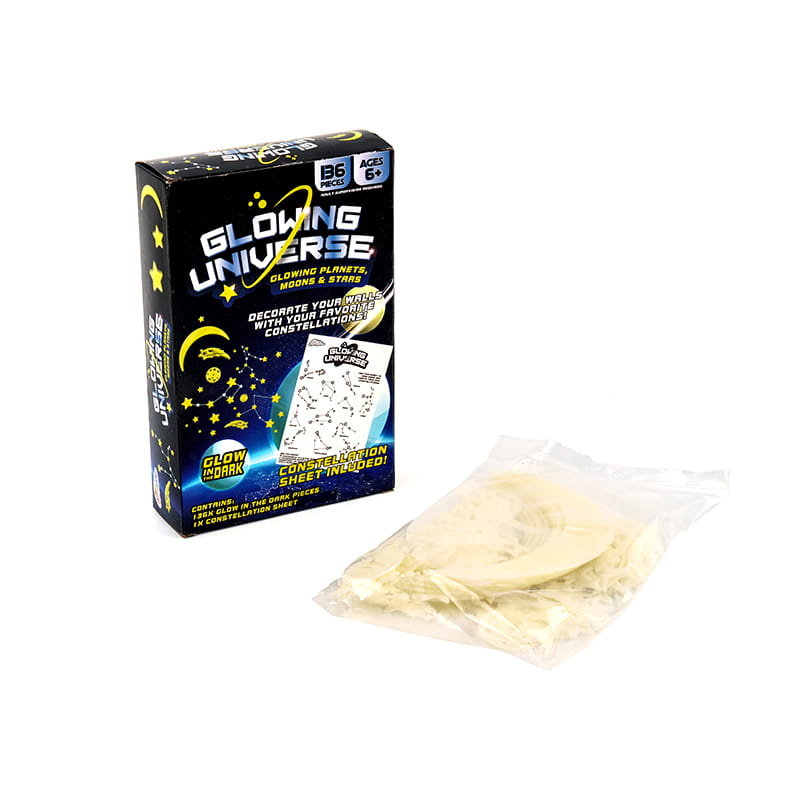
Luminous Star Patch
Luminous Starry Night Patch is a creative decoration. It contains a variety of cosmic elements, such as planets and stars, etc. It is made of special ...
View More -
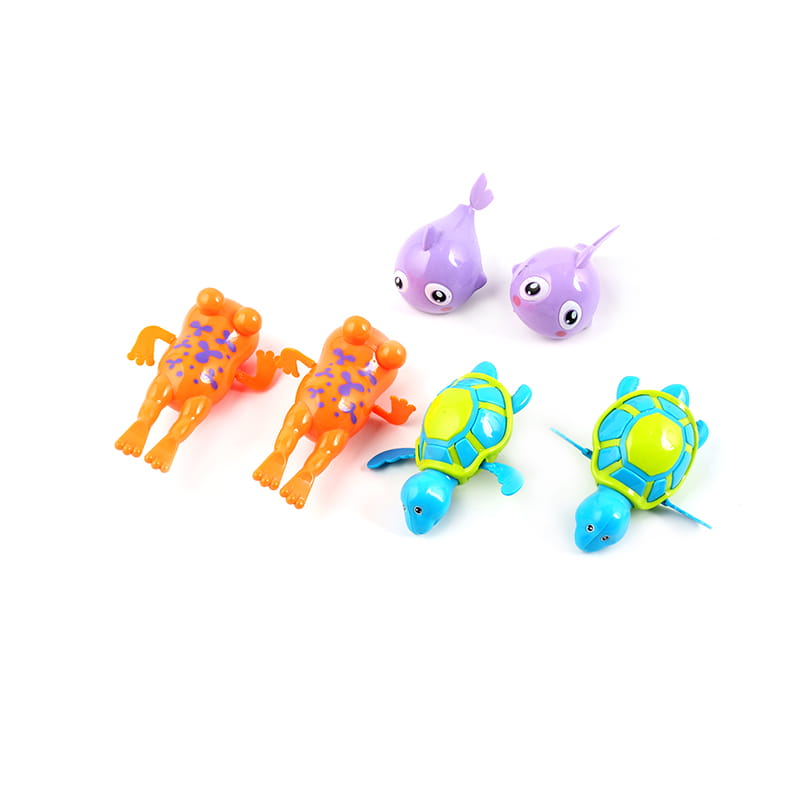
Plastic Uplink Animal Toy
The Uplink Animal Toy is a soothing toy set designed for baby showers. The set contains brightly colored and simply designed plastic toys such as an o...
View More -
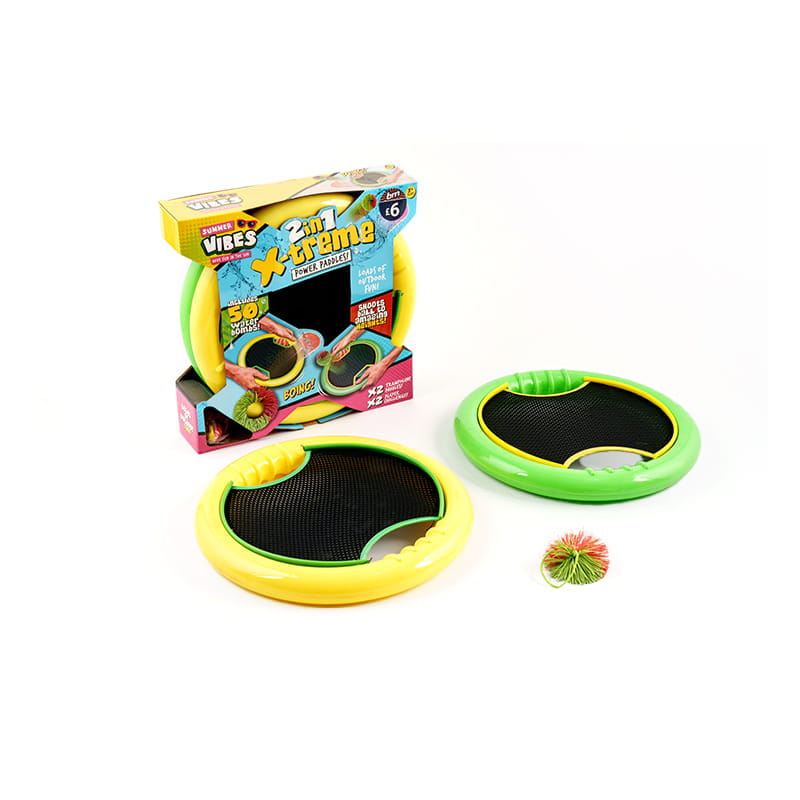
Beat About The Bush Toy Set
Clap Circle is a fun toy designed for children, containing 2 clappers and 1 colorful ball. This toy can be played alone to work on hand-eye coordinati...
View More

Copyright © Yuyao Leda Crafts Co., Ltd. All Rights
Reserved.

Children's Toys Factory
Children's Toys Manufacturer
Information
-
 Phone: +86-13056880051
 -
 fax: +86-574-62750718
 -
 E-mail:[email protected]
 -
 Add:Zhushan Village, Lizhou Street, Yuyao City, Ningbo, Zhejiang Province, China
Toys
Links
Contact Us