

 English
 English
 中文简体
中文简体- Type:
- Industry News
- Date
- 2026-Jul-09
Industry News
Stress Relief Toys Guide: Kneaders, Circle Toys, Infinity Cubes
Content
- 1 Why Stress Relief Toys Are Becoming a Core Wellness and Focus Category
- 2 Market Growth and Regional Demand Patterns
- 3 Comparing Core Products in a Stress Relief Toys Large Set
- 4 Plastic Led Stinger Ball Toys: Visual and Tactile Stimulation Combined
- 5 TPR Kneaders, Little Monsters and Furballs: The Role of Texture and Deep Squeeze
- 6 Plastic Rainbow Circle Toys and the Value of Repetitive Motion
- 7 Plastic Decompression Stretching Tube Animals and Multi Sensory Engagement
- 8 Plastic Infinity Rubik's Cube: Where Cognitive Engagement Meets Calm
- 9 Material Safety, Compliance and Manufacturing Standards
- 10 Choosing the Right Stress Relief Toy Set for Home, School, Office and Therapy Settings
- 11 About Yuyao Leda Craft Co., Ltd.
- 12 Frequently Asked Questions
- 12.1 Q1: What age group are stress relief toys suitable for?
- 12.2 Q2: Are TPR kneaders and furballs safe for young children?
- 12.3 Q3: What is the main benefit of a large stress relief toy set compared with a single item?
- 12.4 Q4: How should stretchable tube animal toys be cared for?
- 12.5 Q5: Are infinity cube toys only useful for stress relief?
- 12.6 Q6: What should buyers request before placing a bulk order for stress relief toys?
Stress relief toys are no longer a niche novelty category. The direct answer for buyers and distributors evaluating this segment is simple: demand is rising steadily across both children and adult consumer groups, and product lines that combine tactile texture, repetitive motion and visual stimulation are the ones gaining the most retail traction in 2026. Stress Relief Toys such as squeeze balls, kneaders, rotating rings and stretch tube animals are increasingly stocked not only in toy stores but also in office supply retailers, school resource programs and wellness gift catalogs. For manufacturers and importers sourcing a Plastic Stress Relief Toys Large Set, understanding why this shift is happening, and which product formats perform best in which settings, is the foundation for smart purchasing decisions. This article walks through the market context, product comparisons, material considerations, and practical buying guidance for a full stress relief toy range, including the Plastic Led Stinger Ball Toy, TPR Kneaders, Little Monsters and Furballs, the Plastic Rainbow Circle Toy, Plastic Decompression Stretching Tube Animals, and the Plastic Infinity Rubik's Cube.
Why Stress Relief Toys Are Becoming a Core Wellness and Focus Category
The short answer is that mental health awareness has moved from a background concern to a mainstream purchasing driver, and stress relief toys sit at the intersection of affordability, portability and immediate sensory feedback. According to a 2026 market analysis by Mordor Intelligence, close to 1.2 billion people worldwide are now estimated to live with some form of mental health condition, a figure that has widened consumer interest in simple, low cost tools for daily self regulation. Separately, data reported by the Centers for Disease Control and Prevention in mid 2025 found that roughly 12 percent of adults reported regular feelings of worry, nervousness or anxiety, which helps explain why stress relief toys have expanded well beyond the children's aisle into office wellness kits and adult gift categories.
This broadening of the buyer base changes what a good product range needs to look like. A single fidget spinner or a single stress ball is no longer enough to satisfy a market that includes students managing exam pressure, office employees seeking a quiet desk companion, parents looking for calming aids for children, and caregivers supporting individuals with sensory processing needs. This is why a diversified Plastic Stress Relief Toys Large Set that bundles multiple textures and mechanisms, such as kneaders, rings, tubes and puzzle cubes, tends to perform better at retail than single-item offerings, since it lets one buyer address several use cases with one purchase.
The chart below breaks down how industry researchers commonly segment the fidget and stress relief toy category by primary function. Calming style items, including soft squeeze balls and simple spheres, remain the largest sub-segment because they appeal to the widest range of ages and settings. Alerting and visually engaging formats, such as light-up or color-changing items, form the second largest group, since they combine sensory stimulation with an element of visual interest. Tactile and chewy formats follow closely, valued for their textured surfaces and resistance-based formats round out the remaining share. This distribution is useful for buyers because it shows that a balanced assortment, rather than a single product type, mirrors how the broader market is actually structured.
For a manufacturer positioning a broad Stress Relief Toys catalog, this segmentation pattern is a practical guide to assortment planning. Instead of concentrating inventory in one format, spreading a product line across calming, tactile and visually engaging categories mirrors actual demand and reduces the risk of overexposure to a single trend cycle.
Market Growth and Regional Demand Patterns
The direct takeaway here is that the stress relief and fidget toy category is on a multi year growth path rather than a short lived trend. Several independent research firms, including Mordor Intelligence and Fortune Business Insights, place the global fidget toys market in the range of 8 to 9 billion US dollars in 2025, with projections reaching into the mid teens of billions by the early 2030s at compound annual growth rates generally cited between 6 and 8 percent. While exact figures vary by methodology, the direction is consistent across sources: this is a category with durable, multi year momentum rather than a single viral spike.
North America is repeatedly identified as the largest single region for this category, with several 2026 reports placing its share of global revenue above 37 percent, supported by strong retail infrastructure, established occupational therapy networks, and school district adoption of sensory tools. Europe follows as the second largest region, while Asia Pacific is consistently flagged by researchers as the fastest growing region, driven by rising disposable income, urbanization, and increasing parental awareness of childhood sensory and attention needs. This regional pattern matters for export focused manufacturers, since it suggests that North America and Europe currently offer the deepest existing demand, while Asia Pacific represents the strongest forward growth opportunity for new market entry.
This is an illustrative composite line blended from several 2025 and 2026 industry forecasts, since individual research firms report slightly different absolute figures depending on category definitions. The consistent upward slope across every published estimate is the key point for buyers: whether the market reaches 14 billion or 18 billion US dollars by the early 2030s, the direction and pace of growth support continued investment in stress relief toy product development, tooling, and long term supplier relationships rather than treating the category as a short cycle fad.
Comparing Core Products in a Stress Relief Toys Large Set
A well designed Plastic Stress Relief Toys Large Set typically bundles several distinct sensory mechanisms rather than repeating the same texture or motion in different colors. The table below compares six commonly sourced formats by their primary sensory function, the settings where they tend to perform best, and general age suitability, which is useful reference information for buyers building or refreshing an assortment.
| Product Format | Primary Sensory Function | Best Suited Setting | Typical Age Range |
|---|---|---|---|
| Plastic Led Stinger Ball Toy | Visual plus tactile bounce feedback | Home play, party favors, low light rooms | Ages 5 and up |
| TPR Kneaders, Little Monsters and Furballs | Deep squeeze and texture based release | Desk, classroom, therapy sessions | Ages 3 and up |
| Plastic Rainbow Circle Toy | Repetitive rotation and rhythmic motion | Waiting rooms, travel, classroom breaks | Ages 4 and up |
| Plastic Decompression Stretching Tube Animals | Stretch and rebound resistance play | Classroom, home, sensory rooms | Ages 3 and up |
| Plastic Infinity Rubik's Cube | Cognitive puzzle engagement plus tactile clicking | Office desk, study breaks, commute | Ages 6 and up |
| Plastic Stress Relief Toys Large Set | Combined multi sensory assortment | Retail bundles, gift sets, classroom kits | All ages within the set range |
This comparison shows why bundling matters commercially. A buyer stocking only rotation based toys covers repetitive motion needs but misses deep pressure squeeze demand, while a buyer stocking only kneaders misses the cognitive engagement segment served by puzzle cubes. A large combined set spreads this coverage across a single stock keeping unit, which simplifies purchasing while still matching the diversity of end user preferences described in the market data above.
Plastic Led Stinger Ball Toys: Visual and Tactile Stimulation Combined
The direct point here is that light-up textured balls occupy a specific niche within stress relief toys by pairing a soft bounce or squeeze surface with a visual light response, which extends engagement time compared with a texture-only product. Industry researchers covering the alerting fidget toy sub-segment note that visually stimulating formats appeal strongly to children and to consumers who want a more active, attention grabbing sensory outlet rather than a purely calming one. This makes the Plastic Led Stinger Ball Toy well suited to low light settings, evening play, and gift bundles aimed at younger users.
From a manufacturing standpoint, this format also benefits from durable, impact resistant plastic housings around the light module, combined with a soft outer surface that keeps the tactile function intact even as the toy is squeezed or bounced repeatedly. Buyers evaluating this product line should look for consistent light response across units, a securely sealed battery or light compartment, and surface textures that remain flexible after repeated compression cycles, since these are the practical quality markers that determine whether the toy holds up to daily handling in a classroom or household setting.
The schematic above illustrates the general internal layout of this product type, showing the soft outer shell surrounding a sealed light core, a configuration designed to keep the light source protected while allowing the surrounding material to flex under hand pressure. This structural approach is common across light-up sensory balls in the broader stress relief toys category and is one reason this format has remained popular in both retail and party favor channels.
TPR Kneaders, Little Monsters and Furballs: The Role of Texture and Deep Squeeze
The clear conclusion for this product family is that texture variety, not just softness, is what keeps kneader style toys in regular rotation. TPR, short for thermoplastic rubber, is widely used across the fidget toy industry because it offers a rubber-like squeeze feel while remaining more durable and easier to mold into detailed character shapes, such as furry monster faces or round furball designs, compared with some softer alternatives. Reports covering the calming and tactile fidget sub-segments consistently describe squeeze based formats as the most broadly accessible entry point into the category, appealing to a wide range of ages and requiring no learning curve to use.
Little Monsters and Furballs in particular combine the deep squeeze function with a decorative, character driven design, which extends their appeal beyond pure sensory function into gifting and collectible territory. This dual purpose, part sensory tool and part character toy, is one reason kneader style products often see repeat purchase behavior, since consumers may collect multiple characters within a single product line rather than buying only one unit.
This chart reflects general, typical construction patterns rather than a single certified data source, and it shows why buyers should ask suppliers for material specification sheets rather than assuming uniformity across a product category. Kneader and furball items are usually built almost entirely from a TPR or rubber blend to maximize squeeze feedback, tube animal toys combine a stretchable outer layer with a smaller rigid core for structural stability, and rotating circle toys rely more heavily on a rigid ABS or polypropylene frame with a smaller soft grip zone. Understanding this composition difference helps buyers set realistic expectations for durability, flexibility, and recommended cleaning methods for each format.
Plastic Rainbow Circle Toys and the Value of Repetitive Motion
The rainbow circle toy format works because repetitive, low effort motion is one of the most consistently cited calming mechanisms across sensory product research. Rotating a ring or circle in the hand requires minimal cognitive load, which allows the motion to become almost automatic, freeing attention for a conversation, a lecture, or a moment of quiet reflection. This is part of why rotating and spinning formats remain a large sub-segment within the broader fidget toy market according to multiple 2025 and 2026 industry reports, even as newer formats enter the category.
A well made Plastic Rainbow Circle Toy typically layers several nested rings or bands in graduated sizes and colors, allowing the user to rotate individual sections independently or in combination. This layered design adds a light puzzle element on top of the base rotational motion, which helps sustain interest over longer periods compared with a single fixed ring. For classroom and travel use, this format is particularly practical because it produces very little noise, takes up minimal space, and does not require batteries or maintenance, making it an easy addition to a broader stress relief toys assortment aimed at schools, waiting rooms, or corporate wellness kits.
Plastic Decompression Stretching Tube Animals and Multi Sensory Engagement
Stretching tube animal toys deliver a distinct sensory profile compared with squeeze or rotation formats because they combine visual elongation with resistance based stretch and rebound feedback. As the tube is pulled, the user experiences a gradually increasing resistance, followed by a controlled return to shape, a pattern that mirrors some of the slow, controlled movement techniques used in general relaxation and sensory integration practices. This makes decompression tube animals a popular choice within therapy adjacent and special needs education settings, in addition to general consumer use.
The animal shaped design also broadens the appeal of this format beyond pure sensory function, since the playful character design supports use as a display item, a desk companion, or a party favor, in addition to its stress relief role. For manufacturers, tube animal toys require careful attention to wall thickness consistency along the tube body, since uneven thickness can cause premature tearing at stress points during repeated stretching. Reinforced internal ribbing near the head and tail connection points is a common design solution used to extend the working lifespan of this product type under frequent use.
| Checkpoint | Why It Matters |
|---|---|
| Wall thickness consistency | Prevents early tearing under repeated stretching |
| Seam and joint reinforcement | Extends product lifespan at connection points |
| Surface texture retention | Keeps tactile feedback consistent after repeated use |
| Non toxic, food grade pigment | Supports safe handling for younger users |
Plastic Infinity Rubik's Cube: Where Cognitive Engagement Meets Calm
The infinity cube format stands apart from most stress relief toys because it introduces a light structured, puzzle like element to what is otherwise a repetitive tactile activity. Folding and unfolding a series of connected cube segments produces a satisfying rhythmic clicking motion while also requiring just enough hand eye coordination to keep the mind lightly engaged, which is why this format is frequently associated with focus support during study sessions, phone calls, or long meetings rather than pure relaxation alone.
Industry classifications typically place infinity cubes within the resistance and tactile fidget sub-segments, which multiple 2025 and 2026 reports identify as maintaining steady, moderate growth even as newer novelty formats rise and fall in popularity. This steadiness reflects the format's practical, low maintenance design: an infinity cube requires no batteries, produces minimal noise, and fits easily into a pocket or desk drawer, all of which support its continued relevance in office and student oriented stress relief toy assortments.
Material Safety, Compliance and Manufacturing Standards
The direct guidance for any buyer sourcing stress relief toys at scale is to confirm material compliance documentation before finalizing an order, since this category is used extensively by children and by individuals with sensory sensitivities who may place items near or in the mouth. Reputable manufacturers typically test finished products against several recognized international frameworks, including phthalate restriction limits, BPA free material certification, and mechanical safety standards such as ASTM F963 in the United States and EN71 in the European Union, both of which address choking hazards, small part safety, and chemical migration limits.
At Yuyao Leda Craft Co., Ltd., stress relief toy production follows a structured internal quality process that checks raw material certificates, in process sample testing, and finished goods inspection before goods are released for export. The chart below summarizes the core categories that a responsible stress relief toy manufacturing process is generally expected to address, based on common industry compliance frameworks rather than a single proprietary standard.
This gauge illustrates the general checklist structure used across the toy manufacturing industry rather than a single fixed numeric score, and it is intended to communicate coverage of categories, not a claimed pass rate from a specific external audit. In practical terms, this means a well managed stress relief toy line should be able to supply raw material declarations, relevant test reports, and finished product documentation on request, which buyers should treat as a standard part of due diligence rather than an optional extra.
Choosing the Right Stress Relief Toy Set for Home, School, Office and Therapy Settings
Selecting the right mix of products depends heavily on where the toys will actually be used, since noise level, size, and required attention span all vary by setting. The following list summarizes practical selection guidance drawn from the product comparisons above.
- For classroom use, prioritize quiet, low distraction formats such as the Plastic Rainbow Circle Toy and TPR Kneaders, since these produce minimal noise and do not draw attention away from instruction.
- For home and family settings, a Plastic Stress Relief Toys Large Set works well because it lets different family members choose the texture or mechanism that suits them, from squeeze based furballs to stretchable tube animals.
- For office desks and study spaces, the Plastic Infinity Rubik's Cube is a practical choice due to its compact size, quiet operation, and light cognitive engagement suited to long meetings or reading sessions.
- For therapy adjacent or sensory focused environments, Plastic Decompression Stretching Tube Animals and textured kneaders are often preferred for their controlled resistance feedback and clear tactile contrast.
- For gifting, party favors, and evening or low light activities, the Plastic Led Stinger Ball Toy adds a visual dimension that pure texture based toys do not provide.
Matching product format to setting in this way helps distributors and retailers position each stress relief toy accurately in marketing materials and packaging, which in turn supports better customer satisfaction and repeat purchase behavior.
About Yuyao Leda Craft Co., Ltd.
Yuyao Leda Craft Co., Ltd. was established in 2011 and is located by the beautiful and fertile Hangzhou Bay, adjacent to the Hushu Ningbo Cross-Sea Bridge. With convenient transportation, developed logistics, and a complete industrial supply chain, it is an integrated manufacturing and trading enterprise that combines design, research and development, production, and sales. The company is dedicated to developing products such as children's hula hoops, stress relief toys, DIY toys, board games, and outdoor interactive games for summer.
The company adheres to the business philosophy of Customer First, Diligent Progress and insists on the principle of Customer First to provide high quality services to a wide range of customers. Since its establishment, the company's products have been continuously exported to international markets, including Europe and the United States, and have been well received by numerous customers. The company is continually growing and expanding, and welcomes more friends to visit and establish long term cooperative relationships.
Frequently Asked Questions
Q1: What age group are stress relief toys suitable for?
Most stress relief toys, including kneaders, circle toys and tube animals, are designed for users aged 3 and up, while smaller components such as light modules in ball toys are typically recommended for ages 5 and above. Always check individual product labeling for small parts warnings.
Q2: Are TPR kneaders and furballs safe for young children?
TPR based kneaders are generally made from a soft, durable rubber like material that can be produced to meet common toy safety frameworks such as EN71 and ASTM F963. Buyers should request relevant material and safety documentation from the supplier before purchase.
Q3: What is the main benefit of a large stress relief toy set compared with a single item?
A large set combines multiple sensory mechanisms, such as squeeze, rotation, stretch and puzzle engagement, in one bundle, which allows it to serve a wider range of users and settings than any single product type alone.
Q4: How should stretchable tube animal toys be cared for?
Stretch tube animals should be kept away from sharp edges and excessive heat, and should be wiped clean with a damp cloth rather than harsh solvents, which helps preserve surface texture and structural integrity over time.
Q5: Are infinity cube toys only useful for stress relief?
No, infinity cubes combine light cognitive engagement with tactile motion, which makes them useful both as a calming tool and as a light focus aid during studying, reading, or long meetings.
Q6: What should buyers request before placing a bulk order for stress relief toys?
Buyers should request material safety declarations, relevant compliance test reports, and product samples for hands on quality review before finalizing a bulk purchase agreement with any manufacturer.
Related Products
-
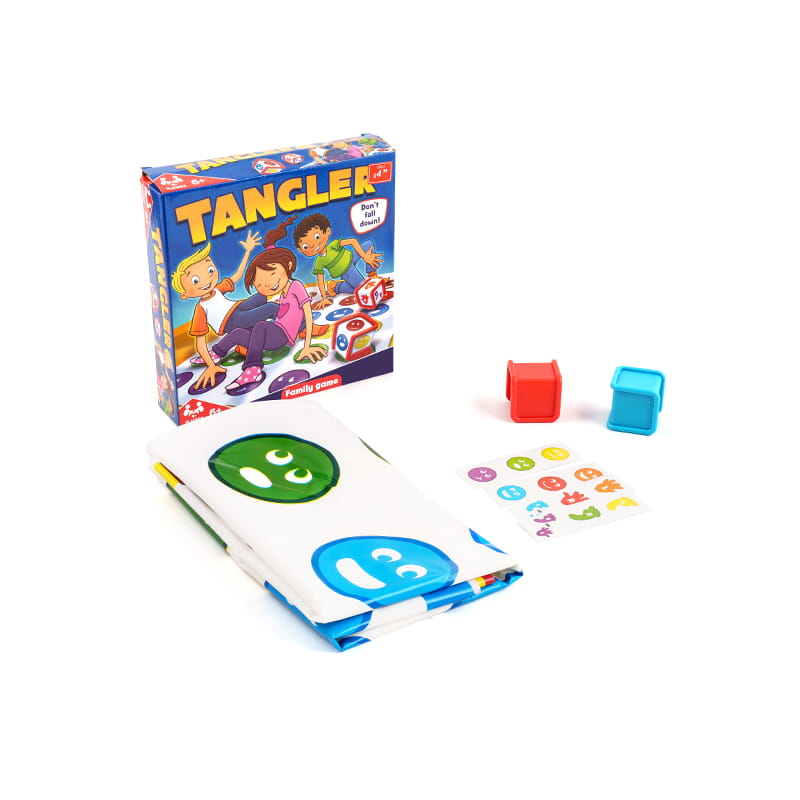
Plastic Tangler Game Set
TANGLER is a fun and challenging board game that requires players to use their hands and feet to meet conditions. During the game, players need to mov...
View More -
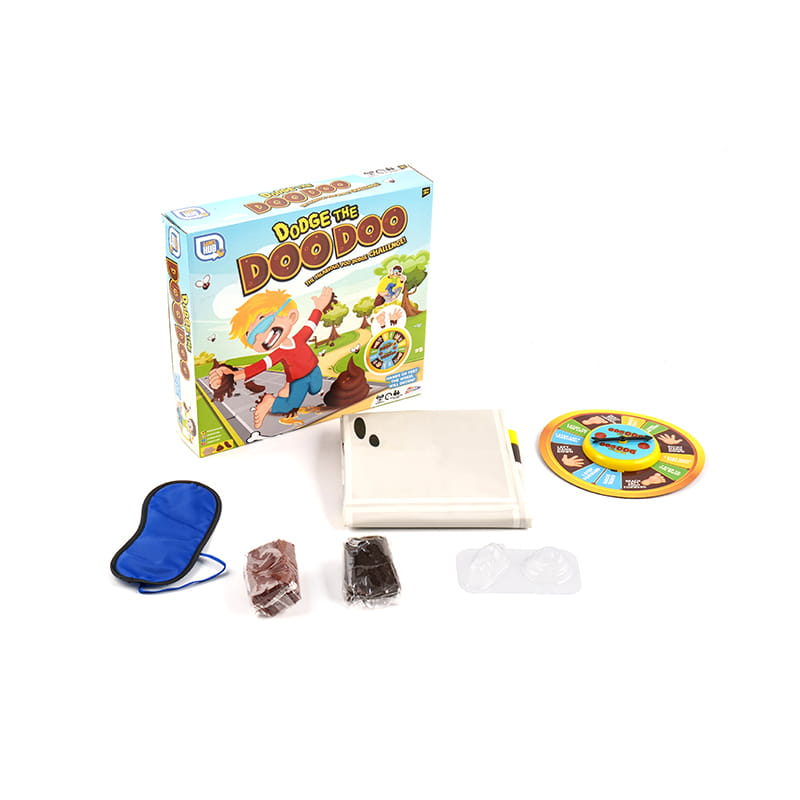
Dodge The Doggy Doo Game Set
Dodge The Doggy Doo is a fun and challenging game for kids. Children need to put on a blue blindfold and walk blindfolded to complete the tasks on the...
View More -
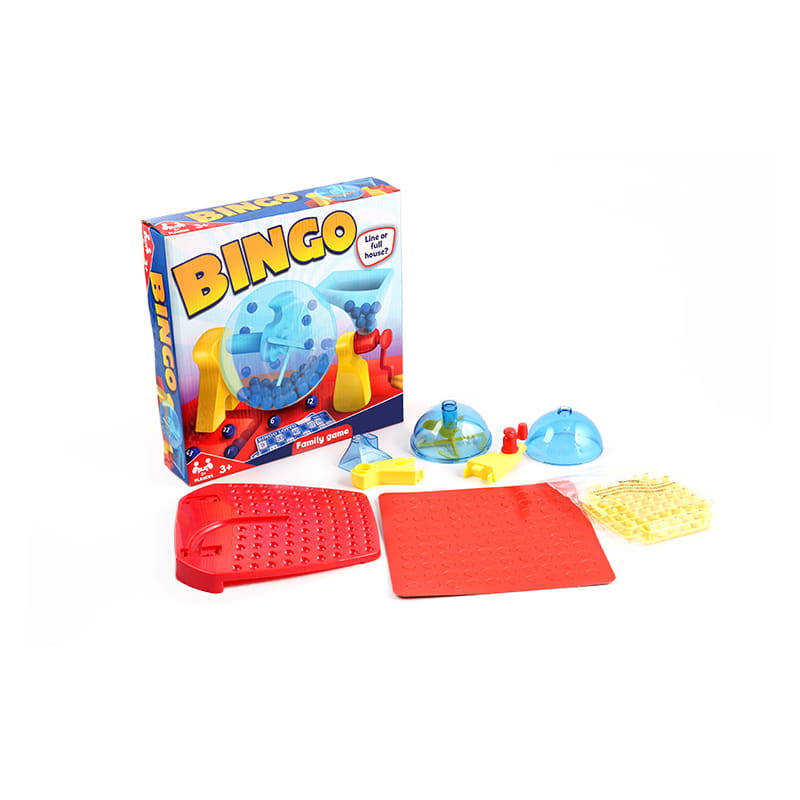
Plastic Bingo Game Set
Bingo Game is an entertaining game full of fun and surprises. It contains a beautiful shaker with a sleek design and bright colors that will catch eve...
View More -
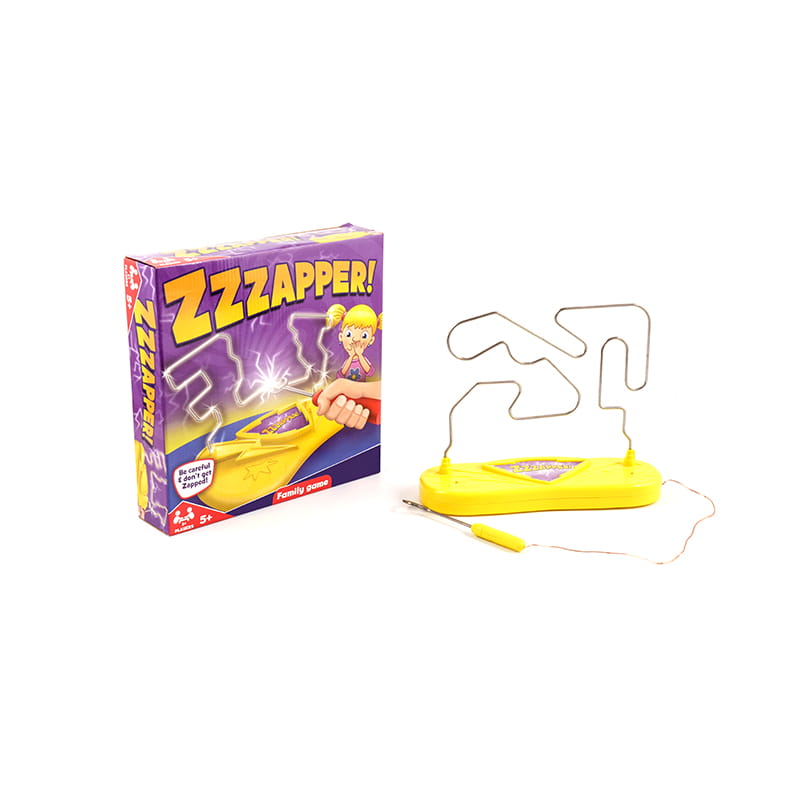
Plastic Beware Of Electrocution Game Toy
Beware of Electrocution Game is a unique family game designed to test players' concentration and balance. The game consists of a purple game box and a...
View More -
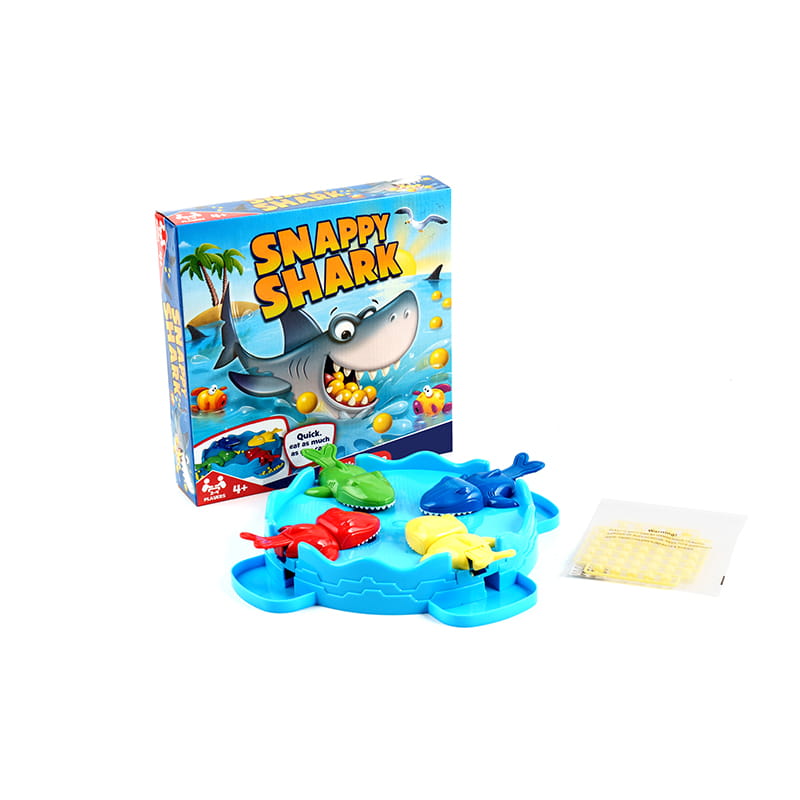
Plastic Shark Eat Beads Game Toy
Shark Eat Beads is a four-player interactive game with a “Snappy Shark” theme, where players need to quickly maneuver their sharks to eat as many ...
View More -
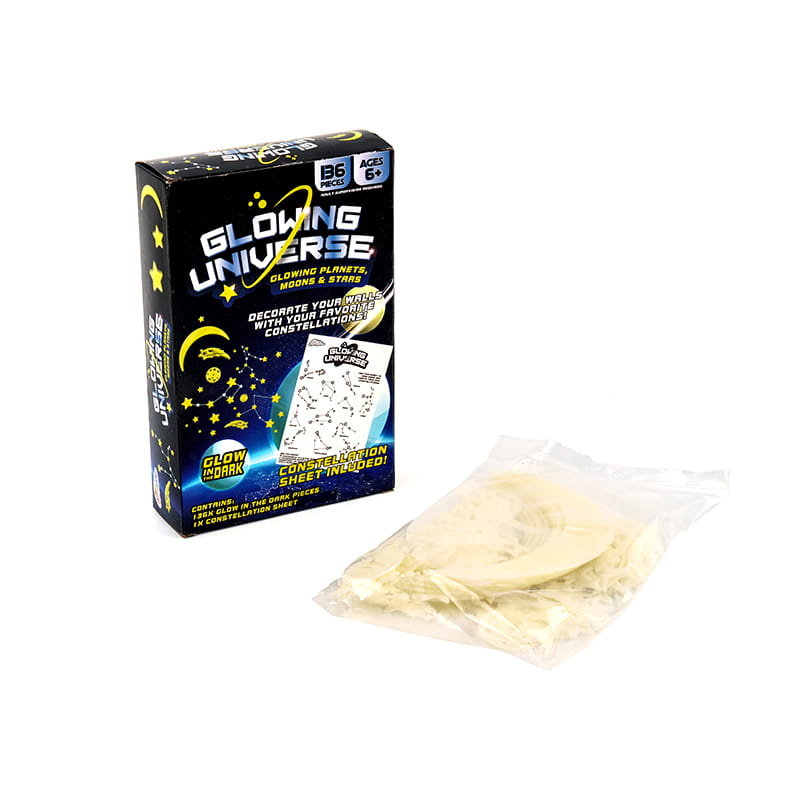
Luminous Star Patch
Luminous Starry Night Patch is a creative decoration. It contains a variety of cosmic elements, such as planets and stars, etc. It is made of special ...
View More -
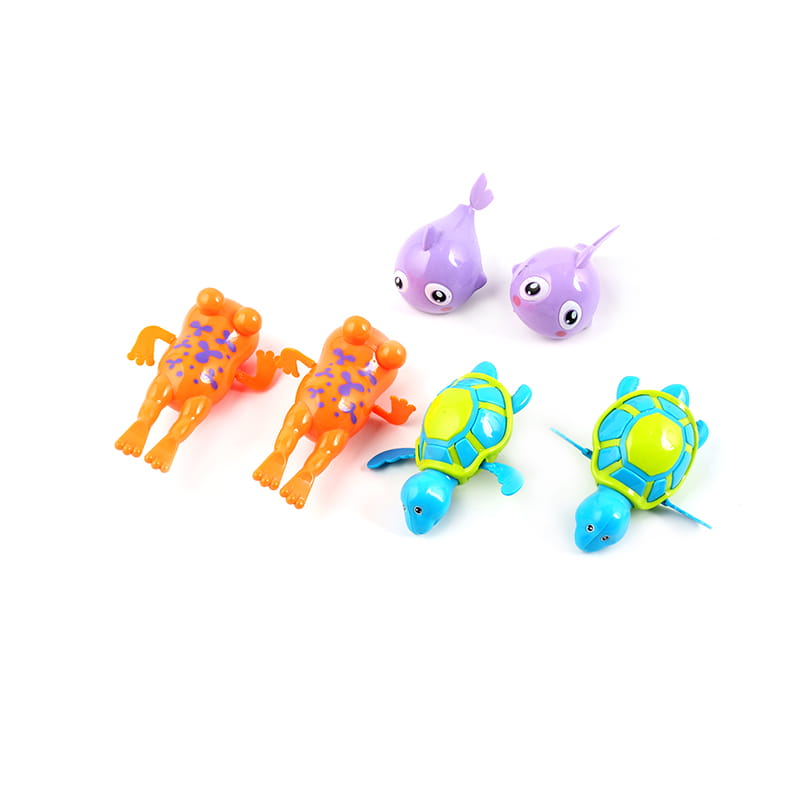
Plastic Uplink Animal Toy
The Uplink Animal Toy is a soothing toy set designed for baby showers. The set contains brightly colored and simply designed plastic toys such as an o...
View More -
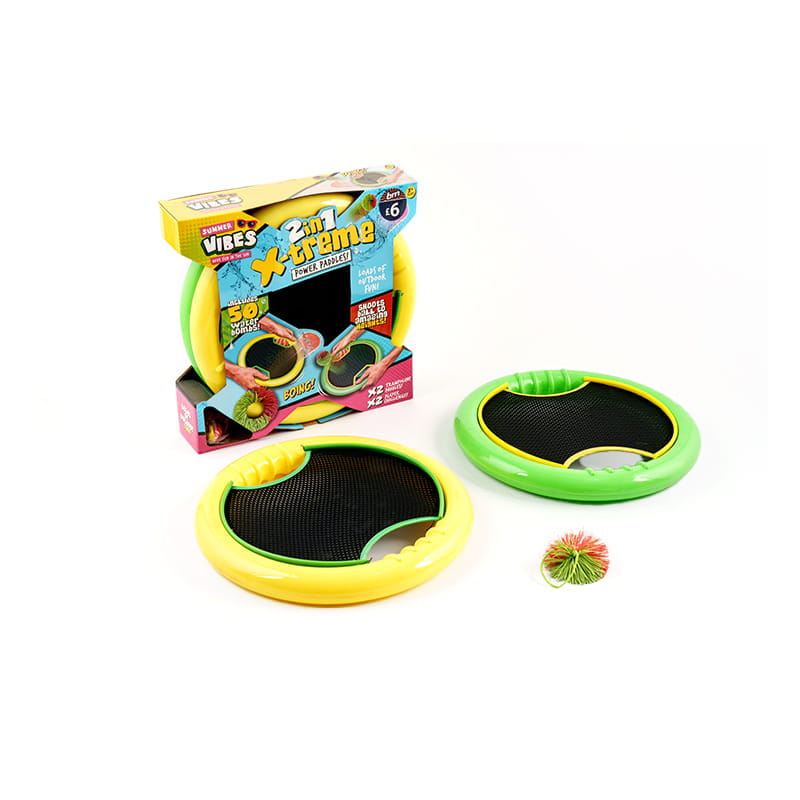
Beat About The Bush Toy Set
Clap Circle is a fun toy designed for children, containing 2 clappers and 1 colorful ball. This toy can be played alone to work on hand-eye coordinati...
View More

Copyright © Yuyao Leda Crafts Co., Ltd. All Rights
Reserved.

Children's Toys Factory
Children's Toys Manufacturer
Information
-
 Phone: +86-13056880051
 -
 fax: +86-574-62750718
 -
 E-mail:[email protected]
 -
 Add:Zhushan Village, Lizhou Street, Yuyao City, Ningbo, Zhejiang Province, China
Toys
Links
Contact Us