

 English
 English
 中文简体
中文简体- Type:
- Industry News
- Date
- 2026-Jul-15
Industry News
What Makes DIY Sand and Tie-Dye Kits Great for Kids?
Content
- 1 Understanding the DIY Toys Category: Sand, Tie-Dye, and Chalk
- 2 Comparing Play Formats by Purpose
- 3 How Colored Sand Kits Support Sensory and Fine Motor Development
- 4 Tie-Dye Kits and Creative Color Exploration
- 5 Chalk Activities for Outdoor and Group Engagement
- 6 Seasonal and Situational Use Patterns
- 7 Product Highlights: Colored Sand, Scene, and Sand Bottle DIY Kits
- 8 Practical Guide: Organizing a DIY Craft Session
- 9 About Yuyao Leda Craft Co., Ltd.
- 10 Frequently Asked Questions
DIY toys such as colored sand kits, tie-dye sets, and chalk activities work well for children's creative play because they combine open-ended construction, color exploration, and hands-on sensory input in a single, low-pressure activity. Unlike toys with a single fixed outcome, these kits let a child shape, mix, decorate, and rebuild the same materials many times, which keeps engagement steady over repeated play sessions. The sections below look at how each format functions, what design details matter for parents and buyers, and how a manufacturer can support consistent play value across a product line. Practical comparisons, simple charts, and a short product overview are included so the information can be used directly in sourcing or content planning.
Understanding the DIY Toys Category: Sand, Tie-Dye, and Chalk
The term DIY toys covers a broad group of products that ask a child to build, decorate, or assemble something rather than simply operate a finished item. Within this category, three formats are especially common in the current market: colored sand kits, tie-dye kits, and chalk sets. Each uses a different primary material, but all three share a "make it yourself" structure that rewards patience and repeated handling. Colored sand kits typically include molds, tools, and pre-tinted sand that a child presses, layers, or shapes into a scene or bottle design. Tie-dye kits generally involve fabric, dye packets, and folding or twisting techniques that produce a unique pattern with each attempt.
Chalk activities, by contrast, are usually oriented toward outdoor or floor-based drawing, and they tend to support group participation more easily than single-user kits. Because these three formats appeal to slightly different play styles, a product line that offers all three can reach a wider range of ages and preferences without duplicating the same play mechanic. This is one reason many toy assortments group colored sand, tie-dye, and chalk items together under a shared "creative play" or "DIY toys" positioning.
Comparing Play Formats by Purpose
Before choosing which DIY format suits a given age group or setting, it helps to compare them side by side. The table below summarizes typical characteristics based on common product design patterns observed across colored sand, tie-dye, and chalk items; it is a general comparison rather than a measurement of any single product.
| Format | Typical Setting | Primary Skill Focus | Group Friendly |
|---|---|---|---|
| Colored Sand Kits | Table, indoor tray | Fine motor, layering | Moderate |
| Tie-Dye Kits | Kitchen, outdoor table | Color mixing, patterning | High |
| Chalk Sets | Driveway, playground | Gross motor, group drawing | High |
To make the comparison easier to read at a glance, the horizontal bar chart below sets out four general play attributes on a simple 1-to-10 relative scale. The scale is illustrative and is meant to describe common design tendencies rather than exact measured data for any specific product. Colored sand kits tend to score higher on sensory engagement because the tactile handling of the material is central to the activity. Tie-dye kits tend to score well on color exploration since mixing and blending dye is the main creative step. Chalk sets generally score higher on group play suitability because several children can draw on the same surface at once without needing separate kits.
How Colored Sand Kits Support Sensory and Fine Motor Development
Occupational therapists and early childhood educators commonly note that sensory materials such as sand, dough, and molding compounds give children a low-stakes way to practice hand strength, pinch grip, and controlled pressure. When a child scoops colored sand into a mold, presses it firmly, and then releases the shape, the hand is performing a small sequence of coordinated movements that supports fine motor control. This is a widely referenced principle in early childhood development literature, though the exact benefit varies by child and by how the activity is guided. A well-designed colored sand kit, such as a multi-color set with molds, tools, and a containment tray, gives a child repeated opportunities to practice this sequence in one sitting.
Where the Time Typically Goes in a Play Session
To show how a typical colored sand play session is generally structured, the donut chart below breaks a session into four common stages: setup, active shaping, decorating or combining colors, and cleanup. This breakdown is a general estimate meant to help buyers and content planners understand where engagement is concentrated, not a precise timing study of any single product. The largest portion of time is usually spent on active shaping, since this is the core activity the child returns to repeatedly. Decorating and color combining is the second largest segment because children often revisit their work to add more layers or colors. Setup and cleanup together make up a smaller portion, and kits that include a contained tray, such as the sample set shown later in this article, tend to shorten the cleanup portion in particular.
Tie-Dye Kits and Creative Color Exploration
Tie-dye activities ask a child to fold, twist, or bind fabric before applying dye, and the final pattern only becomes visible once the fabric is unfolded. This delayed result is part of what makes tie-dye engaging: the child makes a series of decisions about folding and color placement without seeing the full outcome until the end, which supports planning and prediction skills alongside color recognition. A tie-dye kit that includes pre-measured dye packets and simple folding instructions can make the process manageable for younger children while still leaving room for older children to experiment with more complex folds.
Because tie-dye naturally produces one-of-a-kind results, it also works well as a shared group activity at a birthday party, school event, or summer program, since each participant leaves with a distinct item rather than an identical copy of everyone else's. This group-friendly quality is one reason tie-dye kits are frequently paired with outdoor or classroom activity planning rather than treated as a purely solo pastime.
Chalk Activities for Outdoor and Group Engagement
Sidewalk and driveway chalk sets extend creative play outdoors and typically involve larger arm movements than tabletop crafts, which supports gross motor coordination in addition to color and pattern recognition. Chalk is also one of the easiest DIY materials to share among a group, since multiple children can draw on the same pavement surface simultaneously without needing separate kits or workstations. This makes chalk a practical complement to indoor formats such as colored sand or tie-dye within a broader creative toy assortment.
The radar chart below compares three DIY formats across five general developmental focus areas on an illustrative 1-to-5 scale: fine motor skill, color recognition, gross motor movement, patience or focus, and group interaction. As with the earlier bar chart, these values describe general tendencies of each format rather than a scored evaluation of any specific product. Colored sand and tie-dye kits tend to emphasize fine motor skill and patience, since both require controlled, repeated hand movements over a sustained period. Chalk activities tend to score higher on gross motor movement and group interaction because the format naturally involves larger physical space and shared surfaces. All three formats score reasonably close together on color recognition, since color handling is a central feature of each.
Seasonal and Situational Use Patterns
Creative DIY toys are often purchased and used in bursts tied to school holidays, warm-weather months, or specific occasions such as birthdays. Chalk sets and outdoor sand scenes typically see more use during spring and summer months when children spend more time outside, while indoor kits such as sand bottle DIY sets or tie-dye can be used across a wider part of the year since they do not depend on outdoor space. The area chart below presents an illustrative, general pattern of relative engagement across a calendar year for indoor versus outdoor-leaning DIY toys. It is intended to help with content and merchandising planning rather than to represent measured sales or usage data.
Product Highlights: Colored Sand, Scene, and Sand Bottle DIY Kits
The isometric diagram below outlines the general component structure of a typical colored sand DIY kit: a base tray for containment, multiple sand colors, shaping molds, and small tools. Labeling the parts this way is intended to help buyers quickly understand what a standard kit includes before reviewing the product photos that follow.
Building on this general structure, three representative DIY toys product examples are shown below. The first is a multi-color sand kit built around a compact base and tray, useful for keeping loose sand contained during play. The second pair are pre-shaped sand scene kits, one with a farm theme and one with a dinosaur theme, each including a molded scene base and figures that a child can decorate with colored sand. The third pair are sand bottle DIY kits in star and heart shapes, where a child layers colored sand inside a clear bottle to build a striped, ornamental pattern.
Multi-color sand kit with tray, molds, and shaping tools for tabletop play.
Farm and dinosaur themed sand scene kits, each with a molded base and figures.
Star and heart shaped sand bottle DIY kits with layered colored sand packets.
Material Safety and Quality Considerations
When evaluating any DIY toy intended for children, buyers commonly look at a short list of practical factors: the size of small components relative to the recommended age range, whether the sand or dye materials are labeled non-toxic, how securely a containment tray or packaging closes, and whether instructions are clear enough for independent or lightly supervised use. Kits that include a molded tray, as with the compact sand set shown above, help limit spillage and make cleanup more predictable, which is a practical consideration for households and classrooms alike.
- Check that sand, dye, or chalk materials are labeled for the intended age group.
- Look for a containment tray or resealable packaging to reduce mess.
- Confirm that molds and tools have rounded edges suitable for small hands.
- Review whether instructions are illustrated for children who cannot yet read fluently.
Practical Guide: Organizing a DIY Craft Session
Setting up a successful DIY sand, tie-dye, or chalk session generally follows a similar sequence regardless of the specific format. The steps below outline a general approach that works for home use, classroom activities, or party settings.
- Choose a contained surface, such as a tray, table cover, or outdoor pavement area, depending on the kit type.
- Lay out color packets or dye stations in a fixed order so children can move through the activity smoothly.
- Introduce the shaping or folding technique with a short demonstration before children begin independently.
- Allow time for the decorating or layering stage, which is usually the longest and most engaging part of the session.
- Set aside a short, defined cleanup period so the activity has a clear end point.
About Yuyao Leda Craft Co., Ltd.
Yuyao Leda Craft Co., Ltd. was established in 2011 and is located by the beautiful and fertile Hangzhou Bay, adjacent to the Hushu Ningbo Cross-Sea Bridge. With convenient transportation, developed logistics, and a complete industrial supply chain, it is an integrated manufacturing and trading enterprise that combines design, research and development, production, and sales. The company is dedicated to developing products such as children's hula hoops, stress relief toys, DIY toys, board games, and outdoor interactive games for summer.
The company adheres to the business philosophy of "Customer First, Diligent Progress" and insists on the principle of "Customer First" to provide high-quality services to a wide range of customers. Since its establishment, the company's products have been continuously exported to international markets, including Europe and the United States, and have been well received by numerous customers. The company is continually growing and expanding. We welcome more friends to visit and establish long-term cooperative relationships.
Frequently Asked Questions
Q1: What age group are colored sand DIY kits generally suitable for?
Most colored sand kits with molds and trays are designed for early to middle childhood, though the exact recommended age is listed on individual packaging and should be reviewed before use.
Q2: Can tie-dye kits be used indoors?
Yes, tie-dye activities can be set up indoors on a covered table, though some households prefer an outdoor or easily washable surface to simplify cleanup.
Q3: Are chalk sets only for outdoor use?
Chalk is most commonly used outdoors on pavement or driveways, but some chalkboard-style surfaces allow indoor use as well, depending on the product design.
Q4: How should colored sand be stored between play sessions?
Sand packets and containment trays are generally best kept sealed or covered when not in use, which helps keep the material dry and ready for the next session.
Q5: Can sand bottle DIY kits be given as gifts?
Sand bottle kits, such as the star and heart shaped sets, are commonly used as party favors or small gifts since the finished bottle can be displayed after completion.
Related Products
-
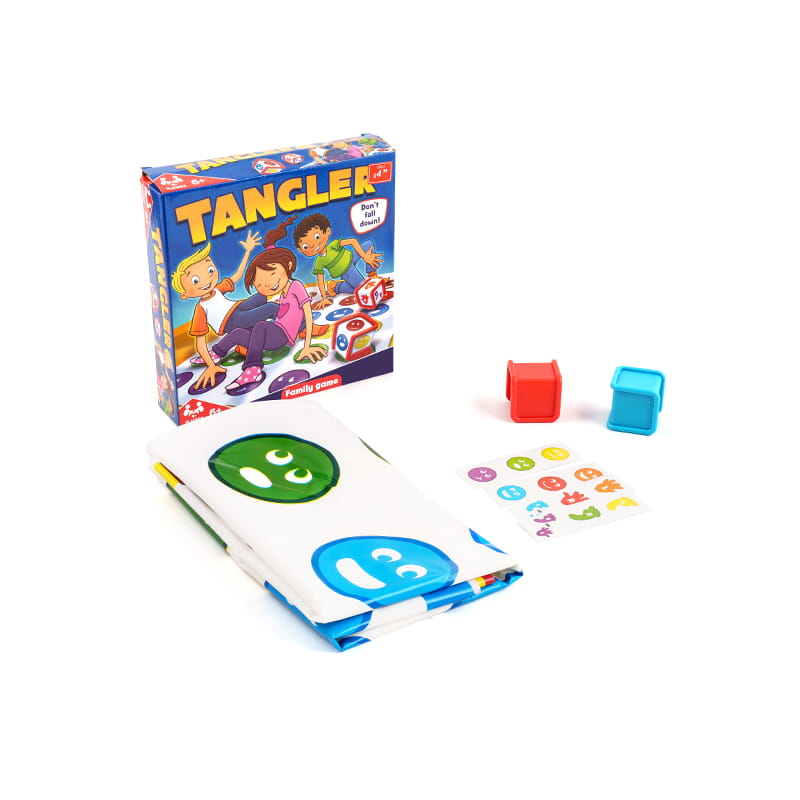
Plastic Tangler Game Set
TANGLER is a fun and challenging board game that requires players to use their hands and feet to meet conditions. During the game, players need to mov...
View More -
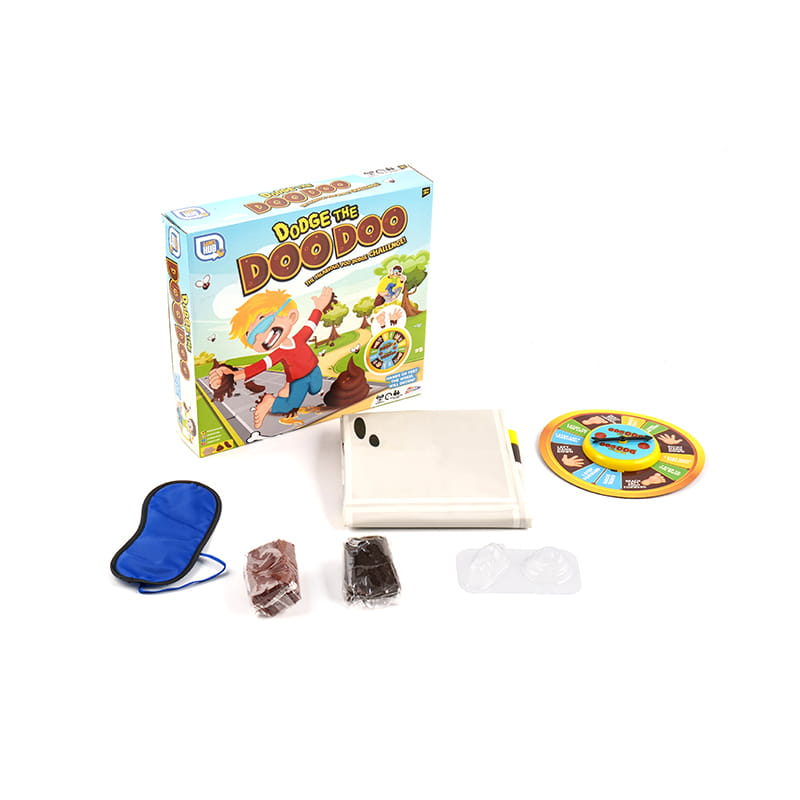
Dodge The Doggy Doo Game Set
Dodge The Doggy Doo is a fun and challenging game for kids. Children need to put on a blue blindfold and walk blindfolded to complete the tasks on the...
View More -
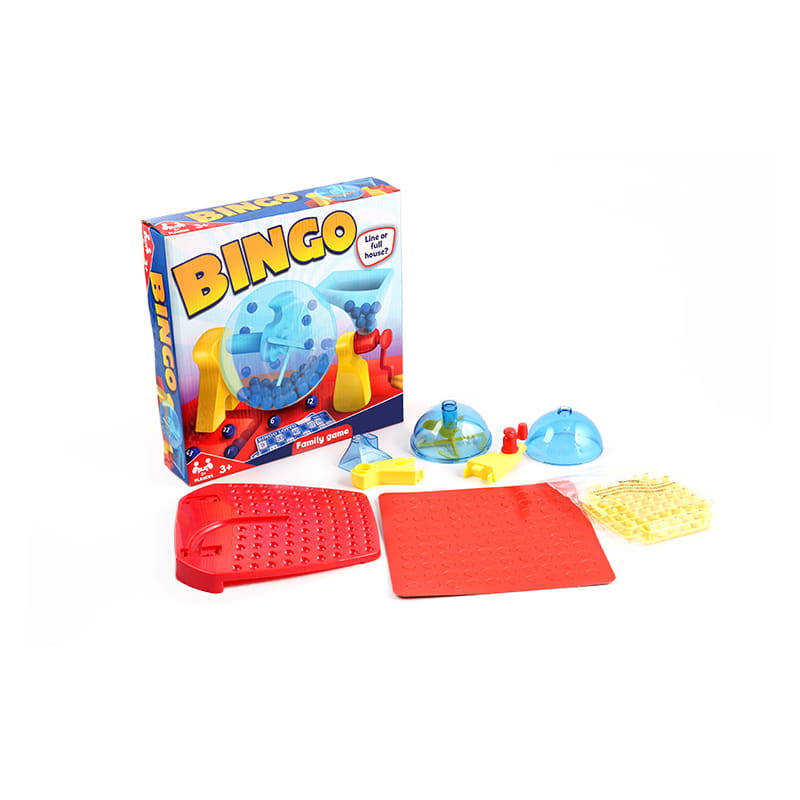
Plastic Bingo Game Set
Bingo Game is an entertaining game full of fun and surprises. It contains a beautiful shaker with a sleek design and bright colors that will catch eve...
View More -
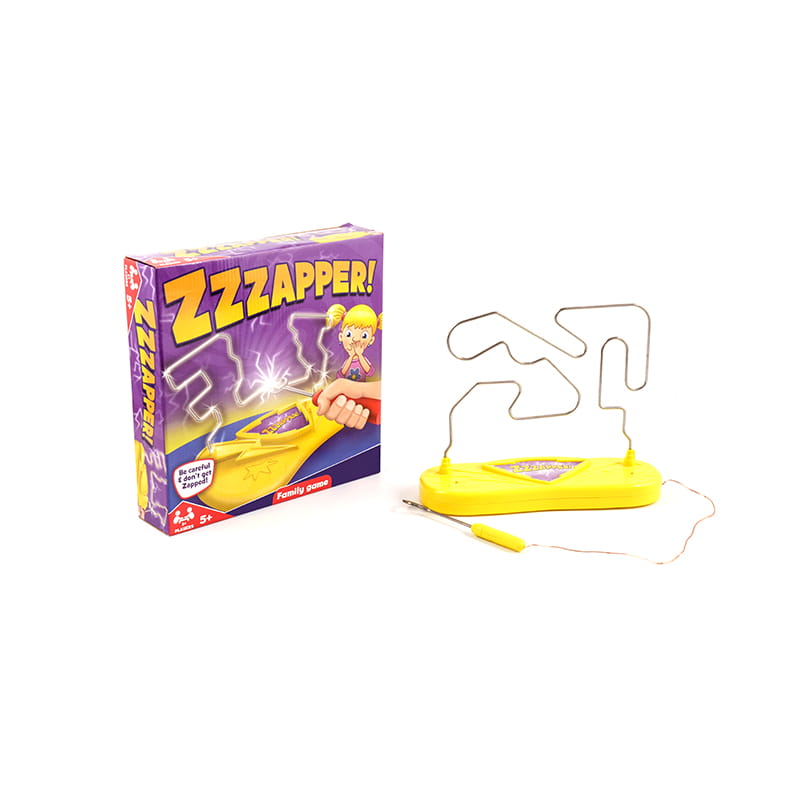
Plastic Beware Of Electrocution Game Toy
Beware of Electrocution Game is a unique family game designed to test players' concentration and balance. The game consists of a purple game box and a...
View More -
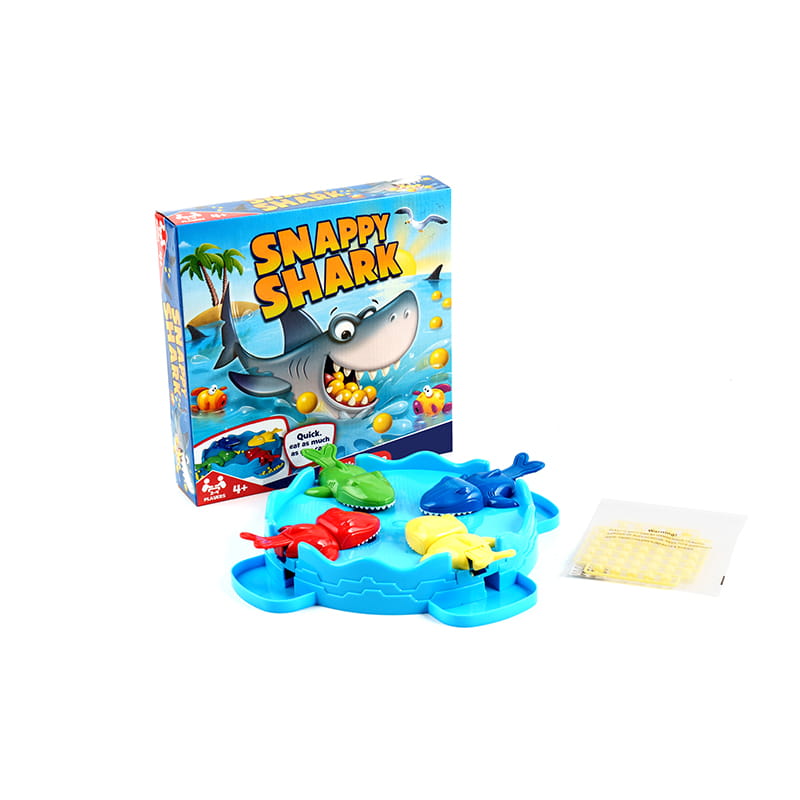
Plastic Shark Eat Beads Game Toy
Shark Eat Beads is a four-player interactive game with a “Snappy Shark” theme, where players need to quickly maneuver their sharks to eat as many ...
View More -
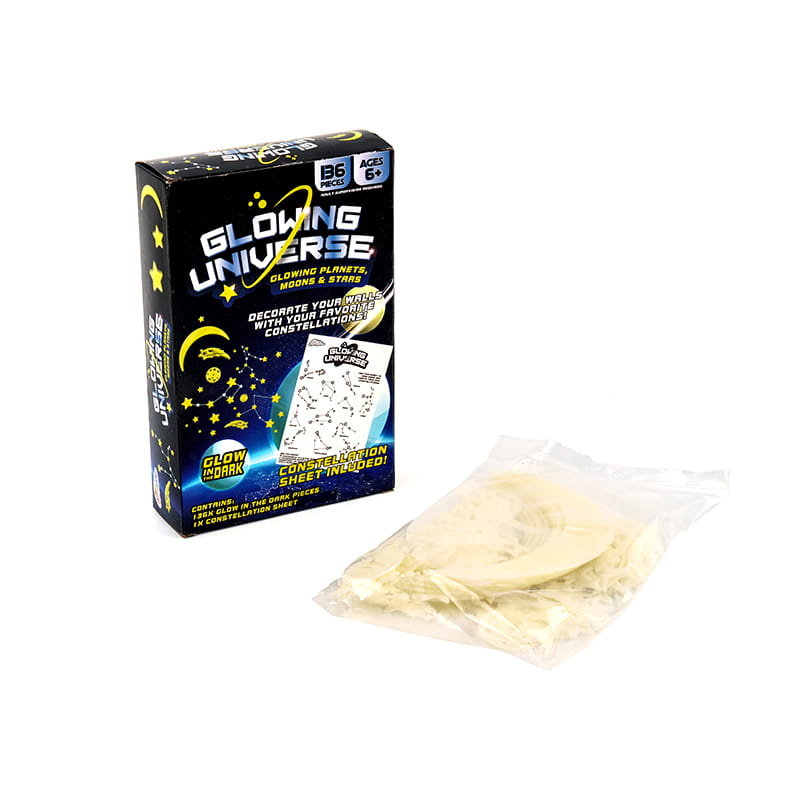
Luminous Star Patch
Luminous Starry Night Patch is a creative decoration. It contains a variety of cosmic elements, such as planets and stars, etc. It is made of special ...
View More -
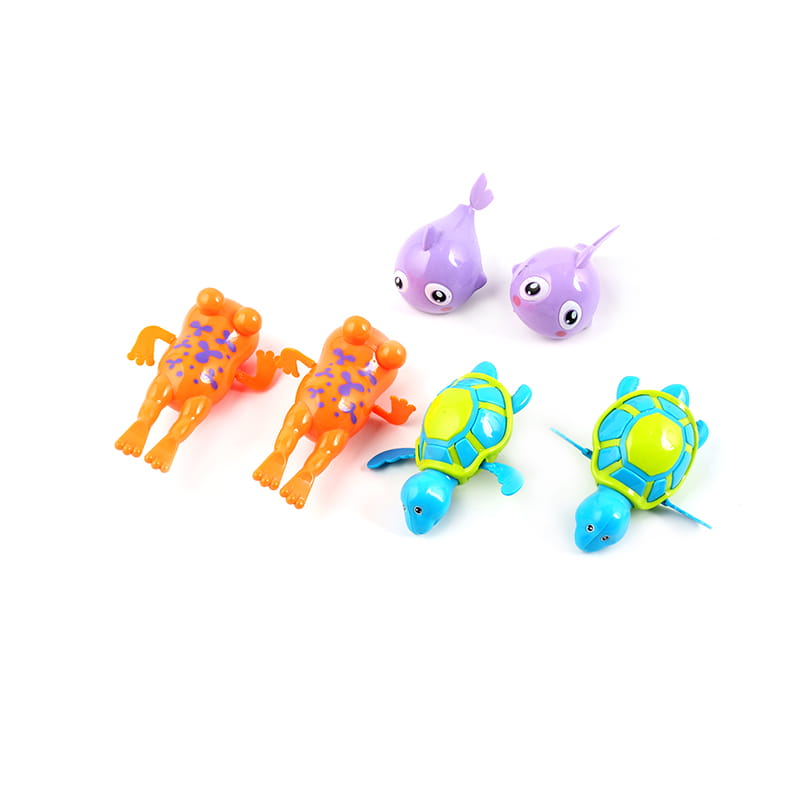
Plastic Uplink Animal Toy
The Uplink Animal Toy is a soothing toy set designed for baby showers. The set contains brightly colored and simply designed plastic toys such as an o...
View More -
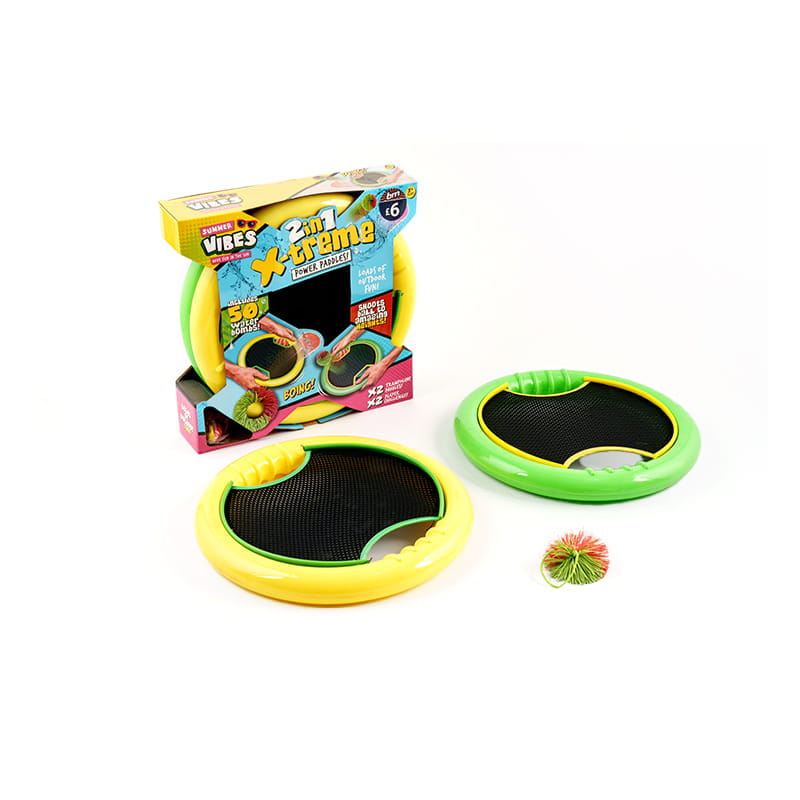
Beat About The Bush Toy Set
Clap Circle is a fun toy designed for children, containing 2 clappers and 1 colorful ball. This toy can be played alone to work on hand-eye coordinati...
View More

Copyright © Yuyao Leda Crafts Co., Ltd. All Rights
Reserved.

Children's Toys Factory
Children's Toys Manufacturer
Information
-
 Phone: +86-13056880051
 -
 fax: +86-574-62750718
 -
 E-mail:[email protected]
 -
 Add:Zhushan Village, Lizhou Street, Yuyao City, Ningbo, Zhejiang Province, China
Toys
Links
Contact Us