

 English
 English
 中文简体
中文简体- Type:
- Industry News
- Date
- 2026-May-01
Industry News
What are the benefits of hula hooping for children?
Content
- 1 Key Answers for Parents
- 2 Benefits of Hula Hooping for Children
- 3 What Age Is Suitable for Children to Play with Hula Hoops?
- 4 How Long Should Children Play with Hula Hoops Each Day?
- 5 Which Body Parts Does a Hula Hoop Exercise?
- 6 Does Playing with Hula Hoops Help Prevent Childhood Obesity?
- 7 FAQ: Common Questions About Hula Hoops for Children
- 7.1 Can very young toddlers use hula hoops?
- 7.2 Are weighted hula hoops safe for kids?
- 7.3 What if my child cannot keep the hoop spinning?
- 7.4 How do I choose the right size hula hoop?
- 7.5 Can hula hooping replace other forms of exercise?
- 7.6 Is hula hooping safe for children with coordination difficulties?
Key Answers for Parents
Hula hooping is a safe, effective, and enjoyable exercise for children aged 3 and up. It strengthens core muscles, improves coordination, and burns approximately 3–7 calories per minute depending on intensity. Children should start with 10–15 minutes daily, gradually increasing to 20–30 minutes. Regular practice significantly supports healthy weight management and helps prevent childhood obesity when combined with a balanced diet.
Benefits of Hula Hooping for Children
Hula hooping delivers substantial developmental and physical benefits that extend far beyond simple play. Research from early childhood education studies demonstrates that regular hula hoop activity develops psychomotor skills including balance, coordination, agility, speed, and flexibility.
Core Strength and Stability
The continuous circular motion required to keep the hoop spinning engages the entire core muscle group. Children develop strength in the abdominals, obliques, and lower back muscles, which are essential for good posture and overall physical stability. A strong core also supports performance in other sports and daily activities.
Cardiovascular Health
According to the American Council on Exercise, hula hooping elevates heart rate to approximately 84% of predicted maximum heart rate, making it an effective aerobic exercise comparable to kickboxing or boot camp classes. For children, this means improved heart health and endurance in a fun, low-impact format.
Motor Skills and Coordination Development
Hula hooping requires precise timing, hand-eye coordination, and body control. Studies show it enhances bilateral coordination (using both sides of the body together), spatial awareness, and proprioception—the body's ability to sense its position in space.These foundational skills support future athletic and academic success.
Mental Health and Focus
The rhythmic, repetitive nature of hula hooping has a meditative quality that helps reduce stress and anxiety. For hyperactive children, the focused attention required to maintain the hoop's motion provides a productive outlet for excess energy while improving concentration and discipline.
Social and Emotional Growth
When practiced in groups, hula hooping promotes teamwork, communication, and friendly competition. Children learn turn-taking, cooperation, and build self-esteem as they master new skills and receive peer recognition.
What Age Is Suitable for Children to Play with Hula Hoops?
Children can begin interacting with hula hoops as early as age 3, though the type of activity and equipment should match their developmental stage. Toddlers aged 1–3 can enjoy rolling hoops or dancing with them, while structured waist hooping typically becomes feasible around ages 3–5.
| Age Group | Recommended Diameter | Hoop Type | Activity Focus |
|---|---|---|---|
| 3–5 years | 24–32 inches (60–80 cm) | Lightweight plastic | Rolling, games, basic waist spinning |
| 6–9 years | 28–32 inches (70–85 cm) | Standard dance hoop | Waist hooping, arm tricks, coordination games |
| 10–12 years | 32–36 inches (80–90 cm) | Fitness or weighted hoop (light) | Extended sessions, skill combinations, fitness routines |
| Teens (13+) | 36–40 inches (90–100 cm) | Adult fitness hoop | Full workouts, dance, advanced techniques |
Safety note: Weighted fitness hoops designed for adults (typically 1.5–3+ lbs) are generally not recommended for children under 10 due to risk of bruising, muscle strain, and frustration from difficulty controlling heavier equipment. [^203^] Always select hoops made from non-toxic, soft materials with smooth, burr-free edges.
How Long Should Children Play with Hula Hoops Each Day?
For children, consistency matters more than duration. Starting with manageable sessions prevents fatigue and maintains enthusiasm while building endurance gradually.
Recommended Daily Duration by Age
- Ages 3–5: 5–10 minutes per session, 1–2 sessions daily
- Ages 6–9: 10–20 minutes daily, which can be split into two shorter sessions
- Ages 10–12: 15–30 minutes daily for fitness-focused practice
- Teens: 20–30 minutes daily, comparable to adult beginner routines
Research indicates that just 12–13 minutes of daily hula hooping can produce measurable improvements in core muscle mass and waist circumference over a six-week period. [^179^] For children, 15–20 minutes of daily hula hooping can contribute significantly to meeting recommended physical activity guidelines while burning approximately 90–140 calories in a 20-minute session depending on body weight and intensity.
Progressive Training Tips
Beginners should start with 5-minute sessions and add 2–3 minutes every few days as stamina improves. It is better to have multiple short, enjoyable sessions than one long, forced workout that creates resistance. Always include a brief warm-up (arm circles, gentle stretches) before hooping and encourage hydration breaks during longer sessions.
Which Body Parts Does a Hula Hoop Exercise?
Hula hooping is a true full-body workout that engages multiple muscle groups simultaneously. While the core receives the most attention, the benefits extend throughout the entire body.
Primary Muscle Groups Targeted
- Abdominal muscles: The rectus abdominis and obliques work continuously to maintain the hoop's circular motion around the waist.
- Lower back muscles: The erector spinae muscles stabilize the spine and maintain upright posture during rotation.
- Hip and gluteal muscles: The rhythmic hip movements activate the gluteus medius, gluteus maximus, and hip flexors.
- Thigh and leg muscles: Quadriceps, hamstrings, and calf muscles engage to maintain balance and provide the rocking motion needed to sustain momentum.
- Pelvic floor muscles: The dynamic stabilization required during hooping gently engages these deep core muscles.
Secondary Benefits for Arms and Shoulders
When children perform arm hooping or hold the hoop for exercises like standing twists and arm circles, the shoulders, biceps, and triceps receive significant toning benefits. These movements enhance upper body strength and improve overall body awareness.
Joint Flexibility and Balance
The gentle, rhythmic motion of hula hooping improves joint flexibility in the spine, hips, and knees while being low-impact enough to avoid stress on developing joints. The constant micro-adjustments required to keep the hoop spinning train proprioception and improve overall balance—skills that help prevent falls and injuries in daily activities.
Does Playing with Hula Hoops Help Prevent Childhood Obesity?
Yes, hula hooping is an effective tool for preventing and managing childhood obesity when incorporated as part of a comprehensive healthy lifestyle. Its combination of calorie burning, muscle building, and cardiovascular conditioning makes it particularly valuable for weight management in children.
Calorie-Burning Effectiveness
Hula hooping burns approximately 210 calories in 30 minutes for adults according to American Council on Exercise research, placing it on par with boot camp and kickboxing workouts.For children, whose metabolic rates are naturally higher, the calorie burn per minute can be even more significant relative to body size. A child weighing 50–70 lbs can expect to burn roughly 100–150 calories in a 20-minute session, making it an efficient exercise for weight management.
Research on Waist Circumference and Fat Reduction
A 2019 study published in Obesity Facts found that participants who hula hooped for just 12.8 minutes daily over six weeks experienced significant reductions in abdominal fat and waist circumference compared to a walking group.The hula hooping group lost an average of 3 cm around the waist versus just 1 cm for walkers, while also gaining trunk muscle mass.These findings suggest hula hooping is particularly effective at targeting core fat while building muscle.
Sustainability and Adherence
One of the biggest challenges in preventing childhood obesity is finding exercises that children actually enjoy and will stick with long-term. Hula hooping feels like play rather than structured exercise, leading to higher adherence rates compared to traditional workouts. When children view physical activity as fun, they are more likely to engage voluntarily and develop lifelong healthy habits.
Metabolic Benefits Beyond Calorie Burn
Building muscle mass through hula hooping increases resting metabolic rate, meaning children burn more calories even when not actively exercising. Additionally, as an aerobic activity, hula hooping improves the body's ability to absorb glucose and use insulin effectively, which helps regulate blood sugar and reduces risk factors associated with obesity-related conditions like type 2 diabetes.
FAQ: Common Questions About Hula Hoops for Children
Can very young toddlers use hula hoops?
Children as young as 1–2 years can interact with hula hoops through rolling, crawling through, or dancing alongside them. However, independent waist hooping typically develops around ages 3–5 depending on coordination and physical maturity. Always supervise young children and use soft, lightweight hoops.
Are weighted hula hoops safe for kids?
Standard weighted fitness hoops (1.5+ lbs) are not recommended for children under 10 due to risk of bruising, joint strain, and frustration.If older children want added resistance, choose specially designed light weighted hoops (under 1 lb) and limit session duration.
What if my child cannot keep the hoop spinning?
Start with a larger, lighter hoop as bigger hoops rotate more slowly and are easier to control. Demonstrate the rocking hip motion and consider physically guiding the child's hips initially. Practice for 2–3 minutes at a time to prevent frustration. Most children master basic waist hooping within 1–2 weeks of regular short practice.
How do I choose the right size hula hoop?
The general rule is that when standing the hoop on the ground, it should reach between the child's navel and chest.Larger hoops are easier for beginners because they spin slower. For children ages 3–5, select hoops with 24–28 inch diameters; ages 6–9 benefit from 28–32 inch hoops.
Can hula hooping replace other forms of exercise?
While hula hooping provides excellent cardiovascular and core benefits, children should still engage in varied physical activities including running, jumping, climbing, and ball sports for comprehensive development. Use hula hooping as a fun complement to a diverse active lifestyle rather than a complete replacement.
Is hula hooping safe for children with coordination difficulties?
Yes, hula hooping is often used in occupational therapy and special education settings to improve motor skills in children with developmental delays, autism, and ADHD. The predictable, rhythmic motion provides sensory feedback that can enhance coordination and focus. Start slowly and provide hands-on guidance as needed.
Related Products
-
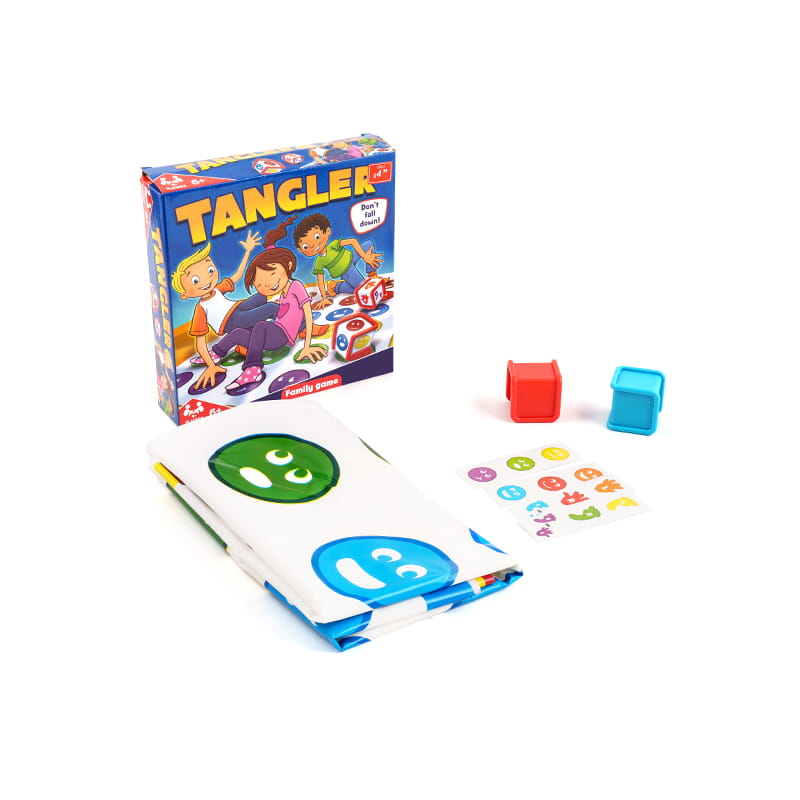
Plastic Tangler Game Set
TANGLER is a fun and challenging board game that requires players to use their hands and feet to meet conditions. During the game, players need to mov...
View More -
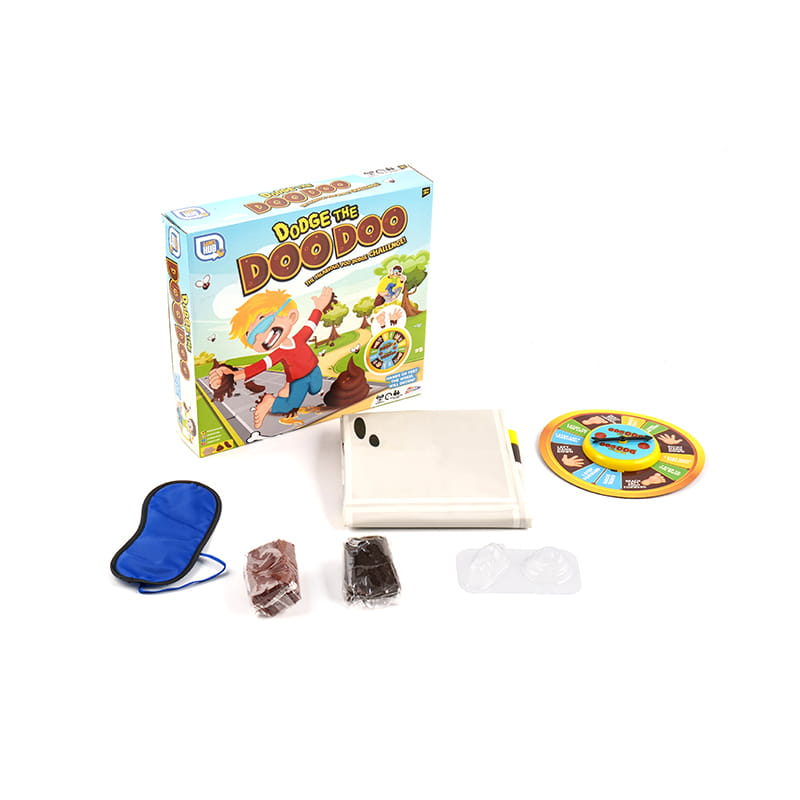
Dodge The Doggy Doo Game Set
Dodge The Doggy Doo is a fun and challenging game for kids. Children need to put on a blue blindfold and walk blindfolded to complete the tasks on the...
View More -
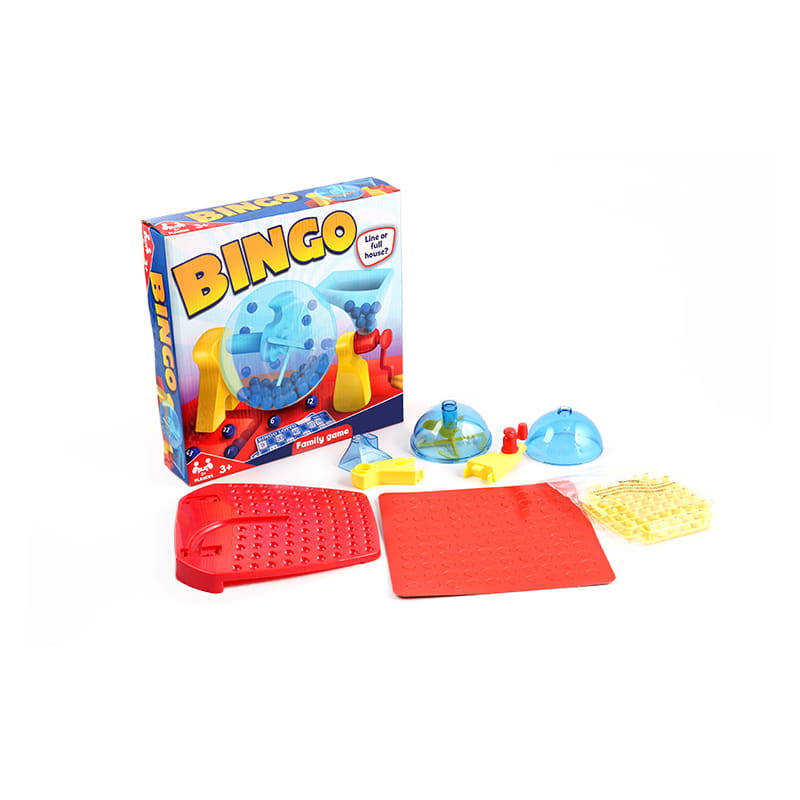
Plastic Bingo Game Set
Bingo Game is an entertaining game full of fun and surprises. It contains a beautiful shaker with a sleek design and bright colors that will catch eve...
View More -
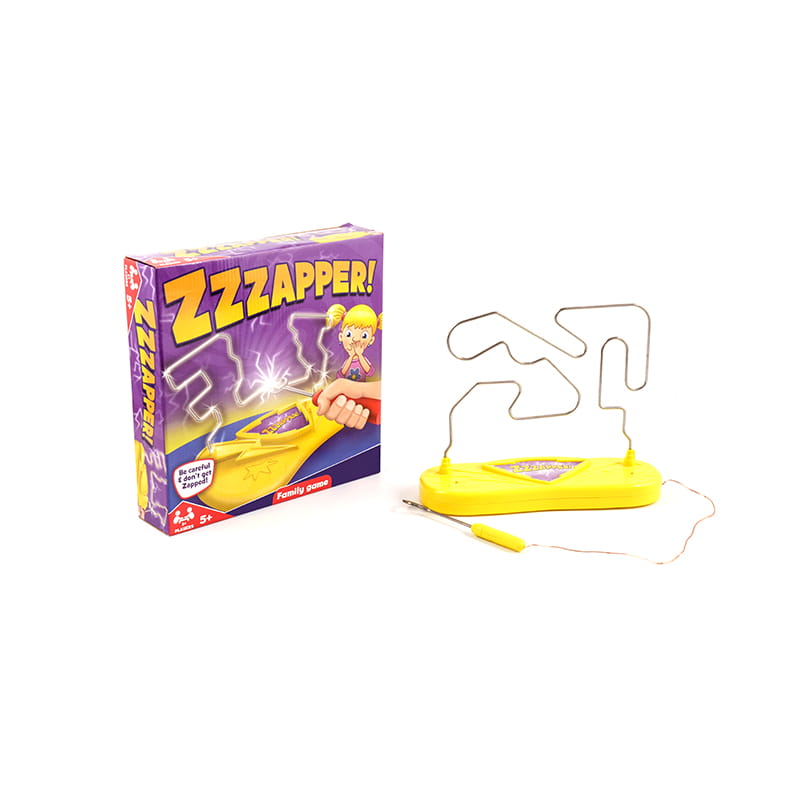
Plastic Beware Of Electrocution Game Toy
Beware of Electrocution Game is a unique family game designed to test players' concentration and balance. The game consists of a purple game box and a...
View More -
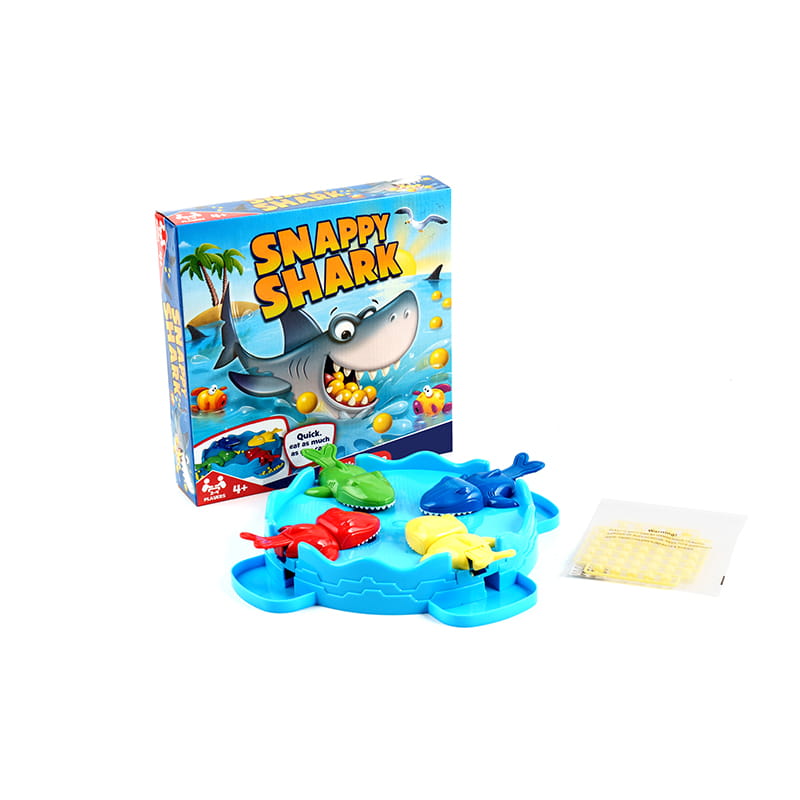
Plastic Shark Eat Beads Game Toy
Shark Eat Beads is a four-player interactive game with a “Snappy Shark” theme, where players need to quickly maneuver their sharks to eat as many ...
View More -
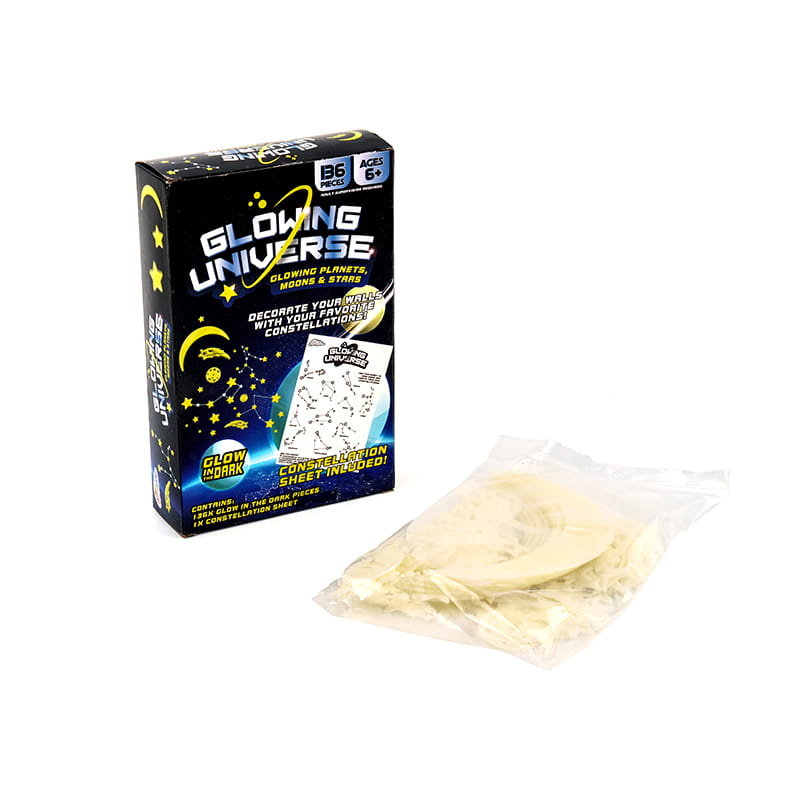
Luminous Star Patch
Luminous Starry Night Patch is a creative decoration. It contains a variety of cosmic elements, such as planets and stars, etc. It is made of special ...
View More -
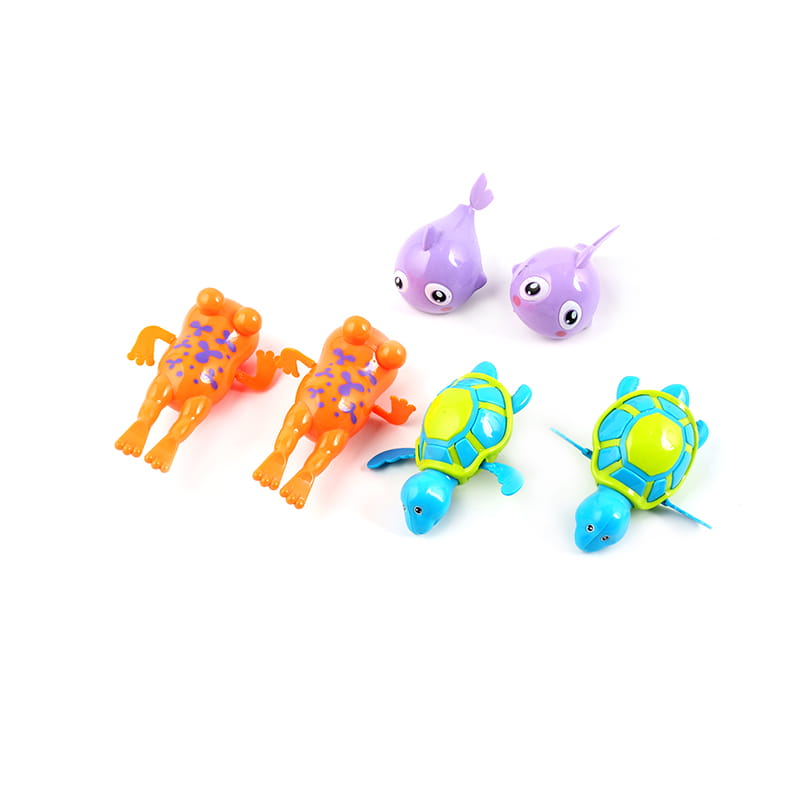
Plastic Uplink Animal Toy
The Uplink Animal Toy is a soothing toy set designed for baby showers. The set contains brightly colored and simply designed plastic toys such as an o...
View More -
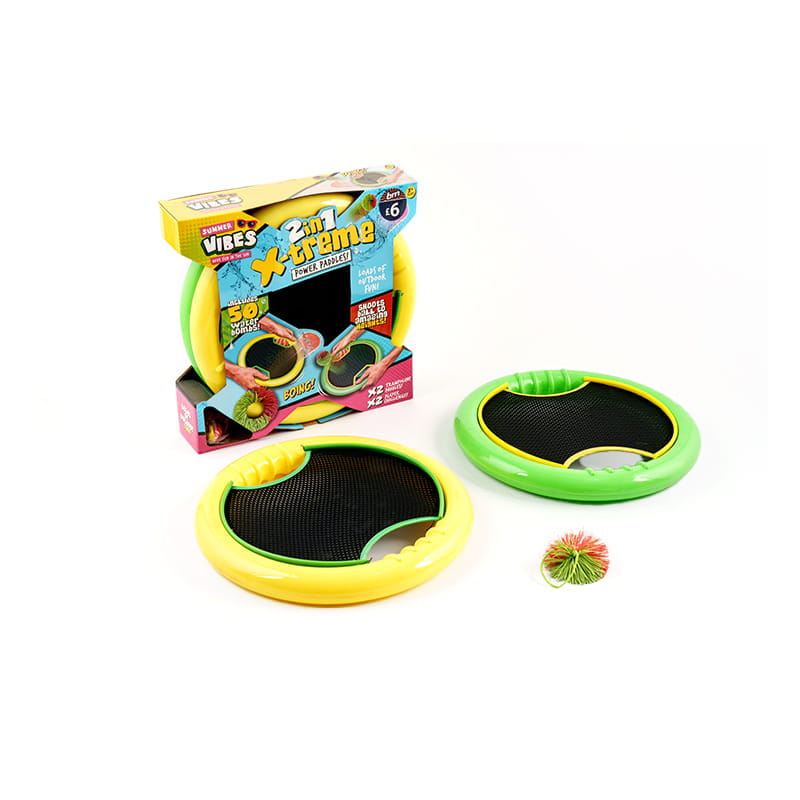
Beat About The Bush Toy Set
Clap Circle is a fun toy designed for children, containing 2 clappers and 1 colorful ball. This toy can be played alone to work on hand-eye coordinati...
View More

Copyright © Yuyao Leda Crafts Co., Ltd. All Rights
Reserved.

Children's Toys Factory
Children's Toys Manufacturer
Information
-
 Phone: +86-13056880051
 -
 fax: +86-574-62750718
 -
 E-mail:[email protected]
 -
 Add:Zhushan Village, Lizhou Street, Yuyao City, Ningbo, Zhejiang Province, China
Toys
Links
Contact Us