

 English
 English
 中文简体
中文简体- Type:
- Industry News
- Date
- 2026-Apr-24
Industry News
What precautions should be taken when children play with hula hoops?
Content
- 1 Quick Answers to Common Questions
- 2 Safety Precautions When Children Play with Hula Hoops
- 3 Hula Hoops as Toys vs. Exercise Equipment: Understanding the Dual Role
- 4 How to Clean and Maintain Plastic Hula Hoops
- 5 Indoor vs. Outdoor Hula Hoop Play: Making the Right Choice
- 6 Group Play: Multiple Children Using Hula Hoops Together
- 7 Frequently Asked Questions About Hula Hoops for Children
- 7.1 At what age can children start using hula hoops?
- 7.2 Can hula hooping cause injuries in children?
- 7.3 How long should children hula hoop per session?
- 7.4 Are weighted hula hoops safe for kids?
- 7.5 Can hula hoops help with a child's physical development?
- 7.6 What is the average cost of a quality children's hula hoop?
- 7.7 How do I teach my child to hula hoop?
Quick Answers to Common Questions
Before diving into details, here are the direct answers to your core questions about hula hoops for children:
- Hula hoops can absolutely be used as toys for children, not just exercise equipment. They serve dual purposes for play and fitness.
- Key safety precautions include: using age-appropriate sizes (28-32 inches diameter for ages 3-5, 32-36 inches for ages 6-10), ensuring 6+ feet of clear space, and adult supervision for children under 8.
- Plastic hula hoops should be wiped with mild soap and water, dried thoroughly, and stored away from direct sunlight to prevent brittleness.
- Both indoor and outdoor play are suitable, but outdoor play is generally preferred due to space requirements and reduced collision risks.
- Multiple children can play together with hula hoops, but structured activities and clear safety rules are essential to prevent accidents.
Safety Precautions When Children Play with Hula Hoops
Hula hooping is generally safe for children, but specific precautions can prevent the most common injuries—bruising, collisions, and sprains. According to the American Academy of Pediatrics, over 25,000 children annually visit emergency rooms for toy-related injuries, many involving active play equipment like hula hoops.
Age-Appropriate Sizing and Weight
The diameter and weight of a hula hoop significantly impact a child's ability to use it safely and effectively. Using an adult-sized hoop (typically 38-42 inches) can frustrate young children and increase the risk of the hoop hitting their face or body with excessive force.
| Age Group | Recommended Diameter | Maximum Weight | Supervision Level |
|---|---|---|---|
| 3-5 years (toddlers/preschool) | 28-32 inches | Under 0.5 lbs (230g) | Constant adult supervision |
| 6-8 years (early elementary) | 32-36 inches | 0.5-0.8 lbs (230-360g) | Intermittent supervision |
| 9-12 years (pre-teen) | 36-38 inches | 0.8-1.2 lbs (360-540g) | Periodic check-ins |
Space and Environment Requirements
A child needs at least 6 feet (1.8 meters) of clear space in all directions when hula hooping. This buffer zone prevents collisions with furniture, walls, and other children. Hard surfaces like concrete increase impact injury risk; grass, carpet, or rubber play mats provide safer landing surfaces if a child stumbles.
Remove tripping hazards such as cords, small toys, or rugs with curled edges before play begins. For outdoor play, inspect the area for rocks, sticks, or holes that could cause falls.
Physical Safety Guidelines
- Children should wear closed-toe shoes to protect feet if the hoop drops.
- Remove necklaces, bracelets, and loose clothing that could snag on the hoop.
- Limit continuous hooping to 10-15 minute intervals for children under 10 to prevent muscle fatigue and dizziness.
- Teach children to stop immediately if they feel pain, dizziness, or shortness of breath.
- Avoid weighted hoops (over 2 lbs) for children; these are designed for adult fitness and can cause bruising or spinal strain in developing bodies.
Hula Hoops as Toys vs. Exercise Equipment: Understanding the Dual Role
Hula hoops function as both toys and exercise equipment, and this dual classification depends entirely on intent, design, and usage context. The distinction matters for safety standards, purchasing decisions, and setting appropriate expectations for children.
When Hula Hoops Are Toys
As toys, hula hoops are used primarily for unstructured play, imaginative games, and social interaction. Lightweight plastic hoops (under 0.5 lbs) with bright colors and decorative tape fall into this category. When used as toys, children might:
- Roll them on the ground like wheels
- Jump through them as targets
- Use them as pretend steering wheels or crowns
- Attempt basic waist hooping for fun rather than fitness goals
Toy hula hoops typically cost $5-$15 and are sold in toy stores, supermarkets, and party supply shops. They prioritize durability for rough handling over performance metrics like rotation speed or calorie burn.
When Hula Hoops Are Exercise Equipment
As exercise equipment, hula hoops are tools for cardiovascular fitness, core strengthening, and coordination training. Fitness hoops are typically heavier (1-5 lbs), larger in diameter, and may feature massage ridges or weighted fillings. A study published in the Journal of Sports Science & Medicine found that 30 minutes of hula hooping burns approximately 165-200 calories for an average adult—comparable to moderate treadmill walking.
For children, the exercise equipment classification applies when:
- Used in structured physical education classes with specific skill goals
- Part of a fitness routine with duration and intensity targets
- The hoop is weighted or designed for resistance training
The Gray Area: Recreational Fitness Play
Most children's hula hooping falls into a middle category—recreational fitness play. A child hooping in the backyard for 20 minutes is getting exercise, but they're experiencing it as play. This is actually the ideal scenario: children aged 6-17 need at least 60 minutes of moderate-to-vigorous physical activity daily, according to CDC guidelines, and hula hooping qualifies as an enjoyable way to meet this requirement.
Parents should choose based on the child's primary need. For casual play and parties, standard toy hoops suffice. For children showing sustained interest in hooping as a skill or fitness activity, investing in a slightly higher-quality recreational hoop (0.8-1.2 lbs, smooth surface) bridges both categories effectively.
How to Clean and Maintain Plastic Hula Hoops
Proper maintenance extends a plastic hula hoop's lifespan from an average of 1-2 years to 3-5 years, depending on usage intensity and storage conditions. Plastic hoops are generally low-maintenance, but specific cleaning protocols and storage practices prevent degradation.
Routine Cleaning After Use
After each play session, especially outdoor use, follow this cleaning process:
- Wipe the entire surface with a damp cloth soaked in mild soapy water (1 teaspoon dish soap per quart of warm water).
- Pay special attention to taped sections or grips where dirt and sweat accumulate.
- Rinse with a clean damp cloth to remove soap residue.
- Dry thoroughly with a towel; never store a damp hoop as moisture promotes mold growth on fabric tapes and weakens adhesive.
Deep Cleaning for Heavily Soiled Hoops
For hoops with stubborn dirt, grass stains, or sticky residue:
- Soak a cloth in a solution of 1 part white vinegar to 3 parts water and wrap it around the affected area for 5 minutes before wiping.
- For tape residue, use a small amount of rubbing alcohol on a cotton ball—test on an inconspicuous area first to ensure it doesn't dissolve decorative coatings.
- Avoid abrasive scrubbers like steel wool or scouring pads; these scratch plastic surfaces and create grooves where bacteria collect.
Storage Best Practices
UV radiation is the primary enemy of plastic hula hoops. Prolonged sun exposure causes polyethylene and polypropylene hoops to become brittle and develop surface cracks. Store hoops:
- Indoors in a cool, dry place away from windows and direct sunlight
- Vertically leaning against a wall or hung on hooks to prevent warping from stacking weight
- Away from heat sources like radiators or garages that experience extreme temperature swings (plastic becomes brittle below 20°F and softens above 120°F)
Inspection and Repair
Inspect hoops monthly for these common issues:
| Issue | Cause | Recommended Action |
|---|---|---|
| Surface cracks or splintering | UV damage or age degradation | Replace immediately—sharp edges pose laceration risk |
| Connector separation (collapsible hoops) | Wear on push-button mechanisms | Reinforce with electrical tape or replace connector |
| Warping or oval shape | Improper storage under weight | Warm gently in sunlight and reshape; discard if permanent |
| Tape peeling or unraveling | Moisture or friction wear | Re-tape with gaffer tape or decorative duct tape |
Indoor vs. Outdoor Hula Hoop Play: Making the Right Choice
Both environments offer valid hula hooping opportunities, but each presents distinct advantages and constraints. The choice depends on space availability, weather, noise tolerance, and the type of hooping activity planned.
Outdoor Play: The Preferred Environment
Outdoor spaces generally provide the ideal conditions for hula hooping. A standard driveway, patio, or grassy yard offers the 6-8 feet of clearance children need without rearranging furniture. Grass and rubber playground surfaces cushion falls better than indoor flooring.
However, outdoor play introduces variables requiring attention:
- Surface hazards: Check for gravel, acorns, or sprinkler heads that cause tripping
- Wind conditions: Gusts above 15 mph make waist hooping significantly harder and can send lightweight hoops rolling into streets
- Temperature extremes: Plastic hoops become brittle in cold below 40°F and overly flexible in heat above 90°F, affecting performance
- UV exposure: Extended outdoor storage during play sessions accelerates plastic degradation
Indoor Play: Maximizing Limited Space
Indoor hula hooping is entirely feasible with proper preparation. The minimum recommended indoor space is 8 feet by 8 feet with ceilings at least 7 feet high to accommodate arm movements and hoop arcs.
Key indoor adaptations include:
- Remove breakable items from the play zone; a失控的 hoop can knock over lamps, vases, or picture frames with surprising force
- Use carpeted areas or lay down yoga mats to dampen noise and protect flooring from scuff marks
- Avoid hooping directly under ceiling fans or light fixtures
- Consider foam-padded hoops for indoor use—they're quieter and cause less damage if they hit furniture
Noise Considerations for Indoor Play
A plastic hula hoop striking hardwood or tile flooring generates 60-70 decibels of noise—comparable to normal conversation but with rhythmic repetition that can disturb neighbors in apartments or multi-story homes. Carpet reduces this by approximately 10-15 decibels. For apartment dwellers, foam hoops or taping the inner circumference with cloth tape significantly muffles impact sounds.
Group Play: Multiple Children Using Hula Hoops Together
Multiple children can absolutely play with hula hoops together, and group activities often enhance engagement and social skill development. However, unstructured multi-child hooping increases collision risk by approximately 40% compared to individual play, according to playground safety research.
Safe Group Activity Formats
Structured activities minimize chaos while preserving fun:
- Hoop relay races: Children take turns rather than hooping simultaneously; each child hoops a set distance before passing the hoop to a teammate
- Hoop targets: Hoops placed on the ground as targets for beanbag tosses or jumping games—eliminates spinning hoops entirely
- Station rotation: Set up 3-4 stations (waist hooping, arm hooping, hoop rolling, hoop jumping) with 2-3 children per station, rotating every 5 minutes
- Synchronized demonstrations: Children perform prepared routines in sequence, not simultaneously, allowing each child their own space
Spacing Rules for Simultaneous Hooping
When children insist on hooping at the same time, enforce the "arm's length plus hoop" rule: each child must maintain a distance equal to their arm span plus the hoop's diameter from every other child. For a 32-inch hoop used by a child with a 48-inch arm span, this means 80 inches (6.6 feet) of separation minimum.
Age Mixing Considerations
Mixed-age group play requires additional vigilance. A 10-year-old using a larger, heavier hoop can accidentally strike a 4-year-old with significant force. Best practices include:
- Separate play zones by age when possible
- Ensure older children understand they must yield space to younger ones
- Limit group size to 4-6 children per adult supervisor
Frequently Asked Questions About Hula Hoops for Children
At what age can children start using hula hoops?
Most children can begin exploring hula hoops as early as age 2-3 with lightweight, large-diameter hoops used for rolling and target games rather than waist hooping. True waist hooping coordination typically develops between ages 5-7. Prior to age 3, hoops function best as gross motor development tools for crawling through, pushing, or pulling rather than spinning around the waist.
Can hula hooping cause injuries in children?
When used appropriately, hula hooping is a low-injury-risk activity. The most common injuries are minor bruising from the hoop striking hips or thighs (especially with weighted hoops) and muscle strain from overuse. Serious injuries are rare but can include sprained ankles from tripping while hooping or facial injuries if a hoop strikes a child in the face. Using age-appropriate, lightweight hoops and maintaining clear play spaces reduces injury risk to minimal levels.
How long should children hula hoop per session?
For children under 8, limit continuous waist hooping to 5-10 minutes followed by a rest period. Children aged 8-12 can typically manage 15-20 minute sessions. These limits prevent the lower back and hip muscle fatigue that leads to poor form and increased injury risk. Total daily hooping time can extend to 30-60 minutes when broken into multiple sessions with varied activities.
Are weighted hula hoops safe for kids?
Standard weighted hoops (2+ lbs) are not recommended for children under 12. The additional weight increases impact force significantly—a 3-lb hoop traveling at waist rotation speed delivers approximately 3-4 times the striking force of a 0.5-lb toy hoop. For children interested in fitness hooping, select "beginner fitness" hoops weighing 0.8-1.2 lbs rather than adult weighted versions.
Can hula hoops help with a child's physical development?
Yes. Hula hooping supports multiple developmental domains:
- Motor coordination: Sustained waist hooping requires integrating rhythmic hip movement with visual tracking of the hoop
- Core strength: Maintaining hoop rotation engages abdominal and lower back muscles
- Balance and proprioception: Adjusting body position to keep the hoop aloft develops spatial awareness
- Cardiovascular health: 10 minutes of continuous hooping elevates heart rate into the moderate activity zone for most children
What is the average cost of a quality children's hula hoop?
Basic plastic toy hoops cost $5-$12. Mid-range recreational hoops with better plastic quality and decorative tape run $15-$25. Premium collapsible travel hoops or custom-sized performance hoops for dedicated young hoopers range from $25-$45. For most families, a $15-$20 hoop offers the best balance of durability, performance, and value.
How do I teach my child to hula hoop?
Start with the hoop positioned at the child's lower back, not the waist. Have them give it a firm spin and practice rocking hips forward and back (not circular) to maintain momentum. Most children need 10-20 practice sessions of 5-10 minutes before achieving sustained hooping. Celebrate small successes—3 rotations is a milestone worth acknowledging. Avoid comparing progress to other children; coordination development varies significantly.
Related Products
-
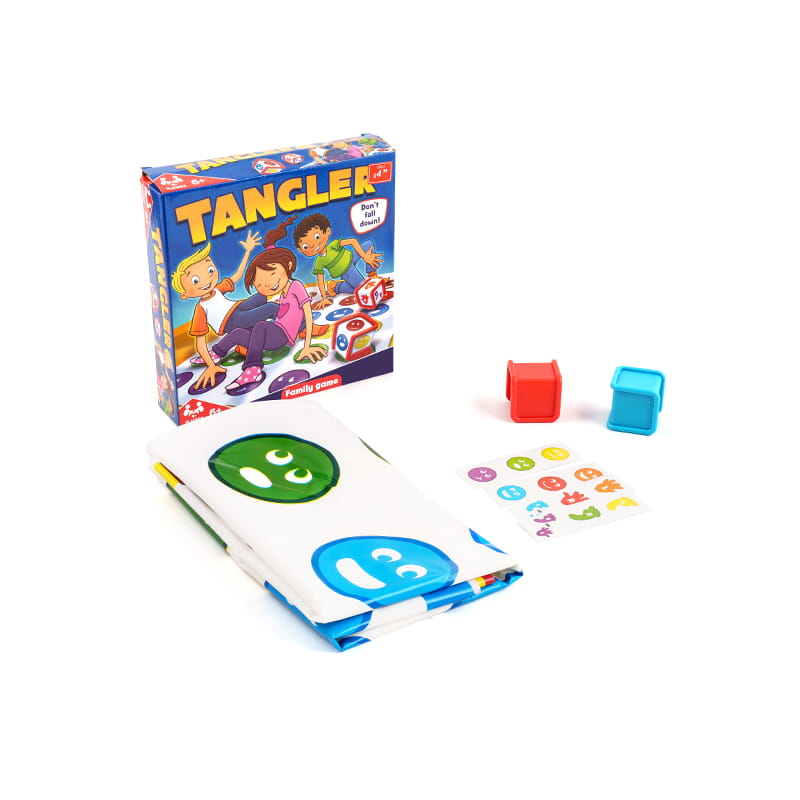
Plastic Tangler Game Set
TANGLER is a fun and challenging board game that requires players to use their hands and feet to meet conditions. During the game, players need to mov...
View More -
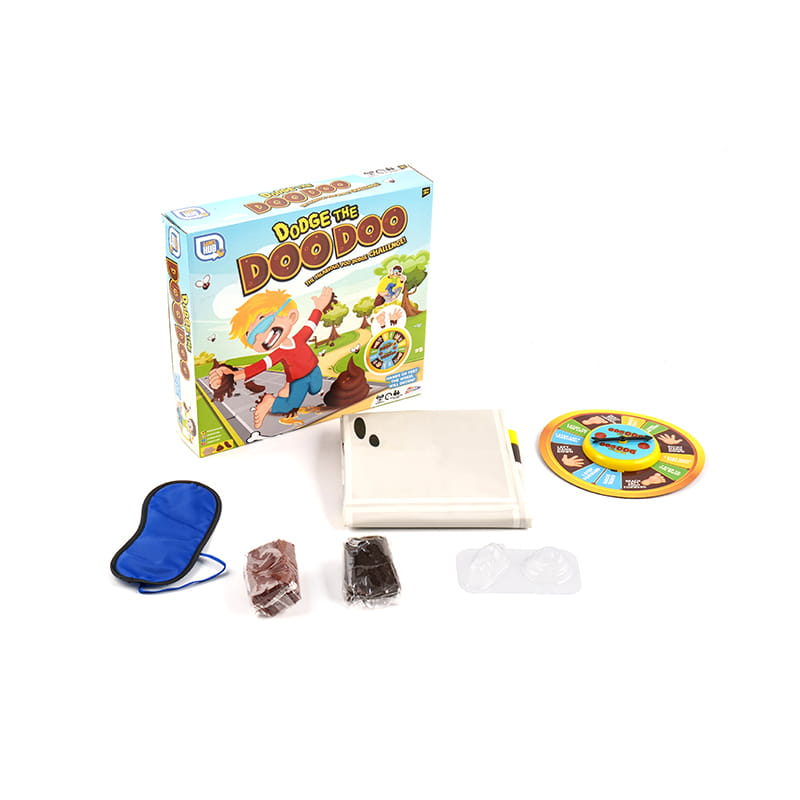
Dodge The Doggy Doo Game Set
Dodge The Doggy Doo is a fun and challenging game for kids. Children need to put on a blue blindfold and walk blindfolded to complete the tasks on the...
View More -
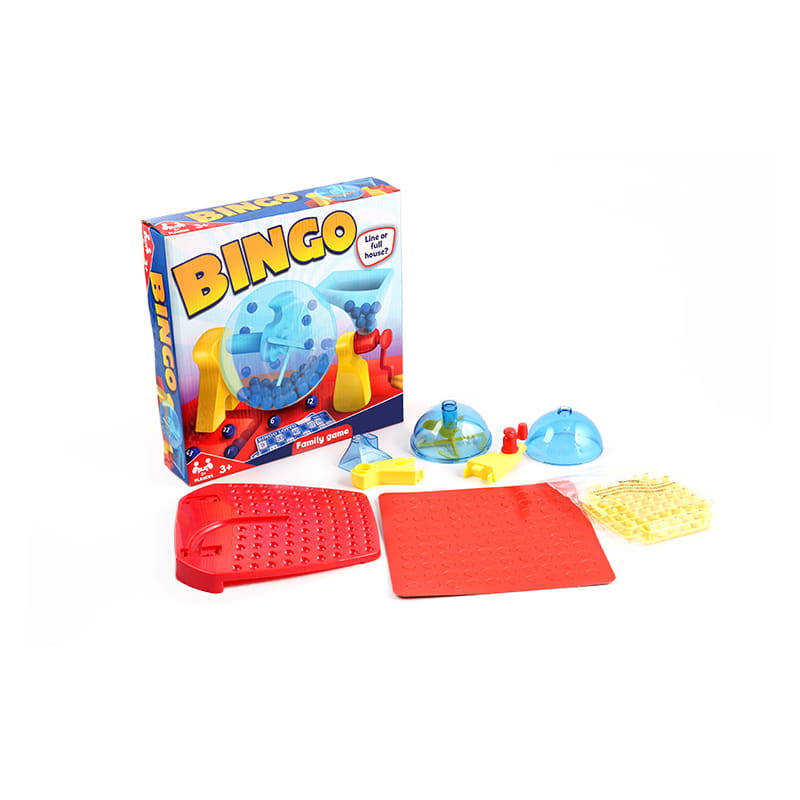
Plastic Bingo Game Set
Bingo Game is an entertaining game full of fun and surprises. It contains a beautiful shaker with a sleek design and bright colors that will catch eve...
View More -
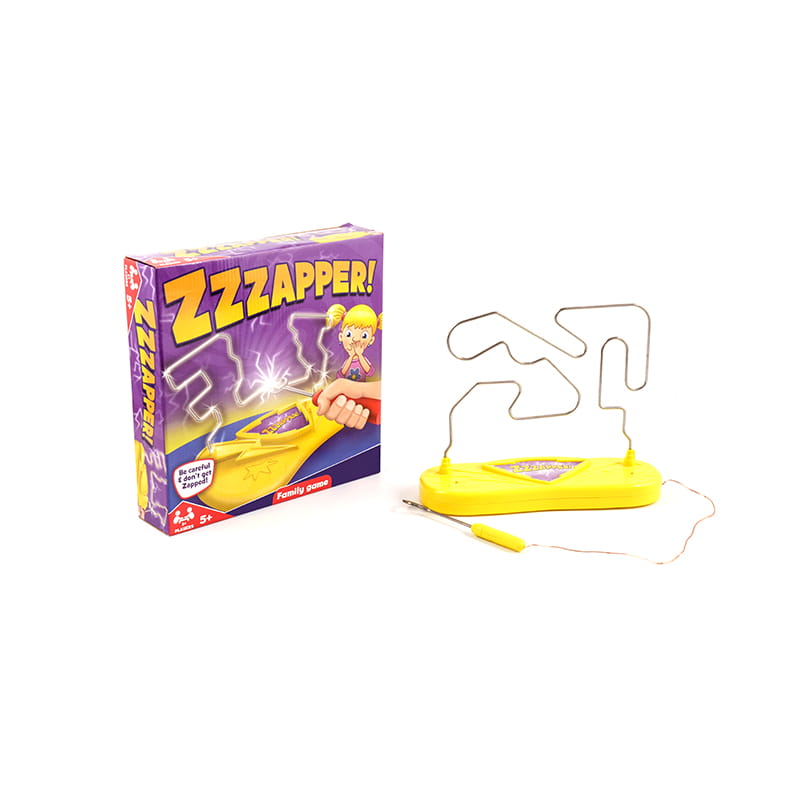
Plastic Beware Of Electrocution Game Toy
Beware of Electrocution Game is a unique family game designed to test players' concentration and balance. The game consists of a purple game box and a...
View More -
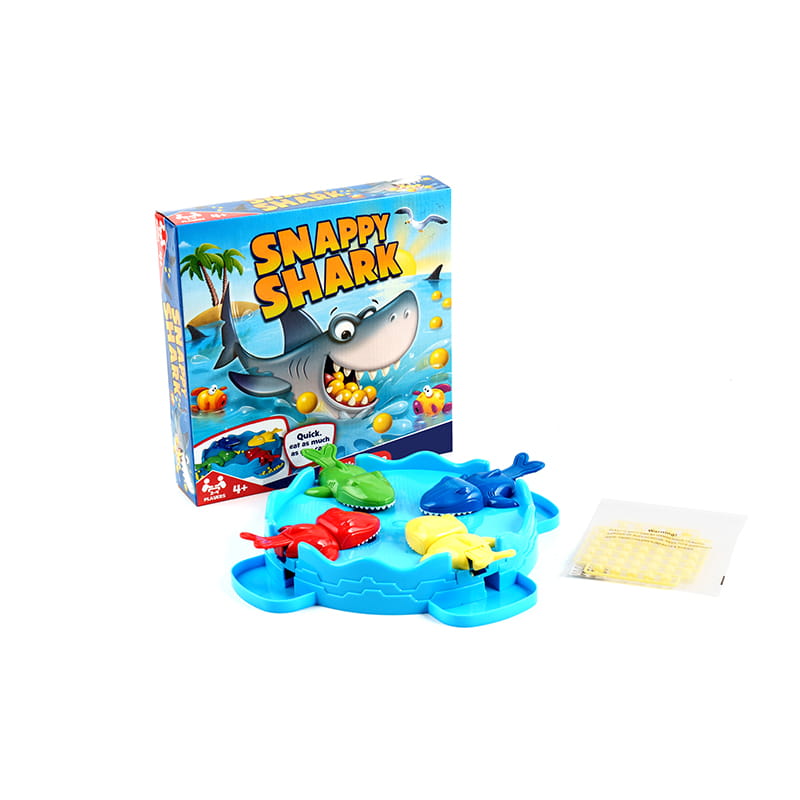
Plastic Shark Eat Beads Game Toy
Shark Eat Beads is a four-player interactive game with a “Snappy Shark” theme, where players need to quickly maneuver their sharks to eat as many ...
View More -
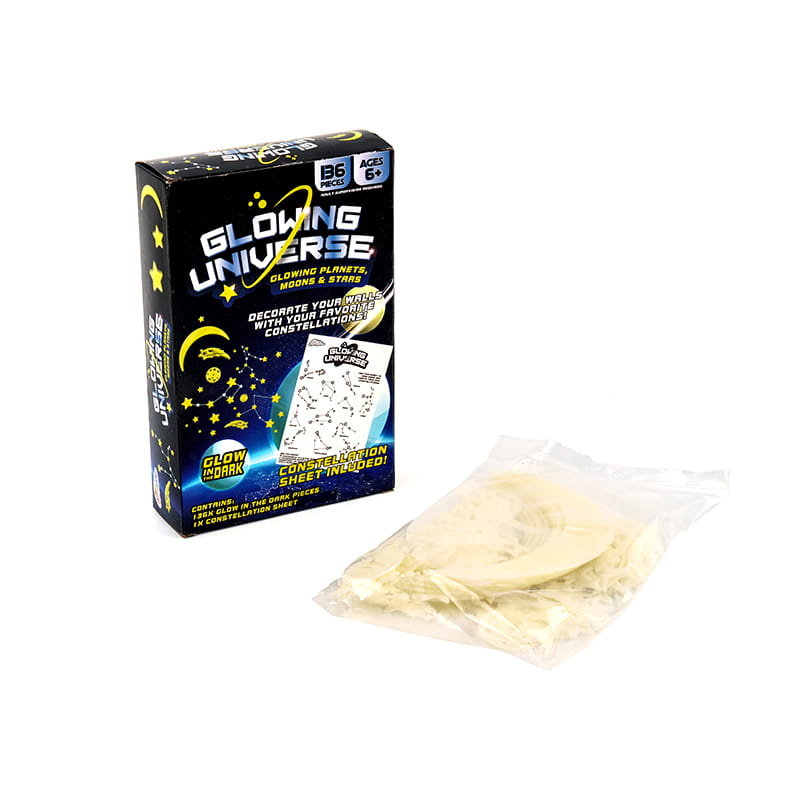
Luminous Star Patch
Luminous Starry Night Patch is a creative decoration. It contains a variety of cosmic elements, such as planets and stars, etc. It is made of special ...
View More -
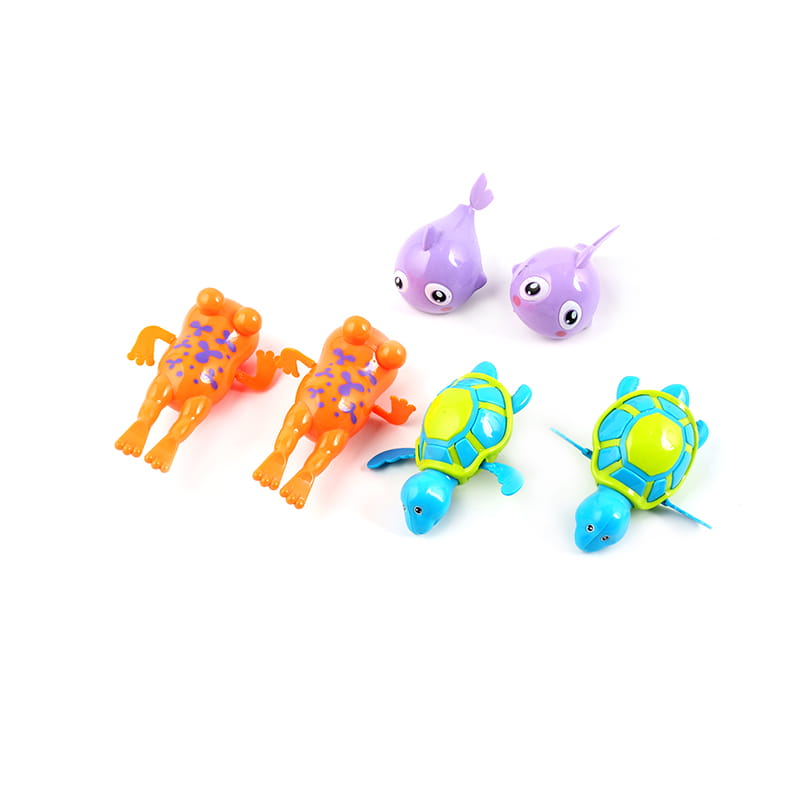
Plastic Uplink Animal Toy
The Uplink Animal Toy is a soothing toy set designed for baby showers. The set contains brightly colored and simply designed plastic toys such as an o...
View More -
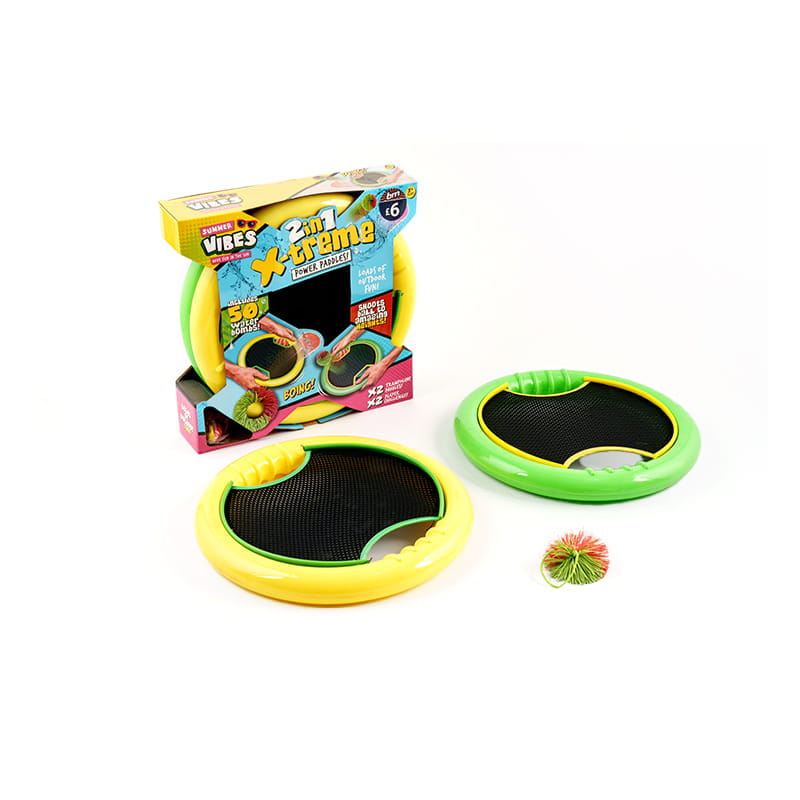
Beat About The Bush Toy Set
Clap Circle is a fun toy designed for children, containing 2 clappers and 1 colorful ball. This toy can be played alone to work on hand-eye coordinati...
View More

Copyright © Yuyao Leda Crafts Co., Ltd. All Rights
Reserved.

Children's Toys Factory
Children's Toys Manufacturer
Information
-
 Phone: +86-13056880051
 -
 fax: +86-574-62750718
 -
 E-mail:[email protected]
 -
 Add:Zhushan Village, Lizhou Street, Yuyao City, Ningbo, Zhejiang Province, China
Toys
Links
Contact Us