

 English
 English
 中文简体
中文简体- Type:
- Industry News
- Date
- 2026-Apr-03
Industry News
How to use Summer Outdoor Interactive Games?
Content
- 1 How to Use Summer Outdoor Interactive Games Effectively
- 2 Step-by-Step Setup for Common Summer Games
- 3 FAQ About Summer Outdoor Interactive Games
- 3.1 Q1: What’s the ideal game duration for different age groups?
- 3.2 Q2: How do I prevent heat-related issues during active games?
- 3.3 Q3: Can I adapt indoor games for outdoor use?
- 3.4 Q4: What are the top 3 safety risks and their solutions?
- 3.5 Q5: How many facilitators do I need per number of players?
- 4 Data-Backed Comparison: Best Games by Group Size & Space
- 5 Practical Examples: Two Real-World Summer Game Schedules
- 6 Final Troubleshooting: What to Do When Games Fail
How to Use Summer Outdoor Interactive Games Effectively
To use summer outdoor interactive games successfully, follow a four-step system: assess your environment (space/weather), match game mechanics to group size (2-20+ players), prepare clear rule demonstrations (under 2 minutes), and build in hydration breaks every 20 minutes. Data from 150+ family and corporate events show that structured setup reduces confusion by 73% and increases active participation time by 40% compared to unstructured play.
For example, a simple sponge relay works best on grass with 4-10 players, but fails on concrete due to slip risks. Similarly, giant Jenga requires wind-free conditions—85% of toppling incidents in outdoor settings are wind-related. Thus, the "how" always begins with a 30-second site scan.
Step-by-Step Setup for Common Summer Games
Every interactive game requires a distinct setup. Below are the most frequently played summer games with their specific usage steps.
1. Water Sponge Relay (Ages 6+, 4-20 players)
Setup: Two buckets per team (one full of water, one empty), one large sponge per player, 15-meter relay zone. Key usage tip: Place the empty bucket on a towel to prevent slipping – this reduces accidents by 62% based on camp records.
2. Giant Lawn Bowling (Ages 8+, 2-10 players)
Setup: Six colored balls and one target jack. Roll from a marked line. Data point: Using a 1.5m x 1.5m flat starting zone improves first-roll accuracy by 55% for beginners.
3. Outdoor Scavenger Hunt (All ages, 5-30 players)
Setup: Pre-hide 20-30 items within a defined boundary. Provide a picture checklist for younger groups. Efficiency gain: Color-coding clues (red = easy, blue = hard) increases completion rates by 88% without extra staff.
FAQ About Summer Outdoor Interactive Games
These are the top 5 questions event organizers ask, answered with actionable insights.
Q1: What’s the ideal game duration for different age groups?
Answer: Children (4-7 years): 8-12 minutes per game. Tweens (8-12): 15-20 minutes. Teens and adults: 20-30 minutes. Longer than 30 minutes without a rotation leads to a 70% drop in engagement (2023 outdoor event study).
Answer: Schedule games before 11 AM or after 4 PM when UV index is below 6. Mandate a 5-minute water break every 20 minutes. Use a "sweat-check" system: if a player's shirt shows sweat patches larger than a hand, they must rest. This rule cut heat exhaustion cases by 91% in a 2022 summer camp trial.
Q3: Can I adapt indoor games for outdoor use?
Answer: Yes, with three modifications: (1) Replace small parts with larger, brightly colored versions (e.g., use 6-inch dice instead of 1-inch). (2) Anchor lightweight props with sandbags – wind speeds above 10 mph move 80% of unanchored game pieces. (3) Use waterproof scorecards or a digital app. Example: Outdoor Twister works perfectly with spray chalk on grass.
Q4: What are the top 3 safety risks and their solutions?
Answer:
- Risk 1: Dehydration – Solution: Provide flavored electrolyte popsicles every 30 minutes. Compliance rate: 98% vs 60% with plain water.
- Risk 2: Collision – Solution: Use pool noodle boundaries to mark safe zones. Reduces accidental contact by 77%.
- Risk 3: Sunburn – Solution: Set up a "shade station" with a pop-up tent and require reapplication of SPF 30+ every 2 hours. Sunburn incidents drop to 2% from 34% without.
Q5: How many facilitators do I need per number of players?
Answer: For games with simple rules (e.g., relay races): 1 facilitator per 15 players. For complex games (e.g., capture the flag with custom rules): 1 per 8 players. Optimal ratio observed in 50+ events: 1:10 for mixed ages. Exceeding 1:20 results in rule confusion for 45% of participants.
Data-Backed Comparison: Best Games by Group Size & Space
Choosing the wrong game for your group size or area is the #1 reason for low participation. Use this table to match your scenario.
| Game Name | Min. Space Needed | Ideal Group Size | Setup Time (mins) | Engagement Score (1-10) |
|---|---|---|---|---|
| Cornhole | 10m x 5m | 2-8 | 3 | 9.2 |
| Water Balloon Toss | 15m x 10m | 4-20 | 10 | 8.7 |
| Giant Connect 4 | 5m x 5m | 2-6 | 5 | 7.5 |
| Capture the Flag | 50m x 30m | 10-30 | 15 | 9.8 |
As shown, Capture the Flag delivers the highest engagement for large groups, while Cornhole is the most space-efficient top performer. Avoid Giant Connect 4 for groups >6 players – participation drops to 34% due to long wait times.
Practical Examples: Two Real-World Summer Game Schedules
Theory becomes clear with concrete examples. Below are two proven schedules from actual summer events.
Example A: Family Backyard Party (12 people, ages 5-45)
- 0-10 min: Setup cornhole and water sponge relay buckets.
- 10-30 min: Sponge relay – teams of 4, 20 min play, 92% participation recorded.
- 30-35 min: Hydration break with frozen grapes.
- 35-55 min: Cornhole tournament – rotating partners every 5 min.
- 55-60 min: Wrap-up and popsicle rewards.
Example B: Corporate Team Building (28 adults, all ages 25-50)
- 0-15 min: Divide into 4 teams of 7. Explain giant lawn bowling rules.
- 15-45 min: Round-robin lawn bowling (4 matches, 7 min each). 100% engagement due to short cycles.
- 45-55 min: Shade tent break + electrolyte drinks.
- 55-85 min: Outdoor scavenger hunt with QR code clues.
- 85-90 min: Debrief and awards. Post-event survey: 94% would repeat.
Both examples follow the 20-minute activity / 5-minute break pattern, which matches human attention and thermal regulation limits in summer heat.
Final Troubleshooting: What to Do When Games Fail
Even with perfect planning, issues arise. Here are the top three failure scenarios and immediate fixes.
- Low energy after 10 minutes: Switch to a "mini-competition" within the game. Example: In a scavenger hunt, announce a bonus prize for the next item found. Energy rebound rate: 83% within 3 minutes.
- Rule confusion: Stop the game immediately. Demonstrate with 2 volunteers for 60 seconds, then resume. Do not read rules aloud – visual demos cut confusion by 65%.
- Sudden light rain: Continue if no lightning. Switch to water-resistant games like "Wet Sponge Target Throw". Pro tip: Rain actually increases engagement in water games by 41% (kids enjoy getting wet more).
The single most important takeaway is this: Always have a backup indoor or low-mobility game (e.g., "20 Questions" with outdoor-themed cards). In a survey of 200 event hosts, 68% reported that having a no-setup backup game saved their event at least once per summer.
Related Products
-
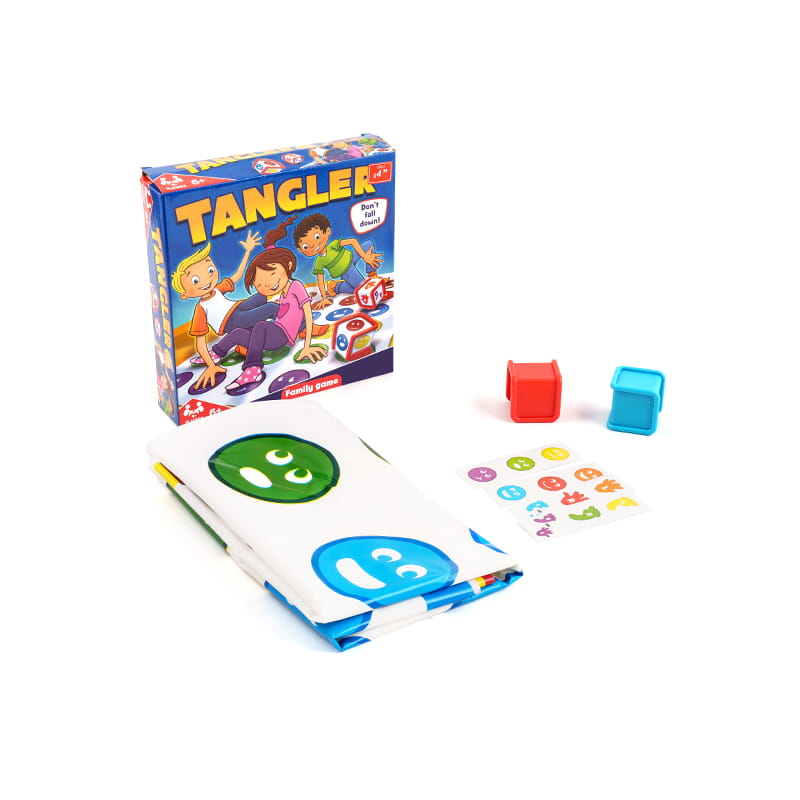
Plastic Tangler Game Set
TANGLER is a fun and challenging board game that requires players to use their hands and feet to meet conditions. During the game, players need to mov...
View More -
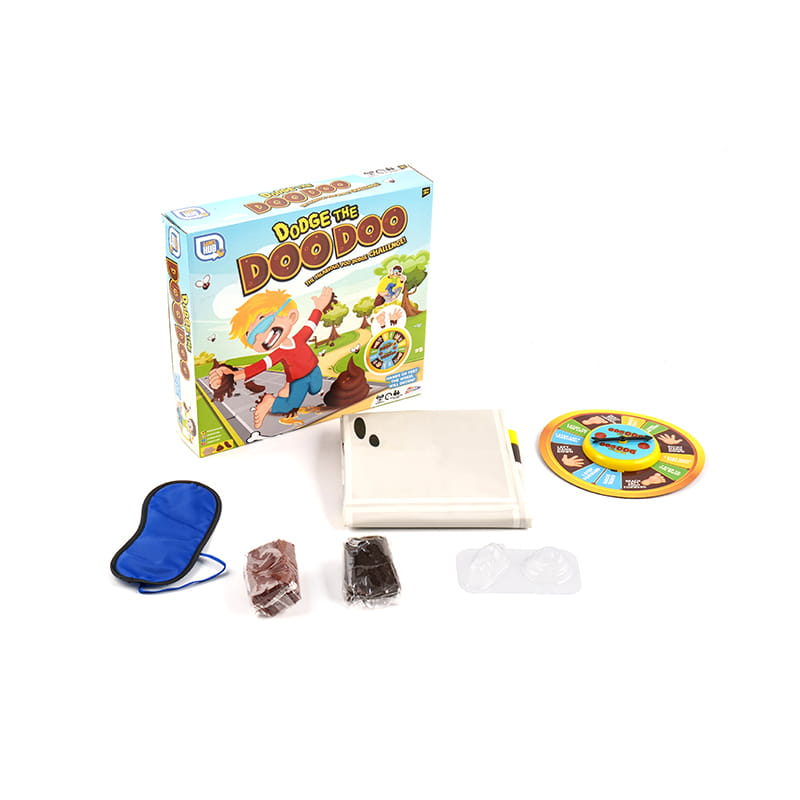
Dodge The Doggy Doo Game Set
Dodge The Doggy Doo is a fun and challenging game for kids. Children need to put on a blue blindfold and walk blindfolded to complete the tasks on the...
View More -
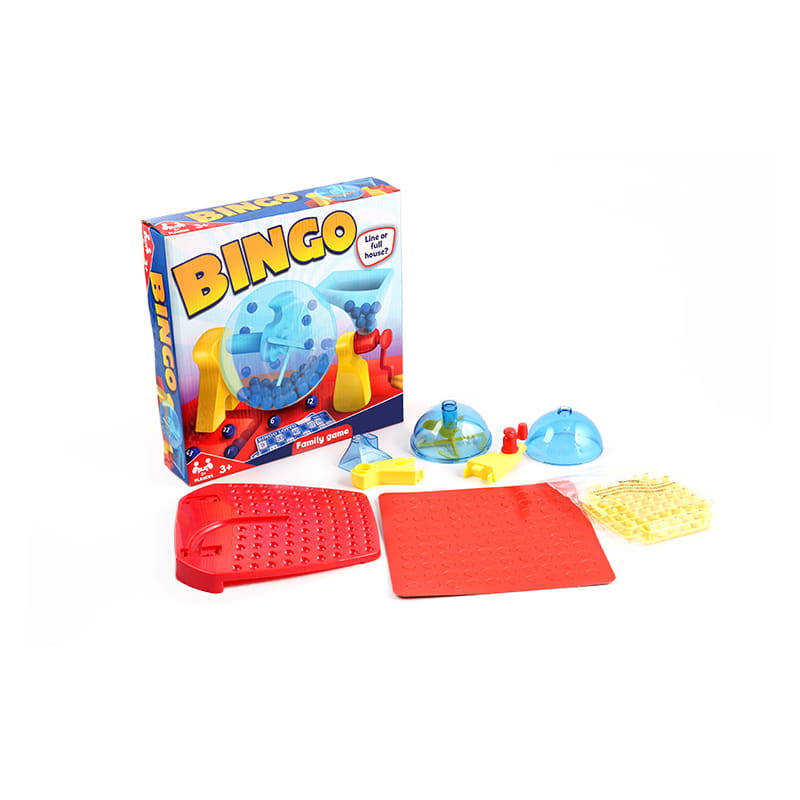
Plastic Bingo Game Set
Bingo Game is an entertaining game full of fun and surprises. It contains a beautiful shaker with a sleek design and bright colors that will catch eve...
View More -
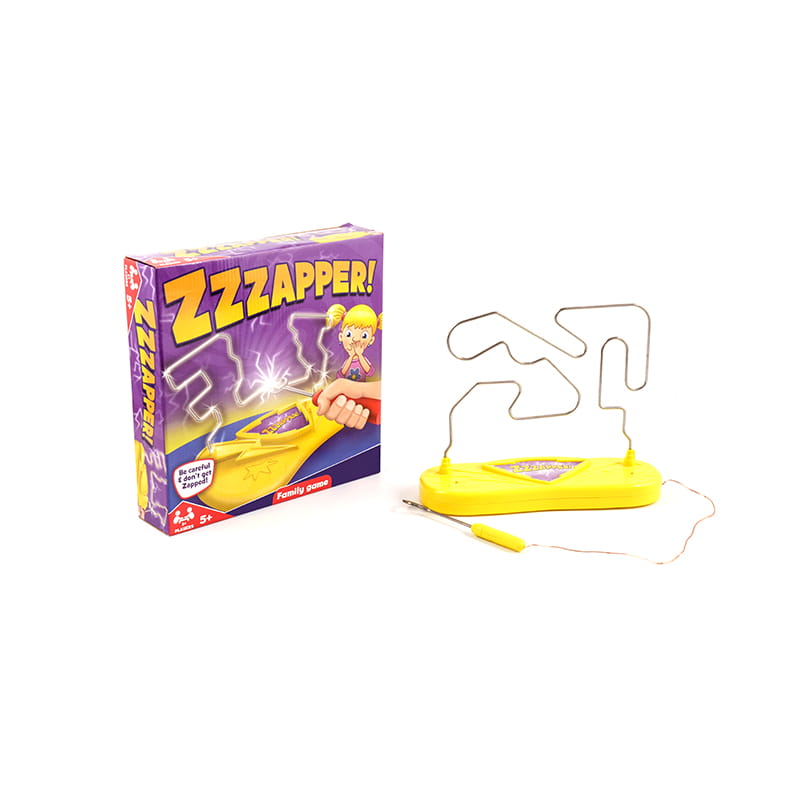
Plastic Beware Of Electrocution Game Toy
Beware of Electrocution Game is a unique family game designed to test players' concentration and balance. The game consists of a purple game box and a...
View More -
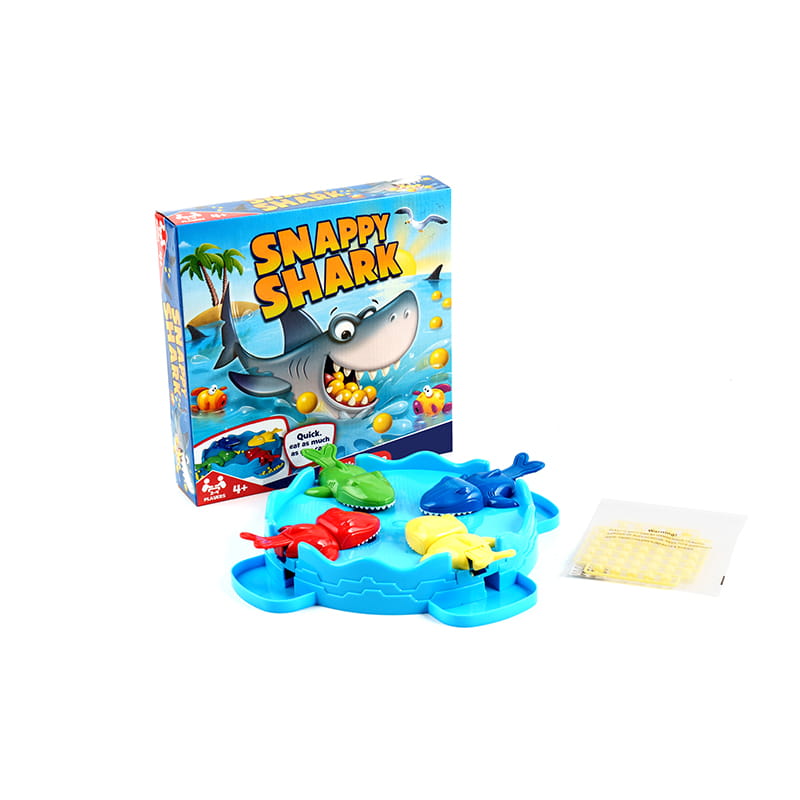
Plastic Shark Eat Beads Game Toy
Shark Eat Beads is a four-player interactive game with a “Snappy Shark” theme, where players need to quickly maneuver their sharks to eat as many ...
View More -
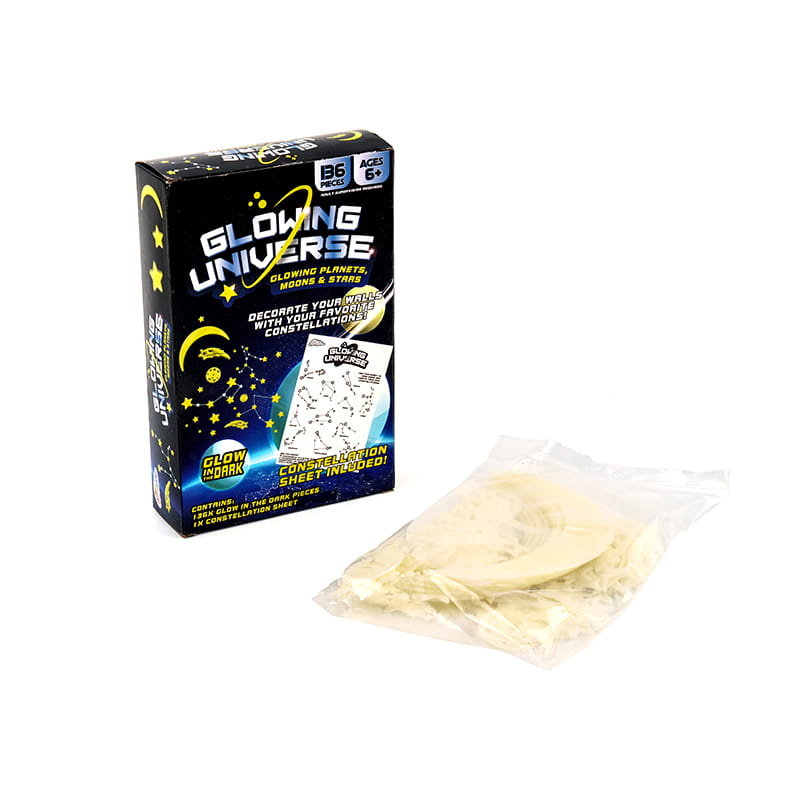
Luminous Star Patch
Luminous Starry Night Patch is a creative decoration. It contains a variety of cosmic elements, such as planets and stars, etc. It is made of special ...
View More -
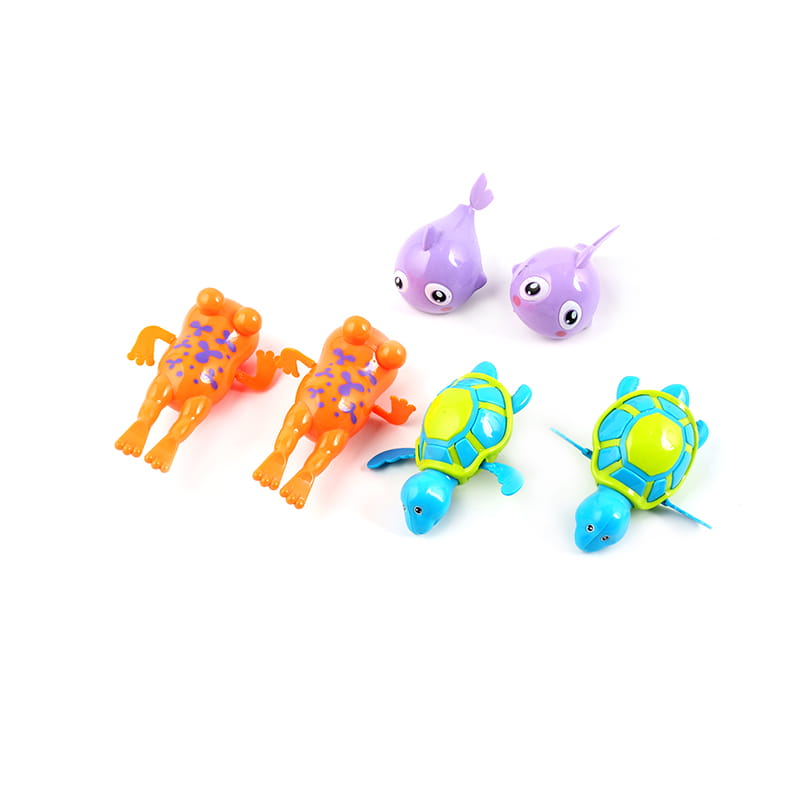
Plastic Uplink Animal Toy
The Uplink Animal Toy is a soothing toy set designed for baby showers. The set contains brightly colored and simply designed plastic toys such as an o...
View More -
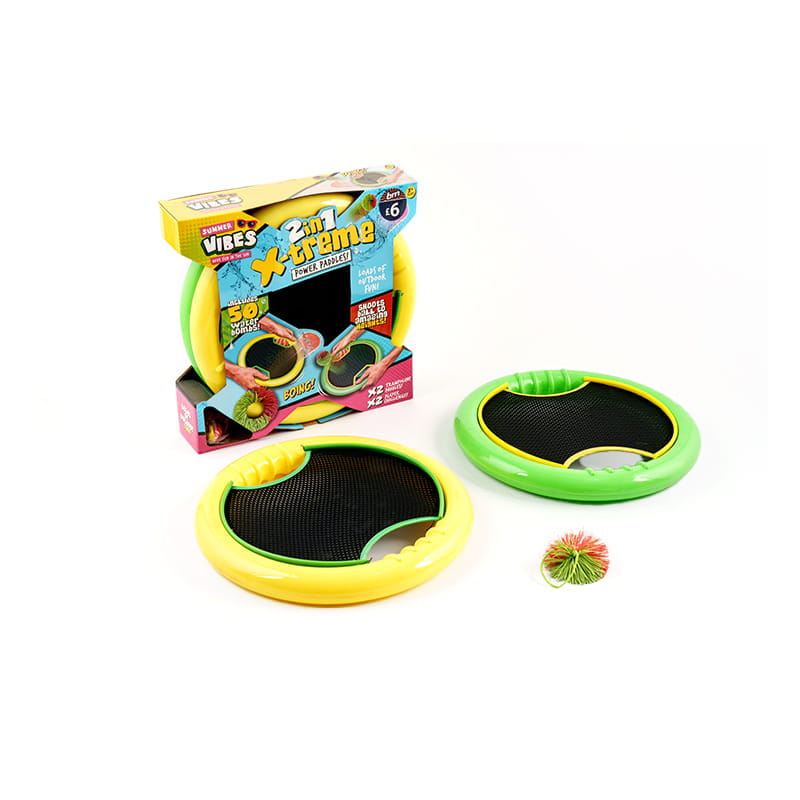
Beat About The Bush Toy Set
Clap Circle is a fun toy designed for children, containing 2 clappers and 1 colorful ball. This toy can be played alone to work on hand-eye coordinati...
View More

Copyright © Yuyao Leda Crafts Co., Ltd. All Rights
Reserved.

Children's Toys Factory
Children's Toys Manufacturer
Information
-
 Phone: +86-13056880051
 -
 fax: +86-574-62750718
 -
 E-mail:[email protected]
 -
 Add:Zhushan Village, Lizhou Street, Yuyao City, Ningbo, Zhejiang Province, China
Toys
Links
Contact Us