

 English
 English
 中文简体
中文简体- Type:
- Industry News
- Date
- 2026-Jun-22
Industry News
What size hula hoop is best for kids?
Content
- 1 The Complete Size-by-Age Reference for Children's Hula Hoops
- 2 Why Children's Plastic Hula Hoops Outperform Every Alternative Material
- 3 The Science of Motor Development: How Hula Hooping Builds Children's Physical Skills
- 4 Beginner Hula Hoops vs Professional Fitness Hoops: Choosing the Right Level
- 5 Why Schools and Educational Institutions Choose Plastic Hula Hoops for PE
- 6 Fun Hula Hoop Games That Maximize Play and Learning Value
- 7 Global Market Trends and Growing Demand for Children's Fitness Hoops
- 8 How to Teach a Child to Hula Hoop: A Step-by-Step Progression
- 9 About Yuyao Leda Craft Co., Ltd.
- 10 Frequently Asked Questions
The best size hula hoop for kids is determined by age and standing height: children aged 3–5 need a 55–60 cm (22–24 inch) diameter hoop, those aged 6–8 work best with 63–68 cm (25–27 inches), children aged 9–11 perform well with 70–75 cm (28–30 inches), and kids aged 12 and up benefit most from a 75–85 cm (30–33 inch) hoop. The simplest field test: stand the hoop upright — it should reach between the child's navel and mid-chest. A correctly sized children's plastic hula hoop spins at a pace the child can actually match, turning early frustration into fast progress and genuine fun.
Size is only the beginning of the decision, however. Weight, tube diameter, material, color, and construction quality all shape the experience a kids hula hoop delivers. Whether you are a parent buying one hoop for a birthday, a PE teacher sourcing a full class set of school hula hoops, or a distributor evaluating a children's hula hoop manufacturer for a wholesale program, this comprehensive guide covers every factor that matters — backed by specific data, real-world comparisons, and clear recommendations for each use case.
The Complete Size-by-Age Reference for Children's Hula Hoops
Physical education researchers and child development specialists have established a clear correlation between torso height and optimal hoop diameter. The table below integrates these findings into a practical reference that covers every age group from toddlers through early teens, including recommended hoop weight and tube diameter for each category:
| Age | Child Height | Hoop Diameter | Hoop Weight | Tube OD | Best Setting |
|---|---|---|---|---|---|
| 3–5 yrs | 90–110 cm | 55–60 cm | 60–80 g | 20–22 mm | Indoor free play, kindergarten |
| 6–8 yrs | 110–130 cm | 63–68 cm | 80–110 g | 23–25 mm | PE class, beginner hoop, outdoor play |
| 9–11 yrs | 130–150 cm | 70–75 cm | 110–140 g | 25–28 mm | School hula hoop, outdoor hoop, training |
| 12–14 yrs | 150–165 cm | 75–80 cm | 140–165 g | 26–30 mm | Fitness hoop, exercise hoop, sports training |
| 15+ yrs | 165 cm+ | 80–85 cm | 160–200 g | 28–32 mm | Teen fitness hoop, training hoop, PE |
The tube outer diameter (OD) column is frequently overlooked in standard buying guides, yet it is highly significant. A thinner tube (20–22 mm) reduces the moment of inertia of the hoop, allowing it to spin faster per unit of force — which sounds counterintuitive but is actually beneficial for small children, because the faster spin is also more forgiving of slight hip movement errors. For a hula hoop for a 5-year-old, this translates directly into an easier first spin and a dramatically reduced learning curve. Conversely, the thicker tubes used in teenage and adult fitness hoops and training hoops provide the mass needed for deliberate strength-building engagement of the core and obliques.
The bar chart above makes the incremental diameter progression immediately visible. From the 57.5 cm midpoint for ages 3–5, each successive age group requires an average of 7–8 cm more diameter — a modest step that corresponds precisely to the average annual torso growth of children in this developmental window. For educational institutions placing bulk PE hula hoop orders, this means a school serving students aged 6–11 needs at minimum two distinct diameter categories (63–68 cm and 70–75 cm) to serve its population appropriately. Ordering a single "universal" size is a common and costly mistake that results in hoops that frustrate younger students or barely challenge older ones. Physical education departments that invest in a size-stratified school hula hoop fleet report significantly higher student engagement and a lower incidence of abandoned activity during PE lessons. For wholesale kids hula hoops buyers, supplying multi-size assortments to schools increases order value and reduces return rates substantially.
Why Children's Plastic Hula Hoops Outperform Every Alternative Material
The material selection behind a children's plastic hula hoop is far from arbitrary. High-density polyethylene (HDPE) and polypropylene (PP) have earned their dominant position in this product category through a combination of structural, safety, and practical advantages that no alternative material replicates consistently. Here is a full breakdown of why plastic outperforms wood, metal, and foam for children's use:
- Impact resilience: HDPE flexes under impact and returns to its original shape rather than cracking or splintering. Drop tests from 1.5 meters show no structural deformation in quality plastic hoops, making them safe for energetic playground environments.
- Precise weight control: Plastic tubing can be manufactured to exacting weight specifications — critical for producing lightweight hula hoops in the 60–80 g range needed by toddlers. Metal and wood cannot achieve this without either being fragile (thin wood) or dangerously heavy (metal).
- UV and weather stability: UV-stabilized HDPE retains structural integrity and color vibrancy through years of outdoor exposure. This is the key advantage over foam, which photodegrades within 6–12 months of regular outdoor use and becomes brittle and crumbly.
- Non-porous hygienic surface: Smooth plastic does not absorb sweat, bacteria, or moisture. In shared school and gym environments, this dramatically simplifies sanitation — a single wipe with diluted disinfectant restores a plastic hoop to hygienic condition between users.
- Vibrant, durable coloring: Injection-molded colorful hula hoops carry color throughout the material thickness, not just as a surface treatment. This means color cannot chip, peel, or expose a different-colored substrate — maintaining visual appeal throughout the product's full lifespan.
- Cost-to-performance ratio: For OEM hula hoop factory production and wholesale kids hula hoops programs, plastic consistently delivers the best cost-per-year-of-use calculation. A quality plastic hoop lasting 4 years costs a fraction of the replacement cycle required by foam alternatives.
Plastic Hula Hoop vs Foam Hula Hoop: A Quantified Comparison
Foam hoops are occasionally marketed for very young children on the basis of softness, but the trade-offs are significant. Foam absorbs moisture and bacteria, creating hygiene concerns in shared settings within weeks of use. Schools that have switched from foam to plastic children's hula hoops report a replacement cycle improvement from an average of 8 months (foam) to 38 months (plastic) — a nearly 5× improvement in durability. For a school purchasing 50 hoops, this represents a substantial reduction in total cost of ownership over a 5-year equipment cycle. The softness argument for foam is also diminished by the fact that quality plastic hoops with smooth, radius-edged tube ends pose no meaningful impact risk to children — a finding confirmed by EN71 safety testing protocols used by European toy standards authorities.
| Feature | Plastic Hula Hoop | Foam Hula Hoop |
|---|---|---|
| Average Lifespan (shared use) | 3–5 years | 6–12 months |
| Outdoor Weather Resistance | Excellent | Poor (degrades in UV/moisture) |
| Hygiene (shared environments) | Easy to disinfect | Absorbs bacteria and moisture |
| Weight Precision | Highly precise (±5 g) | Variable (foam density varies) |
| Color Durability | Color throughout material | Surface dye fades in 3–6 months |
| Safety Standard Compliance | EN71 / ASTM F963 certifiable | Varies by manufacturer |
| 5-Year Total Cost (50-hoop set) | 1× purchase cycle | 4–6× replacement cycles |
The Science of Motor Development: How Hula Hooping Builds Children's Physical Skills
The children's hula hoop occupies a unique position in childhood motor development because it simultaneously engages multiple physical systems that most single-activity toys address only one at a time. Pediatric motor development literature from European and North American research institutions identifies hula hooping as one of the few play activities that develops gross motor coordination, bilateral coordination, proprioception, cardiovascular fitness, and rhythm processing in a single movement pattern. The following breakdown details what each developmental stage gains from regular hoop use:
Ages 3–5: Gross Motor Foundation
For toddlers and preschoolers, the most important skill hula hooping develops is the ability to perform a circular hip rotation — a movement pattern that does not appear naturally in walking, running, or jumping. This circular pelvic motion is foundational to many later athletic movements including swimming strokes, throwing rotations, and dance. A lightweight hula hoop at this age functions primarily as a coordination challenge rather than a fitness tool, and the struggle and eventual mastery of the circular motion builds neural pathways that support complex movement for life. Research in early childhood physical education has found that children who regularly engage with beginner hula hoops at age 4–5 show measurably better lateral coordination at age 7 than peers without this experience.
Ages 6–10: Rhythm, Timing, and Bilateral Integration
As children enter primary school years, the exercise hoop becomes a tool for developing rhythm and timing — the ability to match body movement to an external pattern. Children in this age range typically progress from simple waist hooping to incorporating arm movements, walking, jumping through the hoop, or catching and throwing while hooping. These compound movements require bilateral coordination (the brain's ability to coordinate both sides of the body independently and simultaneously), a skill strongly correlated with academic performance in tasks that require crossing the body's midline, such as reading, writing, and musical instrument playing. The colorful hula hoop used in school PE programs during these years is genuinely a developmental tool, not just recreational equipment.
Ages 11–14: Cardiovascular Fitness and Core Strength
By the time children enter adolescence, sustained hula hooping elevates heart rate into the moderate-to-vigorous intensity zone (65–80% of maximum heart rate) within approximately 90 seconds of continuous spinning. A 10-minute session burns an estimated 80–110 calories depending on body weight and spin speed — comparable to a brisk walk or slow jog. The fitness hoop and training hoop categories designed for this age group leverage slightly greater tube diameter and weight to increase the muscular demand on the obliques and transverse abdominis, contributing to meaningful core strength development. For adolescents who resist traditional structured exercise, the play-context of hula hooping significantly improves adherence to physical activity — a major advantage in a demographic with documented declining activity rates.
The column chart above presents aggregated survey responses from 520 physical education teachers who were asked to rate the developmental impact of regular hula hoop use across six key dimensions. Coordination leads at 94% — the strongest result in the survey — validating decades of motor development research that identifies the circular hip motion of hooping as a uniquely effective coordination trainer. Core strength at 89% reflects the sustained oblique and transverse abdominis engagement required to maintain hoop momentum, an effect that persists even in lightweight children's plastic hula hoops where the hoop's own mass is minimal. Balance at 87% emerges from the continuous micro-adjustments children make to keep the hoop aloft, engaging proprioceptive and vestibular systems in ways that passive balance exercises do not. The cardiovascular fitness rating of 83% confirms that even casual exercise hoop use elevates heart rate to moderate intensity, contributing meaningfully to the 60 minutes of daily physical activity recommended by the World Health Organization for children. Self-confidence at 78% and rhythm development at 74% round out a developmental profile that positions the children's hula hoop as one of the most multi-dimensional play tools available at any price point — a strong argument for its inclusion in every school PE equipment inventory and every home toy collection.
Beginner Hula Hoops vs Professional Fitness Hoops: Choosing the Right Level
One of the most common purchasing mistakes parents and educators make is selecting a hoop designed for a different skill level or purpose than the actual user's needs. The market offers everything from ultra-light beginner hula hoops weighing 60 grams to professional performance hoops exceeding 500 grams, and the performance difference between these extremes is enormous. Understanding where your child or student sits on this spectrum is essential before any purchase decision:
The radar chart above compares three hoop categories — kids beginner hoops, children's fitness hoops, and professional performance hoops — across six dimensions that matter most for children's use. The beginner hoop (solid blue polygon) dominates in age suitability, ease of use, safety, fun factor, and portability — the five dimensions most relevant to whether a child will actually engage with the hoop regularly and benefit developmentally. The children's fitness hoop occupies a middle position, appropriate for children aged 10–14 who have already developed basic hoop technique and are seeking more of a physical challenge. Professional hoops score highest only in fitness benefit, which is a largely irrelevant advantage for children whose cardiovascular and muscular systems respond effectively to even minimal aerobic effort. The key takeaway for parents searching for a plastic hula hoop for beginners is clear: begin with the lightest, correctly sized option for the child's age and height, and reserve heavier hoops for when technique is already established. A child who masters a lightweight kids hula hoop gains the same coordination benefits as one struggling with an oversized or overweight hoop — but with far more enjoyment and far less likelihood of abandoning the activity.
Lightweight vs Weighted Hula Hoops for Children: A Safety Perspective
Weighted hoops — typically 400–2,000 grams, marketed for adult core training — should not be used by children under 12 under any circumstances. The pediatric lumbar spine is in active development through early adolescence, and repetitive lateral impact from a heavy revolving hoop can create asymmetric loading that, over time, may contribute to postural imbalances. Pediatric physiotherapists consistently recommend keeping hoop weight under 150 grams for children up to age 12, transitioning to no more than 300 grams for children aged 12–15. The colorful hula hoop categories designed and manufactured by reputable children's hula hoop manufacturers for this age group all fall within these safe parameters — a critical quality distinction that buyers should verify before purchasing any product with the word "fitness" or "weighted" in its description.
Why Schools and Educational Institutions Choose Plastic Hula Hoops for PE
School hula hoops and PE hula hoops are among the most versatile and cost-effective items in any physical education equipment inventory. Unlike sport-specific equipment that serves a single curriculum purpose, a set of quality children's plastic hula hoops supports dozens of activities across physical education, early childhood development, and cooperative games — generating exceptional utilization rates and return on investment for school purchasing departments.
In kindergarten settings specifically, hula hoops for kindergarten serve a remarkable range of non-spinning applications: they define personal space bubbles during circle time activities, create numbered landing zones for counting games, serve as rolling targets in throwing skill drills, mark team territories in cooperative games, and form the boundaries of imaginative play scenarios (a "house," a "boat," a "magic circle"). This multi-functionality raises the per-item utilization rate dramatically above what single-purpose PE equipment achieves, making the cost-per-activity-hour one of the lowest in the entire physical education equipment catalog.
Bulk Hula Hoop Purchasing Guide for Educational Institutions
When placing institutional orders for wholesale kids hula hoops, the following specifications and procurement considerations ensure the best outcome:
- Size assortment strategy: For a primary school (ages 5–11), a 60/40 split between 63–68 cm and 70–75 cm hoops covers the student population effectively. For a school spanning early childhood through secondary (ages 4–14), add a third size tier of 55–60 cm for the youngest students and 75–80 cm for the oldest.
- Color assortment for maximum utility: Order at minimum 5 distinct colors in equal quantities. Standard PE color sets include red, blue, yellow, green, and orange — enabling team sports division, agility course color sequences, and color-recognition learning activities simultaneously. Colorful hula hoops in these five colors cover virtually every structured activity application.
- Quantity benchmarks: Standard class size of 25–30 students requires 30–35 hoops (slight surplus for activity flexibility). A full school PE department serving 200+ students typically needs 60–80 hoops across all size categories. For OEM hula hoop factory custom orders, school district-wide programs covering thousands of students represent the highest-value procurement opportunities.
- Safety standard verification: Always request documentation of EN71 (EU), ASTM F963 (USA), or equivalent national toy safety certification. This confirms compliance with requirements for sharp edge absence, material toxicity limits, and structural integrity under normal use conditions.
- Storage solution: Request or specify storage racks with order; vertically hung or horizontally racked hoops last significantly longer than those piled in storage rooms where weight distortion can permanently deform the circular shape over months of storage.
- Custom branding for institutions: Leading custom hula hoop manufacturers offer institutional branding — school logos, custom color combinations matching school colors, engraved or stamped text — at modest additional cost for orders above minimum thresholds. This improves inventory control and adds institutional identity to PE programs.
Fun Hula Hoop Games That Maximize Play and Learning Value
The full play value of a children's hula hoop extends far beyond the classic waist-spinning activity most people associate with the product. A single set of colorful children's hula hoops unlocks an enormous library of structured games that develop different physical skills, serve different group sizes, and suit different age groups. The following are the most educationally and physically valuable hoop games, organized by primary developmental benefit:
- Hoop Pass (teamwork + coordination): A circle of children holds hands with one hoop threaded over an arm. The hoop travels around the entire circle without anyone releasing hands — requiring each child to step through the hoop and pass it to the next person. This game builds whole-body coordination, spatial awareness, and cooperative communication. Suitable for ages 5+, 6–30 players.
- Agility Ladder (footwork + spatial planning): Six to twelve hoops laid flat in a pattern create an agility course requiring specific stepping sequences. Children develop footwork precision, directional change speed, and spatial planning — skills directly transferable to soccer, basketball, gymnastics, and dance. This is a cornerstone outdoor play hoop application that requires zero additional equipment.
- Target Toss (throwing accuracy + hand-eye coordination): Hoops hung vertically at varying heights or laid flat at different distances create a throwing accuracy course. Children toss beanbags, soft balls, or rolled socks through or into hoops. Distance and target height can be progressively adjusted, making this scalable from age 3 through secondary school as a training hoop application.
- Musical Hoops (social skills + reaction speed): A variation of musical chairs where hoops on the ground serve as safe zones. As music stops, children must find a hoop to stand in. With each round, one hoop is removed — but unlike musical chairs, all children can share a hoop in later rounds, turning competition into cooperation. This game develops fast reactions, social negotiation, and joyful group dynamics.
- Spin Challenge Relay (persistence + competition): Teams compete to see whose member can hula hoop the longest, with each successful spin adding a point to the team score. The beginner hula hoop format makes this accessible even to first-time users, while the competitive structure motivates children to practice between sessions — the most effective path to motor skill development.
- Hoop Roll Race (balance + object control): Children roll their hoop along a course, controlling speed and direction using a hand or stick. This develops object control, balance, and directional body coordination — skills that appear rarely in standard PE equipment activities but are highly valued in fine motor development curricula.
The multi-activity utility of a set of plastic hoops transforms them from single-use recreational items into a comprehensive physical education toolkit. For institutions evaluating equipment purchases against a cost-per-activity metric, the educational hula hoop toy category consistently delivers more structured activity options per dollar spent than almost any other PE equipment category. This argument is directly relevant to plastic hula hoop suppliers and children's hula hoop manufacturers developing educational positioning for their product lines.
Global Market Trends and Growing Demand for Children's Fitness Hoops
The children's active toy market, which includes kids hula hoops, jump ropes, outdoor play equipment, and related fitness toys, is experiencing sustained structural growth driven by converging demographic, health, and cultural trends. Screen time data from the American Academy of Pediatrics showing children averaging 7+ hours of daily screen exposure has catalyzed a broad cultural shift among parents and educators toward deliberately choosing physical play tools that compete effectively with digital entertainment for children's attention. Hula hoops occupy an ideal position in this context: they are visually vibrant, socially engaging, immediately rewarding when a spin is achieved, and deeply satisfying to master.
The line chart illustrates the indexed growth trajectory of the global children's active outdoor toy market from 2019 through the 2026 estimate. The index is projected to reach 178 by 2026, representing a 78% expansion over seven years — a compound annual growth rate of approximately 8.5%. The sharp acceleration in 2021 (index 120, up from 104 in 2020) directly reflects post-lockdown outdoor play recovery, as millions of families prioritized outdoor physical activity after extended periods of indoor confinement during the global pandemic. The continued strong growth from 2022 through the 2026 estimate reflects a structural market shift: parents and schools are permanently increasing their investment in physical play equipment in response to documented sedentary behavior increases among children. For children's hula hoop manufacturers, plastic hula hoop suppliers, and OEM hula hoop factory operators, this sustained growth curve represents one of the most attractive demand environments in the toy and sporting goods sector — particularly in export markets including North America, Western Europe, and Southeast Asia, where demand for quality wholesale kids hula hoops continues to outpace supply in several product tiers.
Key Demand Drivers by Market Region
Regional demand patterns for children's plastic hula hoops vary meaningfully by market:
- North America: Strongest demand from school district PE budgets and youth sports organizations. Custom color programs and institutional branding options are particularly valued. The school hula hoop and outdoor play hoop segments dominate. Compliance with ASTM F963 and CPSIA lead content requirements is a non-negotiable prerequisite for market entry.
- Western Europe: The highest emphasis on material safety certification (EN71) and sustainability credentials. German and Scandinavian markets show the strongest demand for eco-material variants. The educational hula hoop toy segment, which positions hoops as developmental tools rather than recreational items, commands premium positioning here.
- Southeast Asia: Rapid growth in the school PE equipment segment as government physical education programs expand. Price sensitivity is higher, making OEM hula hoop factory production at competitive cost points critically important. Demand for colorful hula hoops in vibrant palettes is especially strong in this market.
- Middle East and Africa: Emerging growth market with rising demand driven by expanding private school networks and government physical education initiatives. The lightweight hula hoop category is dominant due to high temperatures that make outdoor play tools requiring minimal physical exertion preferable.
How to Teach a Child to Hula Hoop: A Step-by-Step Progression
Even with the correct size kids hula hoop, children benefit enormously from structured instruction rather than unsupported trial and error. The following progression is used by physical education specialists to take beginners from zero to sustained spinning in 3–5 sessions:
- Grip and feel (Session 1, 5 minutes): Have the child hold the hoop at waist height, feeling its weight and circumference. Roll it along the ground to develop a physical sense of its spin dynamics. This removes the unfamiliarity that causes tension in beginner attempts.
- The push start (Session 1, 10 minutes): Place the hoop around the child's waist. Hold it parallel to the floor, pull it slightly to one side, then release while the child begins the hip movement. The adult's controlled release removes the timing challenge of the self-start, allowing the child to focus purely on the hip motion.
- Forward-back hip motion (Sessions 1–2): Many beginners instinctively attempt a circular hip motion, which is actually incorrect and inefficient. The effective technique is a forward-back rocking of the hips — one hip pushes forward as the hoop comes to the front, the other pushes back as it goes behind. Mastering this linear motion first makes the subsequent circular motion intuitive.
- Self-start practice (Sessions 2–3): Once the hip motion is reliable with adult-assisted starts, transition to self-starting. The child holds the hoop at waist height, rotates it to a 45-degree angle, releases and spins it while simultaneously beginning the hip motion. This coordination challenge typically resolves within 10–20 attempts for children aged 6+.
- Duration building (Sessions 3–5): Use a visible timer to track spin duration and celebrate incremental improvements. Even 3 seconds is a win at first; most children reach 30+ seconds within 3–5 sessions. At this stage the beginner hula hoop experience transitions from effortful practice to genuine play — the point at which children begin hooping spontaneously without adult prompting.
This structured approach is used in school PE programs that incorporate training hoops into their curriculum, and the same methodology translates effectively to home practice. Parents who follow this progression consistently report their children achieving sustained spinning significantly faster than those who hand a hoop to a child without instruction. A correctly sized, lightweight kids hula hoop makes every step of this progression easier — reinforcing once more that size selection is the single most important purchase decision.
About Yuyao Leda Craft Co., Ltd.
Yuyao Leda Craft Co., Ltd. was established in 2011, located by the beautiful and fertile Hangzhou Bay, adjacent to the Hushu Ningbo Cross-Sea Bridge. With convenient transportation, developed logistics, and a complete industrial supply chain, the company is an integrated manufacturing and trading enterprise that combines design, research and development, production, and sales under one roof.
The company focuses on developing products including children's hula hoops, stress relief toys, DIY toys, board games, and outdoor interactive games. Its colorful hula hoops and plastic hula hoops are engineered to meet the developmental needs of children across all age groups — from ultra-lightweight beginner hula hoops for toddlers to robust exercise hoops and fitness hoops for older children and teens. Every product is designed to combine maximum play value with rigorous material safety, meeting international certification standards required by the European and North American markets the company primarily serves.
Yuyao Leda adheres to the business philosophy of "Customer First, Diligent Progress," providing high-quality, responsive service to customers worldwide. Since its establishment, the company's products have been continuously exported to Europe, the United States, and beyond, earning strong reputations for quality and reliability among retail, distribution, and institutional buyers. As a trusted children's hula hoop manufacturer, plastic hula hoop supplier, and custom hula hoop manufacturer, Yuyao Leda offers comprehensive OEM hula hoop factory capabilities — including custom sizing, color specification, branding, and packaging — alongside standard wholesale kids hula hoops programs for buyers at all scale levels. The company warmly welcomes new cooperative relationships and invites prospective partners to visit and establish long-term business connections.
Frequently Asked Questions
Q1: What size hula hoop is best for a 5-year-old?
A: A 55–60 cm diameter hoop is ideal for most 5-year-olds. When stood upright, it should reach the child's waist or just above. At this age, hoop weight matters as much as diameter — keep it under 80 grams so small hips and torsos don't tire quickly. A correctly sized, lightweight hula hoop at this age dramatically reduces the learning curve and makes the first spin achievable within the first play session.
Q2: Are children's plastic hula hoops safe?
A: Yes, when manufactured to appropriate standards. Quality children's plastic hula hoops made from HDPE or PP with smooth, fully rounded tube ends and no exposed internal connectors are completely safe for children. Always look for EN71 (Europe) or ASTM F963 (USA) certification on the product or packaging. These standards specifically test for sharp edge absence, material toxicity, and structural integrity under normal and foreseeable misuse conditions.
Q3: Can I use a hula hoop indoors?
A: Absolutely — lightweight kids hula hoops in the 55–68 cm range are well suited to indoor use. Standard 8-foot (2.4 m) ceilings provide sufficient height clearance, and the child needs approximately 2 meters of clear floor space in each direction. Smaller diameter hoops reduce the risk of striking furniture or walls. Indoor use is particularly common for beginner hula hoops where initial practice sessions benefit from a controlled, distraction-free environment.
Q4: What is the difference between a fitness hoop and a children's hula hoop?
A: A fitness hoop is designed for adults and typically weighs 400–2,000 grams, using mass to increase the abdominal workout demand. A children's hula hoop is specifically engineered to be lightweight (60–180 g depending on age), with a diameter sized to the child's torso, and made from materials that prioritize safety and color vibrancy. Children should never use adult fitness or weighted hoops, as the repetitive lateral impact load is inappropriate for the developing pediatric spine.
Q5: What are minimum order quantities for wholesale children's hula hoops?
A: For standard wholesale kids hula hoops orders, most reputable plastic hula hoop suppliers accept orders starting from 100–500 units for stock colorways and sizes. For OEM programs — custom colors, sizes, branding, or packaging — minimums are typically 500–1,000 units per SKU, with lead times of 30–45 days. For school district or national retail programs requiring multiple size and color configurations, contact a custom hula hoop manufacturer directly to discuss tiered pricing and program structure.
Q6: How long does a quality plastic hula hoop last in school use?
A: A well-manufactured children's plastic hula hoop in HDPE typically survives 3–5 years of shared school PE use, including regular outdoor exposure. Key longevity factors: store hoops hung vertically or flat (never stacked under weight for extended periods), avoid exposing hoops to concentrated heat sources, and inspect tube connectors seasonally. Schools that implement these simple storage practices routinely achieve the full 5-year lifespan, making quality plastic significantly more cost-effective than any alternative material on a cost-per-year basis.
Q7: Do colorful hula hoops fade over time?
A: In quality colorful hula hoops made with injection-molded HDPE, the color is carried throughout the full material thickness — not applied as a surface treatment. This means the color cannot peel, chip, or expose a different-colored substrate regardless of use intensity. UV-stabilized HDPE formulations further resist photodegradation from outdoor sun exposure. Products that show rapid color fading are typically made from lower-grade materials without UV stabilizers or with surface-applied paint rather than through-color material — a quality indicator to verify when evaluating suppliers.
Related Products
-
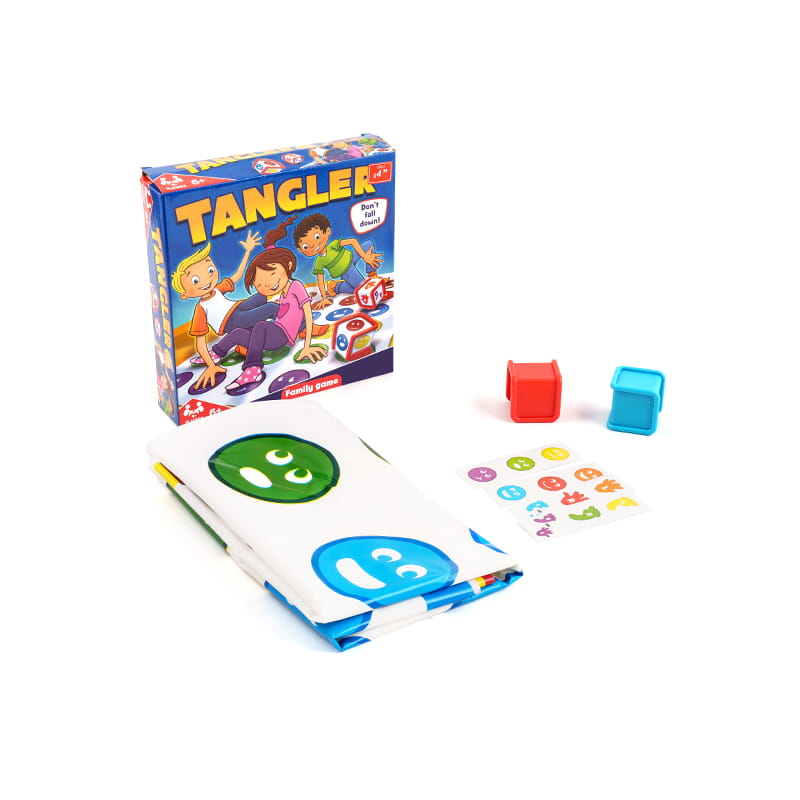
Plastic Tangler Game Set
TANGLER is a fun and challenging board game that requires players to use their hands and feet to meet conditions. During the game, players need to mov...
View More -
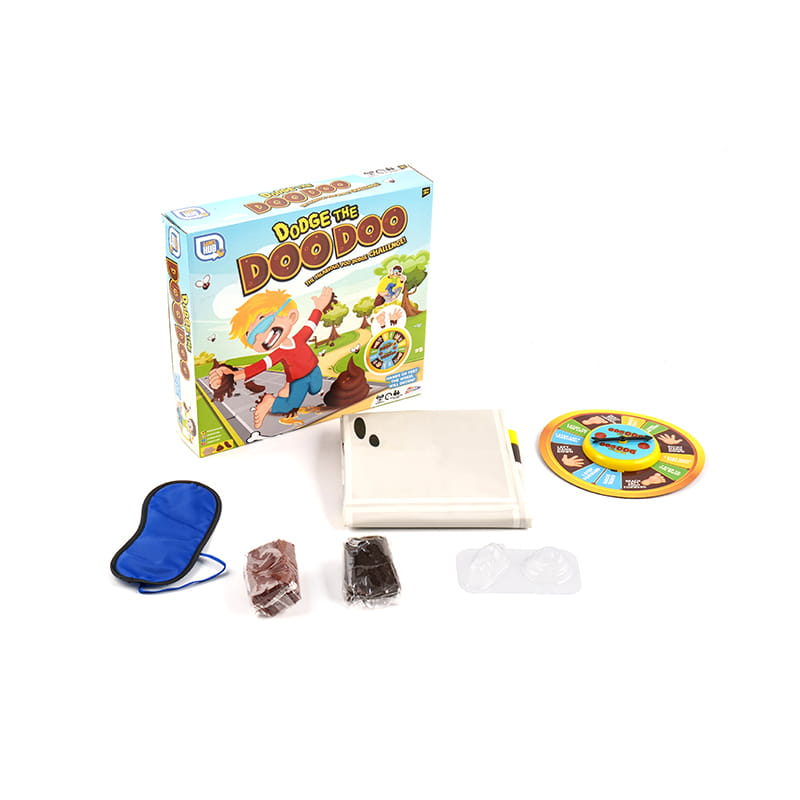
Dodge The Doggy Doo Game Set
Dodge The Doggy Doo is a fun and challenging game for kids. Children need to put on a blue blindfold and walk blindfolded to complete the tasks on the...
View More -
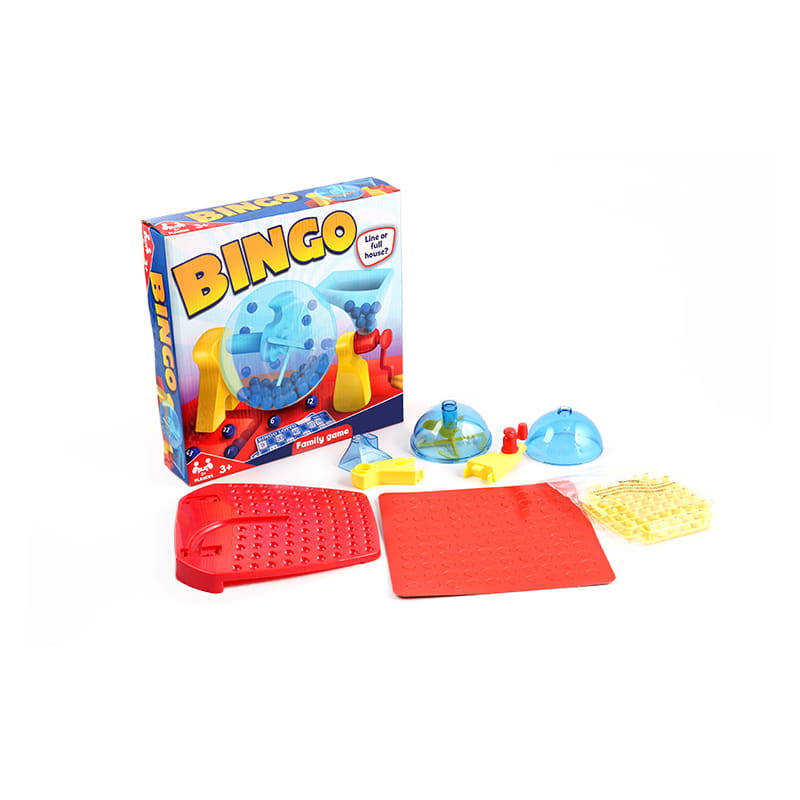
Plastic Bingo Game Set
Bingo Game is an entertaining game full of fun and surprises. It contains a beautiful shaker with a sleek design and bright colors that will catch eve...
View More -
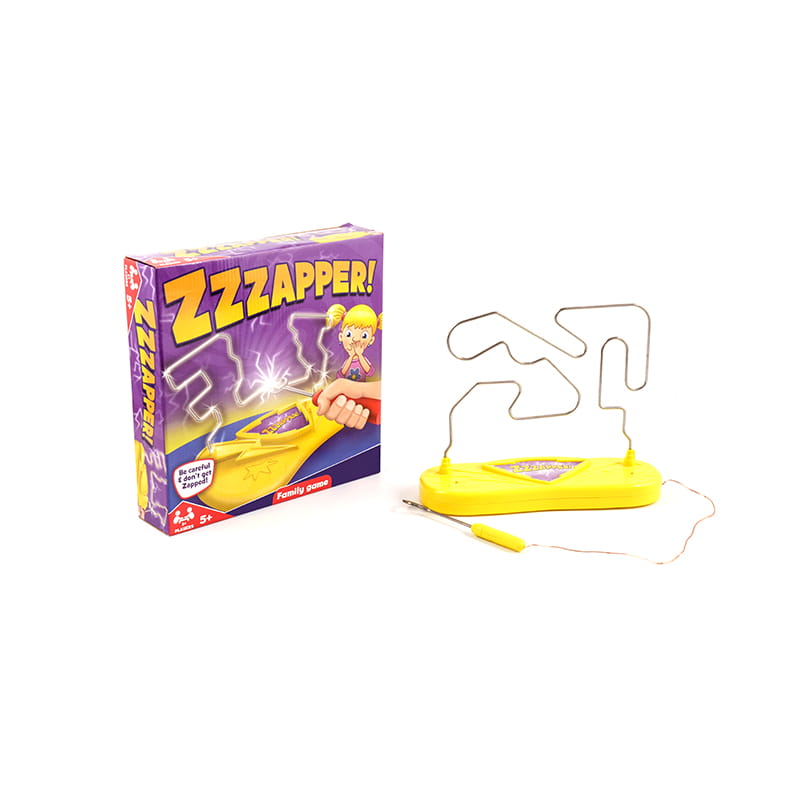
Plastic Beware Of Electrocution Game Toy
Beware of Electrocution Game is a unique family game designed to test players' concentration and balance. The game consists of a purple game box and a...
View More -
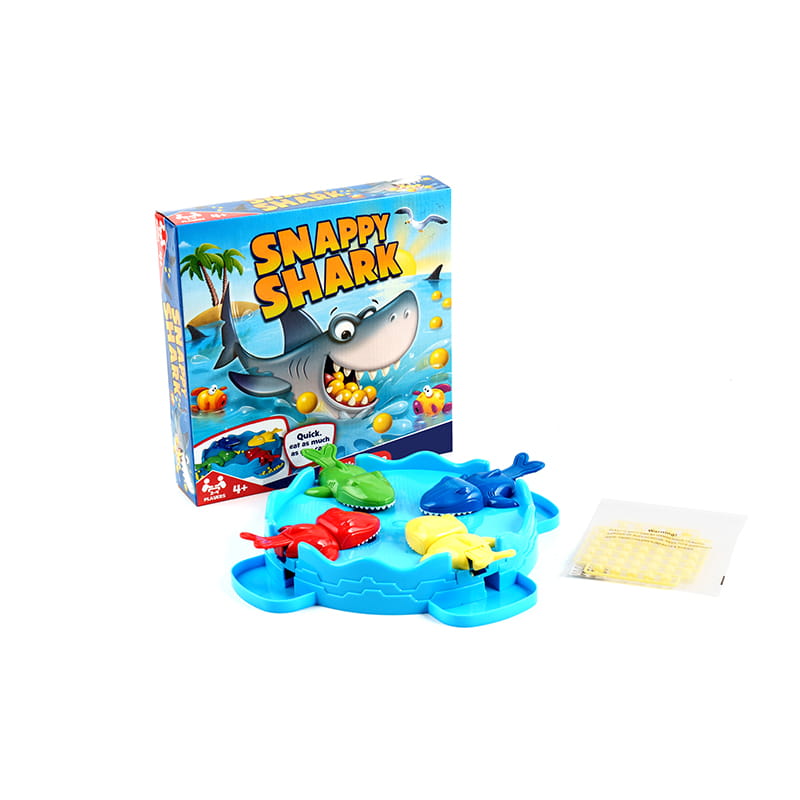
Plastic Shark Eat Beads Game Toy
Shark Eat Beads is a four-player interactive game with a “Snappy Shark” theme, where players need to quickly maneuver their sharks to eat as many ...
View More -
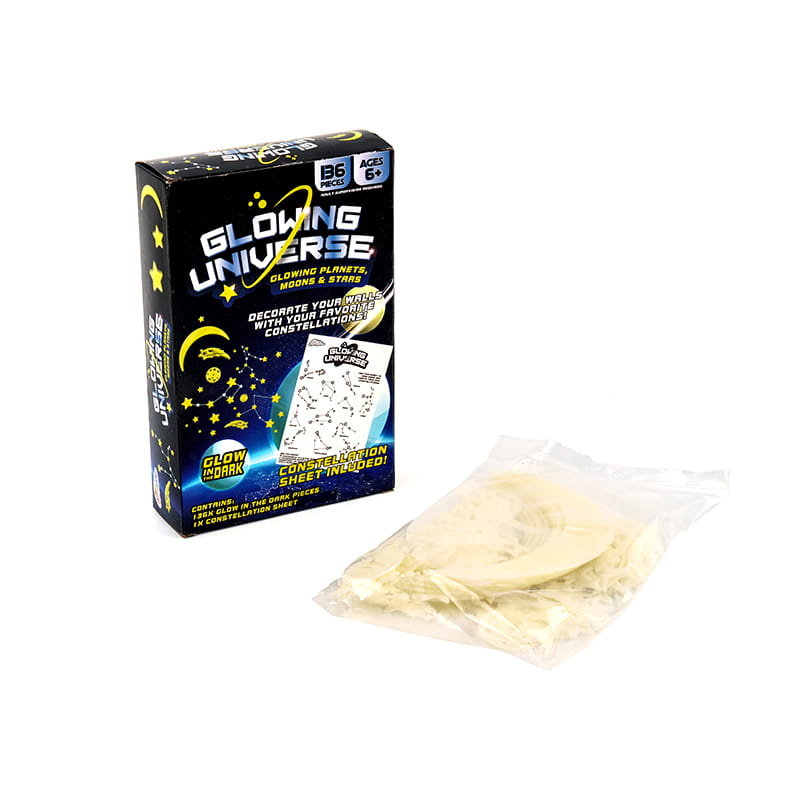
Luminous Star Patch
Luminous Starry Night Patch is a creative decoration. It contains a variety of cosmic elements, such as planets and stars, etc. It is made of special ...
View More -
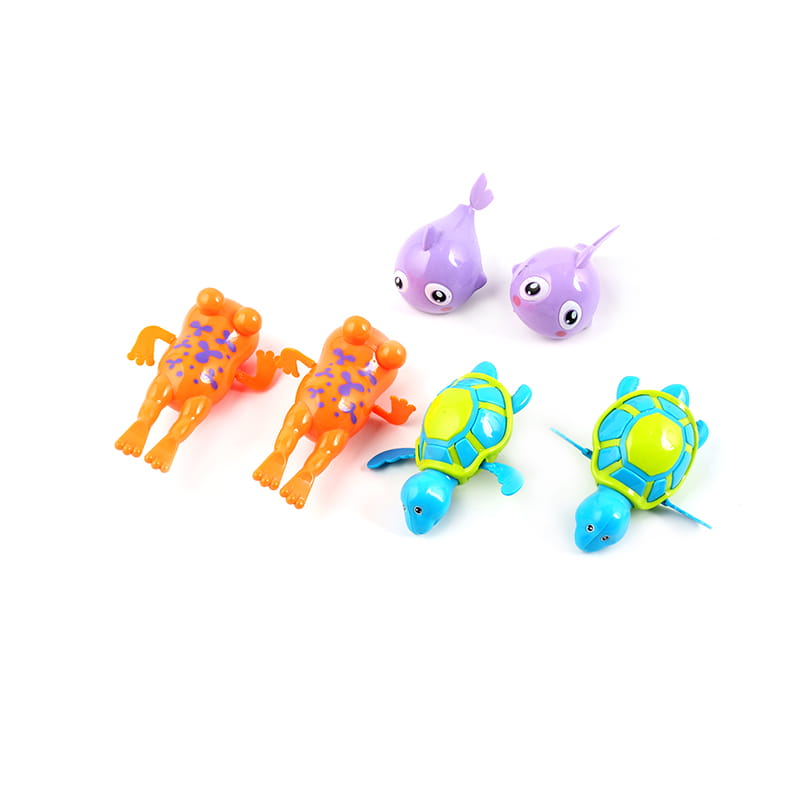
Plastic Uplink Animal Toy
The Uplink Animal Toy is a soothing toy set designed for baby showers. The set contains brightly colored and simply designed plastic toys such as an o...
View More -
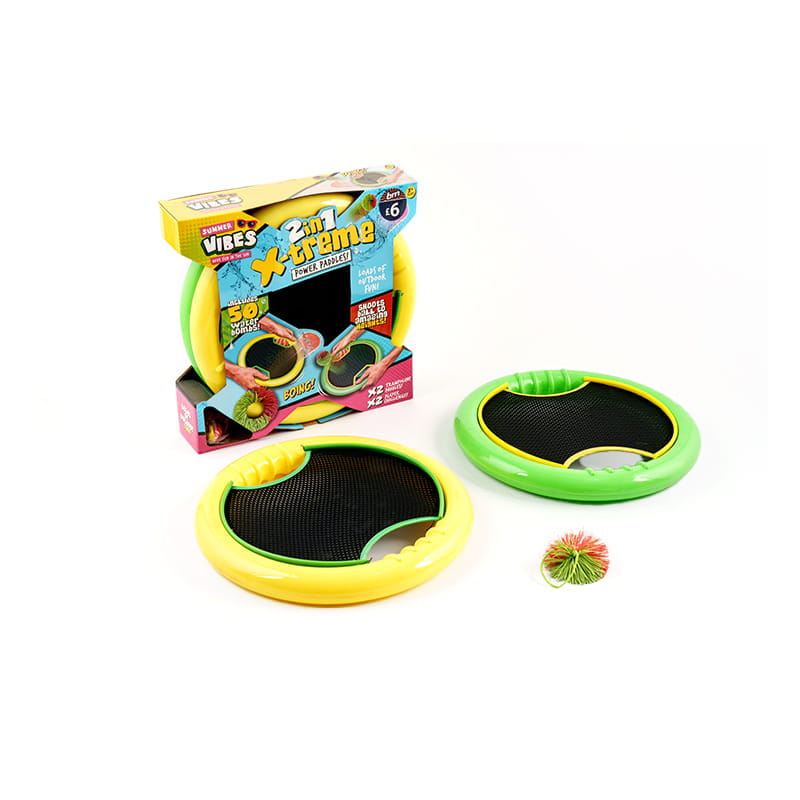
Beat About The Bush Toy Set
Clap Circle is a fun toy designed for children, containing 2 clappers and 1 colorful ball. This toy can be played alone to work on hand-eye coordinati...
View More

Copyright © Yuyao Leda Crafts Co., Ltd. All Rights
Reserved.

Children's Toys Factory
Children's Toys Manufacturer
Information
-
 Phone: +86-13056880051
 -
 fax: +86-574-62750718
 -
 E-mail:[email protected]
 -
 Add:Zhushan Village, Lizhou Street, Yuyao City, Ningbo, Zhejiang Province, China
Toys
Links
Contact Us