

 English
 English
 中文简体
中文简体- Type:
- Industry News
- Date
- 2026-Aug-04
Industry News
Children's Plastic Hula Hoop Guide: Types, Structure & Selection Tips
Content
- 1 Children's Plastic Hula Hoop: Direct Answer and Product Overview
- 2 Common Types and Key Features of a Kids' Plastic Hula Hoop
- 3 Structure and Material Composition
- 4 Comparing Core Product Attributes
- 5 Application Scenarios and Selection Guide
- 6 Detailed Comparison of Hula Hoop Configurations
- 7 Seasonal Demand Trends for Outdoor Play Toys
- 8 Segmented Adjustable Hoop vs Fixed-Size Hoop Comparison
- 9 Care and Maintenance Guidance
- 10 Frequently Asked Questions
- 10.1 Q1: What size hula hoop is right for my child?
- 10.2 Q2: Is a segmented hoop as sturdy as a one-piece hoop?
- 10.3 Q3: How should a hula hoop be cleaned and stored?
- 10.4 Q4: What should buyers check before working with an OEM or ODM factory for this product category?
- 10.5 Q5: Are adjustable hoops suitable as a child grows?
Children's Plastic Hula Hoop: Direct Answer and Product Overview
A Children's Plastic Hula Hoop is a lightweight ring-shaped toy, typically made from HDPE or PP plastic, sized and weighted specifically for a child's smaller frame and developing coordination. The right hoop depends primarily on three factors: tube diameter, overall hoop weight, and whether the design is a single fixed ring or a detachable segmented ring that assembles from interlocking sections. These three elements together determine how easy the hoop is for a child to control, how safely it can be stored, and how well it holds up to repeated outdoor and indoor play over time.
This article walks through the common types of children's plastic hula hoops, how their construction affects play performance and safety, where each configuration works best, how to compare options before purchasing, and how to care for a hoop so its color and shape hold up over repeated use. We also cover considerations relevant to distributors and wholesale buyers sourcing outdoor and active-play toys for retail or educational settings.
Key takeaway: hoop diameter and weight matched to a child's height and coordination level, not the number of colors or patterns, are what most reliably determine how enjoyable and safe a hula hoop is to use.
Common Types and Key Features of a Kids' Plastic Hula Hoop
Children's plastic hula hoops are generally grouped by structure and sizing method, each suited to a different age range and play setting. Understanding these categories helps buyers, whether stocking a family playroom or sourcing through a China manufacturer for retail distribution, match the right hoop to its intended young user.
Fixed-Size Single Ring Hoops
A fixed-size hoop is molded as one continuous ring, which gives it a smooth, uniform surface and consistent weight distribution. This structure suits younger children who benefit from a predictable, evenly balanced ring while learning basic waist or arm rotation.
Detachable Segmented Hoops
Segmented hoops snap together from several curved plastic sections, allowing the hoop to be taken apart for compact storage or travel. This portable design is popular with families and schools that need to store multiple hoops in limited space between uses.
Adjustable Diameter Hoops
Some segmented models include an adjustable connector that lets the number of sections, and therefore the overall diameter, be changed as a child grows. This flexibility can extend the practical usable life of a single hoop across several years of a child's development.
- Fixed-size ring: smooth surface, consistent weight, suited to younger beginners.
- Segmented detachable ring: compact storage, easier transport between activities.
- Adjustable diameter ring: sizing flexibility that adapts as the child grows.
- Textured or foam-wrapped tube: added grip and a softer surface for younger hands.
Key takeaway: segmented and adjustable designs trade a small amount of surface smoothness for meaningfully better storage convenience and longer usable life across a child's growth.
Structure and Material Composition
The play performance of a Children's Plastic Hula Hoop comes from several structural details working together rather than from a single specification. The tube itself is typically extruded HDPE or PP plastic, chosen for its combination of flexibility and impact resistance, which allows the hoop to hold its circular shape while still absorbing minor bumps against furniture or the ground. Tube diameter affects both weight and grip feel: a slightly thicker tube generally rotates with more momentum, which can make it easier for a beginner to keep spinning around the waist. Wall thickness is calibrated so the hoop remains rigid enough to hold its shape during vigorous play while staying light enough for a child to lift and swing comfortably.
For segmented models, the connector joints are molded to snap together securely without small detachable parts, which supports safer handling during active play. Surface coatings and pigments used in the plastic are selected for color retention under sunlight exposure, since outdoor hoops are frequently used in yards, driveways, and playgrounds where UV exposure can otherwise cause fading over a single season. Many manufacturers also round all edges and connector points during the molding process, removing sharp seams that could otherwise catch on clothing or skin during use.
| Component | Primary Function |
|---|---|
| HDPE or PP plastic tube | Provides flexibility and impact resistance |
| Wall thickness | Balances rigidity with manageable weight |
| Segment connectors | Enables assembly, disassembly, and compact storage |
| Rounded edges and seams | Reduces snagging and rough surfaces during play |
Key takeaway: tube material and wall thickness together determine whether a hoop stays lightweight enough for a child to control while still holding its shape through active use.
Comparing Core Product Attributes
Before looking at the chart below, it helps to understand what buyers typically weigh against each other when comparing children's hula hoops. Safety and durability tend to be the two attributes that most directly affect parent and educator confidence in a product. Portability and ease of assembly matter more for schools, camps, or families managing multiple hoops across different spaces. Colorfastness and weight suitability round out the comparison, influencing how long a hoop stays visually appealing and how easily a young child can actually use it. The chart illustrates typical relative priority levels commonly assigned to these attributes when designing an active-play toy for children, expressed on a 0–100 scale for comparison purposes.
The chart shows safety and non-toxic material composition receiving the highest relative emphasis, which reflects why plastic quality and surface finishing are usually the first specifications parents and buyers ask about. Durability follows closely, since a hoop that cracks or deforms after limited use fails to hold up to the repeated bumps and drops that are typical of active children's play. Weight suitability sits close behind, particularly relevant for younger children who need a hoop light enough to lift and rotate without strain. Ease of assembly becomes more important for segmented models, where a young child or supervising adult should be able to snap sections together without difficulty. Colorfastness and portability round out the list, mattering most for outdoor use and for households or schools that store multiple hoops between sessions. This pattern suggests that a well-designed Children's Plastic Hula Hoop should prioritize material safety and structural durability first, then weight and assembly convenience, before fine-tuning for color or storage format. Buyers comparing products from different suppliers can use this same attribute set as a practical checklist during evaluation. Distributors sourcing from a China supplier or China factory often request sample units specifically to test these attributes under real play conditions rather than relying on specification sheets alone. For OEM and ODM programs, this attribute framework also gives brand teams a consistent way to compare candidate factories before committing to a production run. Ultimately, no single attribute defines product quality in isolation; it is the combination of material, weight, and construction that determines how a plastic hula hoop performs across a full season of active children's play.
Application Scenarios and Selection Guide
Selecting the right children's plastic hula hoop depends heavily on where and how often it will be used. The table below separates two common scenarios so buyers can quickly identify which specifications matter most for their situation.
Home and Backyard PlayFixed-size or adjustable ring sized to the child's height Bright, colorfast finish suited to outdoor sunlight exposure Lightweight tube for easier waist or arm rotation Smooth rounded edges for casual, unsupervised play |
Schools and Group Activity SettingsSegmented detachable design for compact group storage Durable construction rated for frequent daily handling Consistent sizing across multiple units for group activities Easy-to-assemble connectors suited to younger supervised users |
Beyond these two broad categories, buyers should also weigh tube diameter, available color options, and packaging format for retail display. A durable and reliable build matters more for schools or rental play spaces where hoops see frequent, less careful handling. For retail and educational buyers, working with a professional OEM manufacturer or ODM manufacturer allows customization of hoop diameter, color combinations, and packaging to match a specific brand line.
Key takeaway: match hoop diameter and structure type to the setting first, then refine the choice using secondary features like color and packaging.
Detailed Comparison of Hula Hoop Configurations
The table below summarizes how the main configurations described earlier differ across the specifications buyers most often compare when sourcing a Children's Plastic Hula Hoop for retail or wholesale distribution.
| Configuration | Structure | Best Suited For | Storage Convenience |
|---|---|---|---|
| Fixed-size single ring | One-piece molded ring | Younger beginners, simple play | Low |
| Segmented detachable ring | Snap-together sections | Schools, group storage needs | High |
| Adjustable diameter ring | Variable-length segments | Growing children, multi-year use | High |
| Textured or foam-wrapped ring | Padded outer surface | Younger hands, added grip comfort | Moderate |
Key takeaway: no single configuration is universally best; the right choice depends on the child's age, the play setting, and how the hoop will be stored between uses.
Seasonal Demand Trends for Outdoor Play Toys
Outdoor toy purchases often follow a seasonal rhythm, and children's plastic hula hoops are no exception. Interest tends to build through spring as families begin spending more time outdoors, then climbs further heading into the school summer break when children have more free time for active outdoor play. Demand typically eases once school resumes in autumn, when structured schedules leave less time for open outdoor play. The line chart below presents an illustrative seasonal demand pattern that reflects this general behavior rather than data from any single study. It is intended to help retailers and buyers anticipate timing rather than represent an exact measurement.
The line stays relatively low through the winter months, reflecting reduced outdoor activity when colder weather keeps children indoors more often. A steady climb begins in March and continues through April and May, tracking the shift toward warmer weather and more time spent outside after school and on weekends. The pattern peaks around June and July, coinciding with the school summer break when children have significantly more free time available for active outdoor play. A gradual decline follows into September as school schedules resume and structured activities reduce the amount of open playtime available. The trend levels off through the final months of the year at a lower baseline, similar to where it began in January. This rhythm is useful for retailers planning inventory, since demand for a Children's Plastic Hula Hoop tends to build gradually rather than spike without warning. Wholesale buyers working with a China wholesale partner can use this general pattern to plan order timing several months ahead of the summer peak. It also explains why many product listings for kids' outdoor toys see increased search interest heading into spring. For manufacturers, this seasonal awareness supports production planning, since lead times for an OEM factory or ODM factory run typically need to be scheduled well before the anticipated summer demand peak. Recognizing this rhythm allows both brand owners and factories to align production schedules with realistic market timing rather than reacting to demand after it has already increased.
Segmented Adjustable Hoop vs Fixed-Size Hoop Comparison
A frequent question among buyers is how a segmented adjustable hoop compares with a traditional fixed-size hoop across everyday practical concerns rather than just initial cost. The radar chart below compares five dimensions that matter most in this decision: portability, adjustability, durability, storage convenience, and ease of assembly. Each dimension is scored on a relative scale rather than an absolute measurement, since actual performance varies by specific model and manufacturer. The comparison is intended as a general orientation guide rather than a claim about any particular product. Reading the chart from the center outward, a larger shaded area on a given axis indicates a stronger relative advantage on that dimension.
The shaded areas show the segmented adjustable hoop holding a clear relative advantage on portability, adjustability, and storage convenience, which aligns with its design purpose of fitting more easily into limited storage space and adapting as a child grows. Durability appears fairly close between the two structures, since both rely on similar plastic materials, though a one-piece fixed ring avoids connector joints entirely, which can give it a slight edge in raw structural simplicity. The fixed-size hoop pulls ahead on ease of assembly, since it requires no setup at all and is ready to use immediately out of the box. This trade-off is worth noting for buyers who prioritize immediate simplicity over storage flexibility, such as those buying a single hoop for casual home use. For schools, camps, or families managing several hoops across different age groups, the balance of advantages still favors the segmented adjustable format for its storage and sizing flexibility. The comparison also helps explain why both formats continue to coexist in the children's hula hoop market rather than one fully replacing the other. Retailers positioning a Children's Plastic Hula Hoop against simpler fixed-ring alternatives can use this framework to communicate practical benefits rather than relying on vague marketing claims. It is worth noting that individual products vary by manufacturer, and buyers should always confirm specific performance details with the supplier rather than assuming every unit performs identically across these five dimensions.
Care and Maintenance Guidance
Proper care extends the working life of a children's plastic hula hoop and helps preserve its color and structural shape over repeated use. Cleaning with mild soap and water removes dirt and outdoor residue without damaging the plastic surface or fading printed colors, and the hoop should be dried fully before storage to prevent moisture from being trapped inside segmented connector joints. Storing the hoop away from prolonged direct sunlight, such as indoors or in a shaded area, helps slow the gradual fading that UV exposure can cause on brightly colored plastic surfaces over time. For segmented models, periodically checking that connector joints remain snug and are not showing signs of cracking helps catch wear before it affects safe use during active play.
- Wipe the hoop down with mild soap and water after outdoor use.
- Dry all sections fully before storing, especially at connector joints.
- Store away from prolonged direct sunlight to reduce color fading.
- Disassemble segmented hoops for compact storage between uses.
- Periodically check connector joints for cracking or looseness before play.
Behind many of these product design details is the manufacturing and quality control work carried out by companies specializing in children's active-play toys. Yuyao Leda Craft Co., Ltd. was established in 2011 and is located by Hangzhou Bay, adjacent to the Hushu Ningbo Cross-Sea Bridge, giving it convenient transportation, developed logistics, and access to a complete industrial supply chain as an integrated manufacturing and trading enterprise combining design, research and development, production, and sales. The company develops a range of products including children's hula hoops, stress relief toys, DIY toys, board games, and outdoor interactive games for summer, and its products have been continuously exported to international markets including Europe and the United States since its establishment. This kind of manufacturing foundation supports both direct product lines and OEM and ODM partnerships for brand owners sourcing a Children's Plastic Hula Hoop as a China Brands partner or private-label supplier.
Key takeaway: gentle cleaning and shaded storage are the two habits most likely to preserve the color and structural integrity of a plastic hula hoop over multiple play seasons.
Frequently Asked Questions
Q1: What size hula hoop is right for my child?Hoop diameter is generally chosen relative to the child's height, with taller or older children typically using a larger diameter; checking the supplier's sizing guidance against the child's height is the most reliable way to select a suitable fit. |
Q2: Is a segmented hoop as sturdy as a one-piece hoop?Well-made segmented hoops with secure snap connectors generally perform reliably under normal play, though a one-piece ring avoids joints entirely, so buyers prioritizing maximum structural simplicity may prefer the fixed-size format. |
Q3: How should a hula hoop be cleaned and stored?Cleaning with mild soap and water, drying fully, and storing away from prolonged direct sunlight are the main steps that help preserve both the color and structural condition of the hoop between uses. |
Q4: What should buyers check before working with an OEM or ODM factory for this product category?Buyers typically review plastic material quality, wall thickness, connector durability, and the factory's quality control process, and many request sample units to evaluate weight, finish, and construction before confirming a production order. |
Q5: Are adjustable hoops suitable as a child grows?Yes, adjustable segmented hoops allow the diameter to be changed by adding or removing sections, which can extend the practical usable life of a single hoop across several years as a child's height increases. |
Children's Plastic Hula Hoop, kids plastic hula hoop, segmented hula hoop, adjustable hula hoop, outdoor toy manufacturer, China manufacturer, China factory, China supplier, China wholesale, OEM manufacturer, ODM manufacturer, OEM factory, ODM factory, OEM supplier, ODM supplier, wholesale supplier, wholesaler, exporter, durable hula hoop, reliable toy supplier, professional toy manufacturer, eco friendly toy, portable hula hoop, multifunction outdoor toy, China Producer, China Brands, from China, high quality hula hoop
Related Products
-
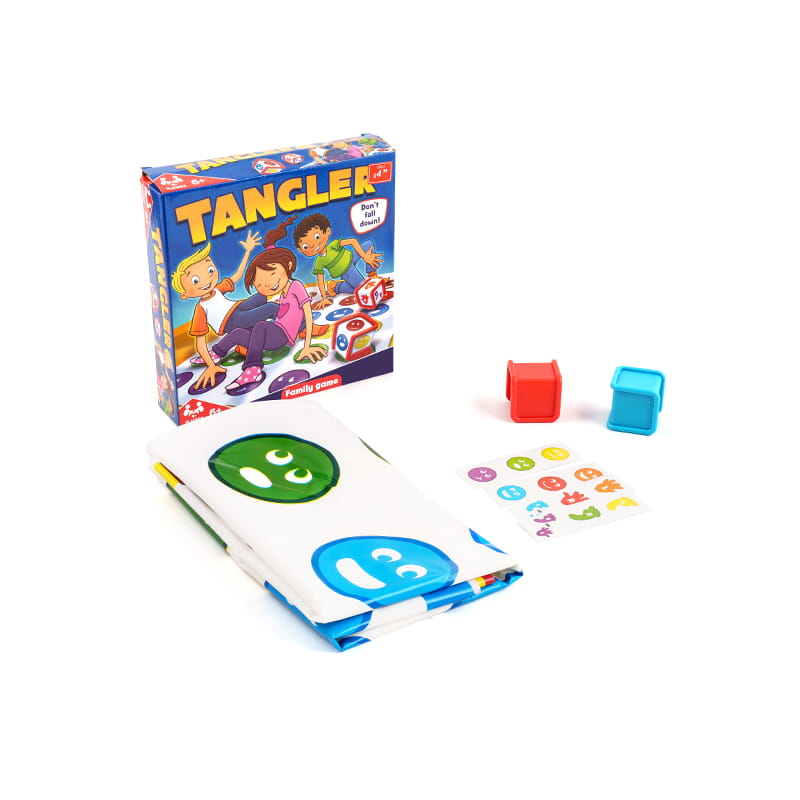
Plastic Tangler Game Set
TANGLER is a fun and challenging board game that requires players to use their hands and feet to meet conditions. During the game, players need to mov...
View More -
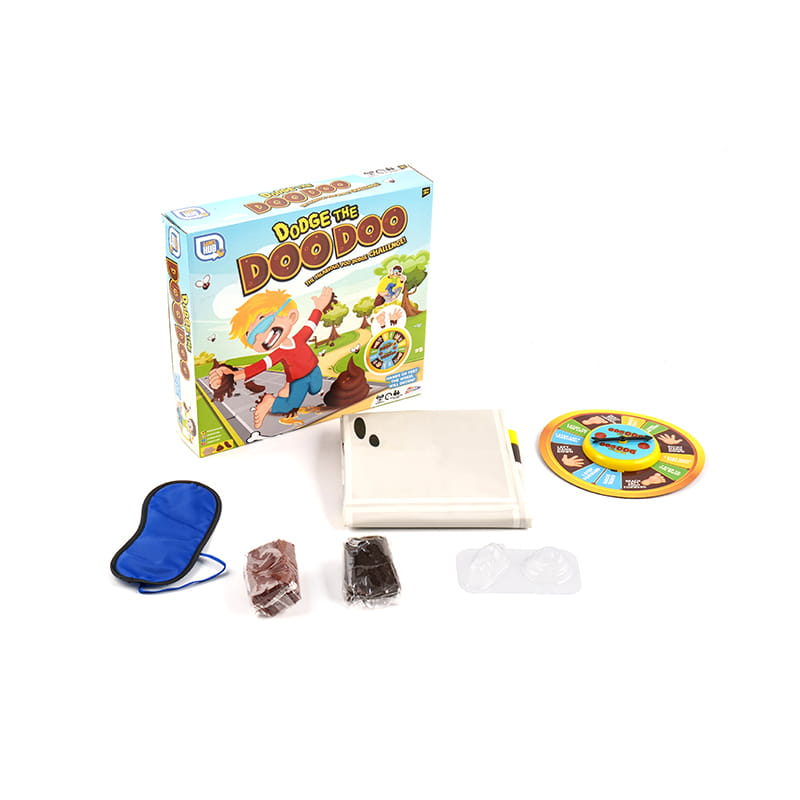
Dodge The Doggy Doo Game Set
Dodge The Doggy Doo is a fun and challenging game for kids. Children need to put on a blue blindfold and walk blindfolded to complete the tasks on the...
View More -
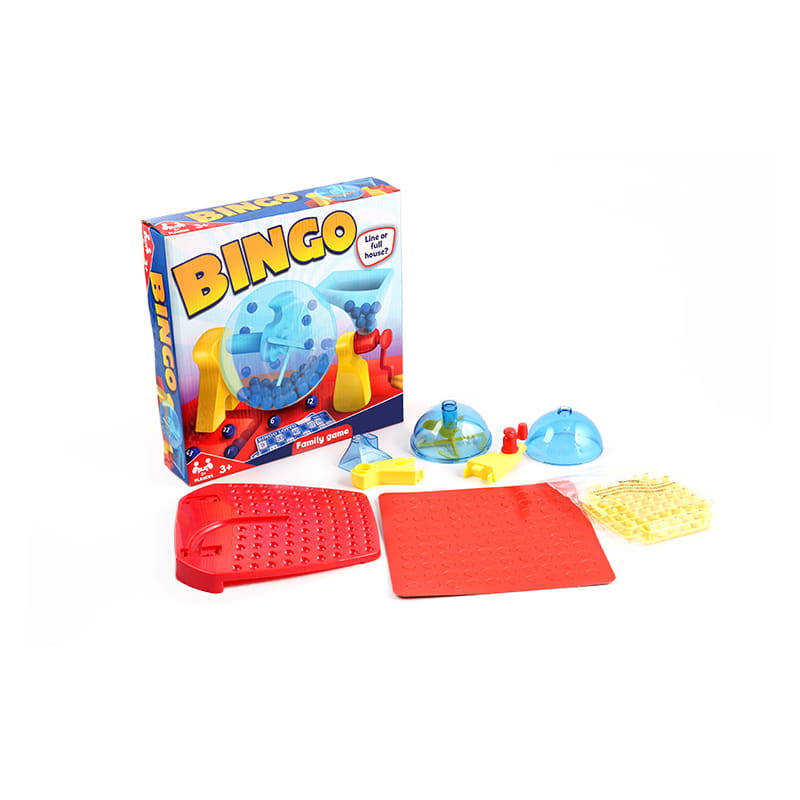
Plastic Bingo Game Set
Bingo Game is an entertaining game full of fun and surprises. It contains a beautiful shaker with a sleek design and bright colors that will catch eve...
View More -
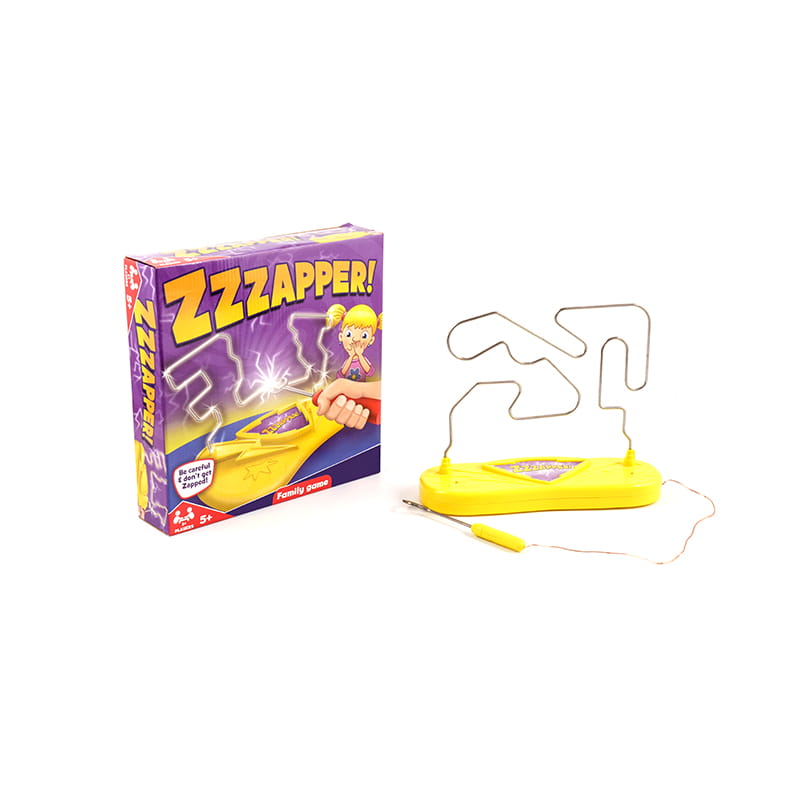
Plastic Beware Of Electrocution Game Toy
Beware of Electrocution Game is a unique family game designed to test players' concentration and balance. The game consists of a purple game box and a...
View More -
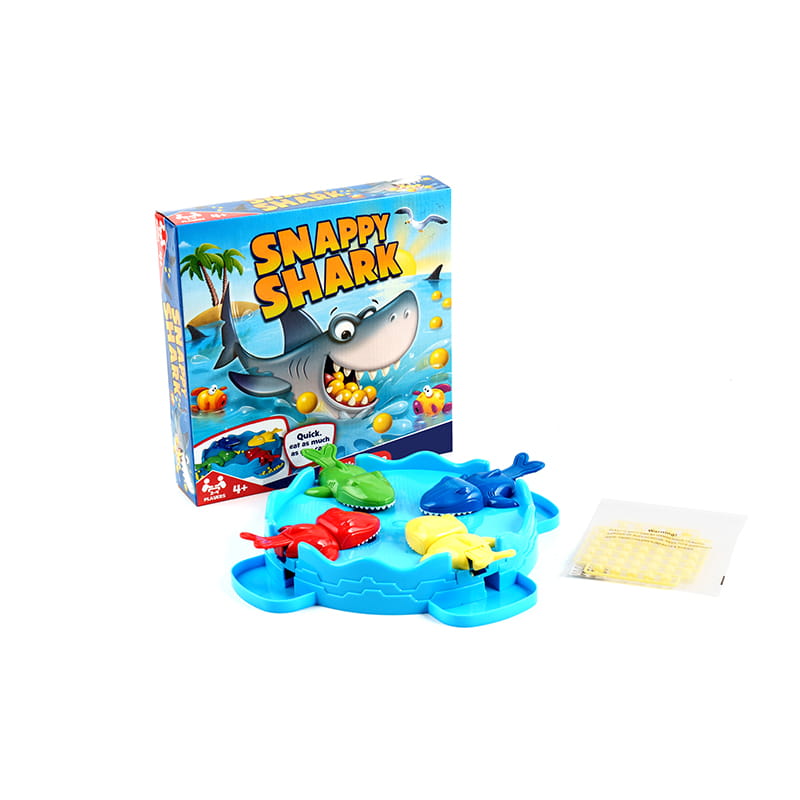
Plastic Shark Eat Beads Game Toy
Shark Eat Beads is a four-player interactive game with a “Snappy Shark” theme, where players need to quickly maneuver their sharks to eat as many ...
View More -
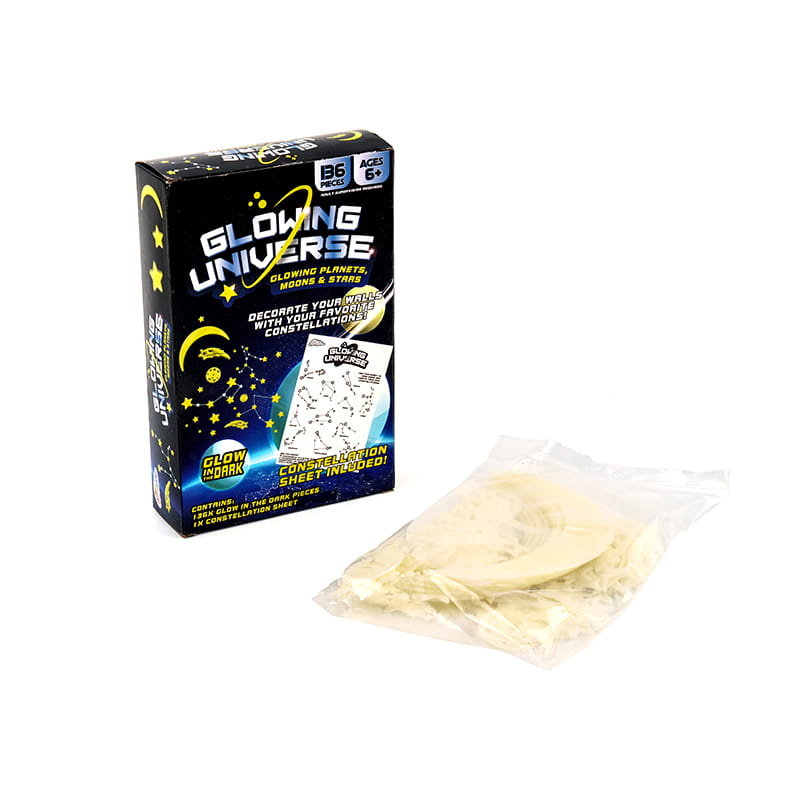
Luminous Star Patch
Luminous Starry Night Patch is a creative decoration. It contains a variety of cosmic elements, such as planets and stars, etc. It is made of special ...
View More -
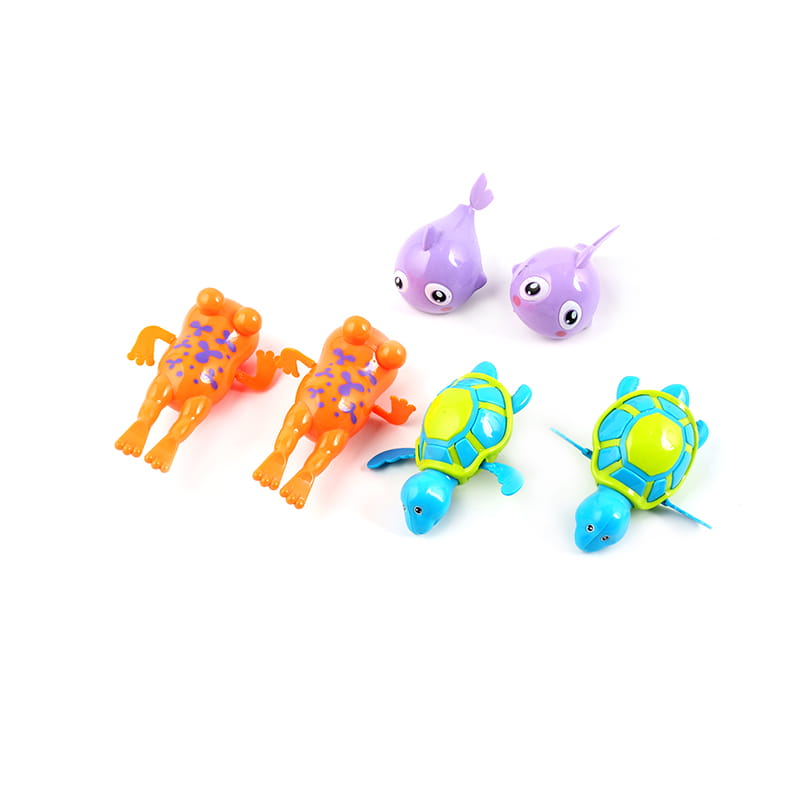
Plastic Uplink Animal Toy
The Uplink Animal Toy is a soothing toy set designed for baby showers. The set contains brightly colored and simply designed plastic toys such as an o...
View More -
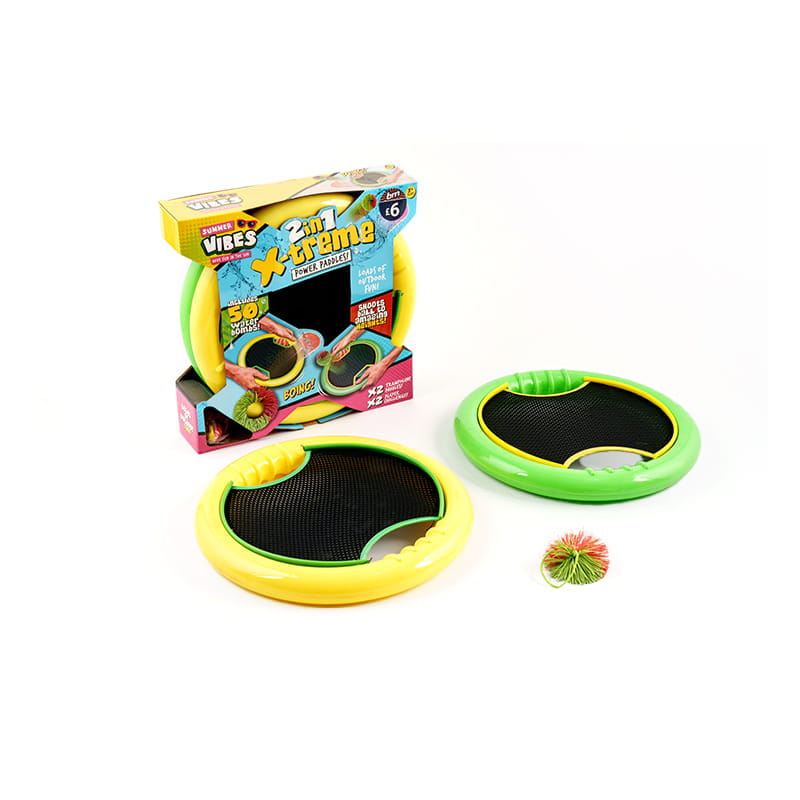
Beat About The Bush Toy Set
Clap Circle is a fun toy designed for children, containing 2 clappers and 1 colorful ball. This toy can be played alone to work on hand-eye coordinati...
View More

Copyright © Yuyao Leda Crafts Co., Ltd. All Rights
Reserved.

Children's Toys Factory
Children's Toys Manufacturer
Information
-
 Phone: +86-13056880051
 -
 fax: +86-574-62750718
 -
 E-mail:[email protected]
 -
 Add:Zhushan Village, Lizhou Street, Yuyao City, Ningbo, Zhejiang Province, China
Toys
Links
Contact Us