

 English
 English
 中文简体
中文简体- Type:
- Industry News
- Date
- 2026-Aug-12
Industry News
How to Choose a Plastics Toys Manufacturer: Types and Materials Guide
Content
- 1 Plastics Toys at a Glance: Direct Answer and Market Overview
- 2 Common Types of Plastics Toys and Their Characteristics
- 3 Material Structure and Manufacturing Principles Behind Plastics Toys
- 4 Industry Trends and Market Demand for Plastics Toys
- 5 Application Scenarios and Selection Criteria for Plastics Toys Buyers
- 6 Detailed Comparison of Plastics Toys Categories
- 7 Maintenance and Care Guidelines for Plastics Toys
- 8 Choosing a Plastics Toys Manufacturer and Supplier for Bulk Orders
- 9 Frequently Asked Questions About Plastics Toys
- 9.1 Q1: What materials are most commonly used to make plastics toys?
- 9.2 Q2: Are plastics toys suitable for outdoor use?
- 9.3 Q3: What should a buyer look for in a plastics toys manufacturer?
- 9.4 Q4: How are plastics toys typically customized for bulk or private-label orders?
- 9.5 Q5: How should plastics toys be cleaned and stored?
- 9.6 Q6: Is the plastics toys market growing?
Plastics Toys at a Glance: Direct Answer and Market Overview
Plastics toys are play products molded primarily from polymers such as HDPE, polypropylene (PP), ABS, EVA foam, or silicone, chosen because these materials are lightweight, impact-resistant, easy to color, and economical to mold in high volumes. In practice, the term covers a wide product family, from children's hula hoops and stress relief toys to DIY creative kits, chess and board toys, and summer outdoor interactive games. A buyer sourcing plastics toys is generally looking for a partner that can combine design flexibility, consistent molding quality, and export-ready production capacity, rather than a single item. That is the direct answer this guide works from: plastics toys are best understood as a materials-and-manufacturing category, not one product, and the right sourcing decision depends on matching a specific toy type to the correct polymer, molding process, and end-use setting.
The category also carries real commercial weight. Several published toy industry market research estimates place the global toy market in the range of roughly USD 128 to 138 billion in 2026, with projections showing continued expansion at a compound annual growth rate near 6 to 7 percent through the early-to-mid 2030s, pushing the overall market toward the USD 200 billion mark and beyond in various forecasts. Plastic materials remain the dominant substrate across this market because of their durability-to-weight ratio and their ability to hold intricate molded detail, even as buyers increasingly ask about recycled or bio-based polymer options. For a business evaluating a plastics toys manufacturer or a plastics toys company as a long-term supply partner, understanding how this category is structured, how it is built, and how categories compare against one another is the practical starting point before any purchase order conversation begins.
Key takeaway: plastics toys is a broad, materials-defined category, and choosing the right supplier depends on matching product type, polymer, and molding process to your target market rather than treating all plastic toys as interchangeable.
Common Types of Plastics Toys and Their Characteristics
Most catalogs from a custom plastics toys manufacturer are organized around a handful of core product families, and each family behaves differently in terms of molding complexity, decoration needs, and end use. Grouping toys this way helps a buyer quickly narrow down which category fits a target retail channel, promotional campaign, or seasonal program. The six families below reflect how plastics toys are commonly segmented across children's play, creative activity, tabletop games, and outdoor recreation.
- Hula Hoops
Ring-shaped exercise and play toys, usually segmented for compact shipping. - Stress Relief Toys
Soft-touch squeeze or fidget items used for sensory and desk-based play. - DIY, Tie-Dye & Sand Kits
Creative activity sets combining plastic tools with colored media. - Chess & Board Toys
Tabletop strategy sets with molded pieces and folding boards. - Summer Outdoor Games
Multiplayer yard and beach games built for repeated outdoor use. - Seasonal / Easter Toys
Holiday-themed plastic novelty items tied to seasonal retail cycles.
| Category | Typical Material | Core Function | Typical Setting |
|---|---|---|---|
| Children's Hula Hoops | HDPE / PP | Physical activity, coordination | Home, school, outdoor |
| Stress Relief Toys | Silicone / TPR | Sensory play, desk stress relief | Office, classroom, retail gifting |
| DIY / Tie-Dye / Sand Toys | PP + fabric/media components | Creative, hands-on activity | Home, camps, classrooms |
| Chess & Board Toys | ABS / PP | Strategy, family game time | Home, gift sets |
| Summer Outdoor Games | HDPE / PE foam / EVA | Group play, physical activity | Backyard, beach, park |
Key takeaway: each plastics toys category is built around a different combination of polymer and function, so category-level clarity should come before any product-line negotiation with a plastics toys supplier.
Material Structure and Manufacturing Principles Behind Plastics Toys
The structural backbone of any plastics toy is the polymer it is molded from, and each polymer contributes a different balance of stiffness, flexibility, and cost efficiency. HDPE (high-density polyethylene) is favored for hula hoops and outdoor game components because it resists cracking under repeated impact and outdoor temperature swings. PP (polypropylene) is common in board and chess pieces, hinges, and folding components because it tolerates repeated flexing without fatigue. ABS is used where a harder, more dimensionally stable surface is needed, such as gears, connectors, or precision-fit parts. EVA foam appears in softer outdoor items like foam planes or padded playset components, and silicone or TPR is the material of choice for stress relief and sensory toys because of its elasticity and pleasant tactile feel.
Molding Processes Used Across the Category
Behind these materials sits a small set of manufacturing processes. Injection molding is the workhorse process for rigid components such as chess pieces, hoop segments, and game bases, producing consistent, detailed parts at high volume. Blow molding is used for hollow forms, including some hoop tubing and beach toy shapes, where an even wall thickness and light weight matter. Rotational molding suits larger hollow items that need extra wall strength without heavy tooling costs. Foam molding is applied to EVA components that need to be soft, buoyant, or cushioned. A capable plastics toys manufacturer typically runs several of these processes in parallel so that a single order combining hard components, soft components, and printed decoration can be produced under one roof.
Understanding these material trade-offs matters because it directly affects how a toy performs in the field, not just how it looks in a catalog photo. The next five points frame the comparison shown below: first, each material is being scored on a general, illustrative impact-durability basis rather than a certified engineering test. Second, higher scores broadly indicate materials better suited to repeated outdoor impact and UV exposure. Third, lower scores do not mean a material is unsuitable, only that it is better matched to gentler, indoor, or sensory-focused applications. Fourth, the comparison draws on widely referenced general properties of these polymer families rather than any single proprietary lab report. Fifth, buyers should treat this as a starting filter for conversations with their supplier's engineering team, not a final specification.
Figure 1. General impact-durability comparison of common plastics toy materials (illustrative index, not a certified lab result).
Reading the chart from top to bottom, HDPE scores highest because it is the standard choice for outdoor hoops and game frames that face repeated ground contact, sun exposure, and seasonal temperature changes. ABS sits close behind, reflecting its use in structural connectors and precision components where dimensional stability matters more than flexibility. PP lands in the middle of the range, which fits its role in hinged or repeatedly flexed parts such as folding board toys and clip mechanisms, where fatigue resistance is more important than raw impact strength. EVA foam scores lower on this particular index because its purpose is cushioning and light weight rather than rigid impact resistance, and it is generally paired with a harder frame material in composite products. Silicone sits at the bottom of this specific durability index for the same reason foam does: its value lies in softness and tactile feedback for stress relief and sensory items, not structural strength. None of these lower scores should be read as a quality problem; they simply reflect that the material is doing a different job. For a summer outdoor games program, a buyer should weight HDPE and PP components heavily. For a stress relief toys program, silicone's lower durability score is irrelevant because the product is not expected to survive outdoor impact in the first place. For a mixed-category order that spans hula hoops, DIY toys, and board games, this chart is most useful as a quick way to sanity-check whether a proposed material choice matches the toy's real-world use case before tooling begins. Buyers working with a plastics toys company on a new SKU should ask which of these five materials the proposed part will use, and why, as a standard part of the design review conversation.
Key takeaway: material selection should follow the toy's real-world use case, with HDPE and PP favored for outdoor and structural parts, and silicone or EVA reserved for soft-touch, sensory-focused applications.
Industry Trends and Market Demand for Plastics Toys
Demand patterns for plastics toys are shifting along three fairly consistent lines across published industry research. First, sustainability is moving from a niche consideration to a mainstream purchasing factor, with recycled or bio-based content now appearing in a meaningful share of new product launches rather than being an occasional add-on. Second, buyers and parents are placing more weight on educational and developmental value, favoring toys that combine open-ended play with some skill-building element, which benefits DIY, creative, and strategy-based categories. Third, outdoor and physical-activity toys, including hoops and multiplayer yard games, are being highlighted by several market analysts as a segment with above-average growth potential, tied to renewed interest in low-screen, physically active playtime. Regionally, Europe and North America continue to represent strong, quality-sensitive demand centers for plastics toys, while manufacturing and design capability remains concentrated in a small number of established production regions.
According to several published toy industry market research reports, recycled plastic content now appears in close to one-fifth of newly launched toy collections, and the broader sustainable toy segment has been estimated to be growing considerably faster than the toy market as a whole. At the same time, traditional plastic remains dominant in the near term because of its cost-efficiency, molding precision, and proven durability, meaning most manufacturers are pursuing a gradual blend of recycled and virgin material rather than an abrupt material switch. This is a useful nuance for buyers: a plastics toys manufacturer offering a sustainability roadmap alongside standard production, rather than promising an instant full conversion, is generally reflecting the pace at which the wider industry is actually moving.
The following chart puts these trends into a longer time frame. Before looking at it, five points of context are useful. First, the figures shown are approximate, rounded values compiled from several published toy industry market research estimates rather than a single proprietary data set. Second, the curve is meant to illustrate a general growth direction rather than to serve as a precise forecast for any one year. Third, growth across this period is not expected to be perfectly linear, since it depends on broader consumer spending cycles. Fourth, plastics toys represent a substantial share of this total market given how widely the material is used across nearly every toy sub-category. Fifth, the chart is best read alongside the category-level demand notes above rather than in isolation.
Figure 2. Approximate global toy market growth trend, compiled and rounded from multiple published industry market research estimates.
The overall shape of this curve is a steady upward trend rather than a sharp spike, which matches how most published forecasts describe the category: consistent, mid-single-digit-to-high-single-digit percentage growth compounding over more than a decade. The steepening in the later years reflects compounding growth rather than any single dramatic event, which is typical of CAGR-based projections once a base value has grown large enough. Early in the period, the market moves through a recovery and stabilization phase, and from the mid-2020s onward the trend line reflects several converging demand drivers described earlier, including educational toy demand, outdoor and physical-activity toy growth, and gradually increasing sustainable material adoption. Plastics toys, as a materials category, are embedded throughout nearly every point on this curve because plastic remains the dominant substrate across almost all toy sub-segments, from building sets to outdoor games to tabletop pieces. For a plastics toys manufacturer, this trend line supports continued investment in tooling and production capacity rather than a defensive, shrinking-market posture. For a buyer or brand sourcing plastics toys, the practical implication is that supplier capacity and lead-time planning matter more over time, since steady category growth tends to tighten mold-shop and production scheduling during peak seasons. It is also worth noting that this chart aggregates the entire toy market, not plastics toys alone, so it should be read as directional market context rather than a plastics-specific forecast. Buyers evaluating a specific plastics toys supplier should still confirm that supplier's own production capacity and lead times directly, since aggregate market growth does not automatically translate into available capacity at any single factory.
Key takeaway: the plastics toys category sits inside a toy market that multiple industry estimates expect to keep growing steadily, making supplier capacity planning and lead-time management increasingly important for buyers.
Application Scenarios and Selection Criteria for Plastics Toys Buyers
Plastics toys move through several distinct commercial channels, and the right selection criteria change depending on which channel a buyer is sourcing for. A retail gift-set buyer cares most about packaging presentation and shelf appeal, while a promotional or premium buyer cares more about branding surface area and unit consistency across large volumes. A school, camp, or educational program buyer prioritizes safety-friendly design and ease of group handling, and an outdoor recreation or park-facility buyer needs toys that hold up to repeated, unsupervised outdoor use. Matching the application scenario to the correct product family, listed side by side below, helps narrow supplier conversations quickly.
Application Scenarios
|
Selection Criteria
|
To make these trade-offs concrete, it helps to compare a few representative categories side by side across the attributes that matter most for scenario planning. Before the chart, five framing points: first, the ratings below are an editorial, illustrative comparison meant to guide category selection, not a certified test result. Second, each axis reflects a general tendency for that category rather than every individual product within it. Third, higher values toward the outer edge indicate a stronger fit for that particular attribute. Fourth, the three categories were chosen because they represent distinct commercial use cases: outdoor group play, indoor creative activity, and tabletop strategy play. Fifth, this comparison is intended to sit alongside, not replace, direct conversation with a plastics toys company about a specific product line.
Figure 3. Illustrative comparison of three plastics toys categories across five buyer-relevant attributes.
Reading the shapes rather than any single number tells the clearest story here. Summer outdoor games push furthest toward outdoor suitability, group play, and physical activity, which fits their role as multiplayer, backyard-oriented products designed for repeated exposure to sun, sand, and grass. DIY and creative toys, by contrast, extend further along the creative and educational axis and the customization axis, reflecting how tie-dye, sand, and chalk activity kits are built around open-ended making rather than structured competition. Chess and board toys sit in between on most axes but reach nearly as far as outdoor games on group play, since tabletop strategy games are inherently social even though they are typically played indoors and at a slower physical pace. None of the three shapes dominates every axis, which is the point: a buyer should choose based on which attributes matter most for their specific channel rather than assuming one category is broadly superior. A summer camp program, for instance, is likely to prioritize the outdoor games shape, while a retail gift channel focused on creativity may lean toward the DIY toys shape instead. A family-oriented gift retailer might favor the chess and board toys shape for its balance of social engagement and manageable production complexity. Because customization potential also varies by category, buyers planning a private-label program should factor this into early conversations with their plastics toys manufacturer, since higher customization categories generally involve more design and tooling coordination before mass production begins.
Key takeaway: match the application scenario to the category's natural strengths, since outdoor games, creative DIY toys, and board toys each optimize for a different mix of physical activity, creativity, and social play.
Detailed Comparison of Plastics Toys Categories
Once an application scenario is identified, it helps to compare categories side by side across the practical dimensions that shape a purchase order: material, play format, setting, and how much customization complexity to expect. The table below consolidates these points for the five core categories discussed throughout this guide.
| Category | Play Format | Indoor / Outdoor | Customization Complexity | Typical Packaging |
|---|---|---|---|---|
| Hula Hoops | Solo / group | Outdoor-leaning | Moderate | Polybag / header card |
| Stress Relief Toys | Solo | Indoor | High (color/shape) | Blister card / poly bag |
| DIY / Tie-Dye / Sand Toys | Solo / small group | Indoor | High (kit contents) | Box set |
| Chess & Board Toys | Group | Indoor | Moderate | Folding box |
| Summer Outdoor Games | Group | Outdoor | Moderate | Carry bag / box set |
Customization is one of the most variable factors in this table, so it deserves a closer look. Before the chart below, five points of framing: first, the percentages shown are a general, illustrative pattern based on the kinds of customization requests commonly seen across B2B toy orders, not a fixed rule for every buyer. Second, three customization types are grouped together here: color and print decoration, packaging design, and material or size adjustments. Third, categories with more visible surface area, such as stress relief toys, tend to draw a higher share of color and print requests. Fourth, categories sold as multi-item sets, such as DIY kits, tend to draw a higher share of packaging-related customization. Fifth, this breakdown is meant to help a buyer anticipate which conversations will take the most design time with their supplier, not to imply that any one category is easier or harder overall.
Figure 4. Illustrative breakdown of typical customization request types by plastics toys category.
Across all five categories, color and print customization consistently makes up the largest or second-largest share, which reflects how central visual branding is to most B2B toy orders, whether the buyer is a retailer, a promotional agency, or an educational program. Stress relief toys show the highest share of color and print requests among the five, which lines up with their role as small, highly visible branded giveaway items where the surface finish is the main design decision. DIY and tie-dye kits show the largest packaging share, since these products are typically sold as multi-component sets where box layout and instructional inserts matter as much as the individual pieces inside. Chess and board toys show a relatively even split across all three customization types, reflecting a mix of piece design, board printing, and box construction that all need coordinated attention. Outdoor games show a notably higher material and size share compared to indoor categories, which makes sense given that outdoor products more often need size adjustments for different age groups or reinforced material specifications for repeated outdoor use. Hula hoops sit in a middle position, balancing color customization with moderate packaging and sizing needs tied to segment count and hoop diameter. For a buyer planning a multi-category order, this pattern suggests allocating more design-review time to the categories with a larger material or packaging share, since those conversations tend to involve more engineering coordination than a straightforward color change. A plastics toys wholesaler managing several private-label programs at once can use this pattern to set realistic internal timelines for each product line rather than assuming every category requires the same design lead time.
Key takeaway: customization complexity varies meaningfully by category, so buyers should budget extra design and coordination time for packaging-heavy or size-sensitive product lines rather than treating every plastics toys order the same way.
Maintenance and Care Guidelines for Plastics Toys
Plastics toys are generally low-maintenance compared to fabric or electronic toys, but a few consistent care habits extend usable life and keep products looking presentable, whether they sit on a retail shelf, in a classroom bin, or in a family backyard. The steps below apply broadly across hula hoops, stress relief toys, DIY kits, board toys, and outdoor game sets.
- Wipe hard plastic surfaces with a damp cloth and mild soap rather than abrasive cleaners, which can dull printed graphics over time.
- Allow fully dry before storage, since trapped moisture in segmented or hollow parts, such as hoop tubing, can encourage odor or mildew.
- Store outdoor items such as hoops and yard games out of prolonged direct sunlight when not in use, since extended UV exposure gradually affects color and surface flexibility.
- Keep silicone and TPR stress relief toys away from high heat sources, which can distort their shape over time.
- Inspect DIY kit components such as chalk, sand, or dye packets periodically and replace consumable elements rather than the reusable plastic tools.
- Store board and chess pieces in their original tray or box insert to prevent loose parts from being lost or crushed.
- Periodically check hinge points, connectors, and segmented joints for wear, particularly on frequently used group-play items.
Key takeaway: simple, consistent cleaning, drying, and storage habits are usually enough to keep plastics toys performing well across repeated seasonal use.
Choosing a Plastics Toys Manufacturer and Supplier for Bulk Orders
Selecting a plastics toys manufacturer for a bulk or private-label program generally comes down to a handful of practical checks: production capacity across multiple molding processes, in-house design and R&D capability so new SKUs can move from concept to sample efficiently, documented export experience with the buyer's target region, a clear customization workflow for color, packaging, and material requests, and responsive communication throughout sampling and production. Buyers sourcing across several categories, such as hoops, DIY kits, and outdoor games in the same order, benefit most from a plastics toys company that can consolidate multiple product families under a single production and shipping timeline rather than coordinating separate factories for each category.
Yuyao Leda Craft Co., Ltd. is an example of this kind of integrated setup. Established in 2011 and based near Hangzhou Bay, adjacent to the Hushu Ningbo Cross-Sea Bridge, the company combines design, R&D, production, and sales within one organization, supported by convenient transportation and a developed regional supply chain for plastics and packaging materials. Its product lineup spans several of the categories discussed throughout this guide, including children's plastic hula hoops, stress relief toys, DIY, tie-dye, and colored sand kits, chess and board toys, and summer outdoor interactive games. Operating under a "Customer First, Diligent Progress" business philosophy, the company has continued exporting to international markets including Europe and the United States since its founding, and it works with international buyers on customization requests spanning color, print, packaging, and material adjustments across its product range. For a business evaluating a plastics toys supplier or plastics toys wholesaler for an upcoming program, this kind of multi-category, export-oriented manufacturing base is generally a useful reference point for what a well-rounded plastics toys manufacturing partner looks like.
Key takeaway: look for a plastics toys manufacturer that combines multi-category production capacity, in-house design support, and established export experience, since that combination reduces coordination overhead across a mixed-category order.
Frequently Asked Questions About Plastics Toys
Q1: What materials are most commonly used to make plastics toys?HDPE, polypropylene, ABS, EVA foam, and silicone or TPR are the most common materials, each chosen based on whether the part needs to be rigid, flexible, soft-touch, or lightweight. |
Q2: Are plastics toys suitable for outdoor use?Many are, particularly items molded from HDPE or PP, which are commonly used for hula hoops and summer outdoor games specifically because they hold up well to sun exposure and repeated impact. |
Q3: What should a buyer look for in a plastics toys manufacturer?Look for multi-process molding capability, in-house design and sampling support, export experience with your target market, and a clear process for handling color, packaging, and material customization requests. |
Q4: How are plastics toys typically customized for bulk or private-label orders?Common customization options include color and print branding, packaging design, and adjustments to size or material, with the balance of requests varying by product category. |
Q5: How should plastics toys be cleaned and stored?Wipe with a damp cloth and mild soap, dry fully before storage, and keep outdoor items out of prolonged direct sunlight to help preserve color and material flexibility over time. |
Q6: Is the plastics toys market growing?Several published toy industry market research estimates project steady, multi-year growth for the broader toy market, with plastics remaining the dominant material across most sub-categories. |
Related Products
-
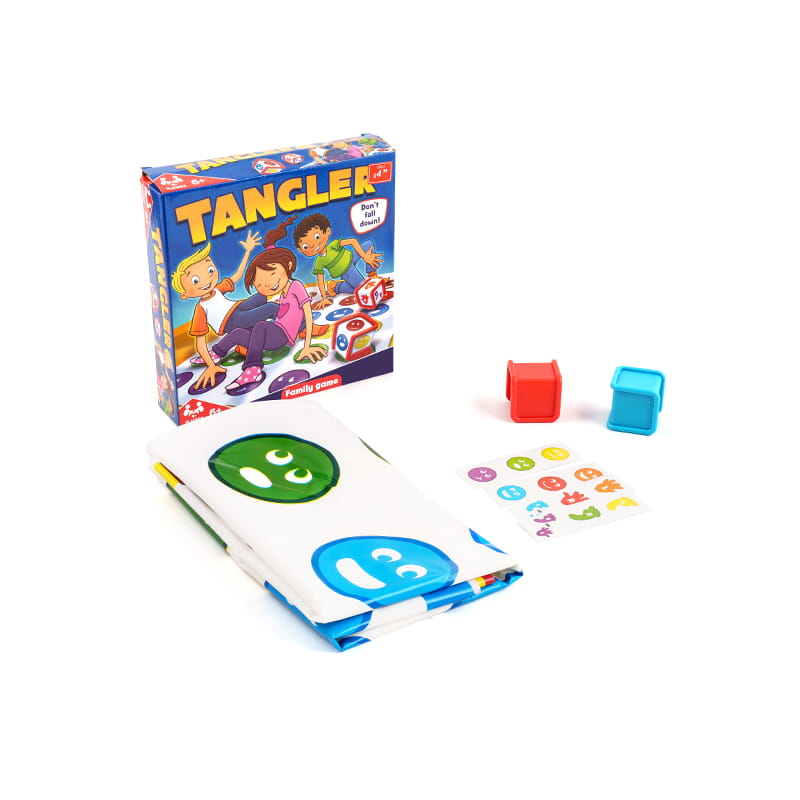
Plastic Tangler Game Set
TANGLER is a fun and challenging board game that requires players to use their hands and feet to meet conditions. During the game, players need to mov...
View More -
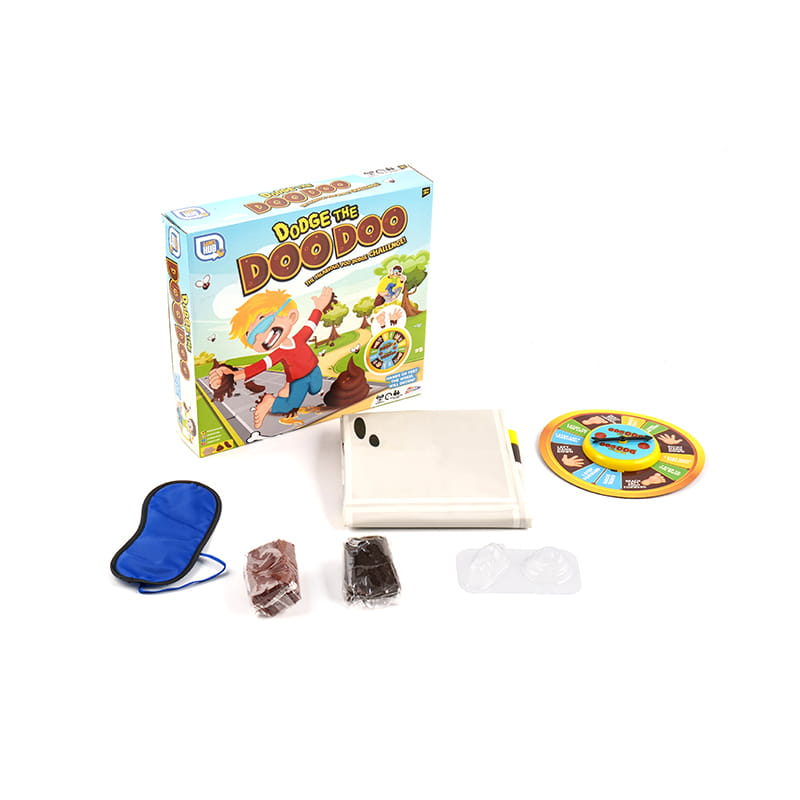
Dodge The Doggy Doo Game Set
Dodge The Doggy Doo is a fun and challenging game for kids. Children need to put on a blue blindfold and walk blindfolded to complete the tasks on the...
View More -
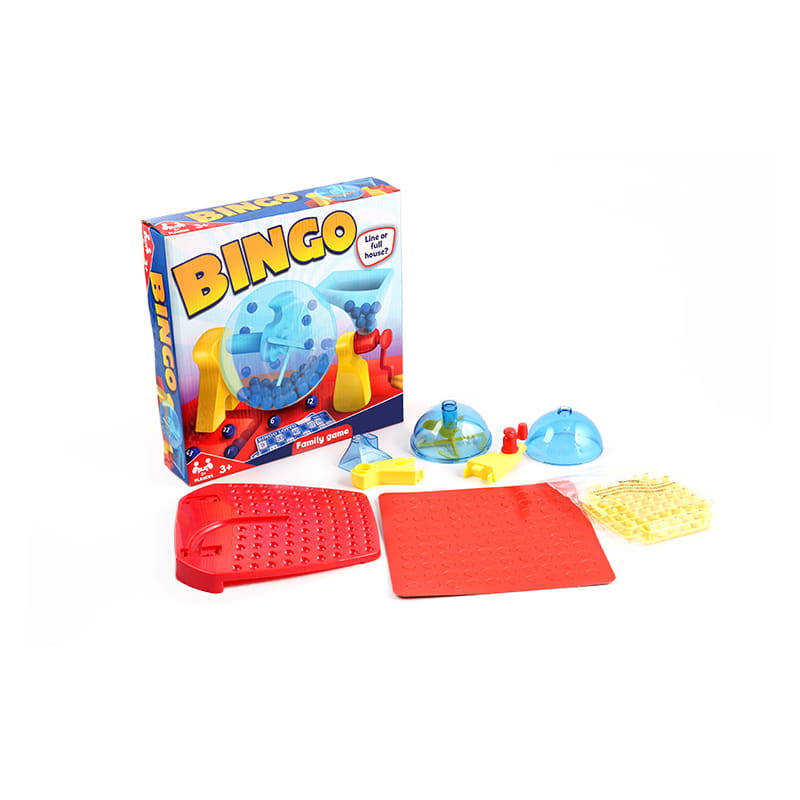
Plastic Bingo Game Set
Bingo Game is an entertaining game full of fun and surprises. It contains a beautiful shaker with a sleek design and bright colors that will catch eve...
View More -
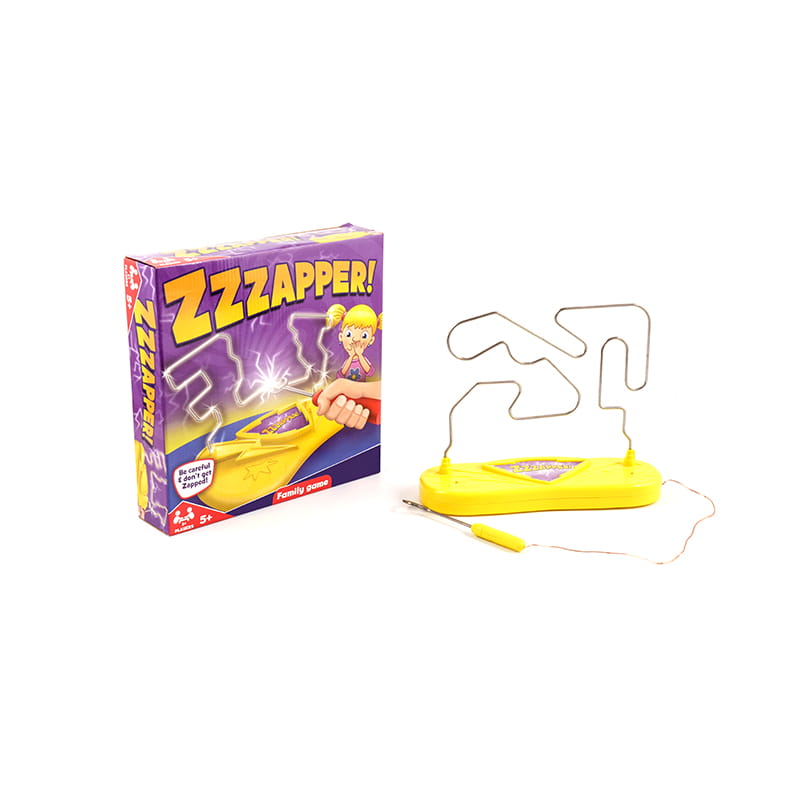
Plastic Beware Of Electrocution Game Toy
Beware of Electrocution Game is a unique family game designed to test players' concentration and balance. The game consists of a purple game box and a...
View More -
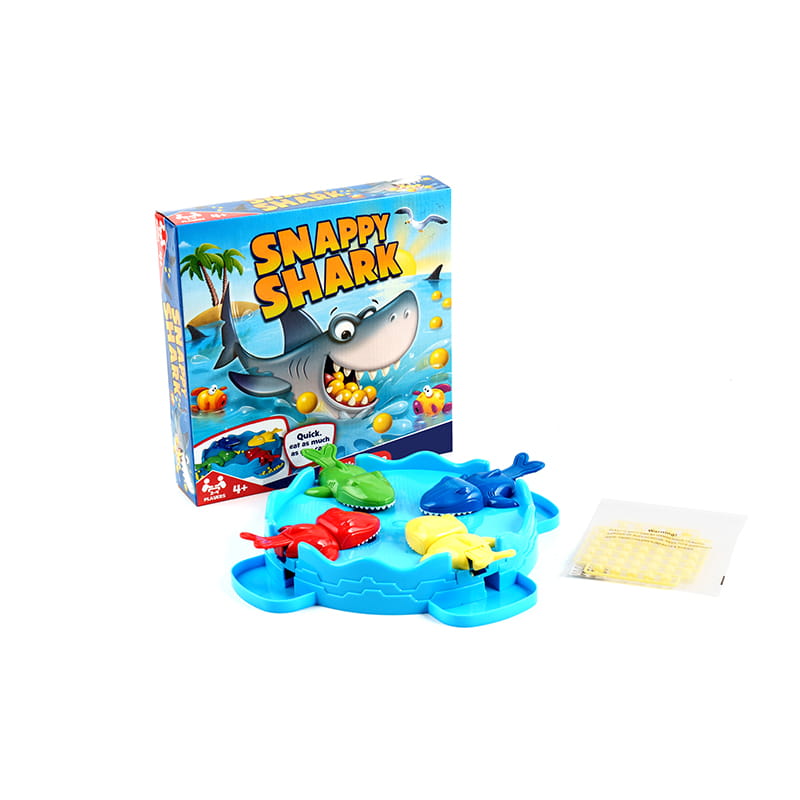
Plastic Shark Eat Beads Game Toy
Shark Eat Beads is a four-player interactive game with a “Snappy Shark” theme, where players need to quickly maneuver their sharks to eat as many ...
View More -
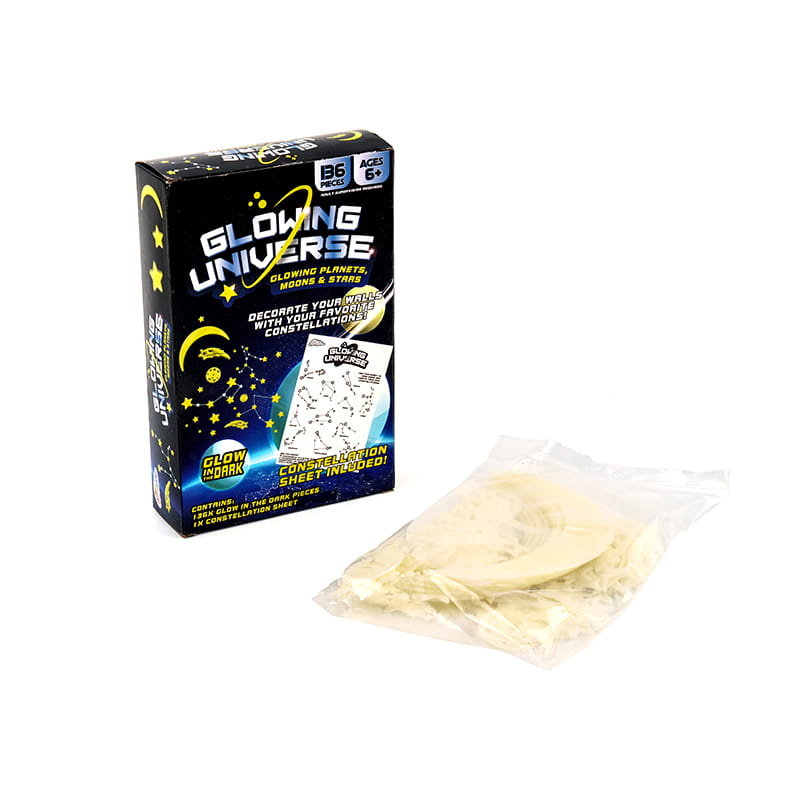
Luminous Star Patch
Luminous Starry Night Patch is a creative decoration. It contains a variety of cosmic elements, such as planets and stars, etc. It is made of special ...
View More -
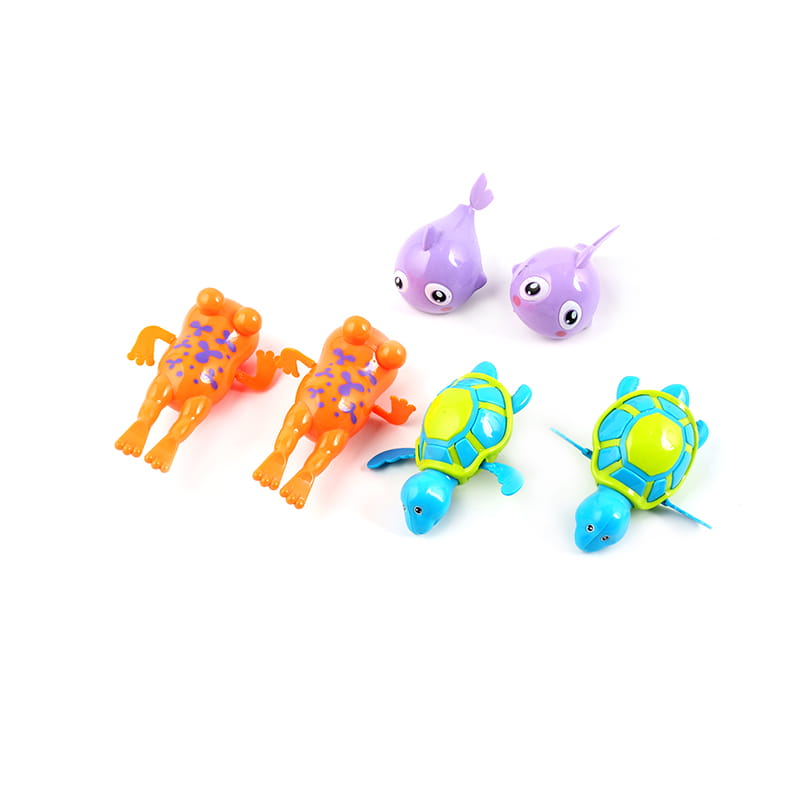
Plastic Uplink Animal Toy
The Uplink Animal Toy is a soothing toy set designed for baby showers. The set contains brightly colored and simply designed plastic toys such as an o...
View More -
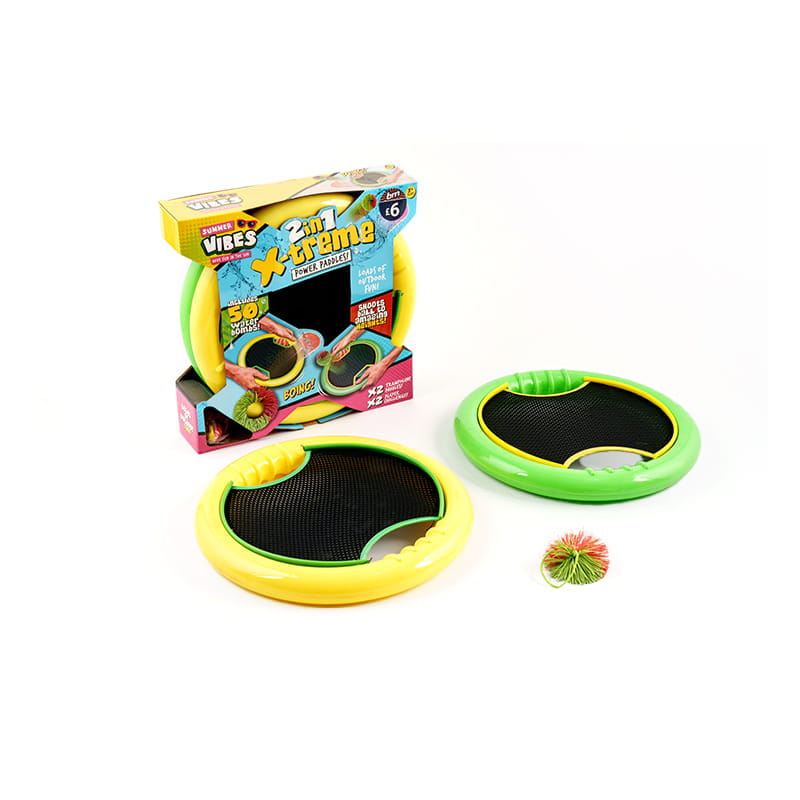
Beat About The Bush Toy Set
Clap Circle is a fun toy designed for children, containing 2 clappers and 1 colorful ball. This toy can be played alone to work on hand-eye coordinati...
View More

Copyright © Yuyao Leda Crafts Co., Ltd. All Rights
Reserved.

Children's Toys Factory
Children's Toys Manufacturer
Information
-
 Phone: +86-13056880051
 -
 fax: +86-574-62750718
 -
 E-mail:[email protected]
 -
 Add:Zhushan Village, Lizhou Street, Yuyao City, Ningbo, Zhejiang Province, China
Toys
Links
Contact Us