

 English
 English
 中文简体
中文简体- Type:
- Industry News
- Date
- 2026-Jul-29
Industry News
How Summer Outdoor Interactive Games Boost Family Fun
Content
- 1 Why Summer Outdoor Interactive Games Matter for Family Activity Time
- 2 Core Benefits of Outdoor Interactive Play During Summer
- 3 Comparing Popular Summer Outdoor Interactive Game Formats
- 4 How Play Style Is Distributed Across a Typical Summer Games Lineup
- 5 Energy Levels Across a Typical Outdoor Play Session
- 6 Comparing Product Strengths Across the Summer Outdoor Games Line
- 7 Sourcing Summer Outdoor Interactive Games from a Manufacturer
- 8 About Yuyao Leda Craft Co., Ltd.
- 9 Frequently Asked Questions
Why Summer Outdoor Interactive Games Matter for Family Activity Time
Summer outdoor interactive games give families and groups a structured, low-cost way to stay physically active together, and that direct benefit is why this product category remains a dependable seasonal favorite for retailers, camps, and households alike. A well-designed outdoor game set is not just a way to pass time; it is a shared activity that gets children and adults moving, laughing, and cooperating in the same physical space rather than sitting separately in front of screens. Because summer outdoor interactive games combine physical coordination with light rule-based competition, they show up consistently at backyard gatherings, community events, summer camps, and beach outings as a practical alternative to purely passive entertainment. The category is broad by design, covering everything from tabletop-style outdoor games like a Plastic Tangler Game Set to beach essentials like a Plastic Beach Bucket Playset, which means a single supplier can often meet several different summer entertainment needs at once. This breadth is one reason wholesale summer toys and bulk outdoor game orders remain steady, predictable demand items for toy retailers, party suppliers, and seasonal gift shops rather than a short-lived trend tied to a single product.
The sections below first explain the practical benefits behind summer outdoor interactive games, then compare several real product lines, including the Plastic Tangler Game Set, Dodge The Doggy Doo Game Set, Plastic Bingo Game Set, Plastic Beware Of Electrocution Game Toy, Plastic Shark Eat Beads Game Toy, and several supporting items such as the Luminous Star Patch and Plastic Golf Set Toy, before closing with sourcing guidance for buyers evaluating an outdoor toys manufacturer or wholesale summer games supplier. Several compact data visualizations are included throughout to make the comparisons easier to read without requiring long blocks of dense text.
Core Benefits of Outdoor Interactive Play During Summer
Outdoor interactive games are widely discussed in general child-development and recreation contexts as a practical way to encourage physical activity during long summer breaks when structured school activity is paused. When children play a reaction-based game like Dodge The Doggy Doo or a group challenge like Plastic Shark Eat Beads, they are practicing quick decision making, spatial awareness, and coordination between hands, eyes, and feet, all within a fun and low-pressure format. Group-based outdoor games also naturally build in turn-taking and shared rule-following, which are foundational social skills that transfer well into other cooperative settings such as school group work or team sports. Physical outdoor play, even in a casual game format, supports basic movement and coordination habits that are easy to overlook once daily routines shift away from structured school activity during the summer months. Games like the Plastic Golf Set Toy or Plastic Foam Plane Toy add an extra layer of hand-eye coordination practice, since aiming and throwing require more precision than simply running or chasing.
Reading the Activity Emphasis Comparison
Before looking at the chart below, it helps to understand exactly what it represents and how to read it correctly. This is a simple, illustrative comparison of how strongly five common activity dimensions tend to be emphasized across typical summer outdoor interactive games, not a market survey or an externally sourced statistic. The scale runs from one to ten, and a longer bar simply means that particular dimension tends to play a larger role in that style of outdoor play based on how these games are commonly structured and marketed. This kind of side-by-side view is genuinely useful for parents, camp organizers, and retail buyers who want to match a specific outdoor game set to a specific goal, such as choosing a reaction-based game for high energy release or a beach playset for calmer sensory play. The five categories shown below, physical activity, group interaction, hand-eye coordination, quick reaction, and outdoor durability, are the dimensions most commonly referenced when discussing what makes summer outdoor games effective for keeping children engaged.
Physical activity and quick reaction score highest in this comparison, which lines up closely with why games like Dodge The Doggy Doo and Plastic Shark Eat Beads are so effective at getting children moving and reacting quickly in a group setting rather than sitting still. Group interaction is also strongly represented, particularly in games like Plastic Bingo and Beat About The Bush, where multiple players need to participate together and stay engaged in the same round rather than playing individually. Hand-eye coordination is meaningfully present across the category as well, especially in aiming-based products like the Plastic Golf Set Toy and Plastic Foam Plane Toy, where accuracy and control matter more than raw speed. Outdoor durability scores comparatively lower on this particular scale simply because it reflects material toughness rather than a play style, but it remains an important practical consideration for any product intended for grass, sand, or pavement use. These five dimensions together explain why summer outdoor interactive games are frequently chosen specifically for their ability to get groups of children active together rather than for any single feature alone. For a wholesale toy buyer, a comparison like this can serve as a useful internal reference when writing product descriptions or building a seasonal assortment plan that spans different energy levels and group sizes. It also helps explain why many households keep several types of outdoor games on hand rather than just one, since each format leans differently across these five dimensions depending on its design and intended setting. A retailer arranging a summer toy display can use a chart like this to group products by primary activity benefit, for example placing high-reaction games like Dodge The Doggy Doo near high-coordination games like the Plastic Golf Set Toy to appeal to a wider range of customers browsing the same shelf. This kind of grouping also gives gift buyers and camp organizers a simple way to build a balanced activity kit rather than choosing several games that all emphasize the same single skill.
Comparing Popular Summer Outdoor Interactive Game Formats
Not every summer outdoor interactive game is built the same way, and understanding the practical differences between formats helps buyers match the right product to the right setting instead of guessing based on packaging alone. The table below summarizes several common formats found in a typical summer outdoor games lineup, including the Plastic Tangler Game Set, Dodge The Doggy Doo Game Set, Plastic Bingo Game Set, Plastic Shark Eat Beads Game Toy, and the Plastic Beach Bucket Playset. Each format serves a slightly different play style, age range, and group size, which is exactly the kind of information a buyer needs before placing a wholesale outdoor toys order for a store shelf, a summer camp program, or a seasonal gift catalog.
| Product Format | Primary Play Style | Typical Group Size | Main Activity Focus |
|---|---|---|---|
| Plastic Tangler Game Set | Twisting and untangling challenge | 2-4 players | Coordination and problem solving |
| Dodge The Doggy Doo Game Set | Reaction and avoidance challenge | 2-6 players | Quick reaction and balance |
| Plastic Bingo Game Set | Group number-matching game | 4-10 players | Attention and group participation |
| Plastic Shark Eat Beads Game Toy | Four-player snapping action game | 2-4 players | Reflexes and group excitement |
| Plastic Beach Bucket Playset | Sand and water sensory play | 1-4 players | Sensory exploration and creativity |
The Dodge The Doggy Doo Game Set and Plastic Shark Eat Beads Game Toy sit closest to the high-energy, fast-reaction end of the summer outdoor interactive games spectrum, which makes them well suited for larger gatherings where children want an active, laughter-driven format. The Plastic Bingo Game Set leans toward calmer group participation, making it a strong option for buyers looking for outdoor party games that work well across a wider age range, including grandparents or younger siblings who may not want a high-intensity physical challenge. The Plastic Beach Bucket Playset sits at the sensory and creative end of the spectrum, which is particularly relevant for buyers stocking seasonal beach toys or vacation-oriented gift sets. A wholesale outdoor toys supplier building out a catalog often benefits from carrying at least one item from each of these categories, since doing so allows a single storefront or a single bulk order to cover high-energy, moderate-energy, and low-energy play at the same time rather than forcing a buyer to source from several separate vendors.
How Play Style Is Distributed Across a Typical Summer Games Lineup
Before reviewing the donut chart below, it is worth explaining clearly what it is meant to show and how to interpret it correctly. This is an illustrative breakdown of how play styles tend to be distributed across a well-rounded assortment of summer outdoor interactive games, grouped into four broad categories: reaction and reflex games, group participation games, coordination and skill games, and sensory or beach-style play. It is not a claim about any specific market's exact measured percentages, but rather a simplified way to visualize how a balanced seasonal product lineup typically weighs these four play styles against one another. This kind of visual is genuinely helpful for a buyer trying to decide how to allocate shelf space or a wholesale order across a summer outdoor games catalog without over-investing in a single narrow format. It also explains, at a glance, why a single supplier often offers a wide range of outdoor game formats rather than manufacturing just one product and stopping there.
Reaction and reflex games, represented by formats like Dodge The Doggy Doo and Plastic Shark Eat Beads, make up the largest single share in this illustrative breakdown, which is consistent with how central fast-paced physical response tends to be to the summer outdoor games category during the warmer months when children want to burn energy outside. Group participation games, represented by formats like Plastic Bingo, come next, since games that involve everyone at once remain a steady favorite for family gatherings, birthday parties, and community events where a wide range of ages need to play together. Coordination and skill games, represented by the Plastic Golf Set Toy, Plastic Foam Plane Toy, and Plastic Tangler Game Set, add a calmer but still engaging option for children who enjoy aiming, throwing, or puzzle-style physical challenges. Sensory and beach-style play, represented by the Plastic Beach Bucket Playset, rounds out the mix by giving younger children or vacation settings a gentler, exploration-based option that does not require competitive rules at all. Balancing these four play styles is one practical way for a retailer or distributor to build a summer outdoor interactive games assortment that appeals across a wide age range and a wide range of settings, from backyards to beaches to community parks. A household or camp program with children of different ages often benefits from having at least one option from each category on hand, since a single format rarely suits every child equally well at every stage of a summer day. This framework is also useful for an outdoor toys manufacturer deciding how to expand a seasonal product line, since it highlights where a catalog might be light in one play style relative to the others. Overall, the distribution shown here should be treated as a planning tool rather than a fixed rule, and it can be adjusted based on the specific audience a buyer or retailer is targeting, whether that is a beach-focused gift shop, a general toy retailer, or a summer camp equipment supplier.
Energy Levels Across a Typical Outdoor Play Session
The area chart below is another illustrative visual, this time focused on how energy and engagement tend to shift across a typical outdoor play session that mixes several summer interactive games in sequence. It is based on a general, commonly observed pacing pattern rather than a specific measured study, and it is meant to help parents, camp organizers, and retailers think through the order in which to introduce different games during an afternoon of outdoor play. The horizontal axis represents successive stages of a play session, while the vertical axis represents a relative energy level rather than an exact measured score. This kind of pacing pattern is often discussed informally among camp counselors and event organizers who plan multi-activity outdoor sessions for groups of children during summer programs. Understanding it can help a retailer suggest a sensible activity order when marketing a bundle of summer outdoor interactive games together as a single afternoon's entertainment.
Energy levels in this illustrative pattern start moderate during the warm-up stage, since children are still settling into whichever outdoor game is introduced first, whether that is a calmer format like Plastic Bingo or a light coordination game like the Plastic Tangler Game Set. Energy rises steadily through the middle stages as children become more comfortable with the group and the rules, and as faster-paced games like Dodge The Doggy Doo or Plastic Shark Eat Beads are introduced to build excitement. The peak typically occurs around the middle of a session, once the group has fully warmed up and a high-reaction game is in full swing, often accompanied by noticeable laughter and group energy that organizers can use as a natural high point. After the peak, energy in this pattern gradually eases, which many camp organizers and party planners interpret informally as a natural cue to shift toward calmer activities such as a beach bucket playset or a gentle sensory item like the Luminous Star Patch before children need a rest. This is one reason many summer outdoor interactive games sessions alternate between high-energy reaction games and calmer group or sensory activities rather than sustaining one intensity level for an entire afternoon. A retailer bundling products together can use this kind of pacing logic to suggest thoughtful combinations, such as pairing a high-energy set like Dodge The Doggy Doo with a calmer wind-down item for a full afternoon of varied play. For a wholesale buyer, understanding this pattern also supports smarter merchandising decisions, since displaying a high-energy game next to a calmer option visually communicates that a single purchase can cover an entire outdoor session rather than just one activity. None of this requires exact measured figures to be genuinely useful; it is simply a way of organizing a widely recognized, common-sense pacing pattern into a visual that supports better product recommendations to end customers such as camps, schools, and party organizers.
Comparing Product Strengths Across the Summer Outdoor Games Line
The radar chart below compares two groups of products from a typical summer outdoor interactive games line across five dimensions: physical intensity, group interaction, skill and coordination demand, portability, and suitability for varied outdoor settings such as backyards, beaches, and parks. Each dimension is scored on a simple one to five scale for illustration only, and the comparison is meant to help a buyer quickly see how each format's strengths differ from the others without reading through lengthy separate descriptions. This kind of side-by-side view is particularly useful when a retailer is deciding which two or three products to feature together in a bundle or a seasonal summer promotion. It also helps explain why a supplier might keep several different formats in its lineup instead of focusing narrowly on just one outdoor game type. The two groups compared here are high-reaction group games such as Dodge The Doggy Doo and Plastic Shark Eat Beads, shown in blue, and calmer skill and sensory items such as the Plastic Golf Set Toy and Plastic Beach Bucket Playset, shown in orange.
High-reaction group games such as Dodge The Doggy Doo and Plastic Shark Eat Beads, shown in blue, score highest on physical intensity and group interaction, which matches their design purpose of creating fast-paced, laughter-driven group excitement during outdoor gatherings. Calmer skill and sensory items such as the Plastic Golf Set Toy and Plastic Beach Bucket Playset, shown in orange, score higher on portability and setting versatility, reflecting how easily these items travel to a park, a beach, or a backyard without needing a large open space or a big group to be enjoyable. Skill and coordination demand tends to sit in a comparable middle range for both groups, since reaction games still require some coordination to play well, while aiming-based games like golf sets or foam planes require a steadier, more deliberate form of coordination. The Plastic Bingo Game Set, not separately plotted here but conceptually closer to the group interaction category, would generally land between these two groups, offering moderate physical intensity alongside strong group participation across a wide age range. This comparison illustrates why a single format rarely covers every outdoor setting, and why a broader summer outdoor interactive games assortment tends to serve buyers better than a narrow one built around only one game type. For a distributor evaluating an outdoor toys manufacturer's catalog, a chart like this can support decisions about which two or three products complement each other well in a single shipment, a single store display, or a single seasonal marketing push tied to summer travel or vacation themes. It also reinforces a practical merchandising point worth remembering: pairing a high-energy product with a portable, low-intensity product tends to create a more complete summer outdoor games offering than stocking only one type and hoping it fits every customer's setting. Buyers sourcing for camps or community programs may lean toward the high-reaction end of this comparison when building group-oriented kits, while buyers sourcing for beach shops or travel retailers may lean toward the portability and setting versatility end where compact, easy-to-pack items perform better.
Sourcing Summer Outdoor Interactive Games from a Manufacturer
Buyers evaluating an outdoor toys manufacturer or wholesale summer games supplier typically look at a consistent set of factors: material safety, weather resistance, packaging durability, and the breadth of the available product range across reaction, group, skill, and sensory formats. Summer outdoor interactive games are often made from durable plastic or foam components designed to withstand sun exposure, sand, water, and repeated outdoor handling, since these products are meant for real backyard, beach, and park use rather than indoor-only play. Consistent piece sizing and molding quality matter for games like the Plastic Tangler Game Set or Plastic Shark Eat Beads Game Toy, where reliable moving parts directly affect how enjoyable and fair the game feels during group play. For beach and sensory products such as the Plastic Beach Bucket Playset or Luminous Star Patch, material choice also matters for comfort and safety, since these items are frequently used by younger children in direct sun and sand conditions.
- Confirm material safety compliance suitable for the intended age group of each outdoor interactive game.
- Review sample units for durability under sun, sand, or water exposure before placing a bulk outdoor toy order.
- Ask about production capacity and lead times for wholesale summer games ahead of peak seasonal demand.
- Evaluate packaging strength for products intended for retail shelf display versus bulk container shipment.
- Check whether the supplier offers a broad enough catalog to cover reaction, group, skill, and sensory play in one order.
A supplier that can produce across multiple categories, from a Plastic Tangler Game Set to a full summer outdoor interactive games line including beach and sensory items, gives distributors and retailers far more flexibility to build varied seasonal assortments without having to manage several separate vendors and shipping schedules. This is particularly relevant for buyers who serve both active outdoor markets, which often prioritize reaction-based games for camps and community events, and gift or travel retail markets, which often prioritize portable beach and sensory items for vacation season. Working with a single outdoor toys manufacturer capable of covering both needs can meaningfully simplify logistics, quality control, and long-term relationship management across an entire seasonal product line.
About Yuyao Leda Craft Co., Ltd.
Yuyao Leda Craft Co., Ltd. was established in 2011 and is located by the beautiful and fertile Hangzhou Bay, adjacent to the Hushu Ningbo Cross-Sea Bridge. With convenient transportation, developed logistics, and a complete industrial supply chain, it is an integrated manufacturing and trading enterprise that combines design, research and development, production, and sales. The company is dedicated to developing products such as children's hula hoops, stress relief toys, DIY toys, board games, and outdoor interactive games for summer.
The company adheres to the business philosophy of Customer First, Diligent Progress and insists on the principle of Customer First to provide high-quality services to a wide range of customers. Since its establishment, the company's products have been continuously exported to international markets, including Europe and the United States, and have been well received by numerous customers. The company is continually growing and expanding, and welcomes more friends to visit and establish long-term cooperative relationships across the summer outdoor interactive games category.
Frequently Asked Questions
Q1: What age group are summer outdoor interactive games usually designed for?
Most summer outdoor interactive games, including reaction-based sets like Dodge The Doggy Doo and group games like Plastic Bingo, are designed for a wide age range, while beach and sensory items such as the Plastic Beach Bucket Playset often suit younger children specifically.
Q2: How does the Plastic Shark Eat Beads Game Toy differ from a calmer outdoor set like Plastic Bingo?
Plastic Shark Eat Beads focuses on fast four-player reflex-based action, while Plastic Bingo focuses on group attention and number matching, so the two formats build different but complementary group skills.
Q3: Can wholesale buyers order a mixed assortment of summer outdoor interactive games together?
Yes, many outdoor toys manufacturers and suppliers offer combined catalogs that include reaction games, group games, skill games, and beach or sensory items, which allows a single wholesale order to cover a broader seasonal retail assortment.
Q4: What should a retailer check before placing a bulk order for summer outdoor games?
Retailers generally check material safety compliance, resistance to sun and sand exposure, packaging durability, and whether the supplier's product range covers enough variety in play style to suit different outdoor settings.
Q5: Are outdoor interactive games still relevant compared to indoor or digital entertainment?
Many families, camps, and community programs continue to choose outdoor interactive games because they encourage physical activity and face-to-face group play in a way that complements rather than replaces indoor and digital entertainment.
Related Products
-
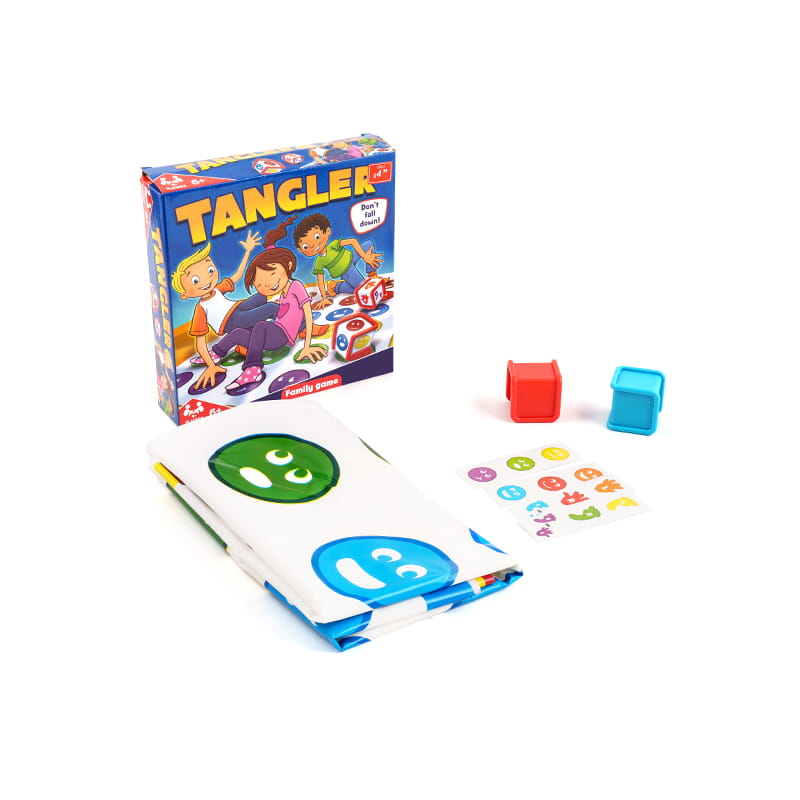
Plastic Tangler Game Set
TANGLER is a fun and challenging board game that requires players to use their hands and feet to meet conditions. During the game, players need to mov...
View More -
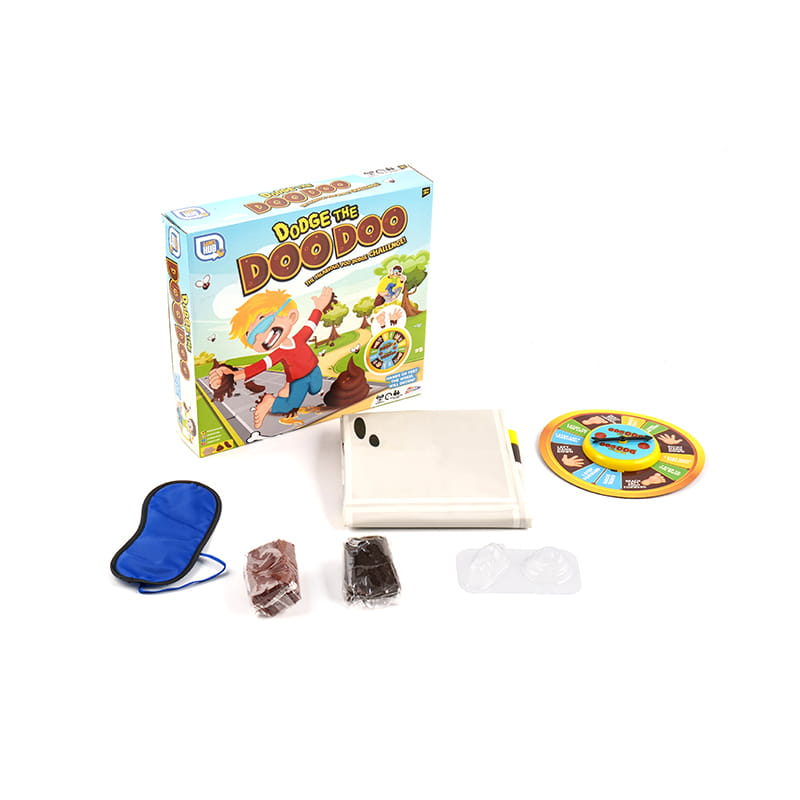
Dodge The Doggy Doo Game Set
Dodge The Doggy Doo is a fun and challenging game for kids. Children need to put on a blue blindfold and walk blindfolded to complete the tasks on the...
View More -
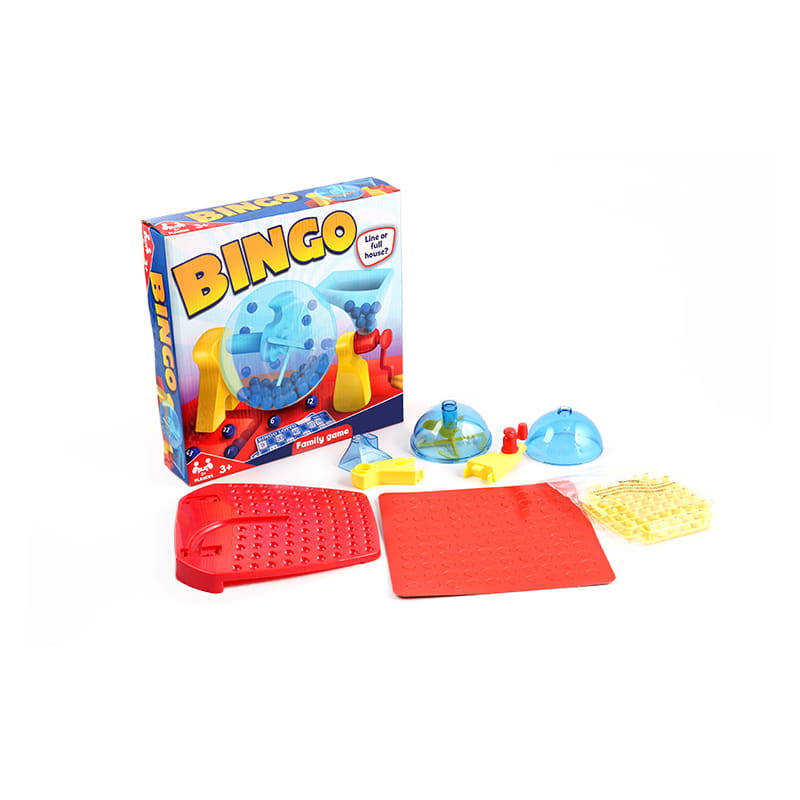
Plastic Bingo Game Set
Bingo Game is an entertaining game full of fun and surprises. It contains a beautiful shaker with a sleek design and bright colors that will catch eve...
View More -
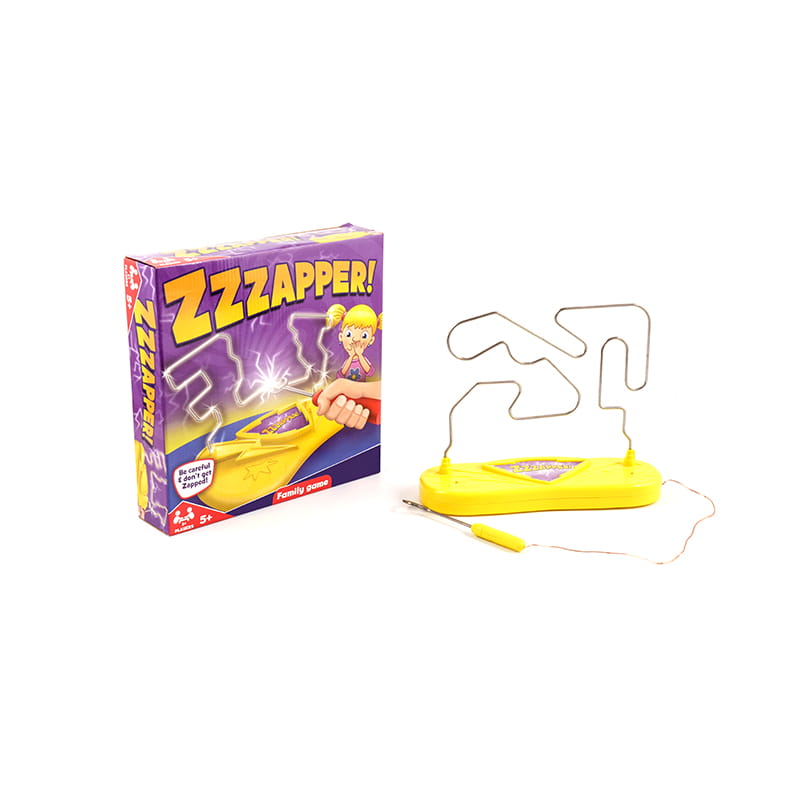
Plastic Beware Of Electrocution Game Toy
Beware of Electrocution Game is a unique family game designed to test players' concentration and balance. The game consists of a purple game box and a...
View More -
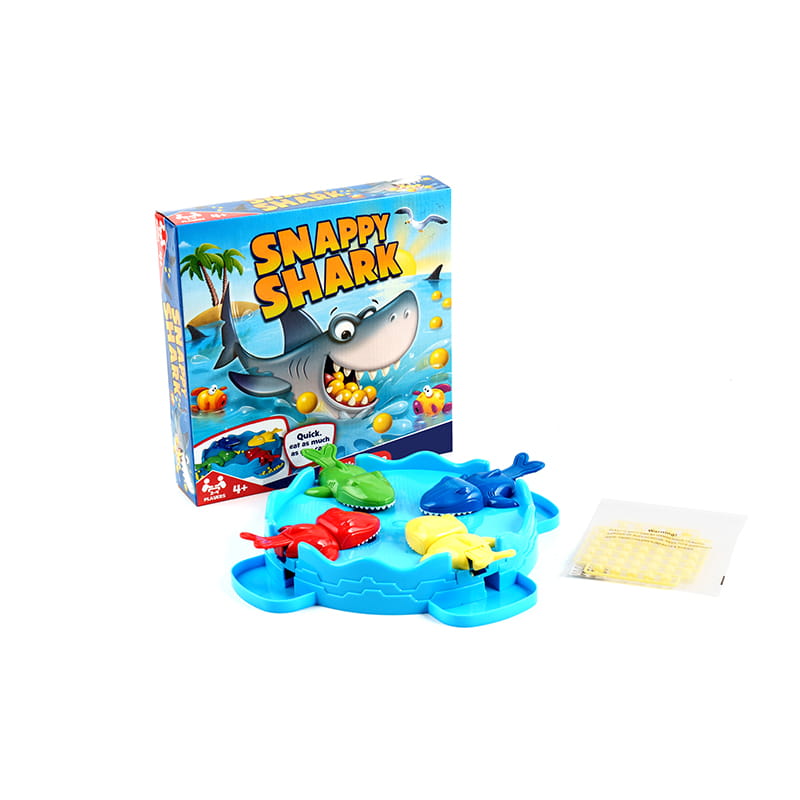
Plastic Shark Eat Beads Game Toy
Shark Eat Beads is a four-player interactive game with a “Snappy Shark” theme, where players need to quickly maneuver their sharks to eat as many ...
View More -
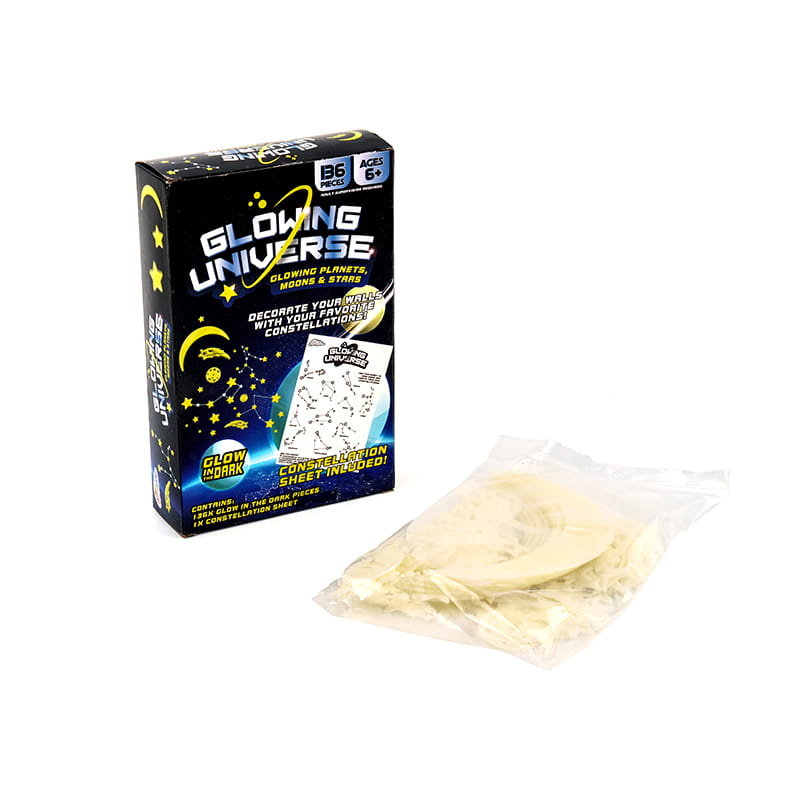
Luminous Star Patch
Luminous Starry Night Patch is a creative decoration. It contains a variety of cosmic elements, such as planets and stars, etc. It is made of special ...
View More -
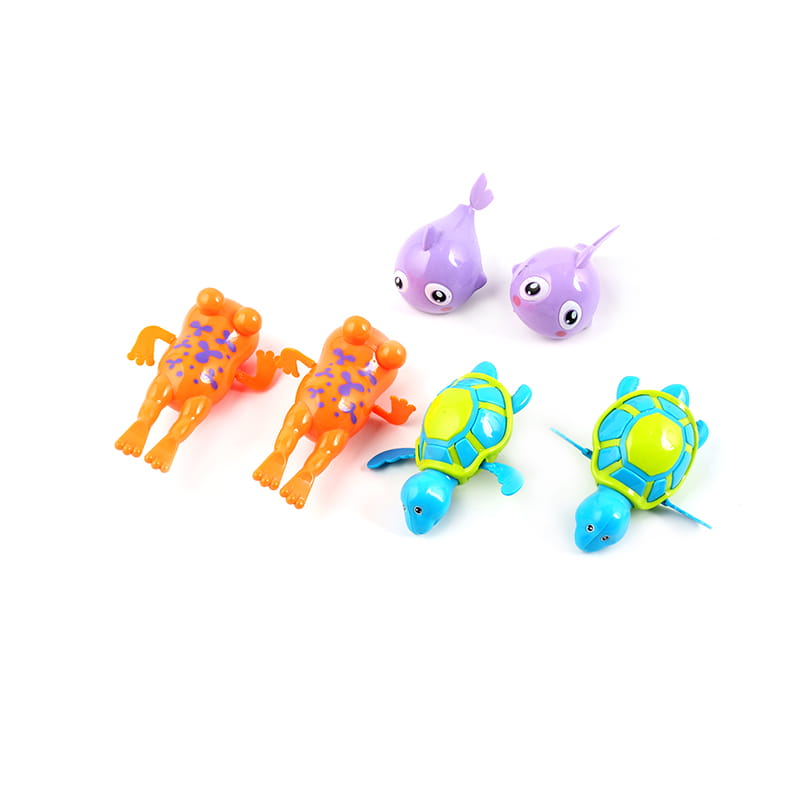
Plastic Uplink Animal Toy
The Uplink Animal Toy is a soothing toy set designed for baby showers. The set contains brightly colored and simply designed plastic toys such as an o...
View More -
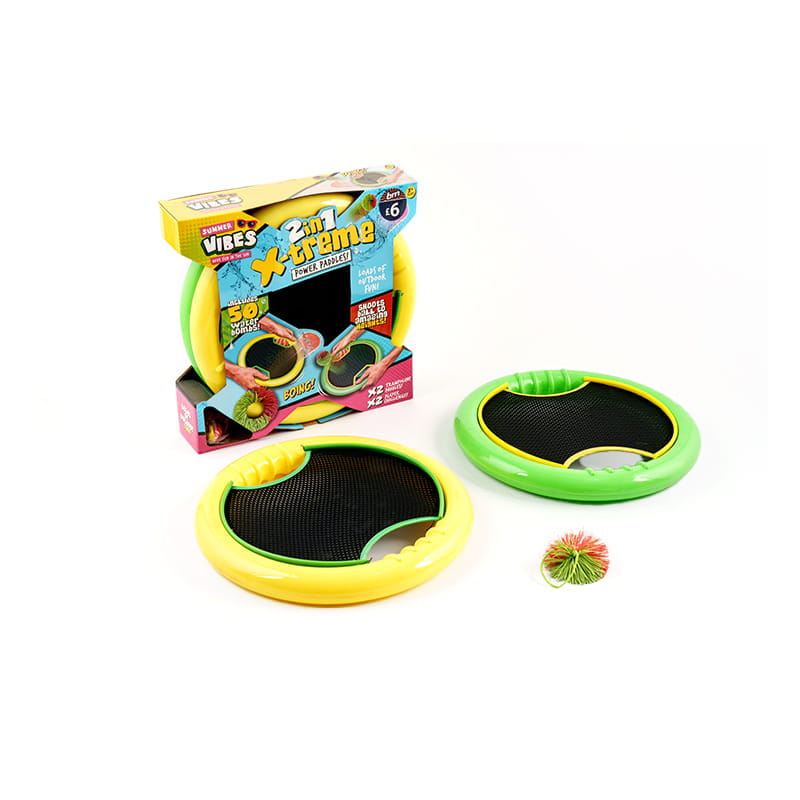
Beat About The Bush Toy Set
Clap Circle is a fun toy designed for children, containing 2 clappers and 1 colorful ball. This toy can be played alone to work on hand-eye coordinati...
View More

Copyright © Yuyao Leda Crafts Co., Ltd. All Rights
Reserved.

Children's Toys Factory
Children's Toys Manufacturer
Information
-
 Phone: +86-13056880051
 -
 fax: +86-574-62750718
 -
 E-mail:[email protected]
 -
 Add:Zhushan Village, Lizhou Street, Yuyao City, Ningbo, Zhejiang Province, China
Toys
Links
Contact Us