

 English
 English
 中文简体
中文简体- Type:
- Industry News
- Date
- 2026-Aug-18
Industry News
Home / News / Industry News / Children's Toys Buying Guide: Categories, Design Principles, and Sourcing Tips
Content
For most families, schools, and toy retailers comparing children's toys, products that combine physical activity, creativity, and social play — such as hula hoops, DIY craft kits, board games, and outdoor interactive games — generally offer more sustained play value than single-purpose novelty items, since children tend to return to toys that let them build a skill or interact with others rather than toys that only entertain briefly. Within the broader children's toys category, buyers sourcing product for retail, school programs, or seasonal promotions typically need more than a general description of a toy type; understanding how a toy's structure, intended age range, and play style line up with a specific use case is usually more useful than judging a product by appearance alone. For manufacturers, wholesalers, and B2B buyers evaluating a children's toys manufacturer or exploring a children's toys supplier relationship, the practical questions tend to center on product range, design consistency, and how well a catalog matches seasonal or promotional demand. The sections below cover common types of children's toys, the structural and material principles behind well-designed products, where different toy categories are typically used, how the main categories compare on activity level and skill-building value, and what ongoing care and sourcing considerations matter for retailers and buyers.
The children's toys category covers a wide range of product types, and grouping them by play style is generally more useful for sourcing decisions than grouping by price point or novelty alone. Five categories tend to account for a large share of general-purpose and seasonal demand: hula hoops, stress relief toys, DIY toys, board games, and outdoor interactive games. Each category serves a distinct play function, and most well-rounded product catalogs, whether for a retail shelf, a school program, or a summer promotional lineup, draw from more than one of these categories rather than relying on a single toy type.
A classic active-play item that supports coordination and sustained physical movement, popular for both solo practice and group play outdoors.
Small, repetitive-motion items such as squeeze or fidget-style toys, generally used for short, low-intensity sensory play.
Build-it-yourself kits and craft sets that encourage fine motor skills, sequencing, and creative problem-solving through hands-on assembly.
Rule-based group games that build strategic thinking, turn-taking, and social interaction, typically suited to family or classroom settings.
Multiplayer, activity-based products designed for yard, park, or beach settings, often positioned for summer and warm-weather promotions.
Beyond these broad categories, product variation within each type also matters for sourcing. Hula hoops, for example, are typically offered in different diameters and tube weights to suit different age groups and skill levels, while DIY toy kits vary widely in component count and assembly complexity depending on the target age range. Board games generally scale in rule complexity, from simple matching or memory games for younger children to strategy-based games for older children and mixed-age family play. Recognizing this internal variation is useful for retailers building a catalog that needs to serve multiple age groups rather than a single narrow segment.
The chart below breaks down a representative play-engagement profile for each of these five toy categories, splitting a general engagement score into three components: physical activity, creativity or skill-building, and social or group interaction. This is intended as a general illustration of how these categories tend to differ in play style rather than a measured research result, since actual engagement depends heavily on the individual child and setting. Even as an illustration, the relative pattern across categories is useful for buyers trying to balance a product assortment across different play styles rather than stocking multiple items that serve the same play function.
Reading the chart from left to right, hula hoops show a tall physical-activity segment relative to the other two components, which matches their general reputation as a sustained-movement toy rather than a primarily creative or social one. Stress relief toys show the shortest overall bar of the five categories, reflecting their typical role as a brief, low-intensity sensory activity rather than an extended play session. DIY toys show the opposite pattern from hula hoops, with a tall creativity and skill-building segment dominating the bar, which lines up with their function as hands-on building and assembly products. Board games show a large social and group-play segment, consistent with their design around turn-taking and multiplayer rules, alongside a meaningful creativity segment tied to strategic thinking. Outdoor interactive games show the tallest overall bar among the five categories, combining a large physical-activity segment with a large social segment, which reflects why this category is often positioned for group settings such as summer camps, birthday parties, or family gatherings. For a retailer or program buyer, this general pattern suggests that a well-rounded assortment benefits from including at least one item from each engagement profile, physical, creative, and social, rather than concentrating purchasing in a single category. It also suggests that outdoor interactive games and hula hoops pair naturally with a summer or warm-weather promotional push, given their physical-activity emphasis, while DIY toys and board games may perform better in indoor, school-season, or gift-giving contexts where creativity and social play are the priority.
A balanced children's toys assortment generally benefits from covering physical, creative, and social play styles rather than concentrating on a single toy category.
Regardless of category, well-designed children's toys generally share a few structural principles: smooth, rounded profiles with no sharp edges or small detachable parts inappropriate for the target age range, materials chosen for durability under repeated handling, and a design that is simple enough for a child in the intended age range to use independently once shown how. These principles show up differently depending on the toy type, but the underlying design logic is consistent across categories.
In a hula hoop, structure centers on the tube itself: outer diameter and tube wall thickness are generally balanced so the hoop is light enough for a child to keep spinning through core and hip movement, but rigid enough to hold its circular shape during use. Many hoops use a segmented, snap-together tube design, which allows the same product to ship compactly and also allows the diameter to be adjusted for different age groups or storage needs. Weight distribution around the tube also affects spin momentum, which is one reason hoop diameter and wall thickness are usually matched to an intended age and height range rather than offered as a single universal size.
The diagram above illustrates this general cross-section logic: a smooth outer wall to reduce friction and avoid sharp seams, a lightweight hollow tube core that keeps overall weight manageable for sustained spinning, and a snap-joint connector that allows the hoop to be assembled to different diameters from the same base components. DIY toy kits follow a related but distinct structural logic, since their design goal is guided assembly rather than continuous motion. Component count, connector type, and step sequencing are generally scaled to the target age range, with younger-age kits using larger, simpler connectors and fewer total pieces, and older-age kits introducing smaller components and multi-step assembly sequences that build more advanced fine motor and planning skills. Board games follow yet another structural pattern, where piece design, board layout, and rule complexity are balanced so that game length and difficulty match the attention span typical of the target age range, since a game that runs too long or has too many rule exceptions tends to lose younger players' engagement regardless of how well the physical components are made.
Across toy categories, matching structural details such as weight, component size, and rule complexity to the intended age range is generally more important to play value than any single material choice.
Where a children's toy is used, and by whom, generally drives which category and specification make sense. A retailer stocking for a general family audience has different priorities than a school buying for classroom use, and a seasonal promotional buyer focused on outdoor children's toys for summer has different priorities again than a gift retailer focused on year-round DIY toys.
Typical Application Scenarios
|
Selection Criteria to Check
|
Seasonality is a particularly important selection factor for outdoor-oriented children's toys such as hula hoops and outdoor interactive games. The chart below illustrates a general, representative pattern of outdoor play engagement across the calendar year, reflecting how demand and actual play time for these categories tends to rise through spring, peak in summer, and decline into the colder months. This pattern is presented as a general seasonal illustration rather than data from a specific market, since actual seasonal demand varies by region and climate.
The shape of this seasonal curve follows a pattern familiar to most outdoor product buyers: engagement starts low in the winter months, begins rising through March and April as weather improves, climbs steeply through May and June, and reaches its highest point across June, July and August before declining through the fall back toward winter lows. This general pattern is one reason retailers commonly plan outdoor interactive games and hula hoop promotions to align with a spring build-up and summer peak rather than spreading marketing evenly across the year. For a wholesale or retail buyer, the practical implication is that inventory planning for these categories usually benefits from securing stock ahead of the spring ramp-up, since lead times for manufacturing and shipping can otherwise cause a supplier to miss the early part of the seasonal curve. Indoor-oriented categories such as DIY toys and board games tend to show a flatter, less seasonal demand pattern by comparison, since indoor group and gift-oriented play is less weather-dependent, which is part of why many retailers pair a seasonal outdoor lineup with a steadier indoor product base rather than relying on outdoor categories alone. Recognizing this seasonal curve also helps explain why some children's toys suppliers position outdoor interactive games and hula hoops specifically as summer program items for schools, camps, and community events, timing promotional pushes to coincide with the months when outdoor group play naturally peaks.
Outdoor children's toys such as hula hoops and outdoor interactive games generally follow a strong seasonal demand curve peaking in summer, while indoor categories like DIY toys and board games tend to sell more consistently year-round.
Comparing the five main categories side by side helps clarify which toy type best fits a specific sourcing or gifting goal. The table below summarizes general characteristics across hula hoops, stress relief toys, DIY toys, board games, and outdoor interactive games.
| Toy Category | Typical Setting | Group Size | Primary Benefit |
|---|---|---|---|
| Hula Hoops | Outdoor / yard | Solo or small group | Sustained physical activity |
| Stress Relief Toys | Indoor / on-the-go | Solo | Brief sensory engagement |
| DIY Toys | Indoor / table-top | Solo or small group | Fine motor and creative skill-building |
| Board Games | Indoor / family or classroom | Small to medium group | Strategic thinking and social play |
| Outdoor Interactive Games | Outdoor / group settings | Medium to large group | Combined physical activity and social play |
To compare categories on a single, broader measure, the gauges below show a representative overall developmental value score for each toy category, combining physical, creative, and social factors into one illustrative index. As with the earlier charts, this score is meant as a general reference for comparing categories rather than a precise measurement.
DIY toys and outdoor interactive games post the two highest scores among the five categories, which is consistent with the earlier engagement breakdown showing that both categories combine two or more strong engagement components rather than excelling on a single dimension alone. Board games follow closely behind, reflecting their strong social and creative contribution even though their physical-activity component is minimal. Hula hoops score solidly in the middle of the group, driven almost entirely by their physical-activity strength rather than a balanced profile across all three factors. Stress relief toys post the lowest score of the five, which fits their role as a brief, low-intensity item rather than a primary developmental toy; this does not mean the category lacks value, since stress relief toys generally serve a different purpose, such as short sensory breaks or portable entertainment, rather than sustained developmental play. For a buyer building a catalog, this comparison suggests that DIY toys, board games, and outdoor interactive games are generally reasonable anchor categories for a developmentally focused assortment, while hula hoops and stress relief toys work well as complementary items that round out a lineup rather than serving as the sole basis for a program aimed at broad developmental value. As with the other charts in this article, these scores should be treated as a general planning reference rather than a substitute for observing how a specific product performs with its intended age group.
DIY toys, board games, and outdoor interactive games generally post the strongest overall developmental value among common children's toy categories, while hula hoops and stress relief toys work well as complementary additions to a broader assortment.
Extending the useful life of children's toys generally comes down to a few consistent habits: routine cleaning appropriate to the material, dry and organized storage, and periodic inspection for wear that could affect safe or comfortable use. Hula hoops and outdoor interactive game components benefit from being wiped down after outdoor use, particularly after contact with grass, sand, or moisture, and from being stored indoors or under cover rather than left outside for extended periods, since sustained sun and weather exposure can gradually affect plastic components over time. DIY toy kits and board games generally need less frequent cleaning but benefit from organized storage of small components, since loose pieces are the most common source of frustration when a family or classroom returns to a partially completed kit or an incomplete game set. Stress relief toys, being handled frequently and often by younger children, benefit from more regular wiping and periodic replacement once material fatigue becomes noticeable, such as reduced elasticity or surface wear.
For retailers, distributors, and program buyers, sourcing from a children's toys manufacturer with an integrated design, production, and quality process generally makes it easier to maintain consistent product quality across repeat orders and seasonal restocks. Yuyao Leda Craft Co., Ltd., established in 2011 and located near Hangzhou Bay adjacent to the Hushu Ningbo Cross-Sea Bridge, is one example of an integrated manufacturing and trading enterprise that combines design, research and development, production, and sales under one operation, with a product range spanning children's hula hoops, stress relief toys, DIY toys, board games, and outdoor interactive games for summer. Working with a children's toys supplier that manages this full process in-house can help buyers maintain consistent specifications across categories, which is particularly useful for retailers assembling a multi-category assortment like the one described earlier in this article, since it reduces the coordination burden of sourcing physical, creative, and social play items from separate, unrelated suppliers.
Routine cleaning, dry storage, and periodic wear checks generally extend the useful life of children's toys, and sourcing from an integrated manufacturer can simplify maintaining consistent quality across a multi-category assortment.
The scatter chart below plots each of the five toy categories by recommended minimum age against a general skill-building score, offering a quick reference before the frequently asked questions that follow.
The scatter chart shows DIY toys and board games clustering toward the upper right, reflecting both a slightly older recommended starting age and a higher skill-building score, since these categories generally introduce more complex assembly steps or rule sets that suit children who have developed more advanced fine motor and reasoning skills. Stress relief toys sit toward the lower left, appropriate for younger children but with a lower skill-building score, consistent with their role as a simple sensory item rather than a skill-development tool. Hula hoops and outdoor interactive games sit in the middle of the age range with a moderate skill-building score, reflecting their emphasis on physical coordination rather than cognitive or fine motor skill-building specifically. This kind of comparison can help a buyer sequence a product catalog by age tier, starting younger children with lower-complexity, high-sensory items and introducing higher skill-building categories as the target age range increases.
Q1: What age range is generally appropriate for a hula hoop?Hula hoops are typically sized by diameter and weight to suit different age groups, with larger, heavier hoops generally recommended for older children and smaller, lighter hoops suited to younger children still developing coordination. |
Q2: How should DIY toy kits be chosen for different skill levels?Kits with larger components and fewer assembly steps generally suit younger or beginner-level children, while kits with smaller components and multi-step sequences suit older children looking for a more advanced building challenge. |
Q3: Are outdoor interactive games only suitable for summer use?Outdoor interactive games generally see peak demand and use in warmer months, but many items can be used indoors in larger spaces or during milder weather, so seasonality mainly reflects typical outdoor conditions rather than a strict usage limit. |
|
Encouraging routine cleaning after outdoor use, indoor or covered storage, and periodic inspection for wear generally reduces the likelihood of premature damage on hula hoops and outdoor interactive game components. |
Q5: What should a buyer look for in a children's toys manufacturer or supplier?Useful indicators generally include an integrated design-to-production process, a product range that spans multiple play styles, consistent specification control across orders, and export experience serving international markets. |
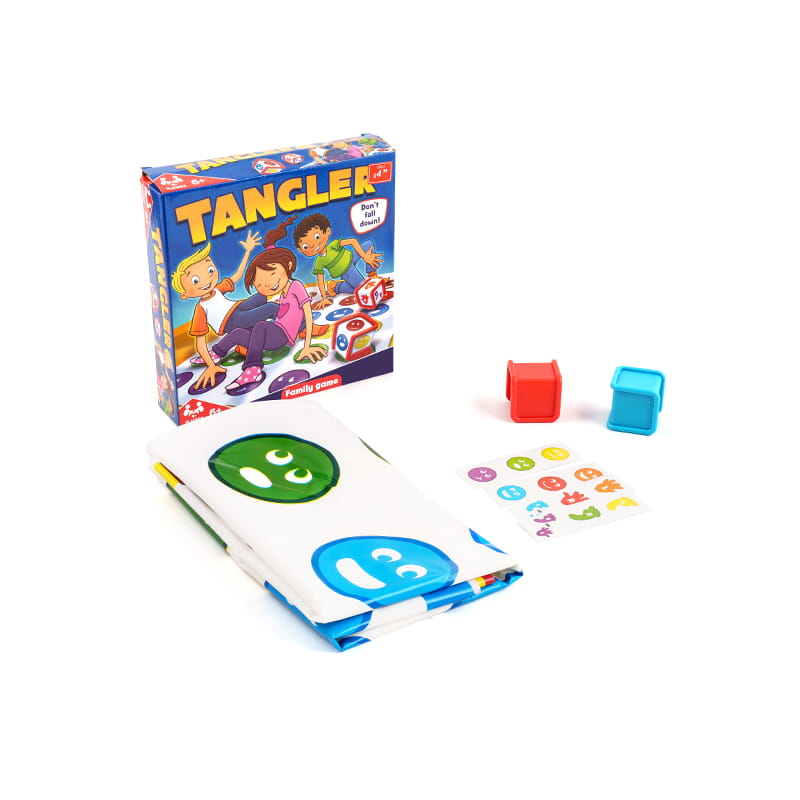
TANGLER is a fun and challenging board game that requires players to use their hands and feet to meet conditions. During the game, players need to mov...
View More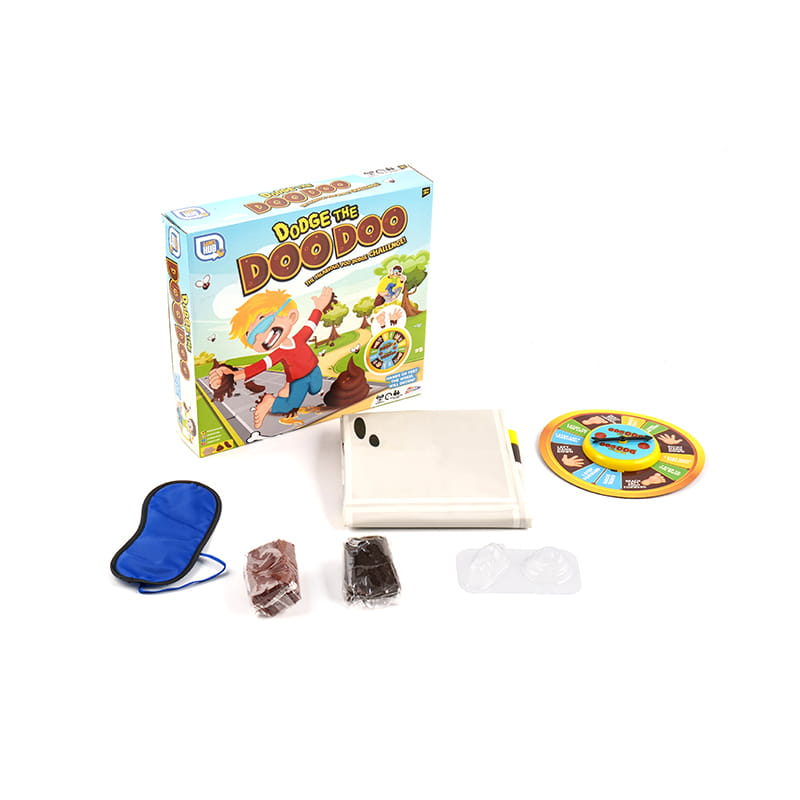
Dodge The Doggy Doo is a fun and challenging game for kids. Children need to put on a blue blindfold and walk blindfolded to complete the tasks on the...
View More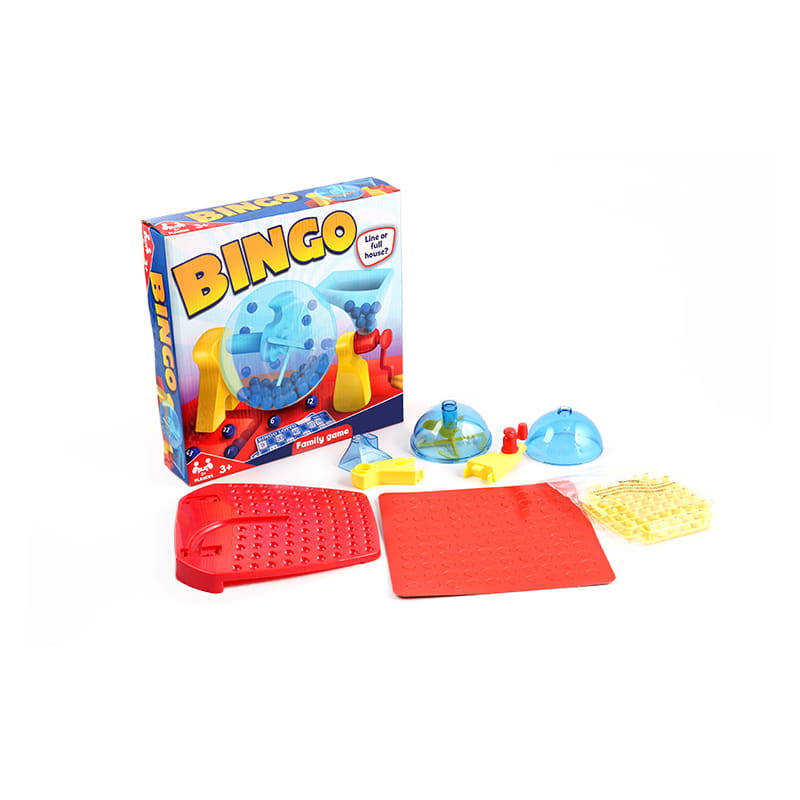
Bingo Game is an entertaining game full of fun and surprises. It contains a beautiful shaker with a sleek design and bright colors that will catch eve...
View More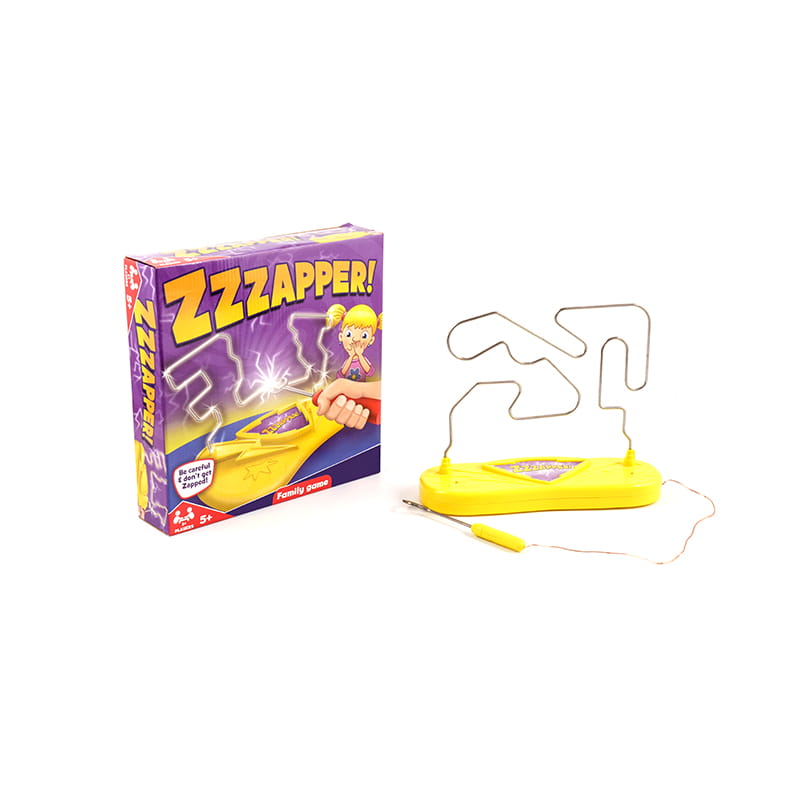
Beware of Electrocution Game is a unique family game designed to test players' concentration and balance. The game consists of a purple game box and a...
View More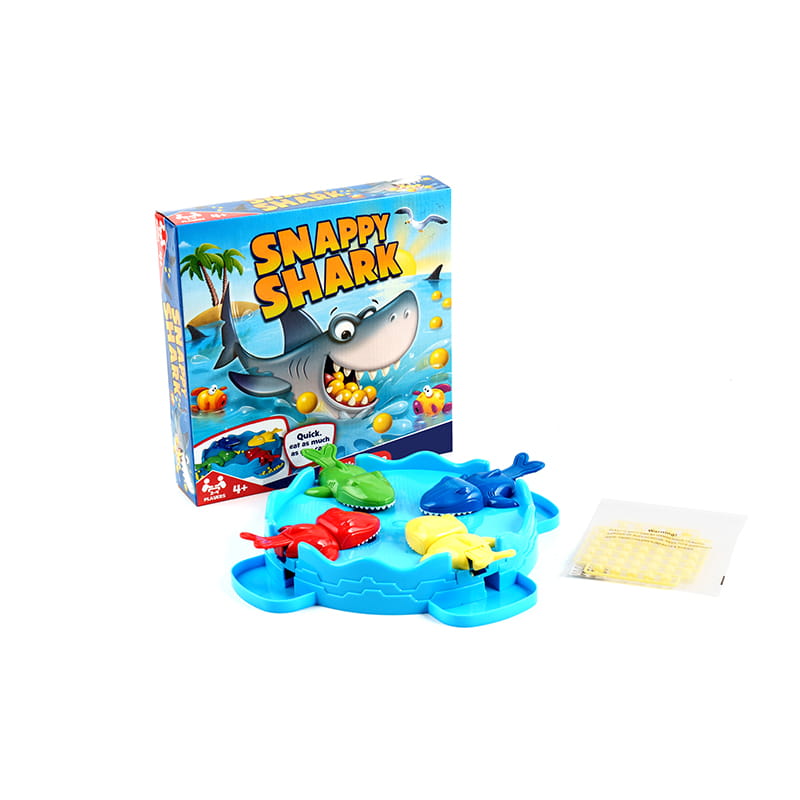
Shark Eat Beads is a four-player interactive game with a “Snappy Shark” theme, where players need to quickly maneuver their sharks to eat as many ...
View More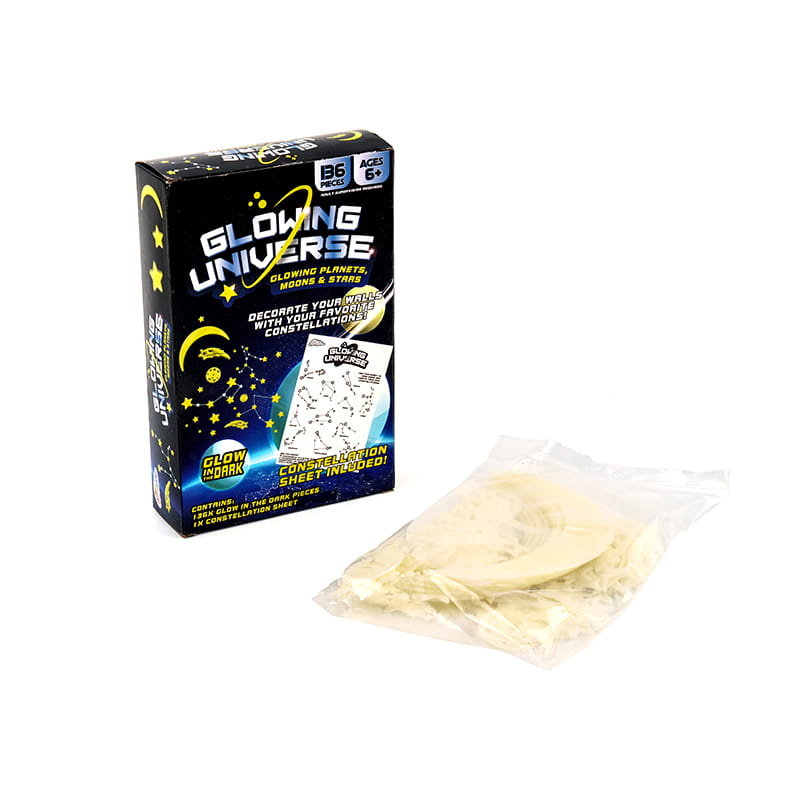
Luminous Starry Night Patch is a creative decoration. It contains a variety of cosmic elements, such as planets and stars, etc. It is made of special ...
View More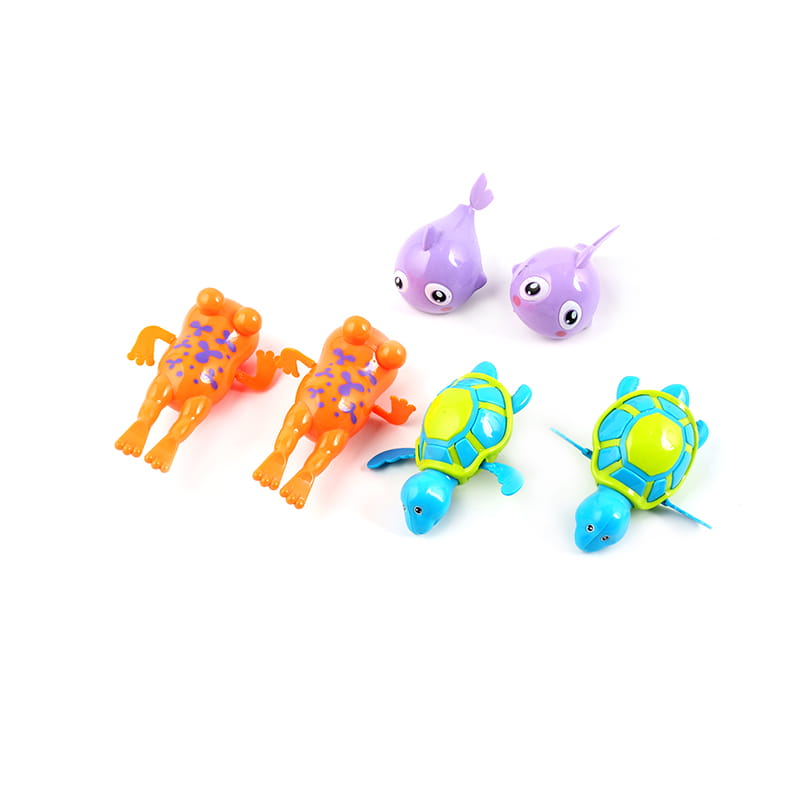
The Uplink Animal Toy is a soothing toy set designed for baby showers. The set contains brightly colored and simply designed plastic toys such as an o...
View More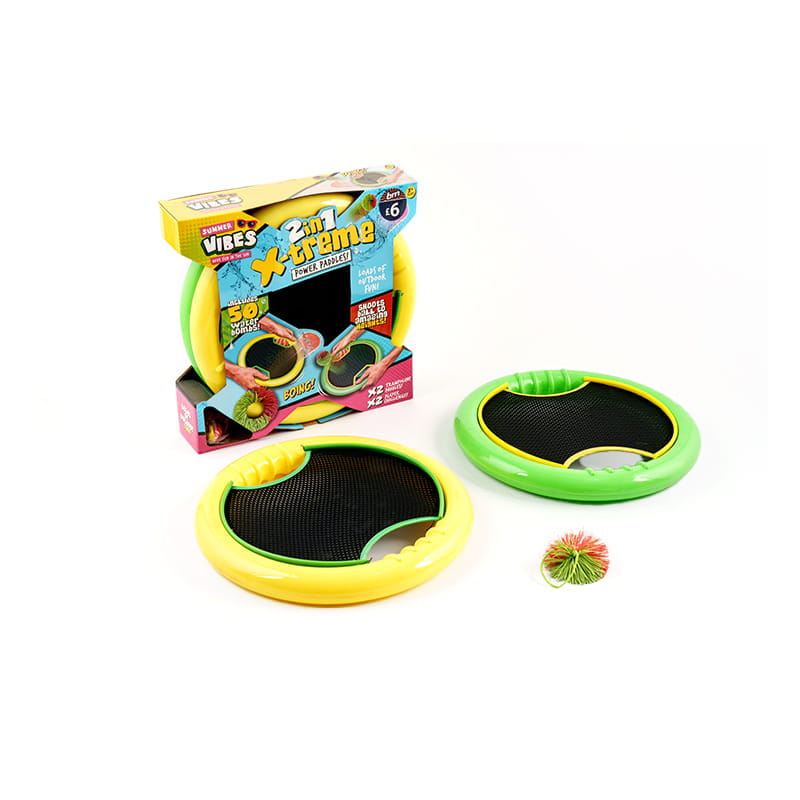
Clap Circle is a fun toy designed for children, containing 2 clappers and 1 colorful ball. This toy can be played alone to work on hand-eye coordinati...
View More
Copyright © Yuyao Leda Crafts Co., Ltd. All Rights
Reserved.

Children's Toys Factory
Children's Toys Manufacturer


