

 English
 English
 中文简体
中文简体- Type:
- Industry News
- Date
- 2026-Jul-22
Industry News
How Chess Toys Build Better Family Game Nights
Content
- 1 What Chess Toys Bring to Modern Family Game Time
- 2 Core Skills That Chess Toys and Strategy Board Games Help Develop
- 3 Comparing Popular Chess Toy and Family Game Formats
- 4 How Play Style Is Distributed Across a Typical Family Game Set Lineup
- 5 Engagement Patterns During a Typical Family Game Night
- 6 Comparing Product Strengths Across the Chess Toys Line
- 7 Understanding Chess Toy Construction Through an Isometric View
- 8 Sourcing Chess Toys and Family Games from a Manufacturer
- 9 About Yuyao Leda Craft Co., Ltd.
- 10 Frequently Asked Questions
What Chess Toys Bring to Modern Family Game Time
Chess toys and related strategy-based tabletop sets give families a practical, low-screen way to combine learning with entertainment, and that direct benefit is the reason this category keeps returning to household shopping lists, classroom supply orders, and gift catalogs year after year. A well-designed chess toy set is not simply a miniature version of a classic game; it is a structured activity that trains sequencing, patience, and turn-based decision making in a format both children and adults can share at the same table. Because chess toys sit at the intersection of education and recreation, they show up repeatedly in classrooms, after-school clubs, therapy and occupational-skill programs, and ordinary living rooms as a practical alternative to passive screen time. Beyond the traditional chessboard, the broader chess toys category includes checkers, flight chess, snakes and ladders, deduction games, and hybrid multi-game boxes that let a single purchase cover several play styles at once. This built-in versatility is one reason wholesale board games and bulk toy orders in this category remain a steady, dependable demand item for gift retailers, school suppliers, and family entertainment stores rather than a short-lived trend.
The sections below first walk through the concrete skill benefits behind chess toys, then compare several real product lines, including EGG SPLAT game sets, the Plastic Guess Who game set, the Flight Chess, Snakes and Ladders, Chess, and Checkers combo set, and the Say It Don't Spray It toy set, and close with sourcing guidance for buyers evaluating a board game manufacturer or wholesale board game supplier. Several compact data visualizations and one isometric product diagram are included throughout to make the comparisons easier to read at a glance without needing to study dense paragraphs of text.
Core Skills That Chess Toys and Strategy Board Games Help Develop
Strategy-based tabletop games have long been associated with planning ahead, recognizing patterns, and managing turn-based decisions, and chess toys sit among the clearest examples of this kind of structured play. When a child moves a checker piece or plots a route on a flight chess board, they are practicing a small but complete decision loop: observe the board, weigh a few options, choose one, and then watch the outcome unfold before the next turn begins. Repeated across dozens of rounds during a single game night, this loop is widely discussed in general child-development and classroom-education contexts as a practical way to build patience, working memory, and sequencing skills. Family board games also naturally enforce turn-taking and rule-following, which are foundational social skills that transfer well beyond the game table into cooperative classroom or family settings. Fine motor coordination gets meaningful exercise as well, since picking up and precisely placing small chess pieces, dice, or tokens demands more hand control than swiping a screen.
Reading the Skill Emphasis Comparison
Before looking at the chart below, it helps to understand exactly what it represents and what it does not. This is a simple, illustrative comparison of how strongly five common skill areas tend to be emphasized across typical chess toy and strategy board game formats, not a market survey or an externally sourced statistic. The scale runs from one to ten, and a longer bar simply means that particular skill tends to play a larger role in that style of gameplay based on how the games are commonly structured. This kind of side-by-side view is genuinely useful for parents and retail buyers who want to match a specific chess toy set to a specific learning goal, such as choosing a checkers set to build early planning ability or a flight chess set to build turn management in a group setting. The five categories shown below, planning, memory, pattern recognition, turn-taking, and fine motor coordination, are the skill areas most commonly referenced in general discussions of how tabletop games are designed to engage players.
Turn-taking and planning score highest in this comparison, which lines up neatly with why chess toys are so often recommended for group settings such as classrooms, after-school clubs, and multi-child households where several players need to wait their turn while still staying engaged. Memory and pattern recognition are also strongly represented, particularly in games like checkers and flight chess, where a player has to track piece positions across the board and anticipate what an opponent might do several moves ahead. Fine motor coordination scores comparatively lower on this particular scale, but it remains a meaningful component, especially for younger players who are still developing the hand-eye coordination needed to place pieces accurately on a crowded board. These five skill areas together explain why chess toys are frequently positioned as an educational product category as much as a recreational one. For a wholesale board game buyer, a comparison like this can serve as a useful internal reference when writing product descriptions, building an age-appropriate assortment plan, or training retail staff on how to recommend the right set to a customer. It also helps explain why many households end up keeping more than one type of chess toy or table game set on hand rather than settling on just one, since each format leans slightly differently across these five skill areas depending on its rules and pacing. A retailer arranging a shelf of kids board games can use a chart like this to group products by primary learning benefit rather than by packaging color or box size alone, which tends to make merchandising conversations with customers far more concrete. It also gives gift buyers a simple way to explain their choice to a teacher or parent, for example noting that a flight chess and checkers combo leans toward planning and pattern recognition while a party-style set leans toward turn-taking in a livelier group format. In short, the skill mix of a chess toy is never uniform across formats, and recognizing that difference gives both buyers and end users a much clearer way to choose the right set for a specific goal rather than assuming all chess toys serve the same purpose.
Comparing Popular Chess Toy and Family Game Formats
Not every chess toy or table game set is built the same way, and understanding the practical differences between formats helps buyers match the right product to the right audience instead of guessing based on packaging alone. The table below summarizes five common formats found in a typical chess toys and family games lineup: a Magic Toy Set, EGG SPLAT game sets, a Plastic Guess Who game set, a Flight Chess, Snakes and Ladders, Chess, and Checkers combo set, and a Say It Don't Spray It toy set. Each format serves a slightly different play style, age range, and group size, which is exactly the kind of information a buyer needs on hand before placing a wholesale board game order for a store shelf, a school program, or a holiday gift catalog.
| Product Format | Primary Play Style | Typical Group Size | Main Skill Focus |
|---|---|---|---|
| Magic Toy Set | Creative and educational play | 1-4 players | Curiosity and fine motor skill |
| EGG SPLAT Game Set | Action and reaction based family game | 2-6 players | Reflexes and group interaction |
| Plastic Guess Who Game Set | Deduction and questioning | 2 players | Logical elimination |
| Flight Chess, Snakes and Ladders, Chess, Checkers Set | Classic strategy and chance combo | 2-4 players | Planning and pattern recognition |
| Say It Don't Spray It Toy Set | Party and verbal challenge game | 2-8 players | Communication and quick thinking |
The combo set that includes flight chess, snakes and ladders, chess, and checkers is the most directly aligned with what most buyers picture when they hear the term chess toys, since it centers squarely on the classic board game formats that have been passed between generations. The Guess Who format leans more heavily on deduction and questioning strategy, making it a strong option for buyers looking for kids board games that build reasoning skills within a shorter, two-player session that does not require a long attention span. EGG SPLAT and Say It Don't Spray It sit closer to the party-game end of the spectrum, which is useful for retailers who want a broader family games assortment rather than a shelf that is purely strategy-focused and therefore appeals to a narrower audience. A board game supplier building out a catalog often benefits from carrying at least one item from each of these categories, since doing so allows a single storefront or a single wholesale order to cover strategy, deduction, reflex, and party-style demand at the same time instead of forcing a buyer to source from several vendors.
How Play Style Is Distributed Across a Typical Family Game Set Lineup
Before reviewing the donut chart below, it is worth explaining clearly what it is meant to show and how to read it correctly. This is an illustrative breakdown of how play styles tend to be distributed across a well-rounded assortment of chess toys and family game sets, grouped into four broad categories: strategy-based play, deduction-based play, chance-based play, and reaction or party-based play. It is not a claim about any specific market's exact measured percentages, but rather a simplified way to visualize how a balanced product lineup typically weighs these four play styles against one another. This kind of visual is genuinely helpful for a buyer trying to decide how to allocate shelf space or a wholesale order across a chess toys and games catalog without over-investing in a single narrow format. It also explains, at a glance, why a single company often offers several different game formats rather than manufacturing just one board game and stopping there.
Strategy-based play, represented by formats like chess, checkers, and flight chess, makes up the largest single share in this illustrative breakdown, which is consistent with how central strategic thinking has always been to the chess toys category as a whole and to how the category is typically marketed to schools and multi-generation households. Deduction-based play, represented by formats like the Plastic Guess Who game set, comes next, since logical elimination games remain a steady favorite in two-player household settings where a shorter, focused session is preferred over a longer strategy match. Chance-based play, represented by games like snakes and ladders, adds an accessible entry point for younger children who are not yet ready for pure strategy games but still enjoy the turn-based structure and the anticipation of a dice roll. Reaction and party-based formats, represented by EGG SPLAT and Say It Don't Spray It, round out the mix by giving larger groups a faster-paced, more social option that works well at gatherings where attention spans and group size vary widely. Balancing these four play styles is one practical way for a retailer or distributor to build a chess toys and family games assortment that appeals across a wide age range rather than narrowing in on a single buyer segment. A household with children of different ages, for example, often benefits from having at least one option from each category on hand, since a single format rarely suits every family member equally well at every developmental stage. This framework is also useful for a board game manufacturer deciding how to expand a product line, since it highlights where a catalog might be light on one play style relative to the others and where a new product could fill a genuine gap. Overall, the distribution shown here should be treated as a planning tool rather than a fixed rule, and it can be adjusted based on the specific audience a buyer or retailer is targeting, whether that is a school supply program, a general toy retailer, or a party goods specialist. Retailers who track which formats sell fastest during different seasons can also use a chart like this as a starting template and then adjust the four segments based on their own observed customer preferences over time.
Engagement Patterns During a Typical Family Game Night
The area chart below is another illustrative visual, this time focused on how engagement tends to shift across the rounds of a typical family game night that mixes chess toys with lighter party games. It is based on a general, commonly observed pacing pattern rather than a specific measured study, and it is meant to help buyers and parents think through the order in which to introduce different games during an evening. The horizontal axis represents successive rounds of play, while the vertical axis represents a relative engagement level rather than an exact measured score. This kind of pacing pattern is often discussed informally among game designers, camp counselors, and event organizers who plan multi-game sessions for families or larger groups of children. Understanding it can help a retailer suggest a sensible play order when marketing a bundle of chess toys and family games together as a single evening's entertainment.
Engagement in this illustrative pattern starts moderate during round one, since players are still learning the rules of whichever chess toy or game set they picked up first, whether that is a flight chess board, a checkers set, or a deduction game like Guess Who. It rises steadily through rounds two and three as players become more comfortable with the format, start recognizing useful moves, and begin to enjoy the back-and-forth rhythm of turn-based competition. The peak around round four often coincides with the point where friendly competition between players becomes noticeable but not yet frustrating, which tends to happen once everyone understands the strategy well enough to make deliberate rather than random moves. After that peak, engagement in this pattern gradually eases, which many game organizers interpret informally as a natural cue to switch to a lighter format such as a party game like Say It Don't Spray It or EGG SPLAT before attention spans run out entirely. This is one reason many family game nights alternate between strategy-heavy chess toys and faster, more social games rather than sticking to a single format for an entire evening. A retailer bundling products together can use this kind of pacing logic to suggest thoughtful combinations, such as pairing a flight chess and checkers set with a party game for variety across a full evening of play. For a wholesale buyer, understanding this pattern also supports smarter merchandising decisions, since displaying a strategy game next to a party game visually communicates that a single purchase can cover an entire evening rather than just one activity. None of this requires exact measured figures to be genuinely useful; it is simply a way of organizing a widely recognized, common-sense pacing pattern into a visual that supports better product recommendations to end customers. Retailers working with schools can apply the same logic in reverse, front-loading strategy-based chess toys at the start of a class period when attention is freshest and saving lighter games for the end of a session.
Comparing Product Strengths Across the Chess Toys Line
The radar chart below compares two groups of products from a typical chess toys and family games line across five dimensions: strategic thinking, physical or motor engagement, social interaction, replay value, and age range versatility. Each dimension is scored on a simple one to five scale for illustration only, and the comparison is meant to help a buyer quickly see how each format's strengths differ from the others without reading through lengthy separate descriptions. This kind of side-by-side view is particularly useful when a retailer is deciding which two or three products to feature together in a bundle or a seasonal promotion for chess toys and family games. It also helps explain why a company might keep several different formats in its lineup instead of focusing narrowly on just one game type. The two groups compared here are a classic checkers and flight chess combo set, shown in blue, and the party-style formats represented by EGG SPLAT and Say It Don't Spray It, shown in orange.
The chess and flight chess combo set, shown in blue, scores highest on strategic thinking and age range versatility, which matches its position as a classic multi-generation chess toy that appeals to both children and adults across many years of family use. The party-style games, shown in orange and representing formats like EGG SPLAT and Say It Don't Spray It, score higher on social interaction and motor engagement, reflecting their faster pace, louder energy, and clear design toward larger group settings rather than quiet one-on-one play. Replay value tends to sit in a comparable middle range for both groups, since strategy games remain replayable through varied tactics and opponent styles, while party games remain replayable through varied group dynamics, prompts, and the unpredictable reactions of different players. The Plastic Guess Who game set, not separately plotted here but conceptually similar to the deduction category, would generally land between these two groups, offering moderate strategic thinking alongside strong social interaction focused specifically on a two-player exchange. This comparison illustrates why a single format rarely covers every use case, and why a broader chess toys and family games assortment tends to serve buyers better than a narrow one built around only one game type. For a distributor evaluating a board game manufacturer's catalog, a chart like this can support decisions about which two or three products complement each other well in a single shipment, a single store display, or a single seasonal marketing push. It also reinforces a practical merchandising point worth remembering: pairing a high-strategy product with a high-social-interaction product tends to create a more complete family entertainment offering than stocking only one type and hoping it satisfies every customer. Buyers sourcing for schools may lean toward the strategic end of this comparison when building a curriculum-friendly assortment, while buyers sourcing for party retailers or seasonal gift markets may lean toward the social and motor engagement end where faster, louder games perform better. Either direction is a reasonable business decision, and the right balance ultimately depends on the specific customer base a retailer or distributor is trying to serve.
Understanding Chess Toy Construction Through an Isometric View
Before looking at the isometric diagram below, it helps to understand what it is showing and why this kind of view is useful for a chess toys product. An isometric or three-quarter view lets a buyer see the depth, height, and internal layout of a game box in a single image, which is difficult to communicate through a flat top-down photo alone. This particular diagram represents a generic flight chess, checkers, and snakes-and-ladders style combo box, labeled with its main construction elements rather than any single branded product. This kind of technical view is commonly used in manufacturing documentation, retail packaging previews, and wholesale product sheets to show a buyer exactly what they are ordering before a bulk shipment is confirmed. The callouts below the box point to the folding board panel, the piece storage tray, and the printed rule insert, which are the three components most buyers ask about when evaluating a chess toy set for durability and completeness.
The folding board panel is typically the largest single component of a chess toy set, and its hinge quality has a direct effect on how many times the box can be opened and closed before wear becomes visible, which matters greatly for products intended for repeated classroom or household use over several years. The piece storage tray sits beneath the board panel in most combo formats, and a well-designed tray keeps checkers, chess pieces, dice, and flight chess tokens separated so that a family does not lose small components during transport or storage between play sessions. The printed rule insert is a small but important component because it lets new players start a game like flight chess or snakes and ladders without needing outside instructions, which is especially valuable for gift purchases where the recipient may not already know every rule variation. Buyers evaluating a chess toy set for wholesale purchase often look closely at these three structural elements first, since they affect long-term durability far more than surface decoration does. A board game manufacturer that reinforces the folding panel's hinge, uses a properly fitted storage tray, and includes a clear printed rule insert is generally producing a more complete and more retail-ready chess toys product than one that treats these as an afterthought. This isometric view is also useful during initial product development conversations between a supplier and a buyer, since it allows both sides to point at a single labeled diagram and discuss packaging dimensions, shipping carton fit, and retail shelf footprint before a full production run begins. For distributors handling multiple SKUs across a chess toys and family games line, having a consistent isometric-style reference for each product also simplifies internal catalog documentation and staff training on what each box actually contains.
Sourcing Chess Toys and Family Games from a Manufacturer
Buyers evaluating a board game manufacturer or wholesale board game supplier typically look at a consistent set of factors: material safety, packaging durability, production consistency, and the breadth of the available product range across strategy, deduction, chance, and party formats. Chess toys and other small tabletop game pieces are often made from durable plastic components designed to withstand repeated handling, since these products are meant for long-term household or classroom use rather than single-occasion play. Consistent piece sizing and molding quality matter enormously for games like checkers and flight chess, where mismatched or warped pieces can disrupt gameplay and lead to customer complaints after purchase. For party-style products such as EGG SPLAT or Say It Don't Spray It game sets, packaging design also plays a meaningful role, since these sets often need to survive shipping in bulk quantities for retail distribution without box corners crushing or components shifting loose in transit.
- Confirm material safety compliance suitable for the intended age group of each chess toy or family game set.
- Review sample units for piece consistency across a checkers, flight chess, or Guess Who format before placing a bulk toy order.
- Ask about production capacity and lead times for wholesale board games during peak seasonal demand periods.
- Evaluate packaging strength for products intended for retail shelf display versus bulk container shipment.
- Check whether the supplier offers a broad enough catalog to cover strategy, deduction, chance, and party-style games in one order.
A supplier that can produce across multiple categories, from a Magic Toy Set to a full chess toys line, gives distributors and retailers far more flexibility to build varied seasonal assortments without having to manage several separate vendors and separate shipping schedules. This is particularly relevant for buyers who serve both educational markets, which often prioritize strategy-based chess toys for classroom or after-school use, and general retail or gift markets, which often prioritize party-style family games for holiday and seasonal promotions. Working with a single board game manufacturer capable of covering both needs can meaningfully simplify logistics, quality control, and long-term relationship management across an entire product line rather than fragmenting sourcing across multiple smaller suppliers.
About Yuyao Leda Craft Co., Ltd.
Yuyao Leda Craft Co., Ltd. was established in 2011 and is located by the beautiful and fertile Hangzhou Bay, adjacent to the Hushu Ningbo Cross-Sea Bridge. With convenient transportation, developed logistics, and a complete industrial supply chain, it is an integrated manufacturing and trading enterprise that combines design, research and development, production, and sales. The company is dedicated to developing products such as children's hula hoops, stress relief toys, DIY toys, board games, and outdoor interactive games for summer.
The company adheres to the business philosophy of Customer First, Diligent Progress and insists on the principle of Customer First to provide high-quality services to a wide range of customers. Since its establishment, the company's products have been continuously exported to international markets, including Europe and the United States, and have been well received by numerous customers. The company is continually growing and expanding, and welcomes more friends to visit and establish long-term cooperative relationships across the chess toys and family games category.
Frequently Asked Questions
Q1: What age group are chess toys and family game sets usually designed for?
Most chess toys and combo sets such as flight chess, snakes and ladders, chess, and checkers are designed for a wide age range, often suitable from early elementary age through adulthood, while party-style sets like EGG SPLAT may specify a slightly older minimum age due to faster-paced play.
Q2: How is a Plastic Guess Who game set different from a classic chess toy set?
A Guess Who format focuses on deduction and question-based elimination between two players, while a classic chess or checkers set focuses on strategic piece movement, so the two products build different but complementary thinking skills.
Q3: Can wholesale buyers order a mixed assortment of chess toys and party games together?
Yes, many board game manufacturers and suppliers offer combined catalogs that include strategy games, deduction games, and party-style sets, which allows a single wholesale order to cover a broader retail assortment.
Q4: What should a retailer check before placing a bulk toy order for chess toys?
Retailers generally check material safety compliance, piece consistency, packaging durability, and whether the supplier's product range covers enough variety in play style to suit their target customers.
Q5: Are chess toys still relevant compared to digital or app-based games?
Many families and educators continue to choose physical chess toys and tabletop game sets because they encourage face-to-face interaction, turn-taking, and hands-on play in a way that complements rather than replaces digital entertainment.
Related Products
-
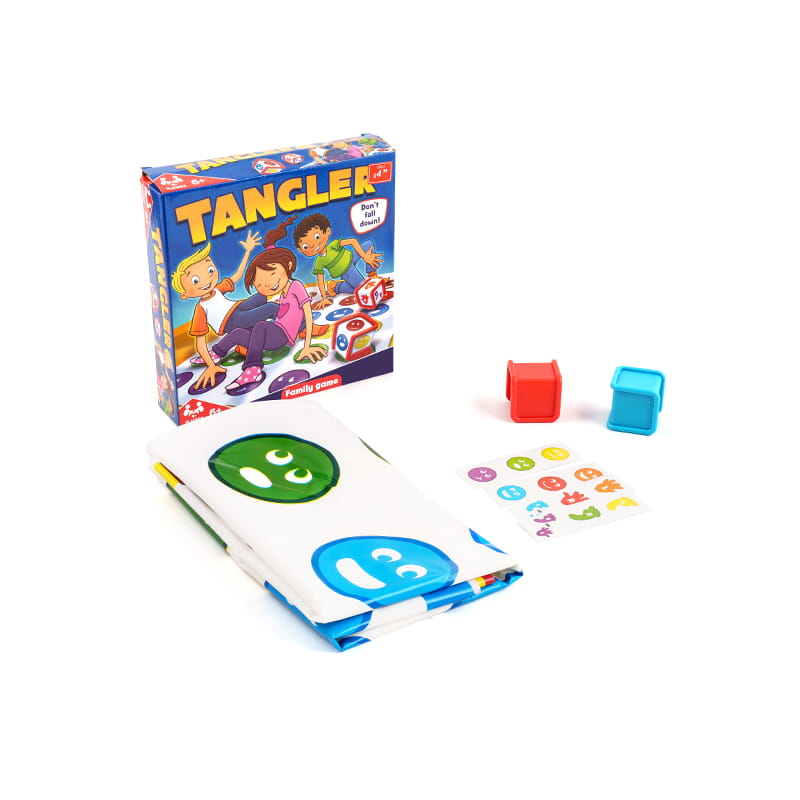
Plastic Tangler Game Set
TANGLER is a fun and challenging board game that requires players to use their hands and feet to meet conditions. During the game, players need to mov...
View More -
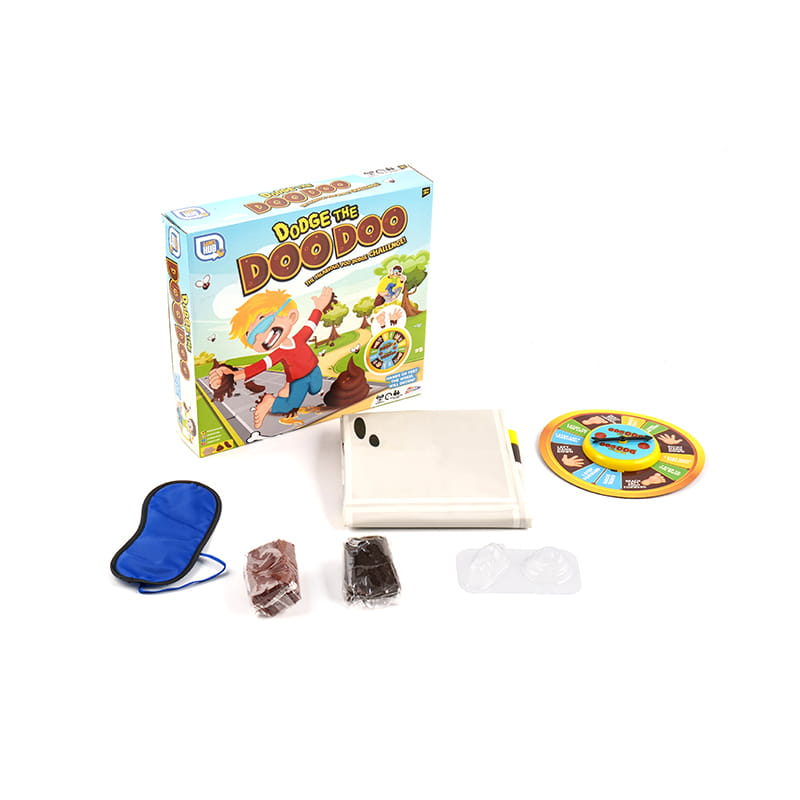
Dodge The Doggy Doo Game Set
Dodge The Doggy Doo is a fun and challenging game for kids. Children need to put on a blue blindfold and walk blindfolded to complete the tasks on the...
View More -
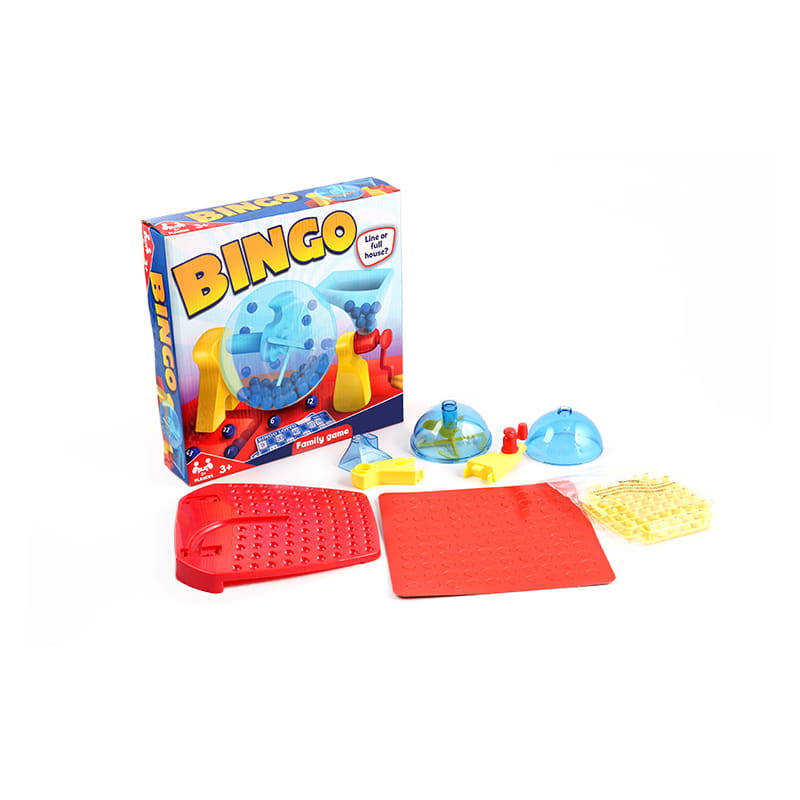
Plastic Bingo Game Set
Bingo Game is an entertaining game full of fun and surprises. It contains a beautiful shaker with a sleek design and bright colors that will catch eve...
View More -
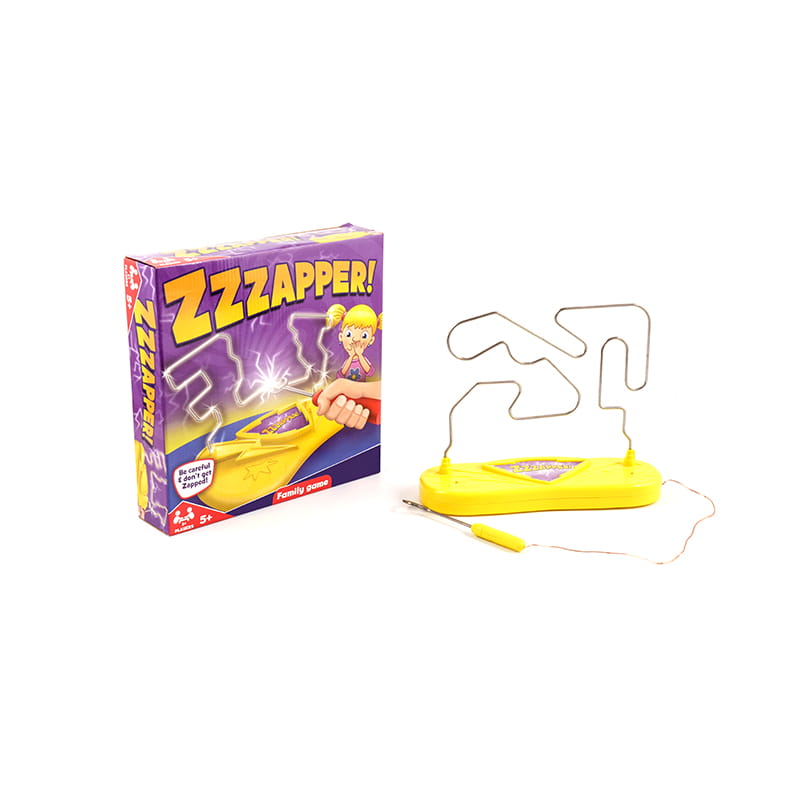
Plastic Beware Of Electrocution Game Toy
Beware of Electrocution Game is a unique family game designed to test players' concentration and balance. The game consists of a purple game box and a...
View More -
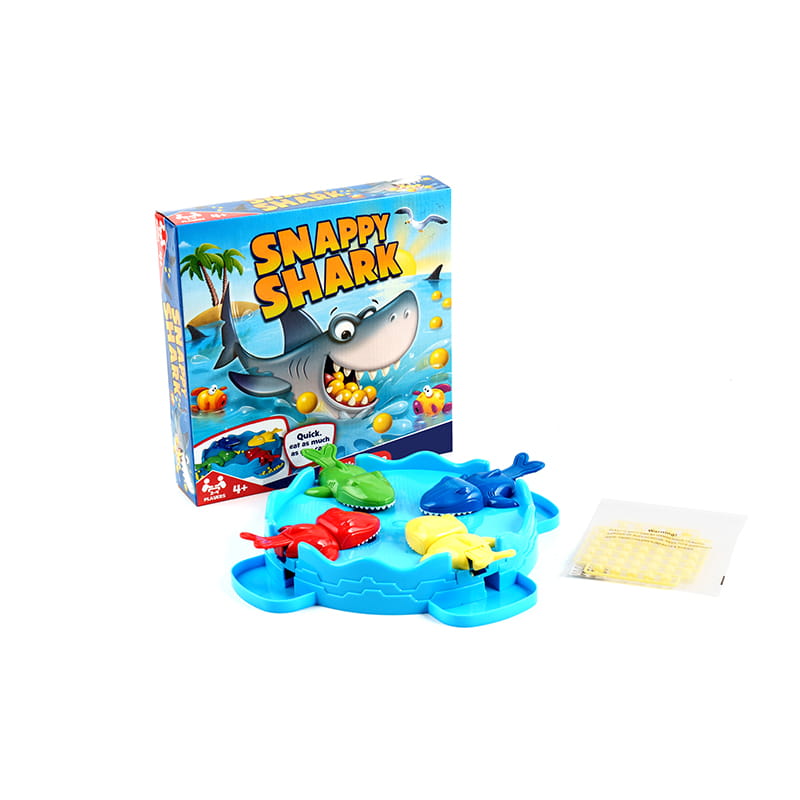
Plastic Shark Eat Beads Game Toy
Shark Eat Beads is a four-player interactive game with a “Snappy Shark” theme, where players need to quickly maneuver their sharks to eat as many ...
View More -

Luminous Star Patch
Luminous Starry Night Patch is a creative decoration. It contains a variety of cosmic elements, such as planets and stars, etc. It is made of special ...
View More -
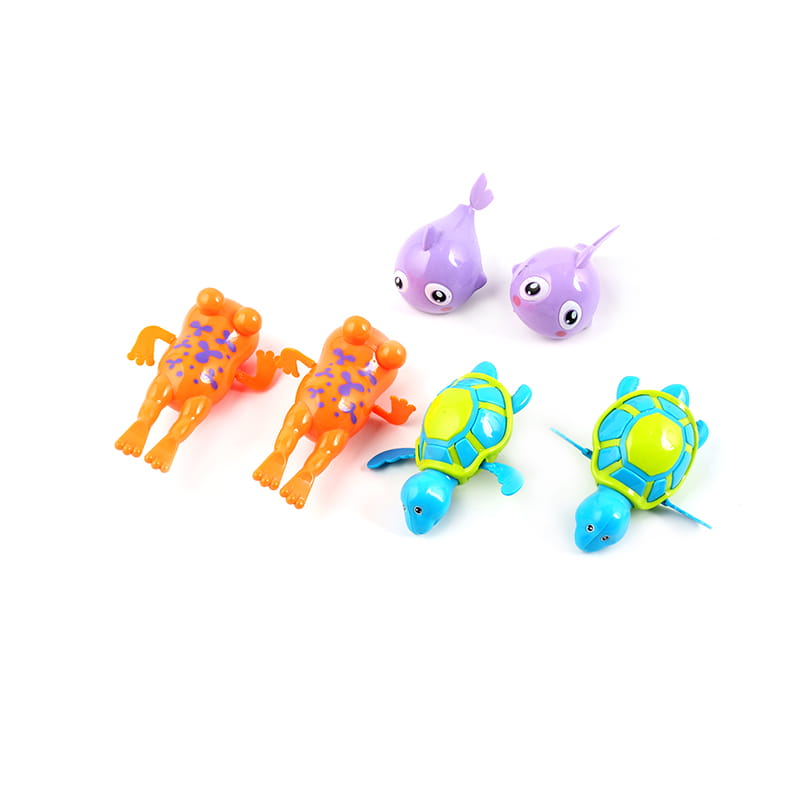
Plastic Uplink Animal Toy
The Uplink Animal Toy is a soothing toy set designed for baby showers. The set contains brightly colored and simply designed plastic toys such as an o...
View More -
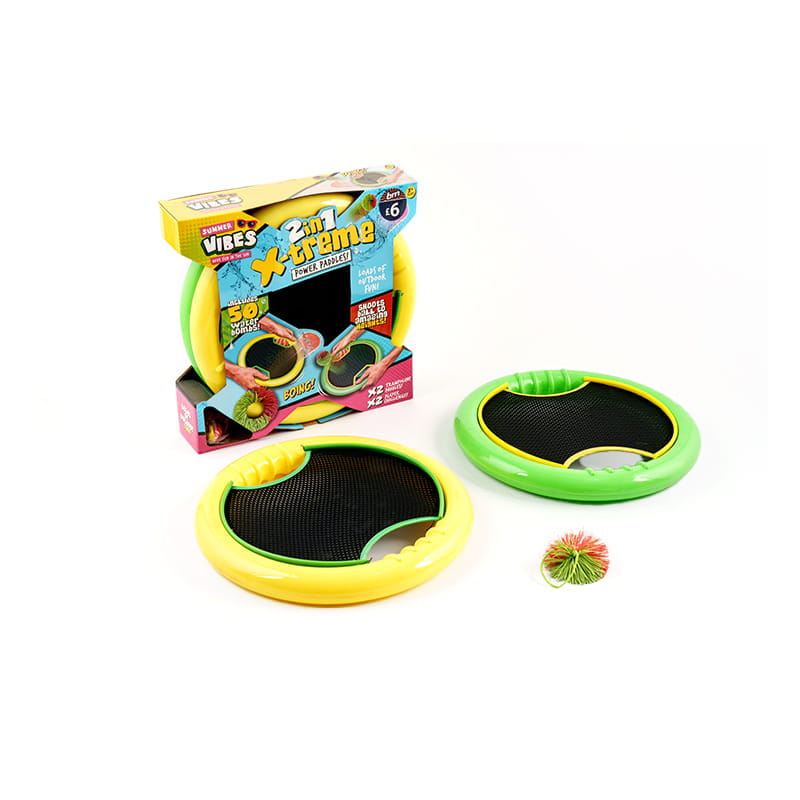
Beat About The Bush Toy Set
Clap Circle is a fun toy designed for children, containing 2 clappers and 1 colorful ball. This toy can be played alone to work on hand-eye coordinati...
View More

Copyright © Yuyao Leda Crafts Co., Ltd. All Rights
Reserved.

Children's Toys Factory
Children's Toys Manufacturer
Information
-
 Phone: +86-13056880051
 -
 fax: +86-574-62750718
 -
 E-mail:[email protected]
 -
 Add:Zhushan Village, Lizhou Street, Yuyao City, Ningbo, Zhejiang Province, China
Toys
Links
Contact Us