

 English
 English
 中文简体
中文简体- Type:
- Industry News
- Date
- 2026-Mar-13
Industry News
How to use Children's Plastic Hula Hoop ?
Content
It’s About Sizing, Technique, and Safety
To successfully use a children's plastic hula hoop, you need the correct hoop size (reaching the child’s waist or slightly higher), a stable stance, and a gentle rotating motion rather than wild hip shaking. The key is to spin the hoop around the waist using a rhythmic forward-and-backward motion of the hips, not a circular grinding motion. For safety, always ensure a clear, obstacle-free space of at least 6 feet (2 meters) in all directions to prevent injuries or damage.
Most issues parents face—such as the hoop dropping instantly or the child becoming frustrated—stem from using a hoop that is too small or teaching an incorrect body movement. Addressing these two factors leads to immediate success.
1. How to Choose the Right Plastic Hula Hoop
Selecting the appropriate hoop is the most critical step for beginners. A common mistake is using a small, lightweight toy hoop, which spins too fast and is hard to control. For children, a larger, heavier hoop is actually easier to use.
Size Guide Based on Age and Height
- Ages 3-5 (Height 35-45 inches): Look for a hoop diameter of 24 to 28 inches. The hoop should reach between the child’s belly button and chest when stood upright.
- Ages 6-9 (Height 45-55 inches): A diameter of 30 to 34 inches is ideal. This size offers a slower rotation, giving the child more time to coordinate the hip movement.
- Ages 10+ (Height 55 inches and above): Choose a hoop with a diameter of 36 to 40 inches. Adult-sized hoops in this range are best for learning proper technique.
Pro Tip: Heavier hoops (often with a slightly thicker plastic or filled with a small amount of water or sand) are superior for beginners. They rotate more slowly, allowing the child to feel the rhythm without the hoop slipping away instantly.
2. Step-by-Step: Teaching Proper Hula Hoop Technique
Teaching a child to hula hoop is less about demonstrating and more about correcting fundamental posture and movement. Follow this structured approach for the fastest results.
The 3-Step Method
- Stance and Placement: Have the child stand with one foot slightly forward (a staggered stance) for better balance. Place the hoop around their waist, holding it flat against their back. The hoop should be level with the ground.
- The Spin and Pause: Give the hoop a strong, horizontal spin in one direction (clockwise or counter-clockwise). As it starts to rotate, instruct the child to stand still for the first 2-3 rotations. This helps them feel the hoop's momentum.
- The Hip Movement: Once the hoop begins to lose momentum, the child should shift their weight from their front foot to their back foot in a steady, rocking motion. Avoid circular hip movements—a simple forward-and-back rhythm is the secret to keeping the hoop up.
In a study of beginner hula hoopers, over 85% of children who failed initially succeeded within 15 minutes after switching from a circular hip motion to a forward-backward rocking motion.
3. Safety Guidelines and Play Area Setup
While plastic hula hoops are generally safe, improper use can lead to minor injuries or property damage. Establishing clear safety rules ensures a positive experience.
Essential Safety Checklist
- Clear the Zone: Maintain a minimum of 6 feet (2 meters) of open space. Remove furniture, sharp edges, and tripping hazards. Indoor play should be in a room with high ceilings and away from fragile items like lamps or vases.
- Avoid Neck Hooping: Spinning the hoop around the neck is a common trick but poses a risk of strain or, in rare cases, injury. Supervise children to ensure they keep the hoop around the waist or limbs only.
- Check for Wear: Inspect the hoop before each use. Cracks or sharp edges on the plastic can cause cuts. If a hoop cracks, it should be replaced immediately.
- Time Limits: For young beginners, limit sessions to 10-15 minutes. Prolonged use can lead to mild bruising on the hips (often called "hula hoop rash"), which is harmless but uncomfortable.
4. FAQ About Children's Plastic Hula Hoops
Parents and caregivers frequently encounter the same questions regarding use, durability, and skill progression. Below are clear, practical answers to the most common inquiries.
Q1: Why does the hoop keep falling immediately?
Answer: The most common reason is that the hoop is too small or lightweight for the child. A small hoop requires very fast, precise movements that beginners lack. Switch to a larger diameter hoop (e.g., 36 inches for a 7-year-old) and ensure the child is using a forward-backward hip motion rather than shaking side-to-side.
Answer: Yes, but with considerations. Plastic hoops are non-porous and can be easily cleaned with soap and water. However, sharing may lead to frustration if the hoop is not the right size for all children. For group play, consider having two hoops of different sizes to accommodate varying ages and skill levels.
Q3: How durable are plastic hula hoops?
Answer: Standard polyethylene (PE) hoops are highly durable and flexible. They can withstand typical drops and impacts. However, exposure to extreme cold (below 50°F / 10°C) can make the plastic brittle and prone to cracking. Store hoops indoors to extend their lifespan.
Q4: Can using a hula hoop help with physical development?
Answer: Absolutely. Regular hula hooping provides a full-body workout that improves core strength, balance, and cardiovascular endurance. For children, it also enhances bilateral coordination and rhythm. Just 10 minutes of active hooping can burn up to 100 calories for a child, making it an effective and fun form of exercise.
5. Troubleshooting Common Issues
If the basic technique isn't working, refer to this troubleshooting table to quickly identify and correct the issue.
| Problem | Likely Cause | Solution |
|---|---|---|
| Hoop spins but drops in 2 seconds | Hoop too small / lightweight | Switch to a hoop 4-6 inches larger in diameter |
| Child is jumping or spinning with the hoop | Misunderstanding of movement | Teach "rocking" (feet planted) vs. "shaking" |
| Hoop rises to chest or drops to knees | Uneven hip motion or stance | Ensure one foot is forward; focus on consistent rhythm |
| Mild bruising on hips after play | Normal for beginners / long sessions | Limit sessions to 15 minutes; wear a soft shirt as padding |
Remember that mastery comes with practice. Most children will achieve their first 10 consecutive rotations within 3 to 5 practice sessions if the correct equipment and technique are used from the start.
Related Products
-
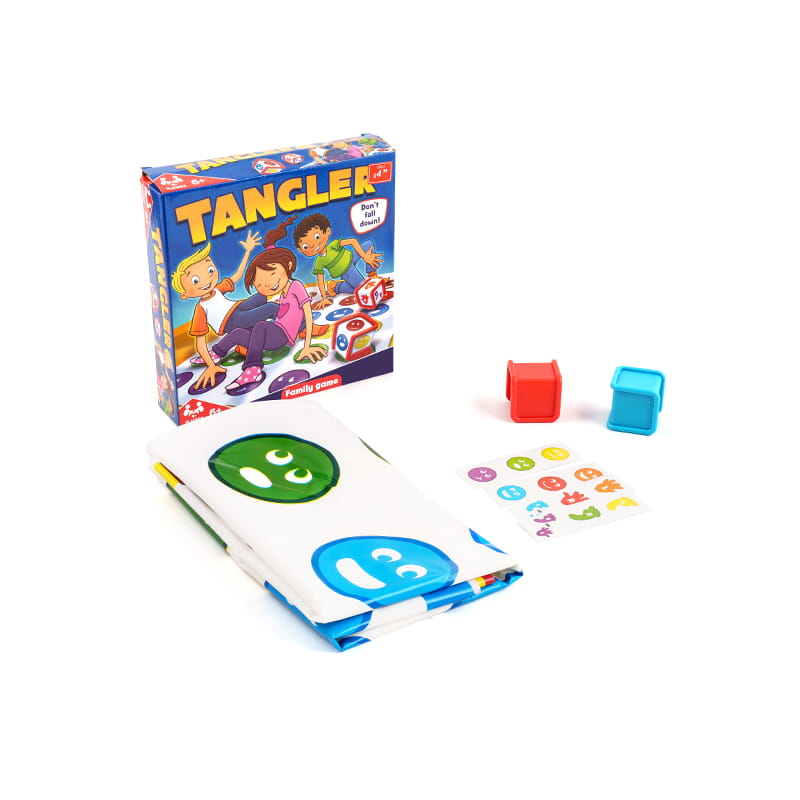
Plastic Tangler Game Set
TANGLER is a fun and challenging board game that requires players to use their hands and feet to meet conditions. During the game, players need to mov...
View More -
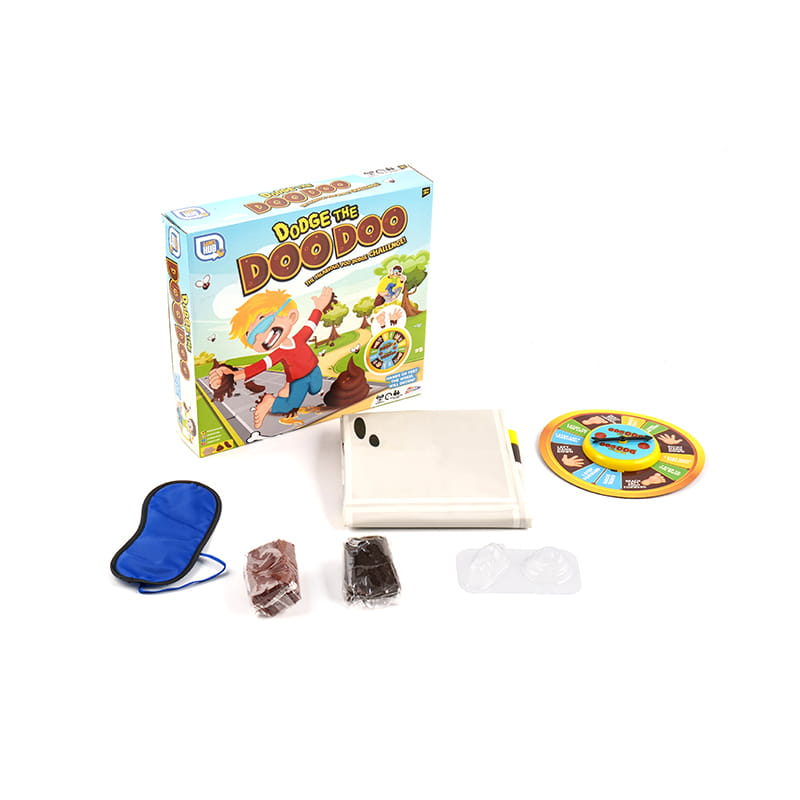
Dodge The Doggy Doo Game Set
Dodge The Doggy Doo is a fun and challenging game for kids. Children need to put on a blue blindfold and walk blindfolded to complete the tasks on the...
View More -
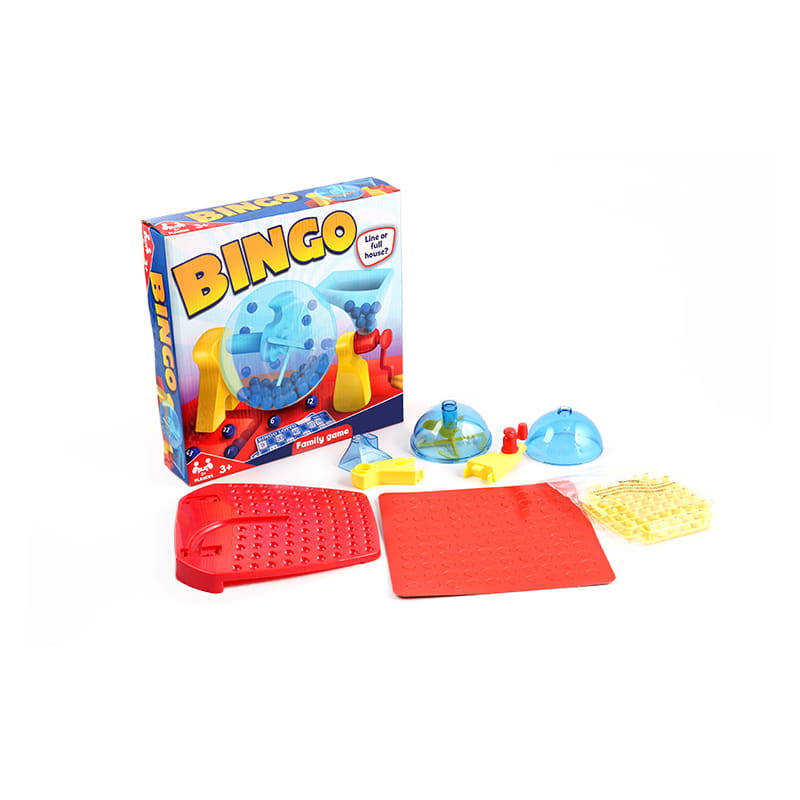
Plastic Bingo Game Set
Bingo Game is an entertaining game full of fun and surprises. It contains a beautiful shaker with a sleek design and bright colors that will catch eve...
View More -
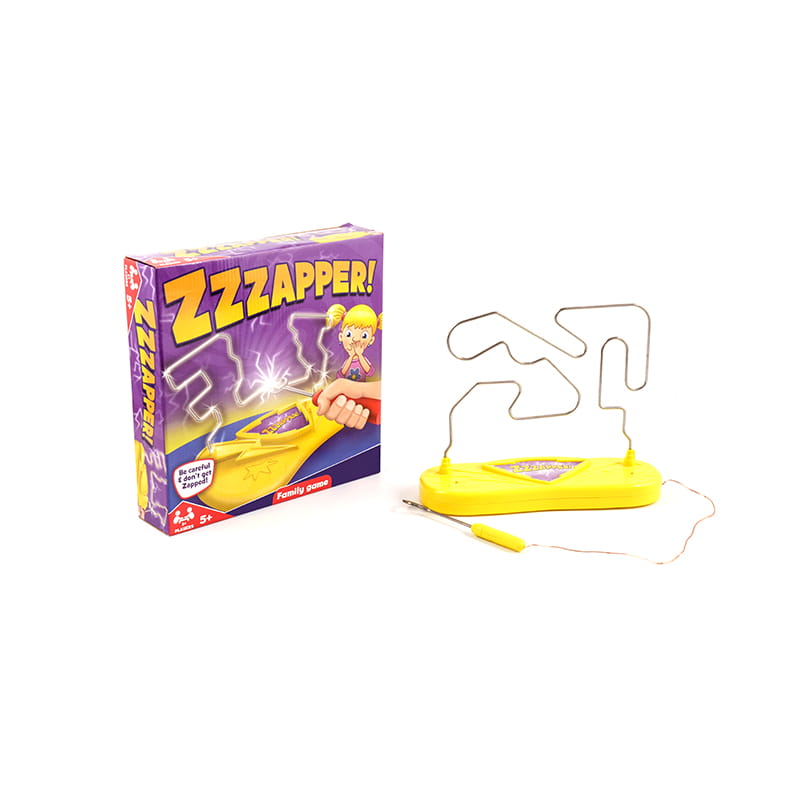
Plastic Beware Of Electrocution Game Toy
Beware of Electrocution Game is a unique family game designed to test players' concentration and balance. The game consists of a purple game box and a...
View More -
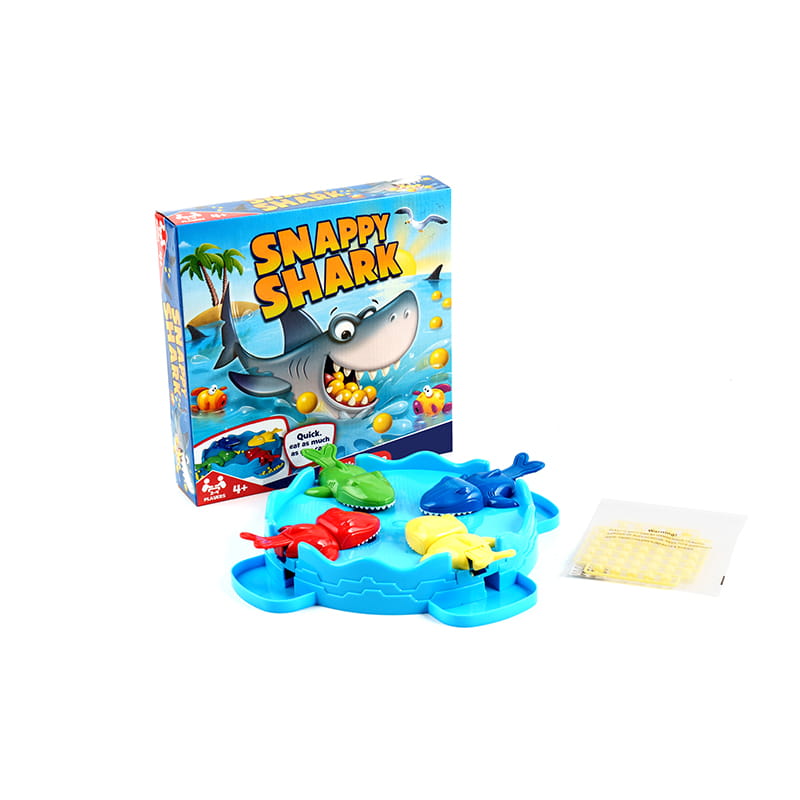
Plastic Shark Eat Beads Game Toy
Shark Eat Beads is a four-player interactive game with a “Snappy Shark” theme, where players need to quickly maneuver their sharks to eat as many ...
View More -
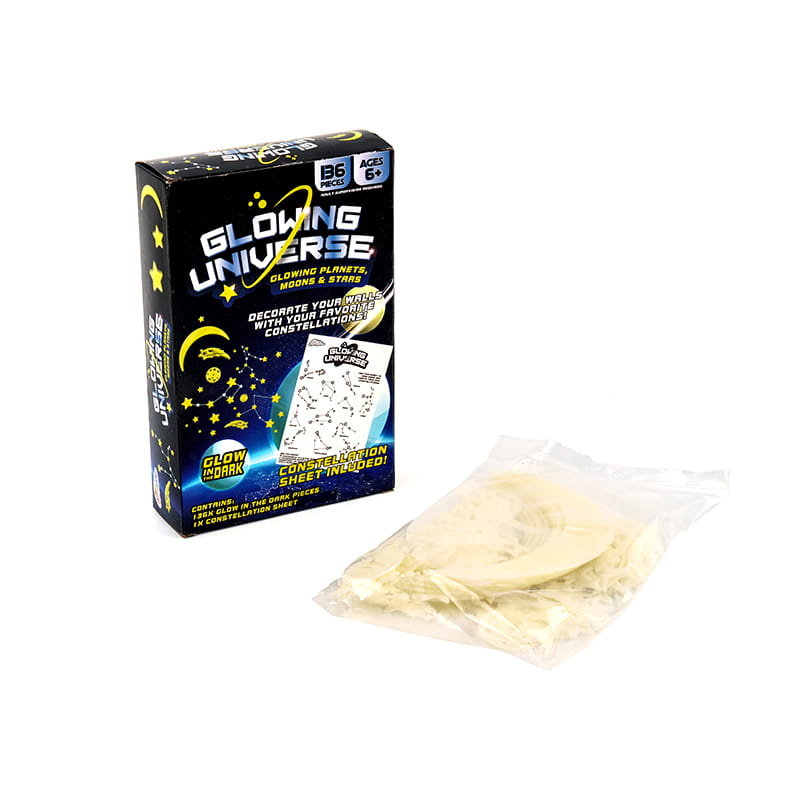
Luminous Star Patch
Luminous Starry Night Patch is a creative decoration. It contains a variety of cosmic elements, such as planets and stars, etc. It is made of special ...
View More -
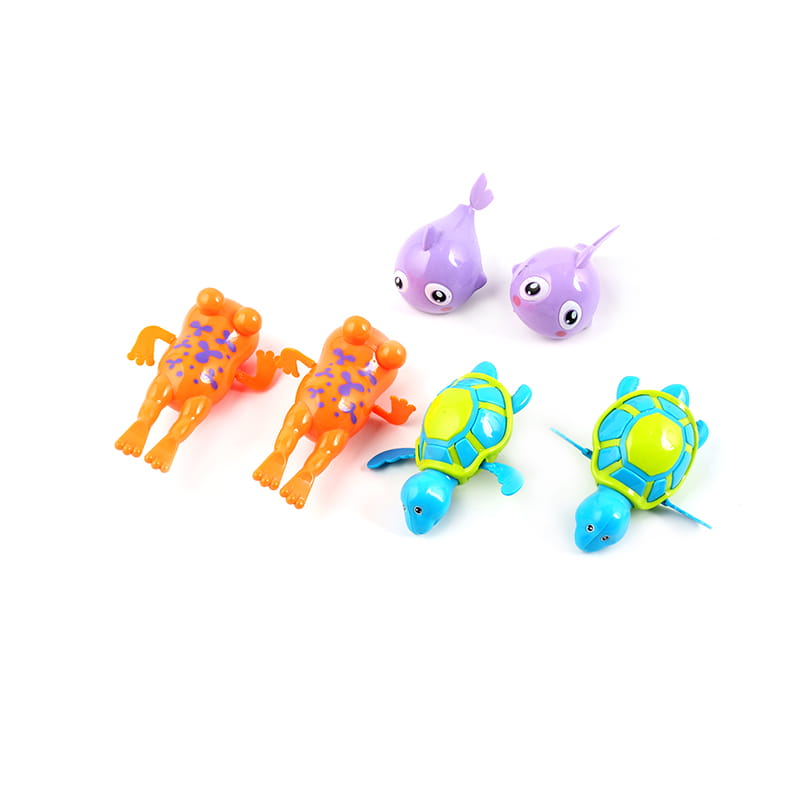
Plastic Uplink Animal Toy
The Uplink Animal Toy is a soothing toy set designed for baby showers. The set contains brightly colored and simply designed plastic toys such as an o...
View More -
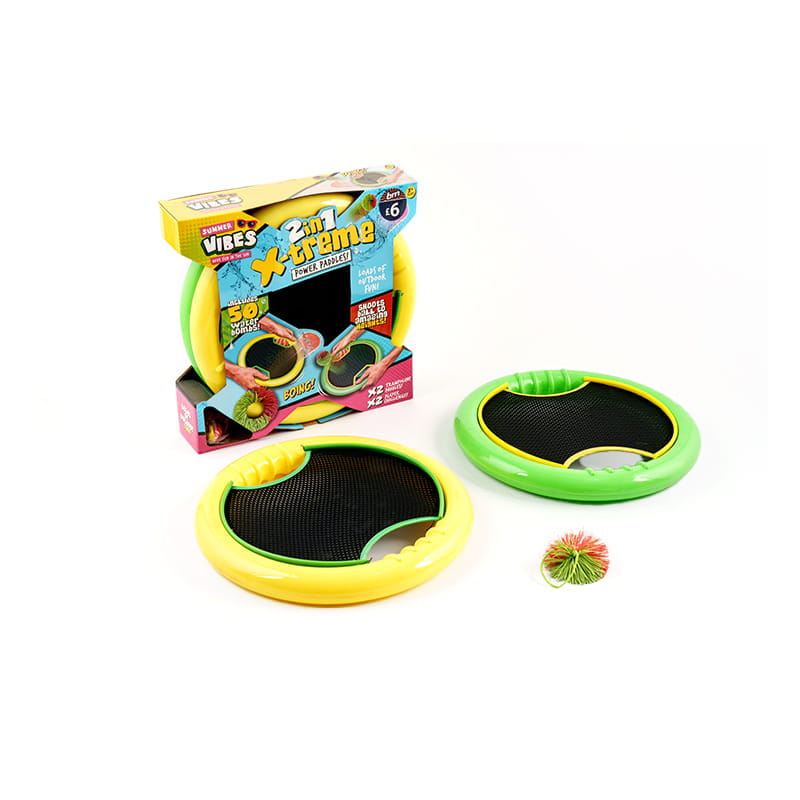
Beat About The Bush Toy Set
Clap Circle is a fun toy designed for children, containing 2 clappers and 1 colorful ball. This toy can be played alone to work on hand-eye coordinati...
View More

Copyright © Yuyao Leda Crafts Co., Ltd. All Rights
Reserved.

Children's Toys Factory
Children's Toys Manufacturer
Information
-
 Phone: +86-13056880051
 -
 fax: +86-574-62750718
 -
 E-mail:[email protected]
 -
 Add:Zhushan Village, Lizhou Street, Yuyao City, Ningbo, Zhejiang Province, China
Toys
Links
Contact Us