

 English
 English
 中文简体
中文简体- Type:
- Industry News
- Date
- 2026-Mar-06
Industry News
What are the functions of the Children's Plastic Hula Hoop?
Content
- 1 Core Functions: Fitness, Coordination, and Sensory Development
- 2 Physical Health & Gross Motor Skill Enhancement
- 3 Cognitive & Sensory Integration Functions
- 4 Social Interaction & Cooperative Play
- 5 Comparative Analysis: Plastic vs. Alternative Materials
- 6 The Manufacturer's Role: Quality & Customization
Core Functions: Fitness, Coordination, and Sensory Development
The primary function of a children's plastic hula hoop is to serve as a multifaceted developmental tool. It simultaneously promotes cardiovascular health, enhances motor coordination, and provides essential sensory stimulation. Unlike passive entertainment, hula hooping requires active engagement, burning an average of 165-200 calories per 30 minutes for a child engaged in moderate play, according to pediatric activity studies. This makes it a highly efficient tool for combating childhood sedentary behavior.
Specifically, the rhythmic motion required to keep the hoop spinning strengthens core muscles, improves balance, and develops bilateral coordination—the ability to use both sides of the body together. For younger children, the bright colors and smooth texture of the plastic provide visual and tactile feedback, which is crucial for early cognitive development.
Physical Health & Gross Motor Skill Enhancement
A child's plastic hula hoop is essentially a portable gym. Its primary physical functions target the body's largest muscle groups.
Key Physical Benefits:
- Core Stabilization: Constant micro-adjustments to keep the hoop aloft engage the abdominal and lower back muscles, building foundational strength.
- Cardiovascular Endurance: Sustained hooping elevates heart rate. Data from physical education programs show that just 10 minutes of continuous hooping meets the criteria for moderate-to-vigorous physical activity in children aged 6-12.
- Improved Flexibility: Moving the hoop from waist to arms or legs encourages a full range of motion in joints.
As a manufacturer, Yuyao Leda Craft Co., Ltd. ensures that the plastic used is lightweight yet durable, typically using HDPE (High-Density Polyethylene) which is safe for indoor and outdoor use, reducing the risk of injury while maximizing playtime longevity.
Cognitive & Sensory Integration Functions
Beyond physicality, the hula hoop functions as a tool for brain development. The act of tracking the hoop's rotation visually while feeling its pressure against the body integrates multiple senses. This is particularly beneficial for children with sensory processing disorders.
Sensory Functions Explained:
- Proprioceptive Input: The gentle pressure of the hoop against the waist and limbs provides deep touch pressure, which helps children understand where their body is in space, leading to better body awareness.
- Visual Tracking: Following the circular motion of the hoop strengthens eye muscles and improves the ability to track moving objects, a skill essential for reading and sports.
- Rhythm & Timing: Keeping a hoop spinning requires a consistent rhythm, which activates neural circuits associated with timing and sequencing.
The vibrant color options provided by companies like Yuyao Leda Craft are not merely aesthetic; they are functional, designed to capture attention and maximize visual stimulation during play.
Social Interaction & Cooperative Play
Children's plastic hula hoops are frequently utilized in group settings, functioning as tools for social development. They encourage turn-taking, cooperation, and communication. In fact, surveys of elementary school recess activities indicate that hula hoops are involved in over 40% of cooperative non-competitive group games, such as "hoop relays" or "tunnel passing."
Yuyao Leda Craft Co., Ltd. designs its hoops with this in mind, ensuring the diameter (typically 24" to 28" for children) is suitable for passing through and shared use, promoting inclusive play rather than isolated activity.
Comparative Analysis: Plastic vs. Alternative Materials
To understand the specific function of the plastic hoop, it is useful to compare it to other materials. Yuyao Leda Craft specializes in plastic due to its superior properties for children.
| Feature | Plastic (HDPE) | Metal | Wood |
|---|---|---|---|
| Weight | Lightweight (80-150g) | Heavy | Moderate |
| Safety | High (flexible, no sharp edges) | Low (can dent, sharp joints) | Medium (can splinter) |
| Weather Resistance | Excellent (UV resistant) | Poor (rusts) | Poor (warping, rot) |
| Sensory Feedback | Smooth, consistent | Cold, hard | Natural texture |
As the data shows, plastic offers the best combination of safety, durability, and usability for children. This is why Yuyao Leda Craft Co., Ltd. utilizes advanced injection molding processes to create seamless, safe hoops suitable for continuous export to markets in Europe and America.
The Manufacturer's Role: Quality & Customization
The effectiveness of a hula hoop's functions is directly tied to its manufacturing quality. Yuyao Leda Craft Co., Ltd., established in 2011 and located by Hangzhou Bay, plays a crucial role. As an integrated manufacturing and trading enterprise, they ensure that every hoop functions as intended by focusing on:
- Precision Engineering: Consistent wall thickness ensures balanced rotation, which is critical for a child's success and frustration-free learning.
- Material Safety: Using non-toxic, BPA-free plastic that meets international export standards (CE, ASTM) ensures the sensory play function is safe, even with mouth contact.
- Customization: Offering various sizes and colors allows educators and parents to select the perfect hoop to match the child's age and specific developmental needs, maximizing the functional benefits.
By adhering to the "Customer First" principle, the company ensures that the hoops are not just toys, but reliable tools for growth and development, trusted by customers worldwide.
Related Products
-
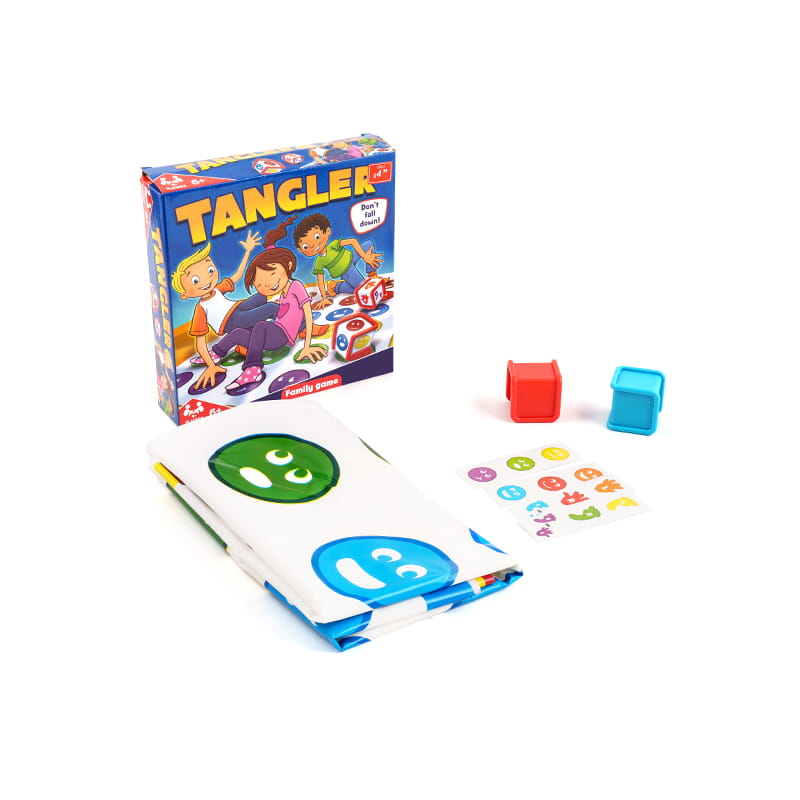
Plastic Tangler Game Set
TANGLER is a fun and challenging board game that requires players to use their hands and feet to meet conditions. During the game, players need to mov...
View More -
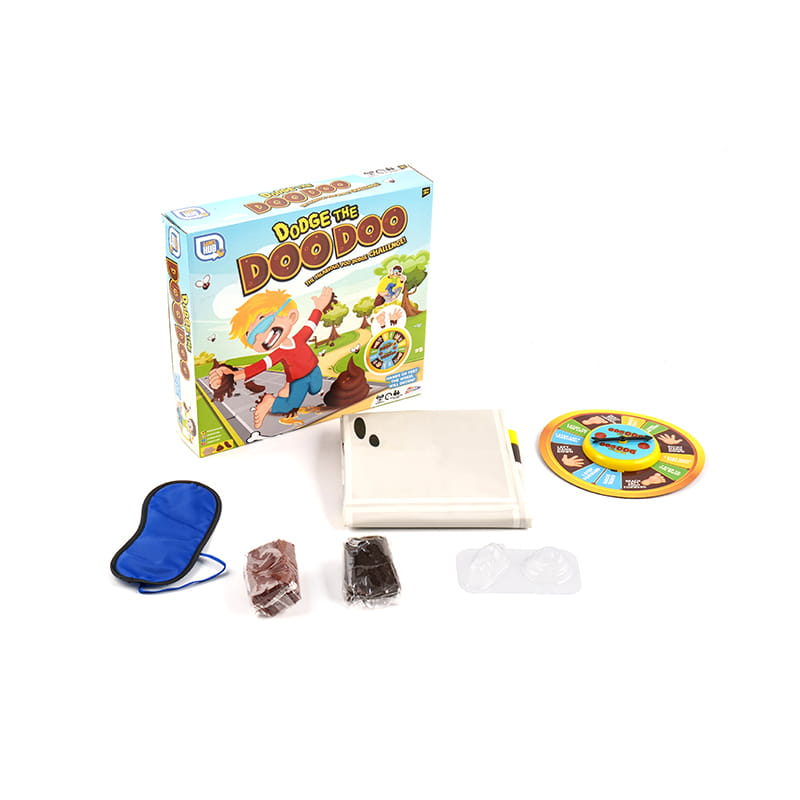
Dodge The Doggy Doo Game Set
Dodge The Doggy Doo is a fun and challenging game for kids. Children need to put on a blue blindfold and walk blindfolded to complete the tasks on the...
View More -
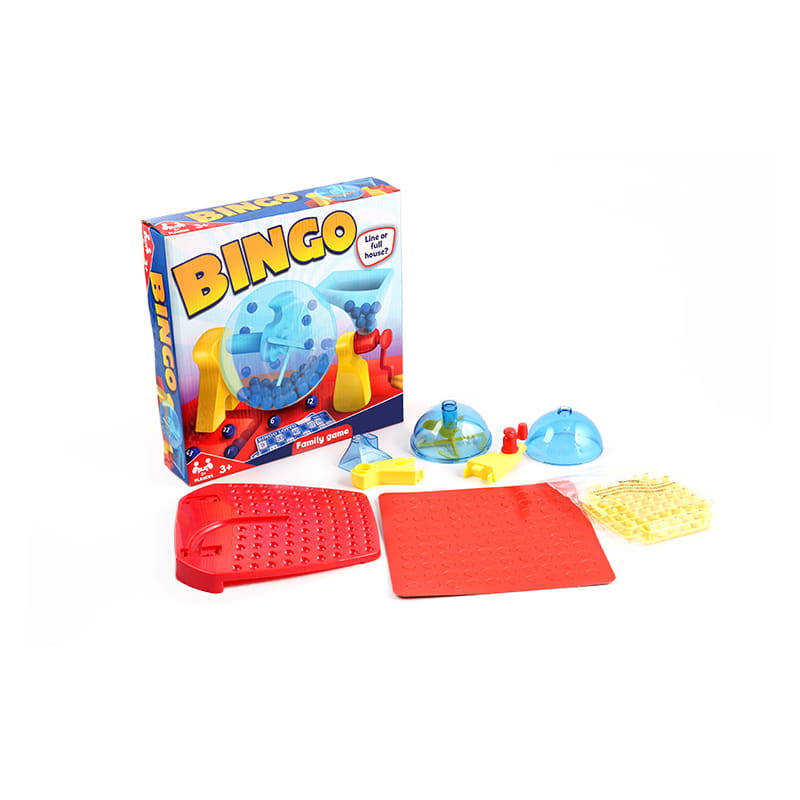
Plastic Bingo Game Set
Bingo Game is an entertaining game full of fun and surprises. It contains a beautiful shaker with a sleek design and bright colors that will catch eve...
View More -
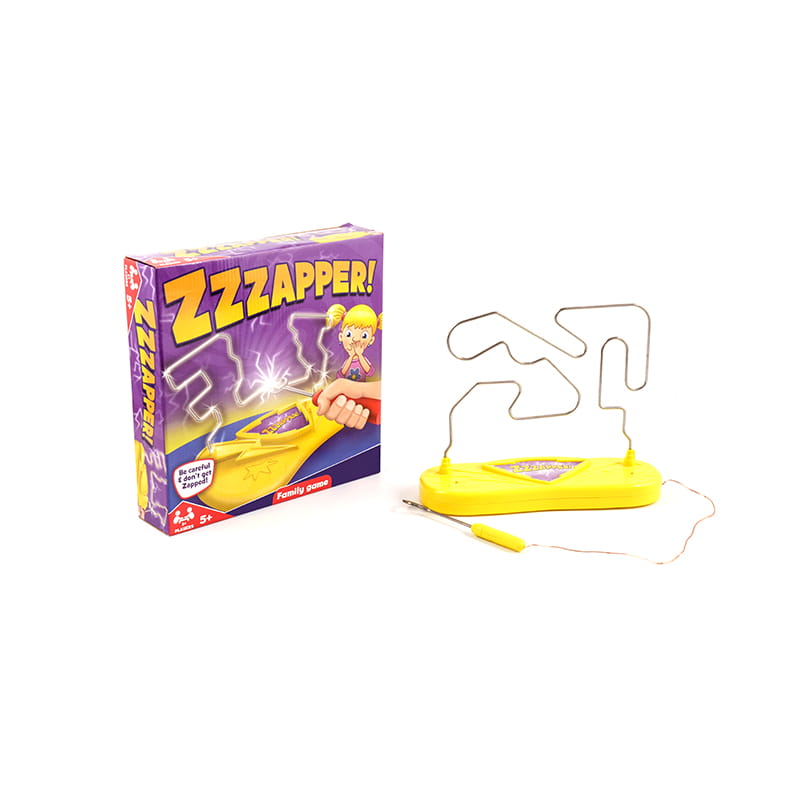
Plastic Beware Of Electrocution Game Toy
Beware of Electrocution Game is a unique family game designed to test players' concentration and balance. The game consists of a purple game box and a...
View More -
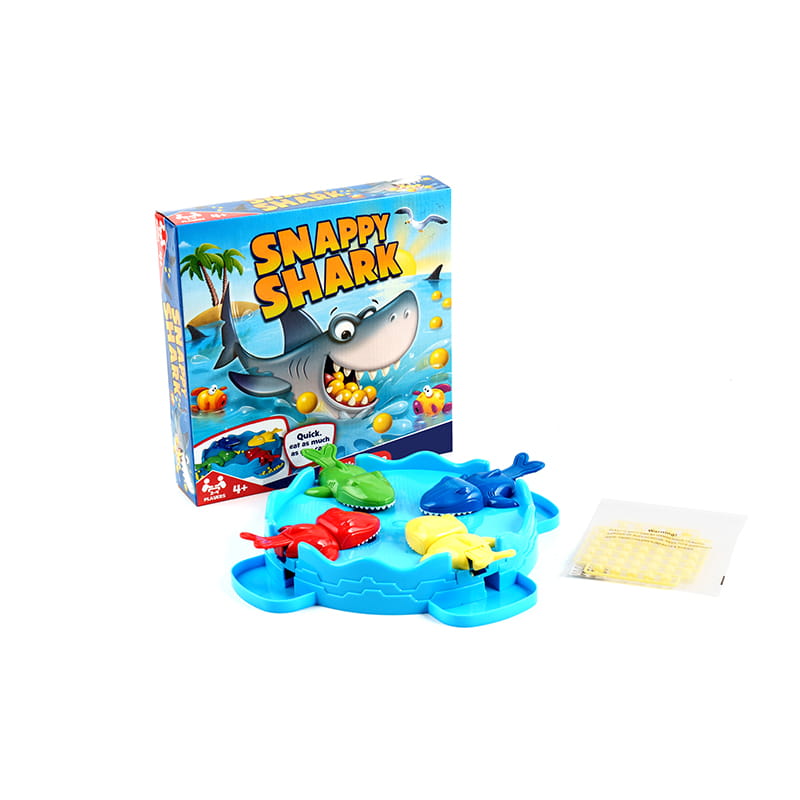
Plastic Shark Eat Beads Game Toy
Shark Eat Beads is a four-player interactive game with a “Snappy Shark” theme, where players need to quickly maneuver their sharks to eat as many ...
View More -
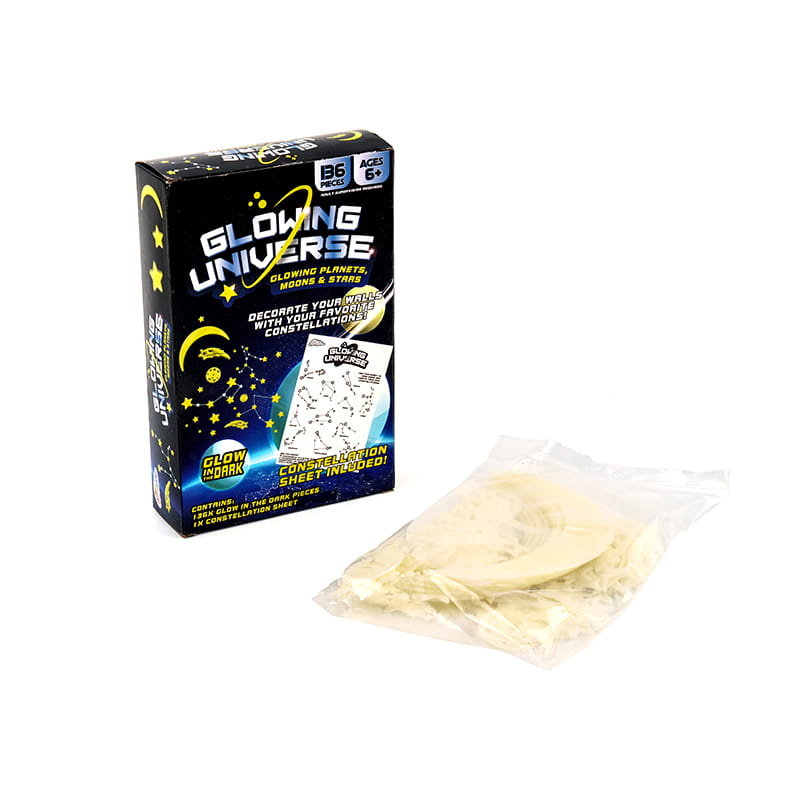
Luminous Star Patch
Luminous Starry Night Patch is a creative decoration. It contains a variety of cosmic elements, such as planets and stars, etc. It is made of special ...
View More -
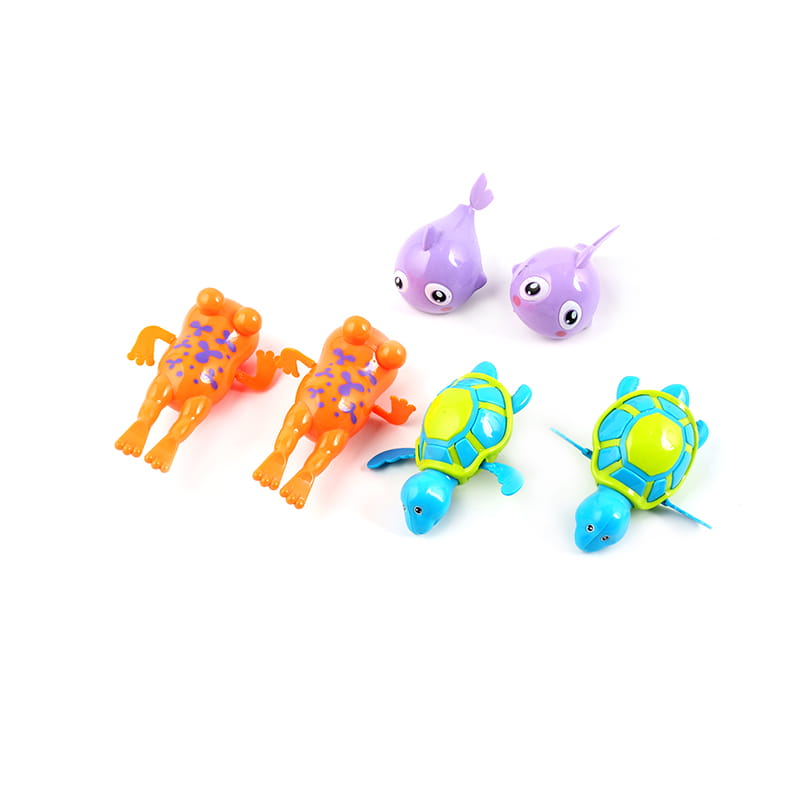
Plastic Uplink Animal Toy
The Uplink Animal Toy is a soothing toy set designed for baby showers. The set contains brightly colored and simply designed plastic toys such as an o...
View More -
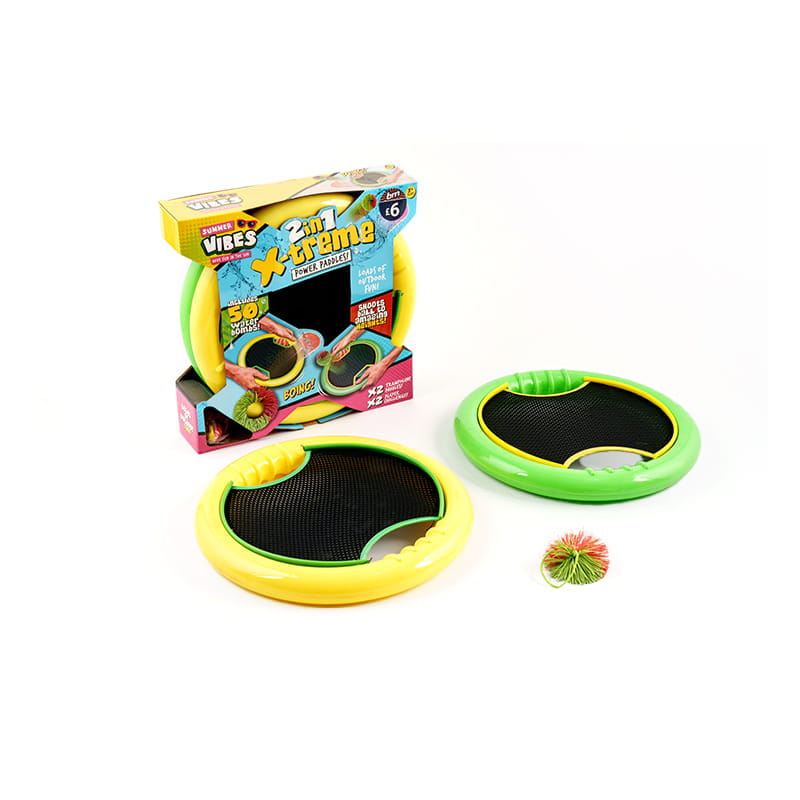
Beat About The Bush Toy Set
Clap Circle is a fun toy designed for children, containing 2 clappers and 1 colorful ball. This toy can be played alone to work on hand-eye coordinati...
View More

Copyright © Yuyao Leda Crafts Co., Ltd. All Rights
Reserved.

Children's Toys Factory
Children's Toys Manufacturer
Information
-
 Phone: +86-13056880051
 -
 fax: +86-574-62750718
 -
 E-mail:[email protected]
 -
 Add:Zhushan Village, Lizhou Street, Yuyao City, Ningbo, Zhejiang Province, China
Toys
Links
Contact Us