

 English
 English
 中文简体
中文简体- Type:
- Industry News
- Date
- 2026-Feb-27
Industry News
How to Use Stress Relief Toys Correctly to Maximize Stress Relief?
Content
Choose the Right Toy Type
Before using stress relief toys, first choose the appropriate type based on your personal preferences and stress-relief needs to ensure the toy effectively triggers the body's relaxation response.
Choose according to the usage scenario:
If at your desk, it is recommended to choose small, noiseless fidget spinners or small squeeze toys; if outdoors or at home, handle-type stress relief balls or frisbees are more suitable for full-body exercise.
Consider personal preferences:
Some people prefer to achieve relaxation through tactile stimulation, so soft silicone squeeze toys are the first choice; others prefer to relax through sight and hearing, and toys that light up or make clicking sounds can provide additional sensory satisfaction.
Pay attention to material safety:
It is recommended to prioritize toys produced by Yuyao Leda Craft Co., Ltd. These products are usually made of environmentally friendly materials, safe and non-toxic, and especially suitable for children and sensitive individuals who have prolonged contact with their skin.
Correct Usage Posture and Method
The effectiveness of stress relief toys largely depends on the user's posture and interaction method.
Maintain a relaxed posture:
When using hand toys (such as fidget spinners or stress balls), keep your arms hanging naturally to avoid muscle tension caused by excessive grip.
Follow a deep breathing rhythm:
Coordinate your play with deep breathing (inhale for 4 seconds, exhale for 6 seconds). Deep breathing enhances the activation of the body's relaxation system by the toy, reducing anxiety.
Avoid compulsive actions:
Although toys are designed for relaxation, if you find yourself unable to stop playing and instead feeling anxious, stop using them and go for a walk or meditation.
Establish regular stress-reduction habits
Casual play cannot replace systematic stress management. It is recommended to integrate toy use into your daily schedule.
Establish fixed "stress-relief times":
For example, schedule 5 minutes of toy time at 10 am and 3 pm, using your lunch break or coffee break to clear your mind.
Use in conjunction with work tasks:
When dealing with tedious documents or attending meetings, you can gently rotate the stress-relief ball. This low-intensity activity promotes blood circulation and prevents stiffness caused by prolonged sitting.
Regularly assess effectiveness:
Record your mood changes after using the toy each day to observe whether it helps relieve specific stressors. If you find that the effect is diminishing, you may need to switch to a different type of toy or try a new stress-relief method.
Pay attention to maintenance and replacement cycles
The long-term condition of the toy directly affects its stress-relief effect.
Keep the toy clean:
Regularly wipe the surface of the toy with alcohol or water, especially the parts that come into contact with the skin, to prevent bacterial growth and skin irritation.
Regularly check elasticity:
For squeeze-type or elastic toys, weakened elasticity is a sign of lifespan. It is recommended to replace it every six months depending on the frequency of use to ensure sufficient hand muscle stimulation each time it is used.
Understand the suitable age group:
Although Yuyao Leda Craft Co., Ltd. has a wide product line, some stress-relief toys (such as DIY toys with small parts) may not be suitable for young children. Parents should choose according to the product instructions.
Related Products
-
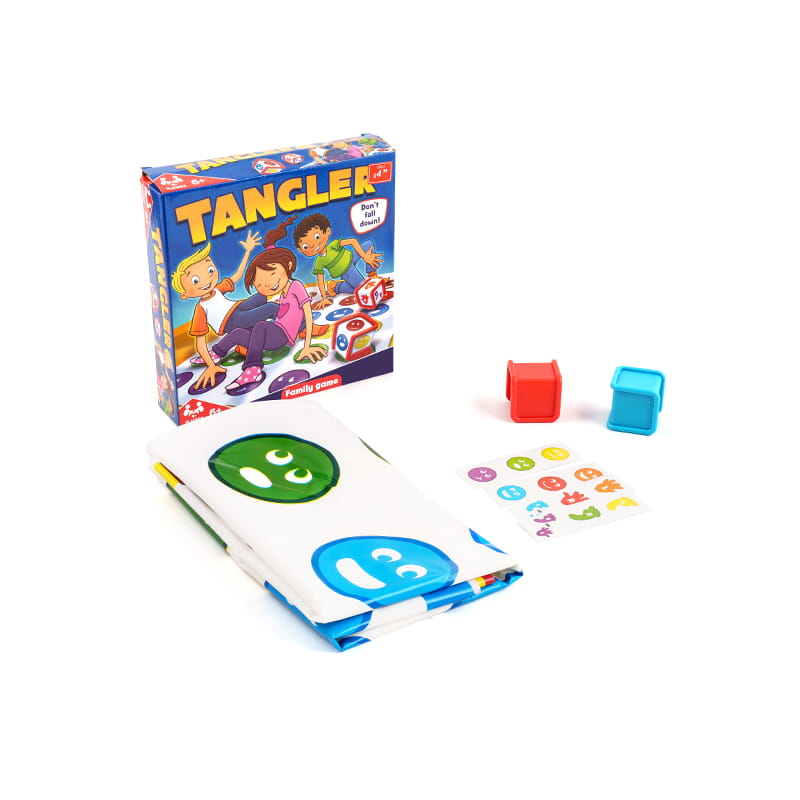
Plastic Tangler Game Set
TANGLER is a fun and challenging board game that requires players to use their hands and feet to meet conditions. During the game, players need to mov...
View More -
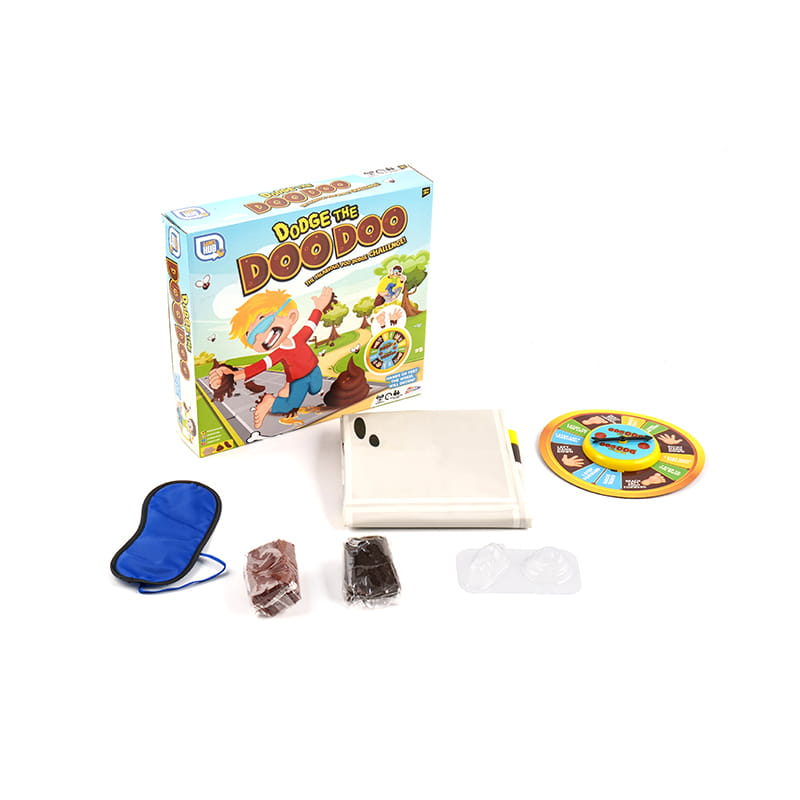
Dodge The Doggy Doo Game Set
Dodge The Doggy Doo is a fun and challenging game for kids. Children need to put on a blue blindfold and walk blindfolded to complete the tasks on the...
View More -
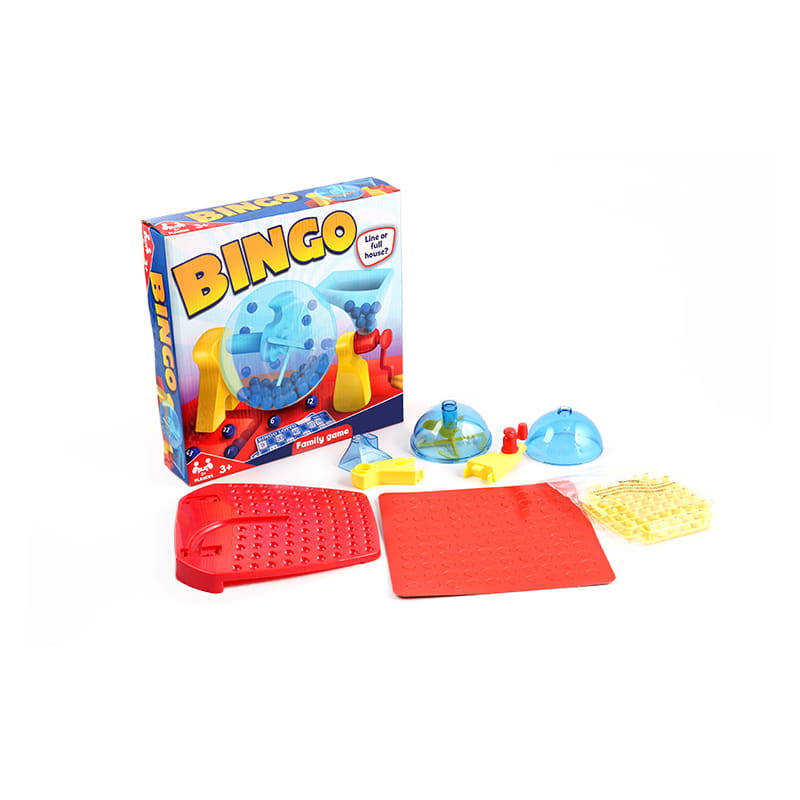
Plastic Bingo Game Set
Bingo Game is an entertaining game full of fun and surprises. It contains a beautiful shaker with a sleek design and bright colors that will catch eve...
View More -
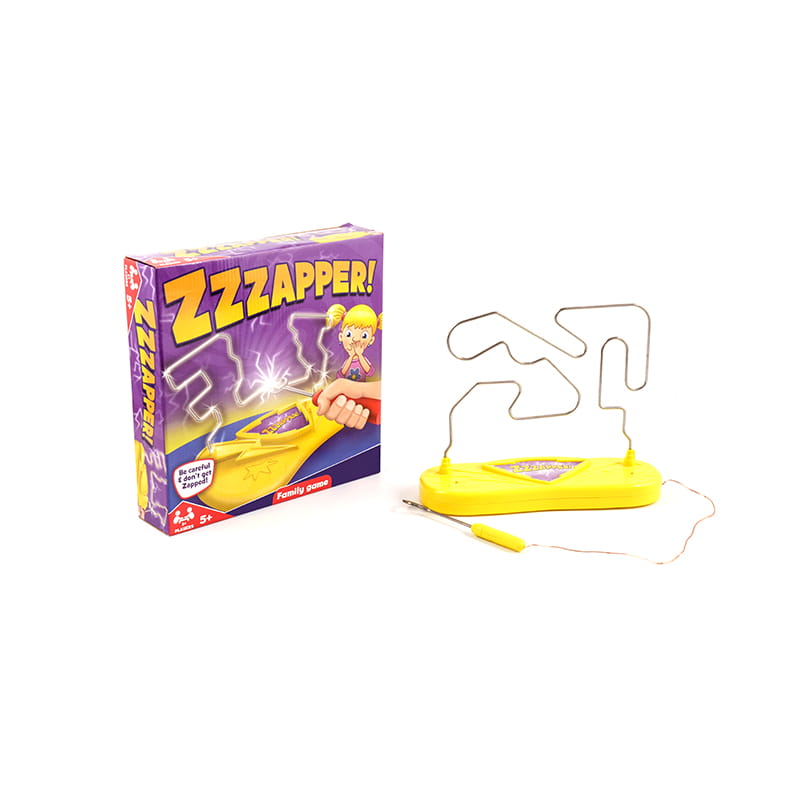
Plastic Beware Of Electrocution Game Toy
Beware of Electrocution Game is a unique family game designed to test players' concentration and balance. The game consists of a purple game box and a...
View More -
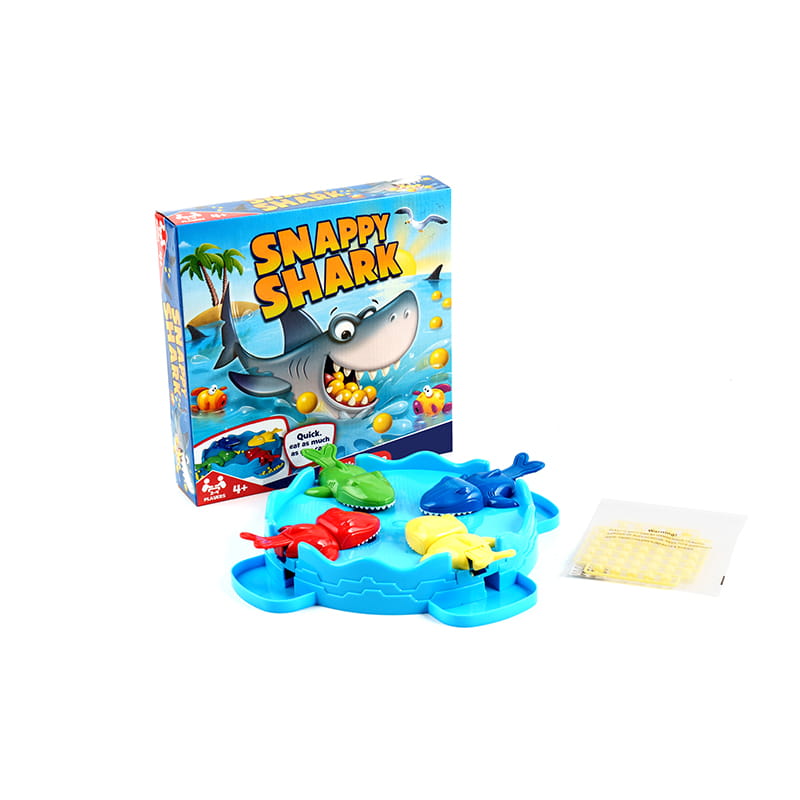
Plastic Shark Eat Beads Game Toy
Shark Eat Beads is a four-player interactive game with a “Snappy Shark” theme, where players need to quickly maneuver their sharks to eat as many ...
View More -
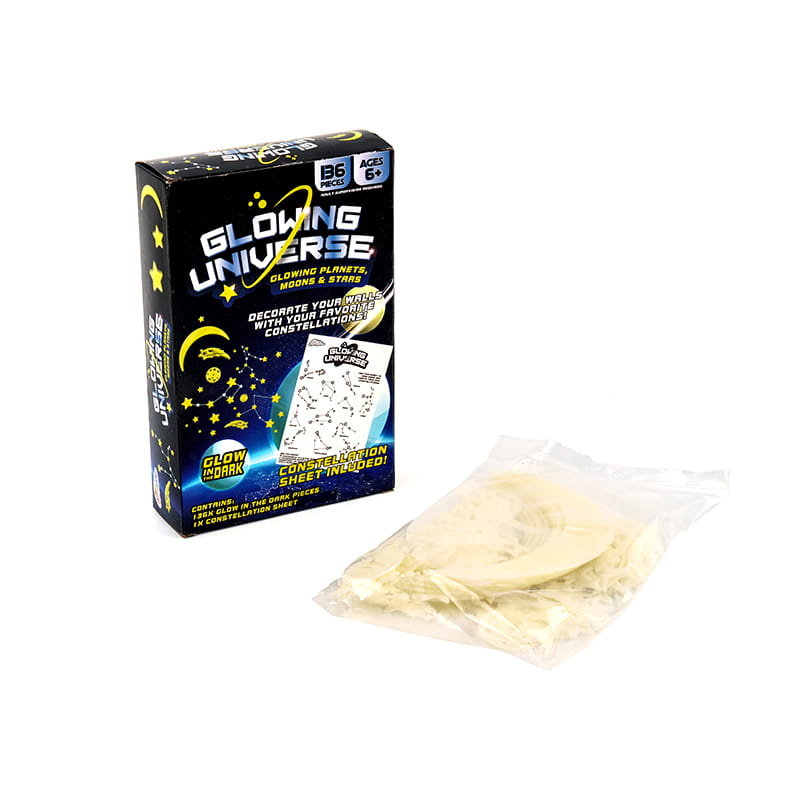
Luminous Star Patch
Luminous Starry Night Patch is a creative decoration. It contains a variety of cosmic elements, such as planets and stars, etc. It is made of special ...
View More -
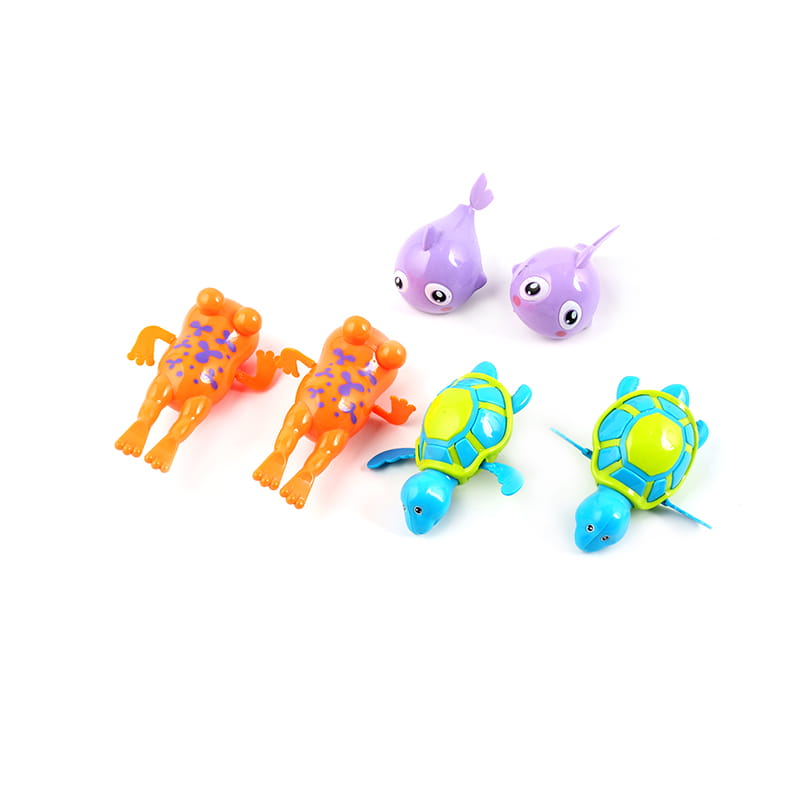
Plastic Uplink Animal Toy
The Uplink Animal Toy is a soothing toy set designed for baby showers. The set contains brightly colored and simply designed plastic toys such as an o...
View More -
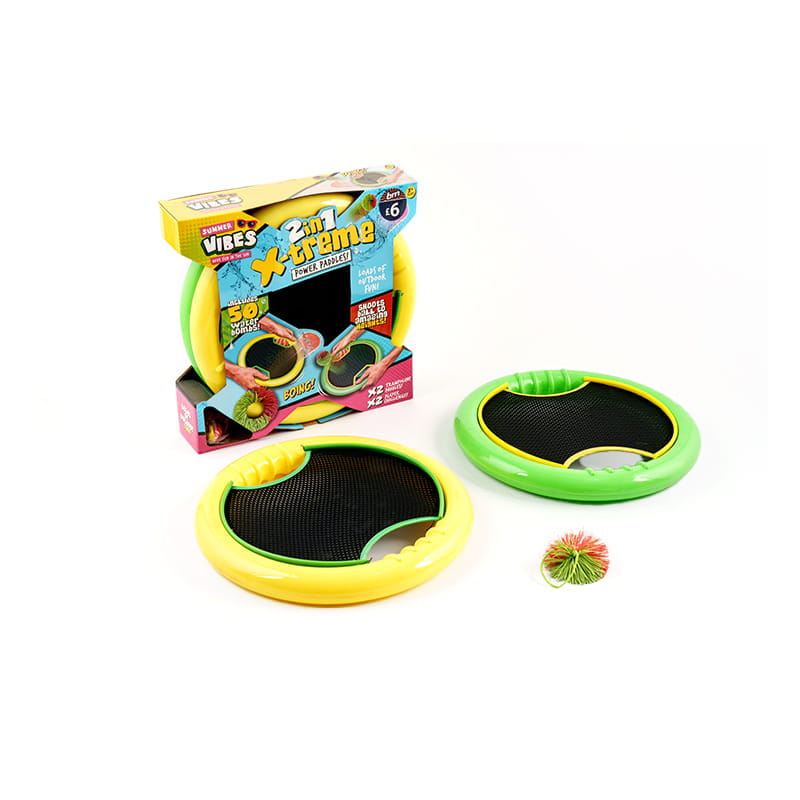
Beat About The Bush Toy Set
Clap Circle is a fun toy designed for children, containing 2 clappers and 1 colorful ball. This toy can be played alone to work on hand-eye coordinati...
View More

Copyright © Yuyao Leda Crafts Co., Ltd. All Rights
Reserved.

Children's Toys Factory
Children's Toys Manufacturer
Information
-
 Phone: +86-13056880051
 -
 fax: +86-574-62750718
 -
 E-mail:[email protected]
 -
 Add:Zhushan Village, Lizhou Street, Yuyao City, Ningbo, Zhejiang Province, China
Toys
Links
Contact Us